
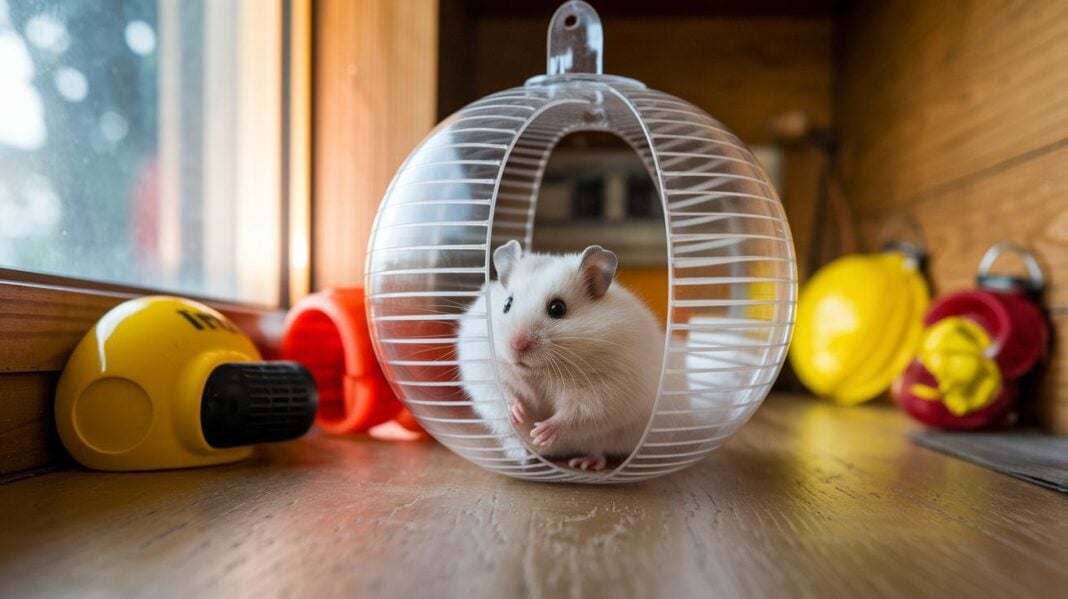
Ever wonder if your hamster ball is safe for playtime? Many pet owners miss hidden dangers like blocked air holes or rough edges that could hurt your pet. We offer clear, simple tips to lower the risk of overheating or injury while playing. Our guide shows you how to check your hamster ball and set it up right. Follow along for practical advice that keeps your little friend safe while they roll and bounce around.
Core Safety Guidelines for Hamster Ball Use
Hamster balls can be risky if not used correctly. These plastic spheres trap heat and gases (like ammonia from droppings) that can upset your pet’s eyes, nose, and skin. Poor airflow means your pet may not get the oxygen they need, which can lead to stress and tiredness. If the ball tips or rolls unexpectedly, your pet could strain their spine or even get hurt. Veterinarians warn that these risks make unsupervised use especially dangerous.
Here are some simple rules to keep your pet safe:
- Always keep an eye on your hamster during play.
- Limit play sessions to avoid fatigue.
- Use only flat play surfaces that prevent the ball from tipping over.
- Check that the ball has plenty of clear ventilation; make sure no slits are blocked.
- Keep the room temperature in check to avoid overheating.
By following these tips, you help reduce injury risks and make sure your pet enjoys a safe play experience.
Pre-Use Inspection and Setup of Your Hamster Ball
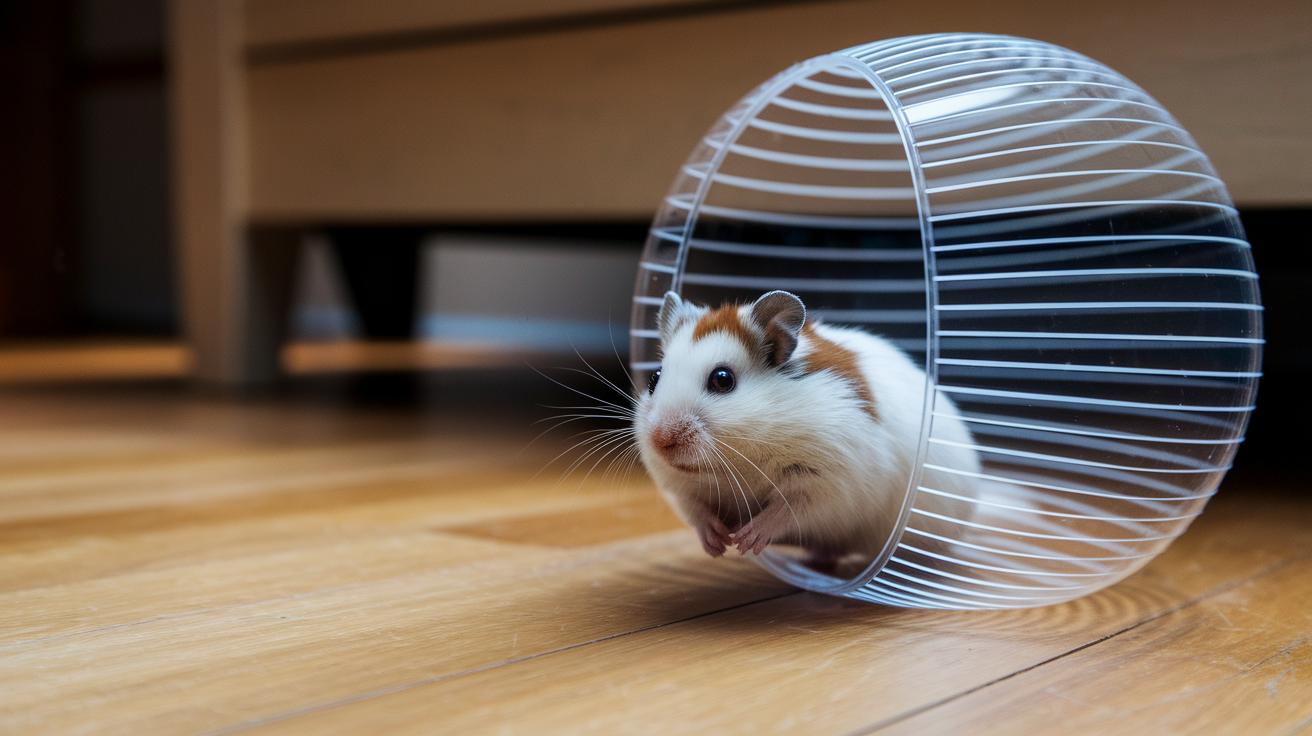
Before you let your hamster out to play, take a few minutes to check the ball for any hazards. A quick look-over helps you catch issues like rough edges or clogged air holes that could hurt your pet. This simple routine can prevent overheating or accidental injuries.
Here’s what to do each time:
- Look over the ball for cracks or sticky residue.
- Test the latch or closure to make sure it works well.
- Clear any dust or blockage from the air holes.
- Confirm the ball is the right diameter for your hamster.
- Check that the ball supports your pet’s weight as the manufacturer recommends.
If you spot any cracks, mold, or residue, it’s time to replace the ball. Make sure the ventilation slits are clear so your pet’s paws can move freely. A ball that is too small might put strain on your pet’s back over time. Also, don’t ignore the locking latch; it needs to fasten securely and the ball must meet the proper weight rating.
This quick, careful inspection helps keep your little friend safe during play.
Safe Environment and Supervision During Hamster Ball Sessions
Choose a room with a flat, open floor for your hamster ball. Avoid areas with stairs, cords, or big gaps between furniture. A clear space gives your pet a smooth surface to run on and helps prevent bumps or sudden stops that might hurt them.
Keep a close eye on your hamster during every play session. Watch for signs of tiredness, like heavy breathing or slowing down. If you see these signs, remove your pet from the ball right away. Also, look around for hidden dangers such as low-hanging furniture or doorways that might let the ball shift unexpectedly. Stay near the play area so you can quickly step in if things take a wrong turn.
If kids are nearby, remind them to handle the ball with care. Tell them not to shake or drop it. Using low playpen walls or simple barriers can help keep the ball in a safe zone, making sure that both your pet and the children stay safe while having fun.
Cleaning and Maintenance Routines for Hamster Balls
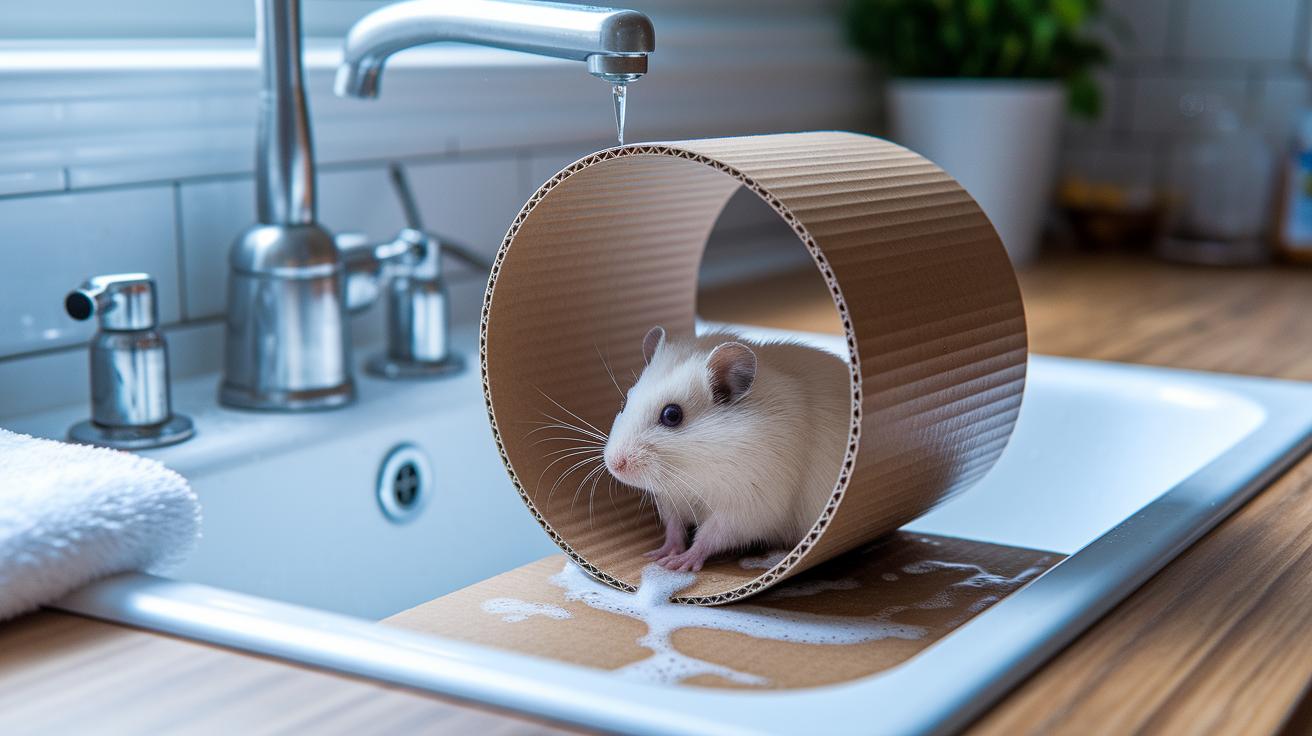
Keeping your hamster ball clean is important for your pet’s health. It stops harmful ammonia from building up and helps keep your pet from getting irritated or sick. After every use, take out any bedding or bits of debris your pet left behind.
Give the ball a quick wash with warm water and a little mild soap. This removes oils and waste that might hurt your pet’s eyes or skin. Make sure to rinse very well and let the ball air-dry completely before it goes back into use.
This simple cleaning routine not only keeps your pet safe but also stops bacteria and mold from forming. It can help the ball last longer too. We suggest doing a quick clean every day and checking for any damage once a week, like cracks or rough spots that might harm your pet.
Below is a simple guide for your regular hamster ball maintenance:
| Tasks | Frequency | Notes |
|---|---|---|
| Remove debris | After every use | No harsh chemicals |
| Wash interior | Daily | Use pet-safe detergent |
| Rinse & dry | Daily | Air-dry fully |
| Inspect for damage | Weekly | Replace if cracked |
Recommended Exercise Duration and Frequency Guidelines
Keep your hamster's play safe by limiting each ball session to 10-15 minutes, and no more than two sessions a day. Make sure there is at least 30 minutes of rest between sessions so your pet doesn’t overheat or get too tired.
Short playtimes help prevent overheating, exhaustion, and injuries like spinal strain. If you notice your hamster working hard to breathe, slowing down suddenly, or even biting the plastic, stop the session immediately. These clear signs mean your pet needs a break.
Watch your pet closely and take a break if you see any of these signals:
- Labored breathing
- Sudden slowing or freezing
- Biting or gnawing at plastic
Common Hazards and Troubleshooting in Hamster Ball Use

Hamster balls are fun, but they can also be risky. One big hazard is overheating. When the ball holds in heat, your pet can feel stressed and tired very fast. Droppings can build up ammonia (a strong smell that can hurt the eyes, nose, and skin) and make things worse if the air holes are blocked. The ball can also jam under furniture, causing it to stop suddenly or tip over. There is a risk that a limb might get caught in a gap, leading to cuts or discomfort. These problems often happen on bumpy surfaces or when the ball is close to heat.
If you see your hamster in distress, act right away. Remove your pet from the ball to keep it safe. Then check the ball for blocked air holes, damage, or rough spots that might cause injury. Make sure the ball rolls slowly on a flat area, away from heat and tight spaces where it might get stuck. If your pet shows signs of heat stress, like heavy breathing or slow movement, stop using it right away and inspect for injuries. If you are not sure about your pet's health, it is best to call your vet.
Emergency Protocols and Crisis Management for Hamster Ball Accidents
- Stop the ball immediately to prevent any further movement.
- Open the latch slowly so you can safely reach your hamster.
- Lift your pet from the ball gently, keeping a firm grip.
- Check your pet carefully. Look for bleeding, broken bones, or signs that it may be too hot to handle. Use a thermometer if needed.
In a crisis, act fast and stay calm. If you see heavy bleeding, notice that your hamster is limping, or it shows signs of shock, call your veterinarian right away. Keep a first-aid kit nearby with styptic powder, antiseptic spray, and a thermometer. Stop any play and give your pet a thorough check before allowing more activity. If you suspect a spinal injury or see unusual behavior like erratic movements or long periods of being still, get a vet evaluation immediately to prevent further injury.
Alternatives and Safe Enrichment Beyond Hamster Balls
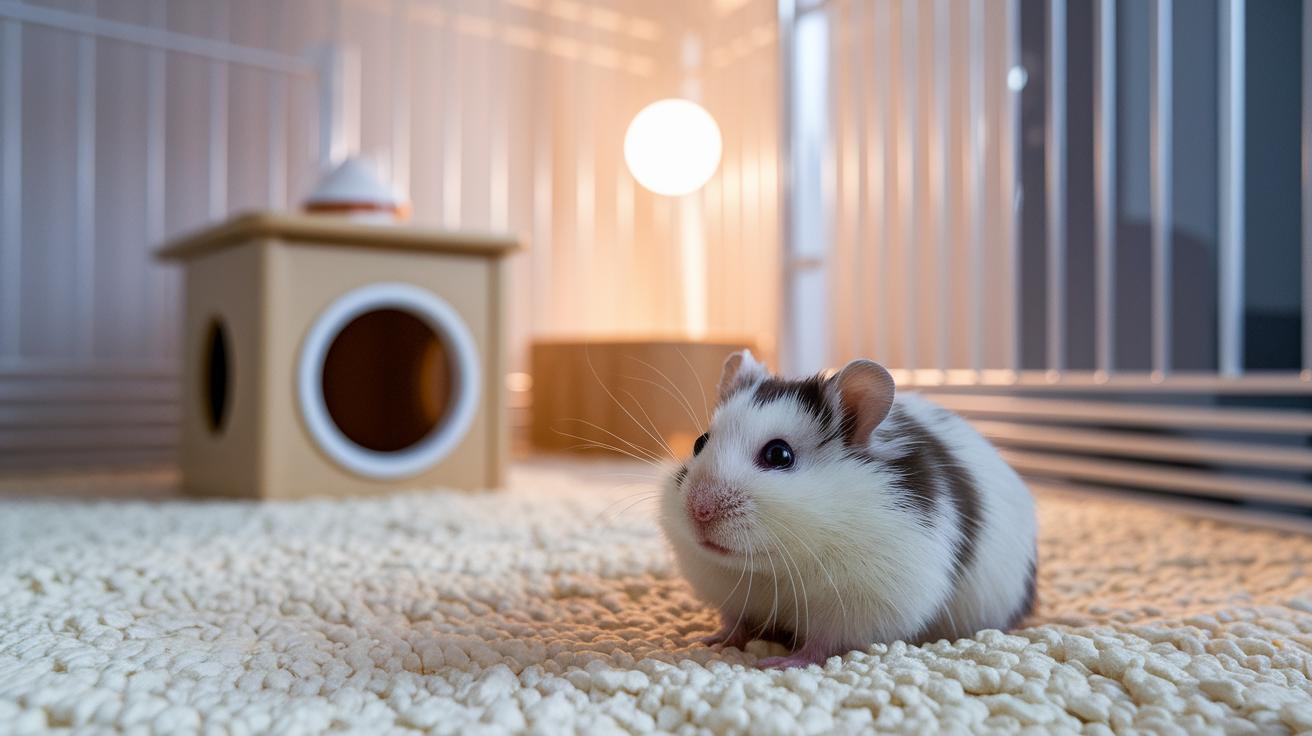
If you’d prefer not to use a hamster ball by itself, try setting up a secure playpen or a large cage. A space around 100 x 50 cm gives your pet plenty of room to explore safely. A well-planned cage can come with a solid-surface wheel, deep bedding that feels soft under tiny feet, and cozy spots for hiding. This kind of setup lets your pet do natural things like foraging, running, and resting, which can lower stress and help avoid injuries from too much confinement. Think of it as creating a little habitat where your pet chooses when to be active or relax.
New tech is stepping in with even safer options. App-controlled playpens now let you watch your pet’s activity in real time. These systems, approved by vets, send alerts if they notice signs of overheating or stress. Experts say these setups mix freedom with constant care. They give your pet a chance to play naturally, without the risks that come from being stuck inside a plastic ball.
Final Words
In the action, our guide laid out clear steps to keep your pet safe. We covered hazards, proper inspections, supervision, cleaning routines, and even emergency protocols.
Breaking down each part helps you follow safety tips for using a hamster ball with confidence. Our review also points to fun, safe alternatives so your pet stays happy and healthy. A well-planned session makes a big difference. Enjoy a secure playtime for your little friend.