
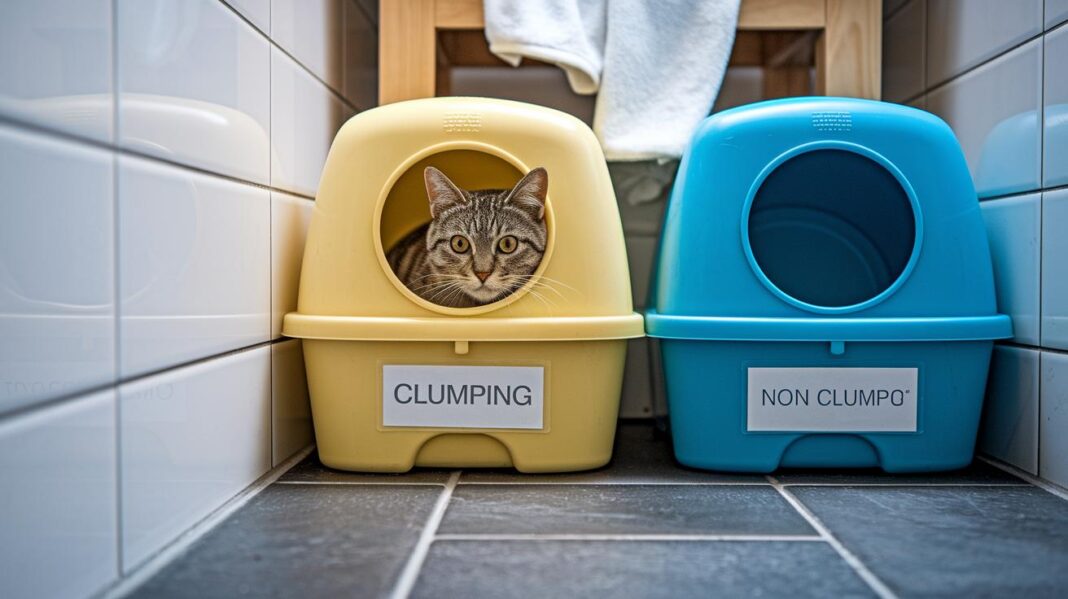
Quick verdict:
Clumping litter makes cleaning up easier by turning wet spots into neat clumps you can scoop out, while non-clumping litter soaks up moisture without forming lumps and can help save money.
At a glance:
- Clumping litter: forms solid clumps for fast scooping
- Non-clumping litter: absorbs moisture and is often more budget-friendly
Why we looked at them:
We know many cat owners face a daily decision on which type to use. We compared these options for odor control, ease of cleaning, and overall value to help you and your cat have a cleaner space.
Clumping litter turns wet spots into little clumps (small balls of waste) that you can easily remove. It helps keep odors down if you scoop regularly. On the other hand, non-clumping litter soaks up moisture right away, giving you a lighter option for your budget, though it might not clean up as neatly.
In this review, we break down how each option works so you can pick the one that fits your cleaning style and your cat’s needs.
Clumping Vs Non-Clumping Cat Litter at a Glance
Clumping litter uses binders such as bentonite clay, plant starch, tofu, corn, or wood to turn wet litter into solid clumps. It works best when spread in a 2- to 3-inch layer and can last about 3 to 4 weeks, helping to lock in waste and control odors.
Non-clumping litter is made from clay pellets, silica crystals, wood pellets, or recycled paper. Instead of forming clumps, it soaks up moisture evenly, which means you need to replace all of it every 7 to 10 days. This type is usually easier on your budget, is safe for kittens younger than 12 weeks, and suits cats with breathing issues if you choose a low-dust version. Many cats also prefer a fine-grained texture that feels like real soil, so the right choice depends on cleaning ease and your cat’s own tastes.
| Feature | Clumping Litter | Non-Clumping Litter |
|---|---|---|
| Composition | Bentonite, plant starch, tofu, corn, wood | Clay pellets, silica, wood pellets, recycled paper |
| How It Works | Forms scoopable clumps when wet | Absorbs moisture evenly |
| Change Frequency | Replace every 3-4 weeks | Replace every 7-10 days |
| Odor Control | Locks in waste for strong odor control | Might need additives for odor control |
| Cost | Higher start-up cost, lasts longer | Wallet-friendly |
| Kitten Safety | Less safe if eaten; use with caution | Safe for kittens under 12 weeks |
| Dust Levels | May be dusty; low-dust options exist | Low dust, good for respiratory sensitivities |
This quick comparison shows that clumping litter is great for easy cleaning and strong odor control, while non-clumping litter is a better choice for those on a budget, with young kittens, or for cats needing low-dust products.
Inside Clumping Cat Litter: Composition, Mechanisms and Advantages

Clumping litter does more than just bind waste; it also controls smells at a tiny, unseen level. Research shows that tiny binder particles, like bentonite clay (a natural clay that swells in water), stick to odor molecules. When these particles mix to form a clump, they keep bad smells from easily escaping. Some pet owners have noticed that changes in room humidity can affect litter performance. For better results, keep the litter box in a spot with good airflow. A quick tip: try gently stirring the litter once a week to spread out the binder particles and keep odors in check.
- Bentonite clay: Forms a tight barrier that holds moisture and traps smells.
- Plant starch: Provides a low-dust option that helps cut down on airborne particles.
- Tofu: Its soft texture may naturally reduce odor compounds.
- Corn: Seals waste effectively and works well even in humid air.
- Wood: Gives a mild enzyme boost that helps break down odor-causing substances.
This smart design not only makes cleanup easier but also builds a protective barrier against odors. Tests show that both moisture and room temperature can change how firm the clumps are, so some formulas might work better in extreme conditions.
Inside Non-Clumping Cat Litter: Materials, Absorption and Suitability
Non-clumping cat litters are made from materials like clay pellets, silica crystals, wood pellets, and recycled paper. These parts spread out moisture quickly instead of forming clumps, which helps the wetness mix evenly in the litter. In dry weather, the moisture spreads well, but when it is humid, the liquid takes a bit longer to dry out. For instance, when the pellets soak up water, they work like a sponge, slowly releasing the moisture so that the top layer stays drier for easier scooping.
This type of litter works great for families on a tight budget and is handy for kittens under 12 weeks old. You need to scoop it daily and completely replace the litter every 7–10 days to keep it safe and clean. Low-dust versions made from paper or plant-based materials are also better for cats with breathing problems. Some pellet litters even pair well with sifting trays, which let the wet pellets hide away to quickly show a cleaner surface, making upkeep easier for busy pet owners.
Odor Control Comparison Between Clumping Vs Non-Clumping Litter
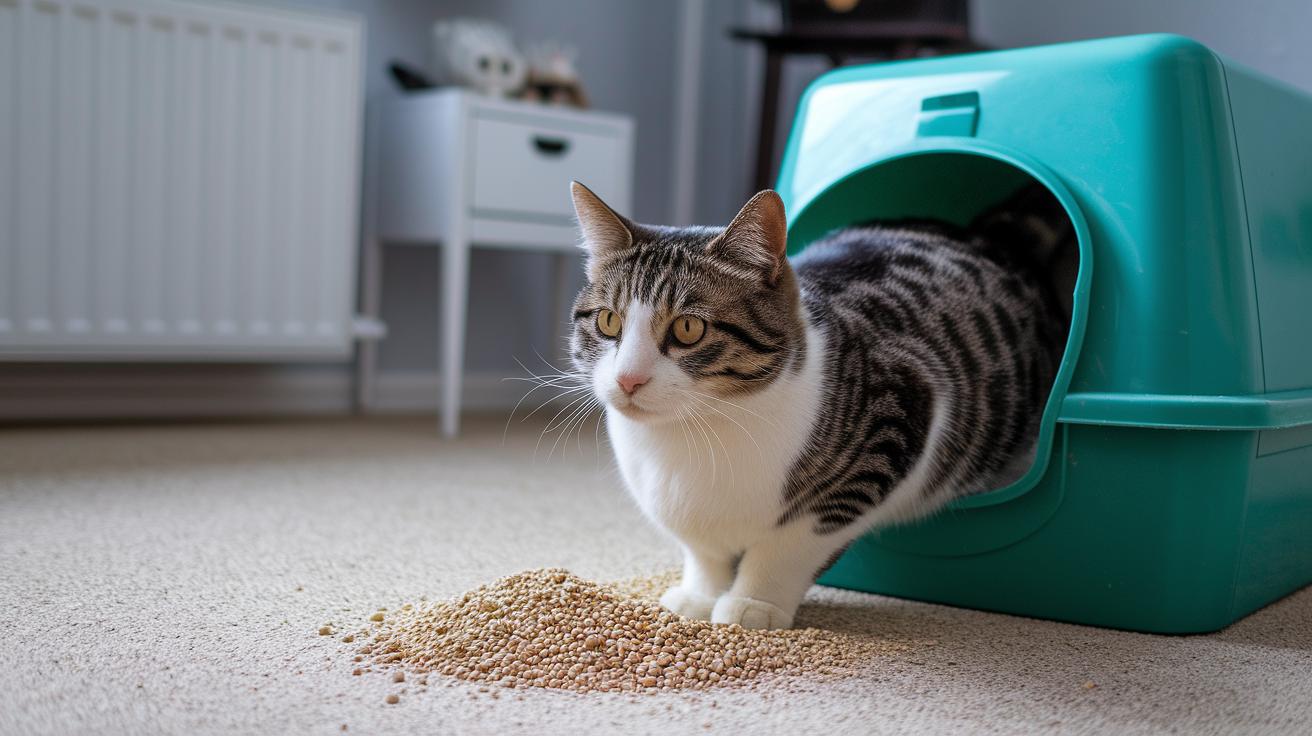
Clumping litter forms a tight crust around wet spots. This crust locks in ammonia and waste smells so fewer odors escape. It keeps your cat’s area noticeably fresher.
Non-clumping litter soaks up wetness but spreads it throughout the box. This lets smells mix with the litter until you do a full change. Many non-clumping options add scents or odor fighters to hide the smell. Even so, some pet owners find these tricks less reliable than the sealing action of clumping formulas.
When picking litter for odor control, think about how often you clean and how strong the smells are. If you need top-notch odor control, clumping litter lets you scoop out only the messy parts and extend its life. For lighter odor needs and a simple routine, non-clumping litter can work well with regular full changes.
Cleaning and Maintenance of Clumping Vs Non-Clumping Cat Litter: Scooping, Change Frequency, and Longevity
Clumping litter needs a daily scoop to remove the formed clumps and keep the box fresh. A 2–3 inch layer works best for proper clumping and odor control. Usually, you should change the entire litter every 3–4 weeks. This routine prevents smells and helps the litter last longer, keeping your cat's space safe and neat.
Non-clumping litter means you must scoop out solid waste every day since it does not form clumps. For these types, replace all the litter every 7–10 days to stop moisture and odor from building up. Sifting boxes can make cleaning easier by letting wet pellets settle below a cleaner top layer.
When disposing of the litter, follow the guidelines for each type. Some non-clumping pellets can be flushed safely, while others should be thrown in the trash. If you need to switch between clumping and non-clumping litter, do it gradually over 7–10 days. Start with 75% of the old litter and add 25% of the new to keep your cat comfortable and the litter effective.
Dust, Tracking, and Health Considerations for Clumping Vs Non-Clumping Cat Litter
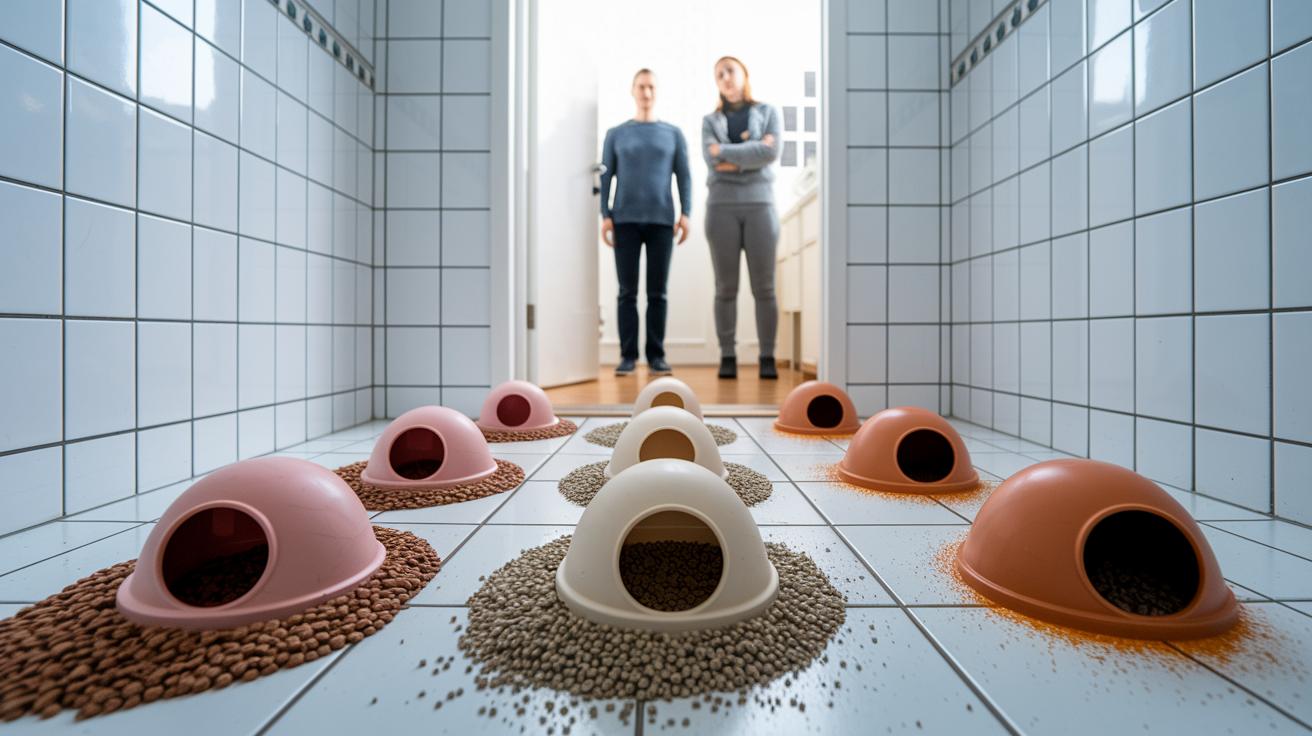
Quick verdict: Clumping litters made from clay can produce a lot of fine dust that may irritate both cats and people. Non-clumping options, like those made of paper or wood pellets, are almost dust-free and lead to fewer messes.
At a glance:
- Clumping clay litters can generate fine dust, even in low-dust formulas.
- Fine dust can worsen tracking, meaning litter may stick to your cat's paws and spread around your home.
- Non-clumping choices, such as paper or wood pellet litters, keep dust to a minimum and help keep indoor air cleaner.
- Silica crystal litters also produce little dust, but they may stick to a cat’s paws, causing some spread.
We tested these different types to see how they affect air quality and tracking. For pet owners worried about allergies or asthma, the cleaner, non-clumping options can be a safer bet. Both types have allergy-friendly versions that work well to reduce dust and keep your home healthier.
Remember, when you choose a litter, think about what works best for your furry friend and your home. Lower dust means better air quality and fewer litter messes, making life a little easier if your cat or family has sensitive airways.
Cost Evaluation: Comparing Price and Value of Clumping Vs Non-Clumping Cat Litter
Quick verdict: Clumping litter may cost more per bag at first but lasts longer, cutting down on how often you replace it. Non-clumping litter is cheaper per bag, but you need to change it more often.
At a glance:
- Clumping litter: Lasts about 3–4 weeks with daily scooping, costing roughly $A a month overall.
- Non-clumping litter: Requires a full change every 7–10 days, adding up to about $B per month.
Why we compared these: We looked at the monthly cost differences to help you decide what fits your budget and cleaning routine. If you have multiple cats or your cat uses the box heavily, these numbers may shift.
Pros and cons:
- Clumping litter:
• Pros: Lasts longer, fewer full cleanouts
• Cons: Higher cost per bag - Non-clumping litter:
• Pros: Lower cost per bag
• Cons: More frequent full changes driving up overall expense
Your overall value depends on how many cats you have, how often you clean, and your needs for odor control and dust reduction. Some stores even offer bulk discounts (10–20%), which can help cut costs if you’re buying in large quantities.
Real-life tip: Think about your household's routine. If you prefer fewer, deep cleans and manage odor well with spot scooping, clumping might be best. But if you change the litter often anyway, non-clumping could save you money time after time.
Choosing the Best Clumping or Non-Clumping Cat Litter for Your Cat and Home
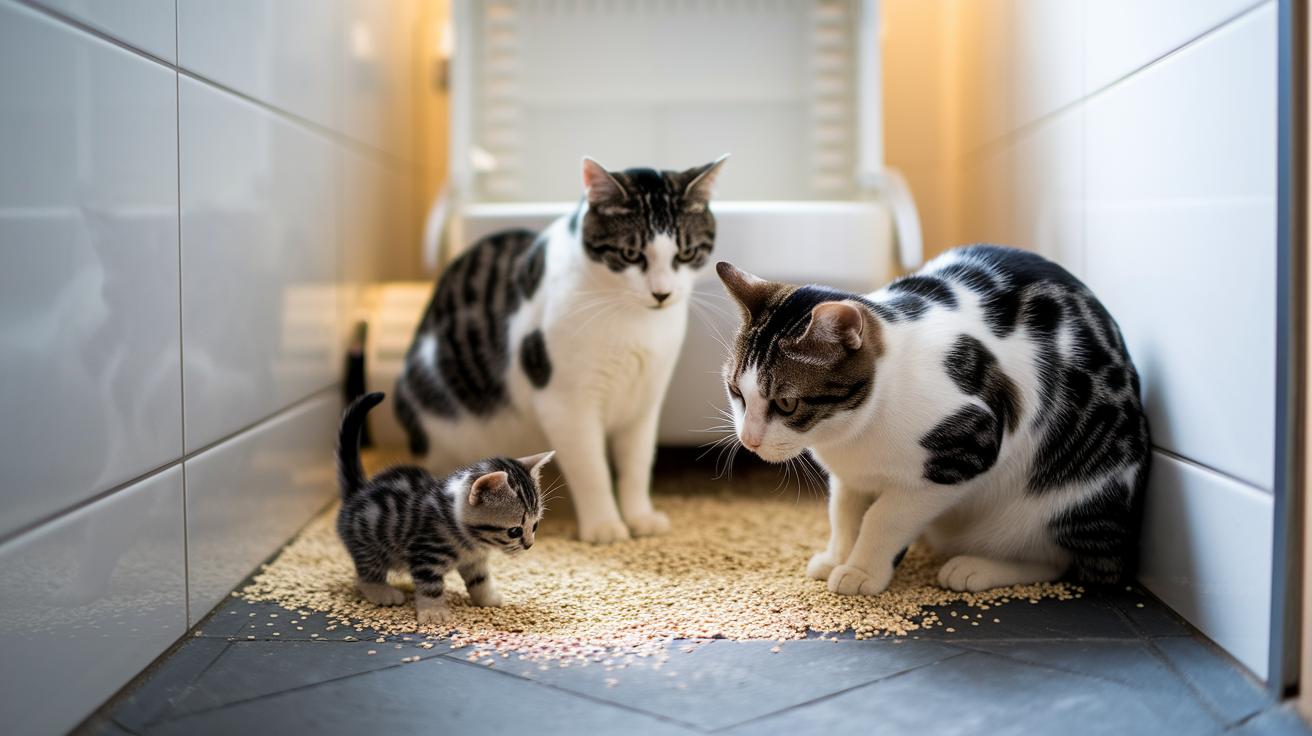
When choosing litter, think about your cat’s age, the number of cats in your home, and your cleaning habits. Clumping litter works well for adult cats and households with more than one cat because it locks waste into clumps that are easy to scoop. One cat owner shared, "My two adult cats kept their area fresh with clumping litter; the ease of spot cleaning is a game changer."
If you have a kitten or a cat with breathing problems, non-clumping litter might be a better option. It creates less dust and has a softer texture, which helps reduce potential health issues. One pet parent said, "Our kitten and sensitive older cat both thrive on a non-clumping, paper-based litter that mimics soil without creating airborne particles."
When changing from one type to another, do it slowly. Start by mixing in about 25% of the new litter, and gradually increase that amount over 7 to 10 days. This gentle transition helps your cat get used to the new texture and scent without stress.
Keep in mind:
- Use separate boxes when trying out new formulas.
- Read reviews to learn about other cat owners’ experiences.
- Pick a fine-grain texture that feels like natural soil for better acceptance.
Tailor your litter choice to fit your cat’s specific needs, your home layout, and your cleaning routine for a smoother daily experience.
Final Words
In the action, we examined key factors like composition, odor control, maintenance routines, dust levels, and cost. We compared how clumping formulas seal in waste and extend litter life against non clumping options that suit kittens or budget needs.
Each section provided a clear side-by-side snapshot for easy decision-making on clumping vs non clumping cat litter. With detailed insights on performance and upkeep, you should feel more confident choosing the right type for your cat’s needs. Happy cleaning and pet care!
FAQ
What does clumping vs non clumping cat litter reddit discussions reveal?
Reddit users note that clumping litter forms solid clumps using binders, making scooping easier, while non clumping litter absorbs moisture without forming clumps.
How does clumping vs non clumping cat litter work for odor control?
Clumping litter seals waste with firm clumps to lock in odors, whereas non clumping relies on moisture absorption and additives, often requiring more frequent changes.
How does clumping vs non clumping cat litter affect odor?
Clumping types quickly encapsulate waste to reduce ammonia smells, while non clumping litters disperse moisture, making odor management more challenging between changes.
How does clumping vs non clumping cat litter work for kittens?
Non clumping options are often chosen for kittens under 12 weeks due to their safer, low-dust formulas, while clumping types may contain binders that are less ideal for young cats.
What are the benefits of non clumping cat litter?
Non clumping litter offers low dust, safe ingredients for kittens, and a budget-friendly option, though it requires complete replacement every week or so.
What does clumping litter offer?
Clumping litter contains binders that form hard, scoopable clumps upon contact with moisture, enhancing odor control and easing the cleaning process.
How do you clean non clumping litter?
Clean non clumping litter by scooping out solids daily and performing a full litter box replacement every 7 to 10 days to maintain freshness and odor control.
How often should non clumping litter be changed?
Non clumping litter should be completely replaced every 7 to 10 days to prevent odor buildup and ensure a clean environment for your cat.
Do vets recommend clumping litter?
Vets often recommend clumping litter for efficient waste removal and odor control, yet advise caution with kittens due to potential risks if ingested.
Why do shelters use non clumping litter?
Shelters prefer non clumping litter because it is cost-effective, low in dust, and reduces risks for young or stressed cats, while still managing moisture adequately.
What is the best cat litter for diabetic cats?
Diabetic cats can benefit from low-dust, low-tracking litters that minimize respiratory irritants and maintain hygiene; consult your vet for product recommendations.
What do you do with pee in non clumping litter?
Scoop up any pee immediately and replace the litter as needed, keeping the box clean to minimize odor and maintain a healthy environment for your cat.


ketoconazole shampoo explained
ketoconazole shampoo explained
terbinafine mechanism for onychomycosis
terbinafine mechanism for onychomycosis
toradol for joint pain
toradol for joint pain
minoxidil regrowth duration
minoxidil regrowth duration
sildenafil and food
sildenafil and food
vardenafil 5 mg guide
vardenafil 5 mg guide
pneumonia lung infection
pneumonia lung infection
Pharmacology Reference
Pharmacology Reference
Onset and Duration Variability
Onset and Duration Variability
Sildenafil vs Avanafil Key Differences
Sildenafil vs Avanafil Key Differences
Sildenafil vs Cialis Onset Factors
Sildenafil vs Cialis Onset Factors
learn about tadalafil for ED
learn about tadalafil for ED