
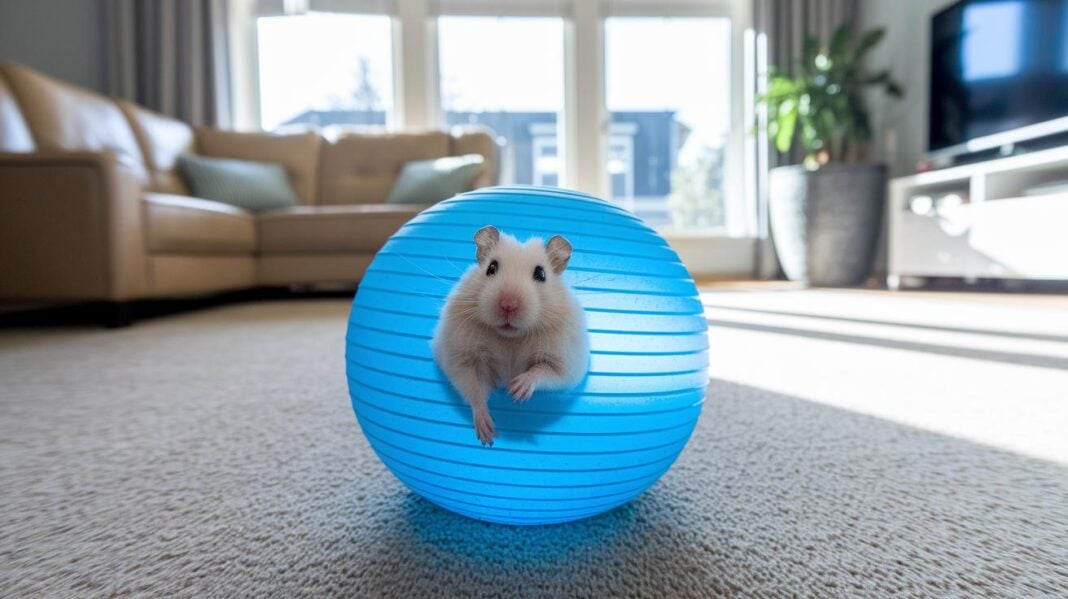
Have you ever thought playtime could be exercise for your pet? The hamster ball may be the surprising trick you need. It gives your pet a safe way to get heart exercise, build muscle strength, and burn off extra energy. Think of it like a small treadmill where rolling around helps keep your pet moving.
In this post, we share three clear benefits that show how one simple ball can change your pet's daily routine into a fun and active experience. Get ready to see why a hamster ball is more than just a quirky toy.
3 benefits of hamster ball exercise: Energize Body
Quick verdict: The hamster ball gives your pet a safe way to explore while getting a great workout. It boosts heart health, builds muscle strength and coordination, and burns off extra energy in a fun, controlled setting.
At a glance:
- Strengthens the heart like a brisk walk for you.
- Engages muscles to improve balance and coordination.
- Offers a safe outlet for pent-up energy.
Why we tested it: We wanted to see if this exercise option makes a real difference compared to the usual hamster wheel. After watching a few play sessions, we saw clear benefits that help meet your pet's natural need to move.
How it helps the heart: Running inside the ball makes your pet’s heart work harder. This steady exercise is like a mini outdoor treadmill that improves cardiovascular endurance and boosts overall energy.
Muscle and coordination benefits: The ball encourages little bursts of running and turning, which work the muscles in your pet’s legs and body. This activity, similar to a light stretching routine for people, helps keep their joints flexible and their movements coordinated.
Letting off steam: A short play session in the ball lets your pet safely release extra energy. This mix of aerobic work and muscle action not only keeps them active but also adds variety to their exercise routine, complementing the usual wheel work.
Real-world tip: Even a brief session in the ball can make a noticeable difference in your pet’s agility and mood. It’s a simple, practical way to boost their health while keeping them entertained.
Mental and Behavioral Advantages of Hamster Ball Play
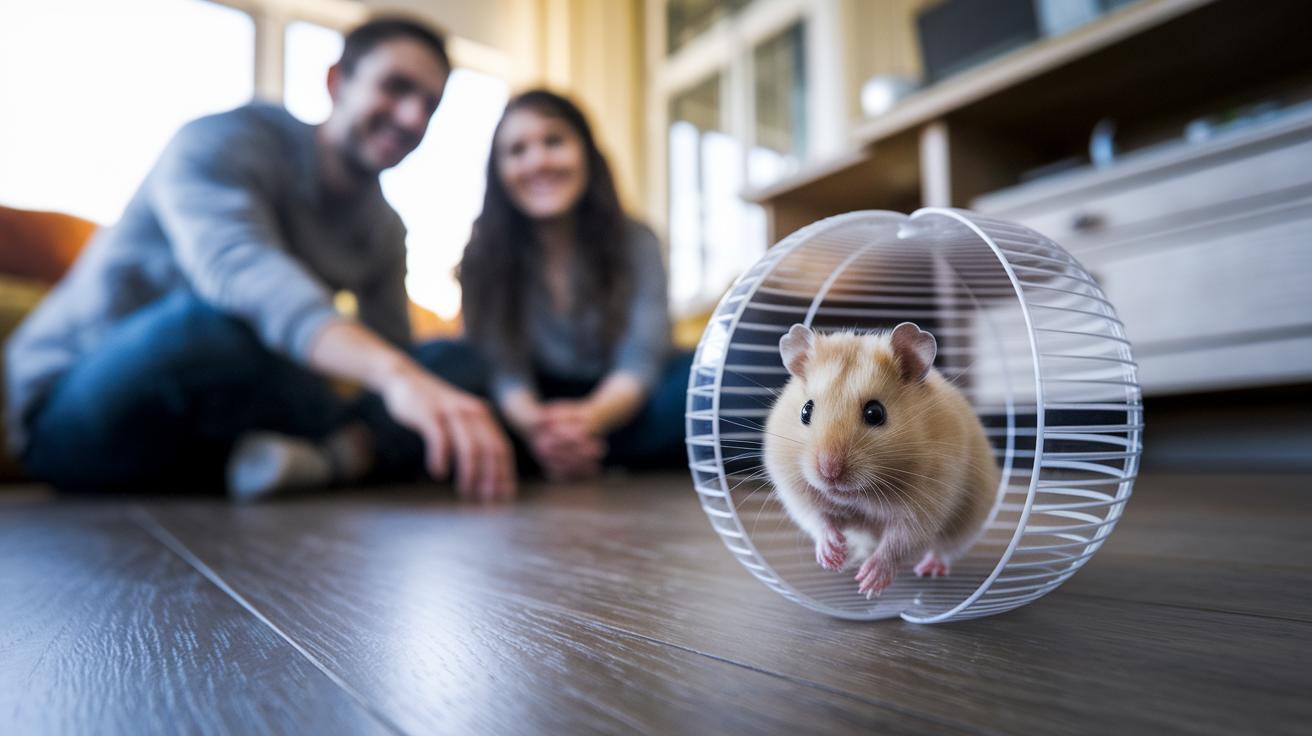
Hamster ball play is more than exercise; it lifts your pet's mood as well. When your little pet explores in the ball, every roll sparks curiosity. It works like a fun challenge where your pet figures out each twist and stop, keeping them mentally engaged as they move around.
These play sessions help ease stress and fight boredom. The ball's movement mimics natural exploration, which can calm anxiety and keep your pet active. One owner said her hamster looked happier and more alert after just a few minutes of ball play. Even a short session can give your pet a much-needed boost in energy.
A great bonus is the bond you build when you guide the ball together. This shared playtime strengthens trust between you and your pet while providing both physical exercise and mental stimulation in a safe space.
Essential Safety Guidelines for Hamster Ball Exercise
Before using a hamster ball, always check its design and features. Poor ventilation can make your pet overheat or get dehydrated because bad air flow builds up heat and ammonia. A well-built ball has lots of tiny holes (about 2 mm) that let air flow nicely.
Make sure the lid is securely fastened so it never accidentally opens. Limit play sessions to short bursts so your pet does not get too tired, and always use the ball on flat, even surfaces to keep it steady.
| Safety Aspect | Recommendation | Rationale |
|---|---|---|
| Ventilation | Use multiple ventilation holes (about 2 mm) | Keeps air moving and prevents heat and ammonia build-up |
| Lid Security | Check for a secure, locking lid | Stops accidental openings and keeps paws safe |
| Session Duration | Keep play sessions short | Avoids overexertion and overheating |
| Surface Selection | Choose flat, even surfaces | Prevents the ball from tipping over |
Keep an eye on your pet during play to make sure it stays happy and healthy.
Structuring Effective Hamster Ball Exercise Routines
Warm-Up Phase
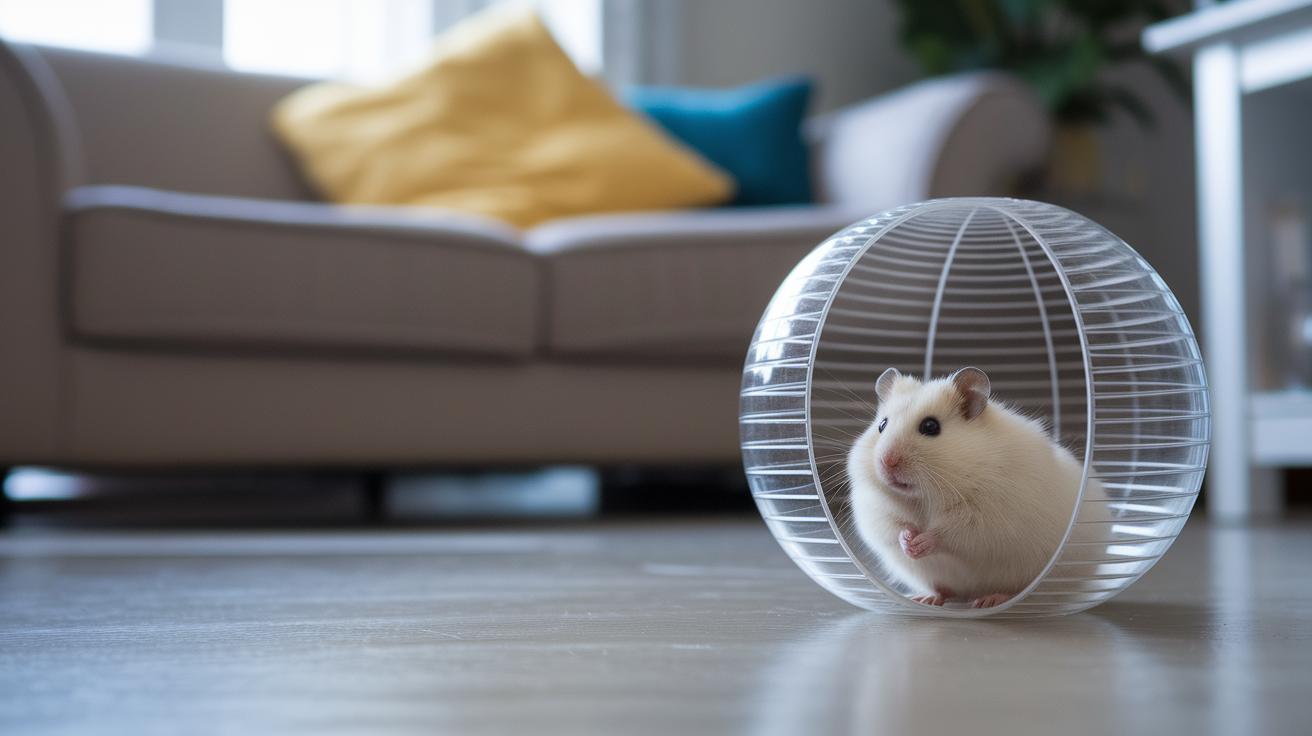
Begin by letting your hamster explore the ball for 1 to 2 minutes. This short time helps your pet get used to the new setup. Keep a close eye on signs of stress such as quick movements or hiding. If you notice these, slow things down a bit. This step is key to easing your little friend into a regular exercise routine.
Core Activity
Next, guide the ball on a flat, safe surface for 5 to 10 minutes. During this time, gently steer the ball to encourage steady movement. You can add easy obstacles if your pet seems ready. Think of it as a simple course that builds endurance and stokes your hamster's natural energy, especially during nighttime play.
Cool-Down Phase
After the exercise, return your hamster to its cage with fresh water and soft bedding. Watch for calm breathing and a relaxed posture to ensure your pet is cooling down properly. This final step helps prevent tiredness and keeps your hamster safe. Each session, planned in short bursts, helps maintain mobility and overall well-being.
Comparing Hamster Ball Exercise to Alternative Small Animal Activities
Hamster ball exercise gives your pet a fun way to explore outside its cage while getting a good workout. The ball lets your pet roam in a safe, enclosed space, which feels natural and free. Meanwhile, big solid wheels let pets run in place, and app-controlled playpens offer steady exercise but take away the outdoor adventure.
Vets often suggest a roomy setup (at least 100 x 50 cm or about 39 x 20 inches) with safe hiding spots and solid wheels for overall wellness. Many pet owners mix different methods to keep routines balanced. For example, using the ball along with interactive pet toys can boost both physical and mental play. Mixing activities helps your pet stay alert, active, and healthy.
Final Words
In the action of integrating hamster ball workouts into your pet's routine, you see clear physical fitness gains and mental stimulation. This exercise offers real benefits of hamster ball exercise, boosting cardiovascular health and mood through safe, guided play.
Your pet enjoys a balanced routine that combines free movement with safety guidelines and structured activity phases. A smart mix of exercise options leads to a happier, healthier critter, and that’s something every pet owner can cheer for.
FAQ
What benefits do hamster exercise balls offer for small pets?
The hamster ball provides a safe way for pets to explore outside their cage while boosting energy release, aerobic movement, and mental stimulation during play.
Are hamster exercise balls good for hamsters and how do they improve fitness?
Hamster exercise balls encourage natural running, helping improve endurance, muscle movement, and reducing boredom with new environments that engage a pet’s curiosity.
How long and how often should a hamster stay in an exercise ball?
The hamster should be in the ball for short, supervised sessions—about 5–10 minutes per day—to allow sufficient exercise without causing stress or exhaustion.
What alternatives can provide similar exercise benefits to hamster balls?
Alternatives include running wheels, playpens, and interactive pet toys, which offer continuous aerobic activity and safe environments without the tipping risks of a ball.
What is the typical lifespan of a hamster?
A hamster usually lives about 2 to 3 years, though lifespan can vary based on breed, care, and overall health, making proper exercise and diet essential.
Can other small pets like rabbits, guinea pigs, or cats safely use hamster balls?
Hamster balls are designed specifically for small rodents; pets such as rabbits, guinea pigs, and cats require different exercise options tailored to their size and safety needs.