
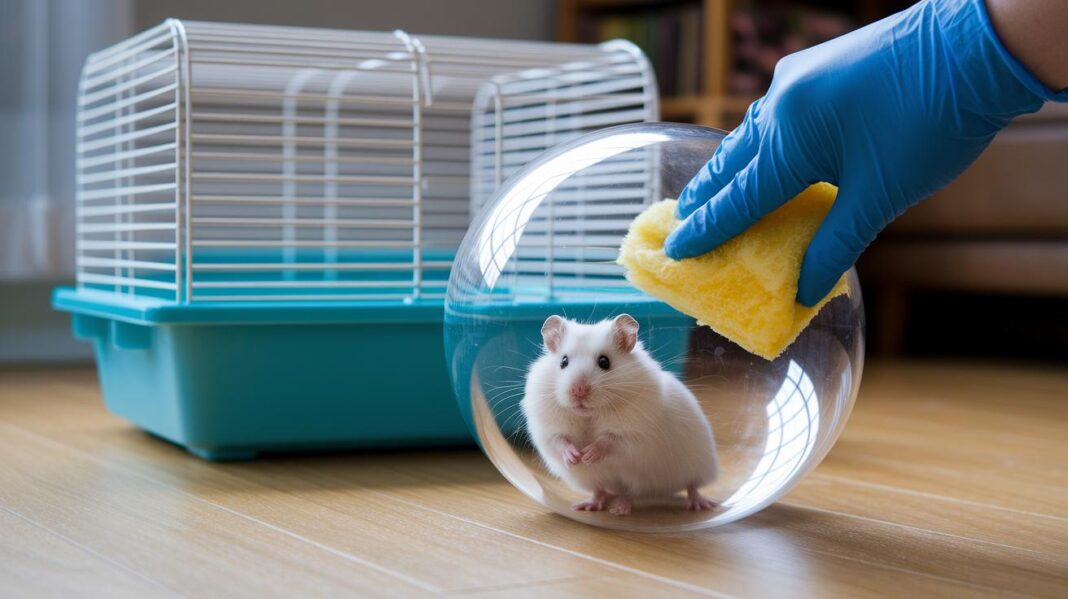
Quick verdict: Keeping your hamster ball clean is easier than you might think.
If you ever wonder whether a quick pet bath can clean the ball, you're not alone. Many owners worry it might get too messy or complicated.
We looked at three simple ways to clean the ball and keep it safe for your pet. You can try a gentle soap wash (using a mild soap that won’t harm your pet), a quick wipe down with a damp cloth, or a mix of both for a deeper clean.
Follow these easy steps and you can rest easy knowing your hamster’s favorite toy stays fresh and safe for every roll and play session.
Step-by-Step Hamster Ball Maintenance Guide
Start by twisting the center of the ball. This action splits the ball into two halves so you can easily clean it and safely get your pet out.
Next, pick one of these three cleaning methods:
- Washing with water and soap: Fill a basin with warm water and add a little non-toxic, fragrance-free dish soap. Use a soft brush to scrub all sides. Rinse well until no soap is left. Think of it like washing your favorite cup so no soap taste lingers.
- Rinsing then boiling: First, rinse the ball halves under warm water. Then, put them in a pot and boil for at least five minutes to kill any germs. Let them air-dry completely before putting them back together. It’s similar to pasteurizing baby bottles to keep them really clean.
- Quick wipe down: For a fast clean, grab a clean towel or paper napkin and wipe both the inside and outside until they look clean. It’s like giving your pet’s toy a quick wipe after playtime.
Also, limit your pet’s time in the ball to about 15-20 minutes each day. And make sure to use the ball away from furniture or uneven floors to help avoid any bumps or falls.
Disassembling & Reassembling Your Hamster Ball
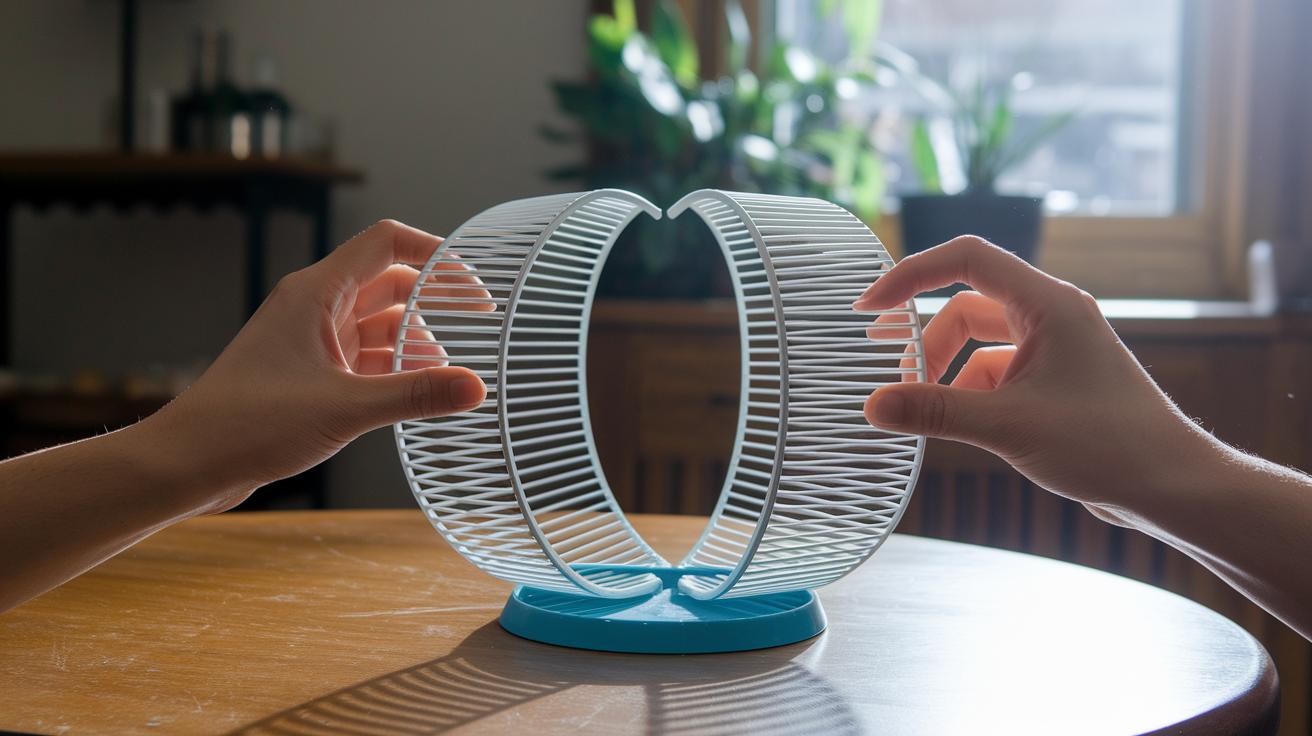
Most hamster balls use a twist-and-lock design that makes cleaning safe and simple. Start by firmly grasping the ball and twisting the center until it splits into two halves, much like unscrewing a jar lid. This steady twist opens the ball enough to let you remove your pet without any hassle.
When putting the ball back together, line up the two halves carefully. Twist the center again until you feel a firm click. That click means the ball is securely locked so that your pet stays safe while it rolls, just like snapping on a secure lid.
If you feel any extra resistance or the halves don't lock tightly, check the ball for cracks, scratches, or stress marks. These signs suggest it might be time for a replacement. Following these steps will keep your hamster ball in good shape and help ensure your pet stays safe during play.
Deep Cleaning Methods for Hamster Balls
We tested a few simple ways to keep your hamster’s ball clean and safe. Start with a soap wash by filling a basin with warm water and adding just a little mild dish soap. Use a soft brush to gently scrub every part of the ball. Rinse it well to remove all traces of soap, much like you would clean a child's favorite cup.
For a deeper clean, rinse the ball first, then place its parts in a pot filled with enough water to cover them. Heat the water until it boils and let the ball simmer for at least five minutes. This method works like pasteurizing baby bottles, making sure all the germs are gone.
If you need a quick refresh between deep cleans, simply use a clean towel or paper napkin to wipe both the inside and outside of the ball.
Ensuring Safe Hamster Ball Use & Inspecting for Damage
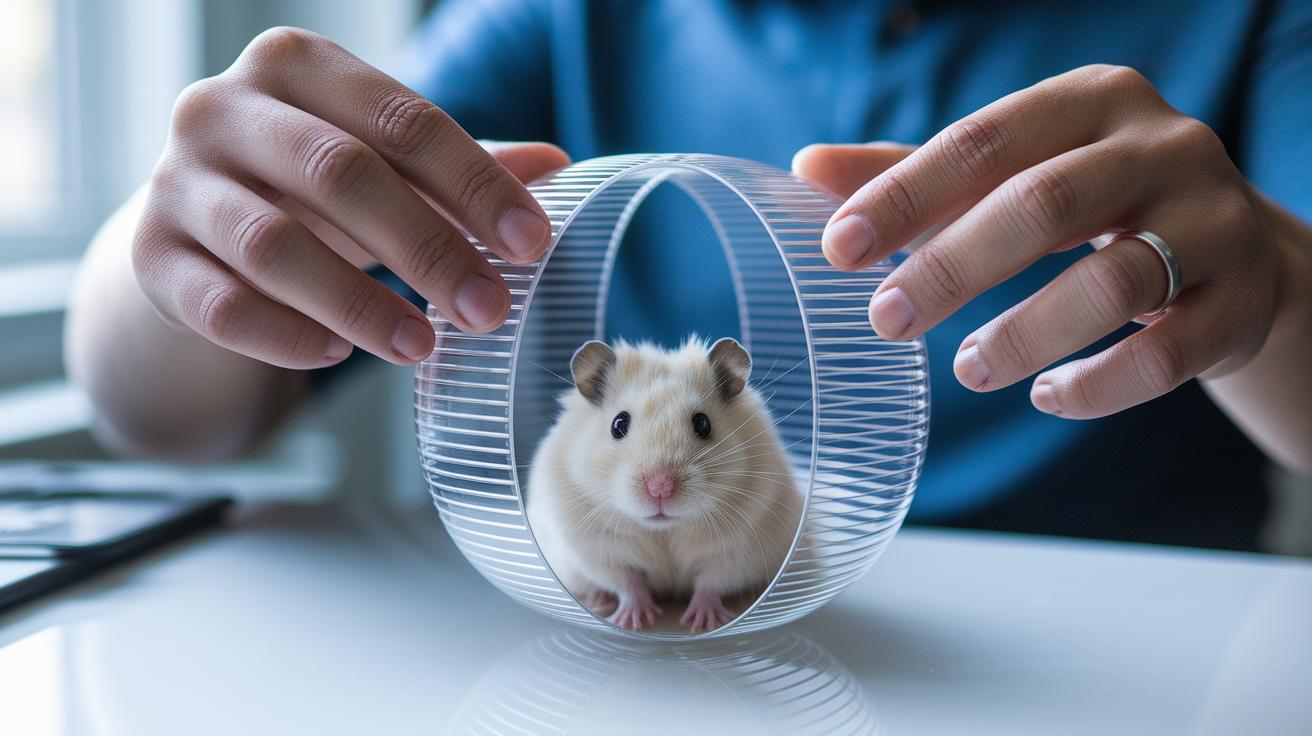
Before every play session, set the hamster ball on a flat, clear surface. Run your hand along its plastic to feel for small dents, cracks, or scratches that could hide damage.
Examine all edges, seams, and hidden corners to be sure the two halves lock tightly. A secure lock means fewer chances for your pet to squeeze through weak spots.
Make these checks part of your regular cleaning routine to help the ball last longer and keep your pet safe.
Recommended Tools, Cleaning Agents & Safety Precautions for Hamster Ball Maintenance
Mix warm water with non-toxic, fragrance-free dish soap and use a soft-bristle brush or non-abrasive sponge to give your hamster ball a gentle clean. We tested a small, gentle brush that removed dirt without scratching the surface.
Never try to bathe your hamster by putting it in the ball. Instead, fill a shallow tray with clean sand for a sand bath, which keeps your pet’s natural oils intact while letting it enjoy a safe, fun dig.
Creating a Regular Hamster Ball Maintenance Schedule
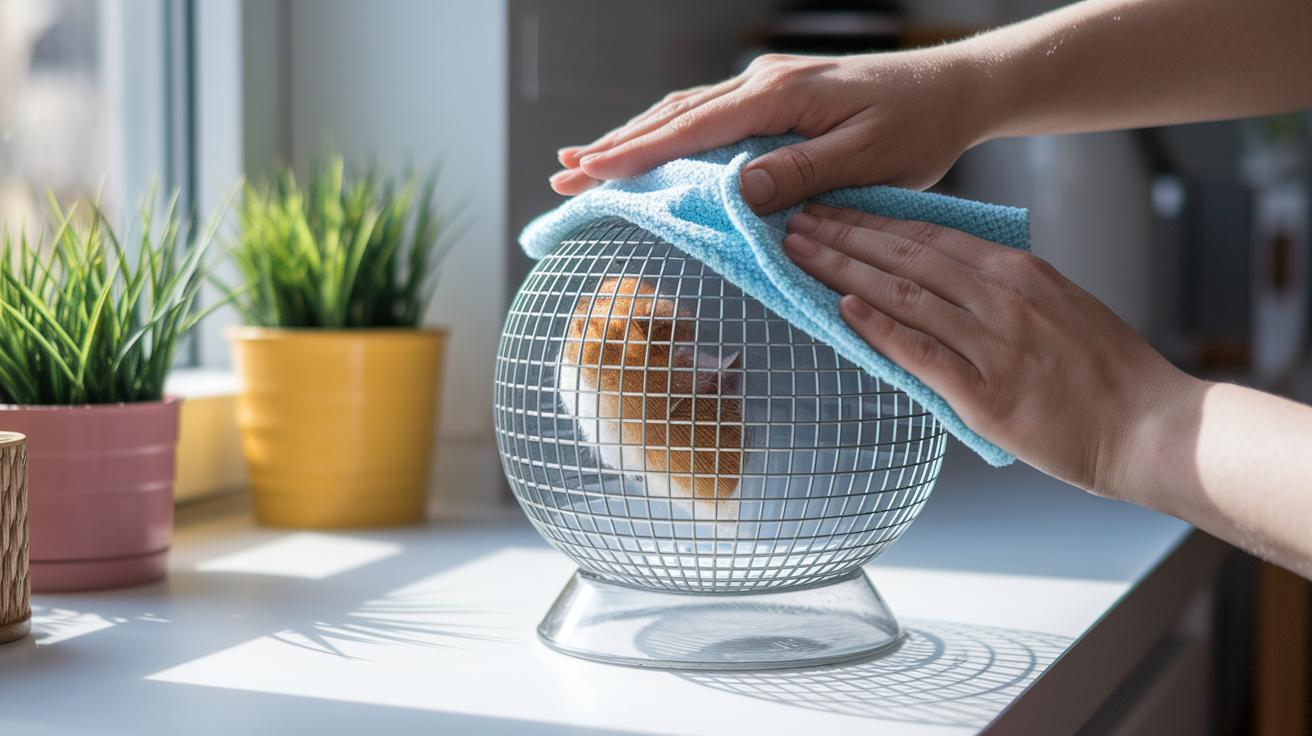
Keep your hamster ball clean with this easy schedule that fits into your daily routine. Follow these steps for a safe play space.
Every Day:
• After each play session, wipe down and disinfect the ball to remove droppings and food bits.
• Keep play time to 15–20 minutes to reduce wear. A quick wipe after fun keeps it fresh.
Each Week:
• Once a week, wash the ball using warm water and a gentle, non-toxic dish soap (without fragrance).
• Use a soft brush to scrub all surfaces and rinse well.
Every Month:
• For a deep clean, boil the ball parts for at least five minutes. This helps in thorough sanitation.
| Frequency | Action |
|---|---|
| Daily | Wipe and disinfect after play; limit play to 15–20 minutes |
| Weekly | Wash with warm water and gentle dish soap using a soft brush |
| Monthly | Boil ball parts for a minimum of five minutes for deep cleaning |
Final Words
In the action, we broke down the steps to care for your pet’s exercise toy. We covered disassembling, cleaning methods using soap, boiling, or wiping, and safety tips to prevent stress or injury. Following our hamster ball maintenance guide keeps your pet’s toy clean and secure. Regular checks and a simple routine ensure longevity and safety. With clear instructions and practical methods, you can feel confident in keeping your pet’s playtime safe and enjoyable. Here's to many more happy and healthy adventures with your little friend!
FAQ
What is the recommended size for a Syrian hamster ball?
The recommended size for a Syrian hamster ball is generally around 10 to 12 inches in diameter, giving your pet enough room to move safely and comfortably.
What are some alternatives to using a hamster ball?
Alternatives to a hamster ball include secure tunnels or enclosed play areas that let your pet exercise while reducing the risks linked to collisions.
What is the Hamster Ball PetSmart?
The Hamster Ball PetSmart is a product sold at PetSmart stores, designed with safe, durable materials for your pet’s exercise and play needs.
How long should a hamster stay in a ball?
Hamsters should use their ball for about 15 to 20 minutes daily to prevent dehydration and reduce stress during play.
What is the most common cause of death in hamsters?
Hamsters often face health risks from poor care, excessive stress, and injuries from falls or collisions, which are among the common causes of death.
Can WD-40 be used on a hamster wheel?
Using WD-40 on a hamster wheel is unadvised because its chemicals can be harmful if they come into contact with your pet or are ingested.
Are hamster balls stressful for hamsters?
Hamster balls can be stressful if used too long or on unsafe surfaces, so keeping sessions short and ensuring smooth terrain helps reduce potential stress.


hello world
hello world
acular ketorolac ophthalmic guide
acular ketorolac ophthalmic guide
ivermectin strongyloides research overview
ivermectin strongyloides research overview
ivermectin safety review
ivermectin safety review
avanafil dietary effect profile
avanafil dietary effect profile
avanafil molecular mechanism
avanafil molecular mechanism
orlistat food behavior
orlistat food behavior
augmentin vs amoxicillin side effects
augmentin vs amoxicillin side effects
amoxicillin interaction details
amoxicillin interaction details
PK/PD Overview
PK/PD Overview
Sildenafil vs Cialis Duration Insights Hub
Sildenafil vs Cialis Duration Insights Hub
sildenafil-tadalafil comparison
sildenafil-tadalafil comparison