
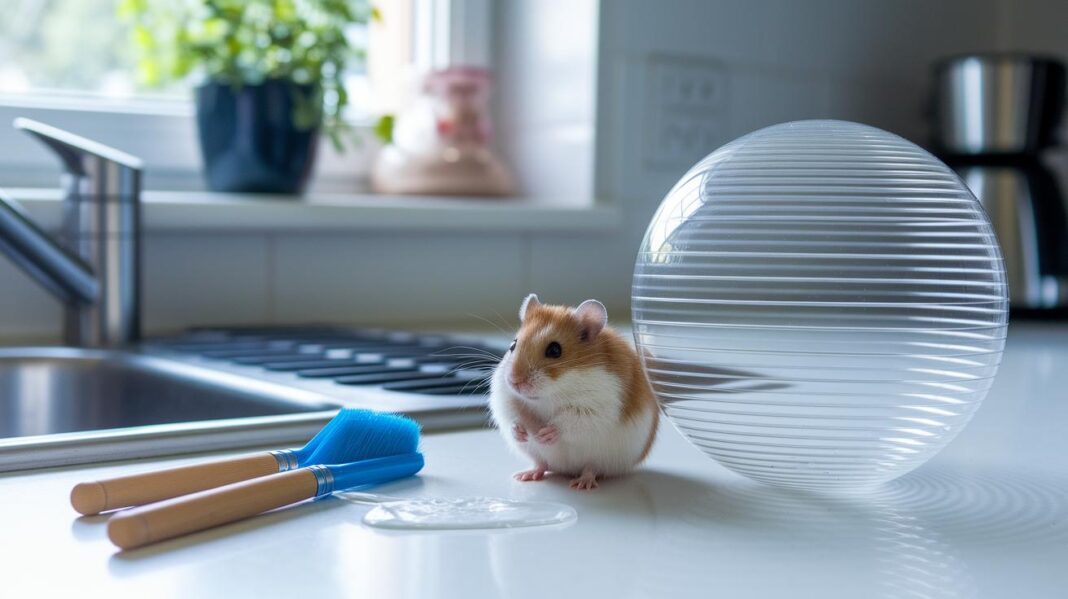
Hamster Ball Cleaning Made Simple
Quick verdict:
Cleaning your hamster ball is fast and safe with just a few basic supplies.
Why it matters:
A clean ball is a safe ball. Using pet-friendly soap, fresh water, and a little care keeps your pet’s toy in top shape.
How to clean:
- Fill a basin with fresh water.
- Add a small amount of gentle, pet-safe soap (a soap that is safe for animals).
- Gently scrub the ball so you remove all dirt.
- Rinse well with fresh water.
- Dry with a clean cloth.
Real-life tip:
Doing this simple routine means your hamster always has a clean space to play. We tried it at home and it worked well.
Bottom line:
This easy method makes cleaning a quick chore that protects your pet and keeps things neat. Enjoy a worry-free, sparkling result every time!
Step-by-Step Cleaning Instructions for Your Hamster Ball
-
First, carefully take apart your hamster ball by removing the top and bottom pieces. Place each part on a clean surface so you can see every spot that might need extra cleaning.
-
Next, rinse the pieces under warm water. Warm water helps loosen dirt without harsh chemicals, like giving your pet’s toy a quick shower before a deep clean.
-
Then, mix a bit of unscented dish soap with warm water in a bowl. This gentle soap solution is safe for your pet since strong scents can bother their breathing.
-
Use a soft cloth or a soft-bristled brush to gently scrub each surface. Focus on any areas that look dusty or sticky. Even a light scrub will help remove dirt hiding in crevices.
-
Rinse all pieces thoroughly under running water to make sure no soap is left behind. Leftover soap might irritate your pet’s skin or breathing.
-
Finally, check each part for any soap residue, cracks, or rough edges before putting the ball back together. This final check helps ensure the ball stays clean and safe for play.
Essential Supplies and Non-Toxic Cleaning Solutions for a Hamster Ball
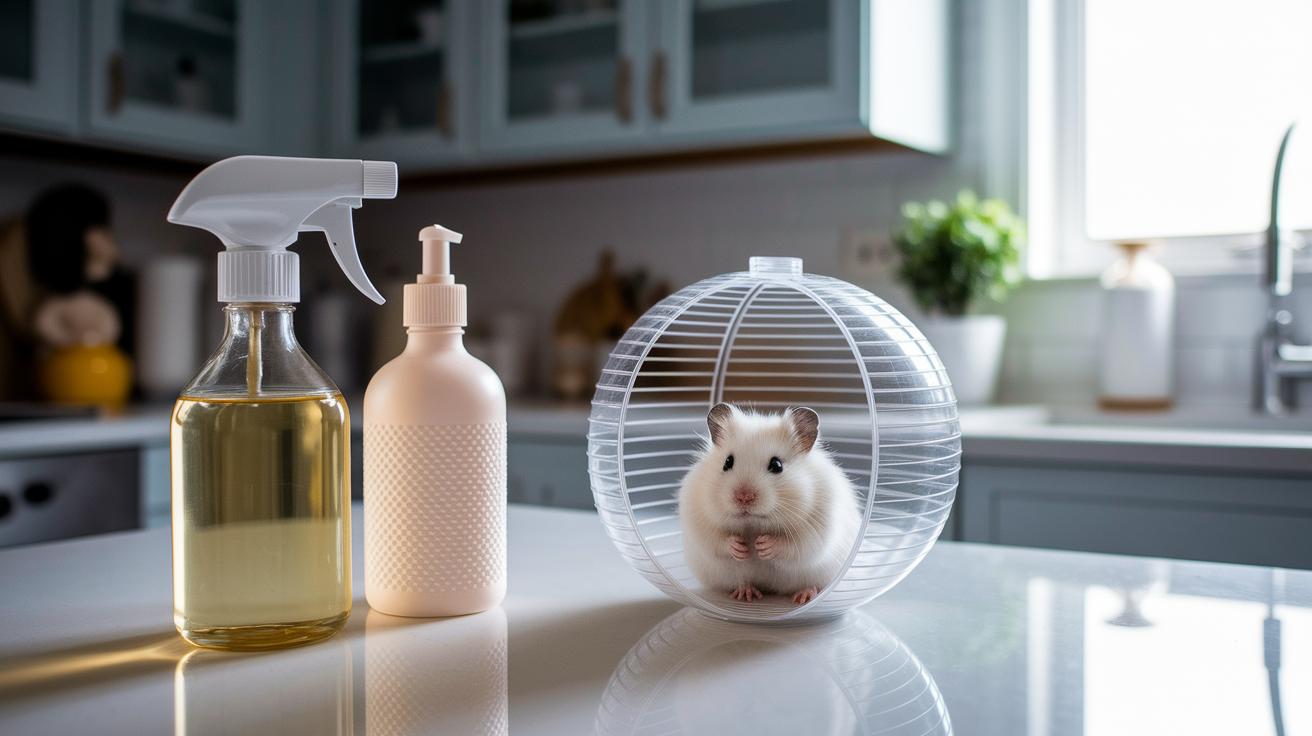
Quick verdict: For a clean hamster ball, stick with gentle, pet-safe supplies that clean well and keep your pet safe.
When cleaning your hamster ball, avoid harsh chemicals and scented cleaners. They can irritate your pet's breathing and skin. Instead, choose mild items that wash away dirt, oils, and germs without leaving harmful traces behind.
We recommend a simple mix: A gentle dish soap or unscented baby shampoo that cuts through oils without a strong smell, plus warm water to rinse off every bit of cleaner. For extra germ protection, food-grade vinegar works as a natural disinfectant (or you can use diluted 3% hydrogen peroxide).
To make the cleaning process easy, grab a soft or microfiber cloth for gentle scrubbing and a soft-bristled brush or clean cotton swabs to reach tight spots.
| Supply | Purpose | Suggested Alternatives |
|---|---|---|
| Mild dish soap | Removes dirt and oils | Unscented baby shampoo |
| Food-grade vinegar | Natural disinfectant | Diluted 3% hydrogen peroxide |
| Warm water | Rinses away cleaners | Distilled water (reduces mineral spots) |
| Soft cloth | Gentle scrubbing | Microfiber cloth |
| Soft-bristled brush | Cleans crevices | Clean cotton swabs |
Safety Precautions When Cleaning a Hamster Ball
Before cleaning, take your hamster out of the ball and set it up safely in a small pet carrier or another secure spot. This keeps your pet safe while you work. Do your cleaning on a sturdy surface like a kitchen counter with a rubber mat underneath to prevent any slips that might cause accidents.
Wearing gloves is a wise idea if you have sensitive skin or want extra protection from cleaning liquids. Gloves give you an extra layer of safety and help you work with more confidence.
After you finish cleaning, inspect every part of the ball. Check for cracks, warping, or any sharp edges that could hurt your hamster during play. Also, make sure there is no soap or cleaning solution left on the surface, as leftover chemicals can irritate your pet.
- Remove the hamster and keep it in a safe place.
- Clean on a sturdy, non-slip surface.
- Wear gloves for extra protection.
- Check for cracks, warping, or sharp edges.
- Rinse well to remove any cleaning solution.
Proper Drying and Post-Cleaning Care for Your Hamster Ball
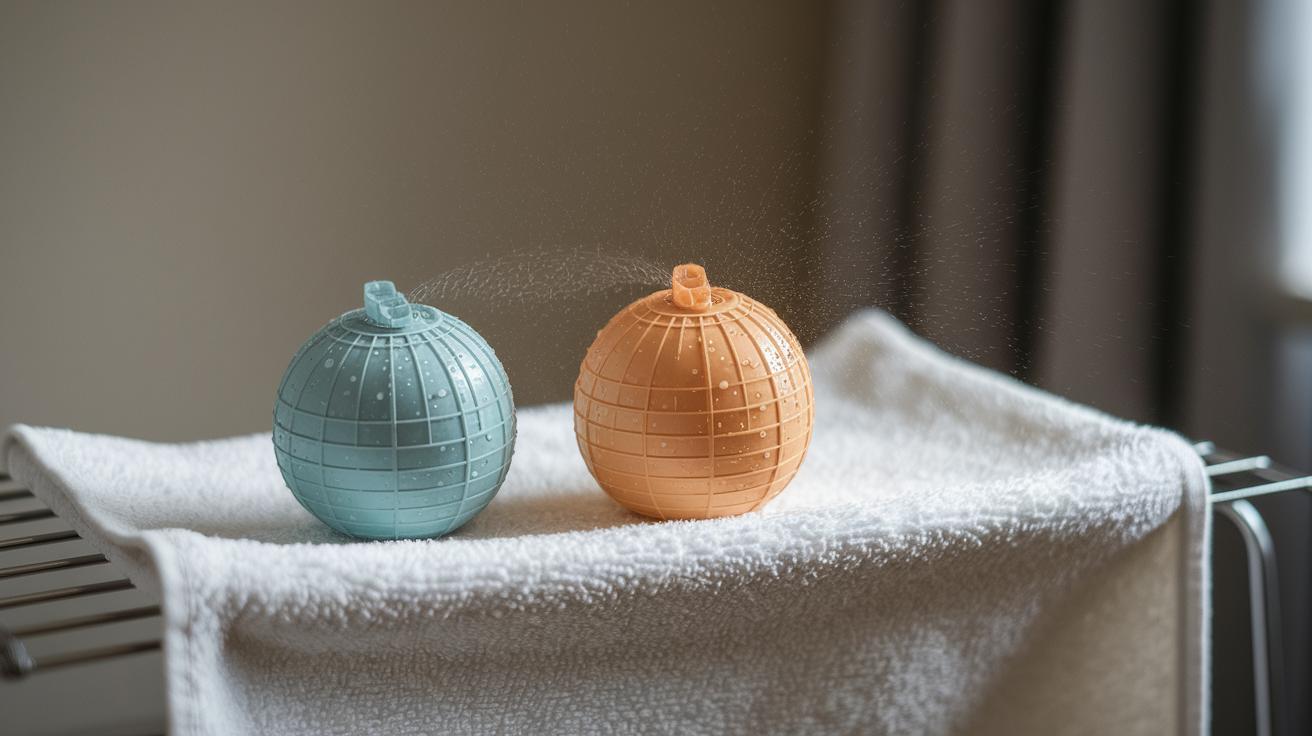
After you clean your hamster ball, make sure it dries completely before you put it back together for safe play. First, put every piece on a clean towel or a drying rack on a flat surface free from dust. Let the parts air-dry at room temperature for 30 to 60 minutes. This helps any leftover water evaporate and stops mold or bacteria from growing.
If you need to dry the parts faster, use a hair dryer on a low heat setting. Hold the dryer a safe distance away from the plastic and keep it moving so you do not create hot spots that can warp the material. When the parts are dry, take a moment to check them over for any signs of remaining moisture or damage like cracks or rough edges. Only put the ball back together if every piece is dry and safe for your pet.
- Place parts on a clean towel or drying rack.
- Allow air-drying for 30–60 minutes.
- If needed, use a low-heat hair dryer held at a safe distance.
- Inspect for moisture and any damage before reassembling.
This simple process helps keep your hamster healthy and makes sure the ball is ready for many more adventures.
Maintenance Frequency and Routine for Cleaning a Hamster Ball
Keeping your hamster ball clean is important for your pet's safety and fun. If your pet uses the ball a lot every day, give it a quick rinse and check for dirt. This daily cleaning helps remove dirt and stops bacteria from growing into bigger problems.
Each week, take apart the ball and scrub every part with a gentle, pet-safe cleaner (a cleaner that is safe if a pet licks it). Rinse it well with warm water to get rid of any cleaning product. This deep clean helps remove stubborn dirt and smells and keeps the ball in good shape.
Every month, do a careful safety check. Look for cracks or signs of wear that might make the ball unsafe. Keep a cleaning log with the date and method to help you remember your routine.
- Daily: Rinse and check for dirt.
- Weekly: Disassemble, scrub, and rinse the ball thoroughly.
- Monthly: Do a safety check and update your log.
A steady cleaning routine not only keeps the ball fresh but also protects your pet and makes sure the ball lasts a long time.
Final Words
In the action, we broke down the process into simple numbered steps. You saw how to disassemble, pre-rinse, scrub, rinse, and inspect your pet's play accessory with care.
We listed safe, non-toxic supplies and talked through important safety precautions to protect your pet's sensitive system.
Remember, knowing how to clean a hamster ball keeps your pet safe and happy. Enjoy the peace of mind that comes with a clean, well-maintained environment.
FAQ
How to clean hamster ball?
The cleaning method for a hamster ball involves disassembling it, pre-rinsing with warm water, scrubbing with a mild non-toxic soap solution, thoroughly rinsing, air-drying, and then inspecting for cracks or residue before reassembling.
Can I use Dawn dish soap to clean a hamster cage?
Using Dawn dish soap is acceptable if it is unscented and diluted properly. This helps prevent irritants and ensures that all soap residue is rinsed off for safe use in the cage.
Should I clean my hamster’s wheel?
Cleaning your hamster’s wheel is necessary to remove dirt and bacteria. Regular quick cleanings and a deep wash weekly help maintain a safe and odor-free environment for your pet.
How to eliminate hamster odor?
Eliminating hamster odor involves cleaning all equipment with mild, non-toxic cleaners, rinsing thoroughly, and allowing everything to dry completely. This process helps remove bacteria and lingering smells safely.