
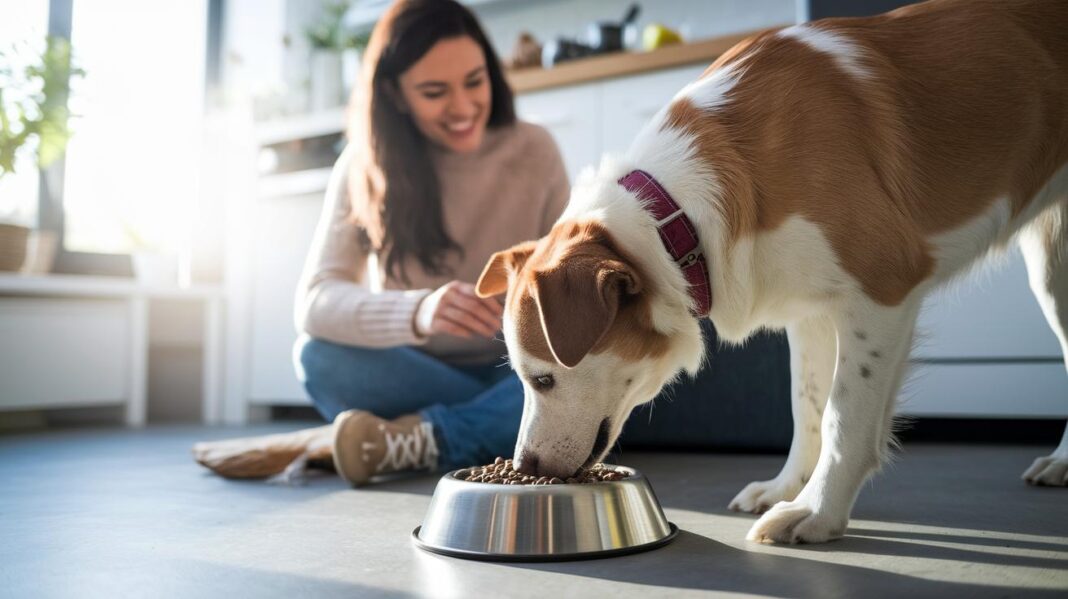
Quick tip: A gradual 7- to 10-day transition is key when you switch your pet to dry kibble.
Switching too fast can upset a small tummy.
Just like easing into cool water on a hot day, slowly mix the new kibble with your pet’s current food.
This simple mix method helps your pet get used to the change without any tummy troubles.
Follow our easy steps to make the switch smooth and keep your pet feeling comfortable.
Immediate Steps to Begin the Dry Kibble Transition
Switching your pet’s food slowly over 7 to 10 days helps their tummy adjust without upset. Taking time to mix in the new dry kibble gradually makes the change easier on your pet's digestive system and helps them get used to the different texture and taste.
• Day 1: Mix 25% dry kibble with 75% of your pet's current food. For example, if you normally serve one cup, mix in 1/4 cup of dry kibble with 3/4 cup of the old food.
• Day 2: Increase the dry kibble portion by about 15%. That means your mix will have roughly 40% dry kibble and 60% of the old food.
• Day 3: Try to reach a closer balance. Aim for a 50/50 mix by adding a little more dry kibble than before.
• Day 4: Keep shifting the mix so you end up with about 65% dry kibble and 35% of the current food. This helps your pet adjust without any stress.
• Day 5: If all goes well, finish the shift by reaching around 75-85% dry kibble. If you notice signs like loose stool or discomfort, slow down the process and adjust more gradually.
This careful mix helps keep your pet’s appetite steady and their stomach happy. Taking it slow gives your furry friend time to get used to the new food, reducing the chance of tummy troubles and making the switch feel natural.
Structured Mixing Ratios and Timeline for Dry Kibble Transition
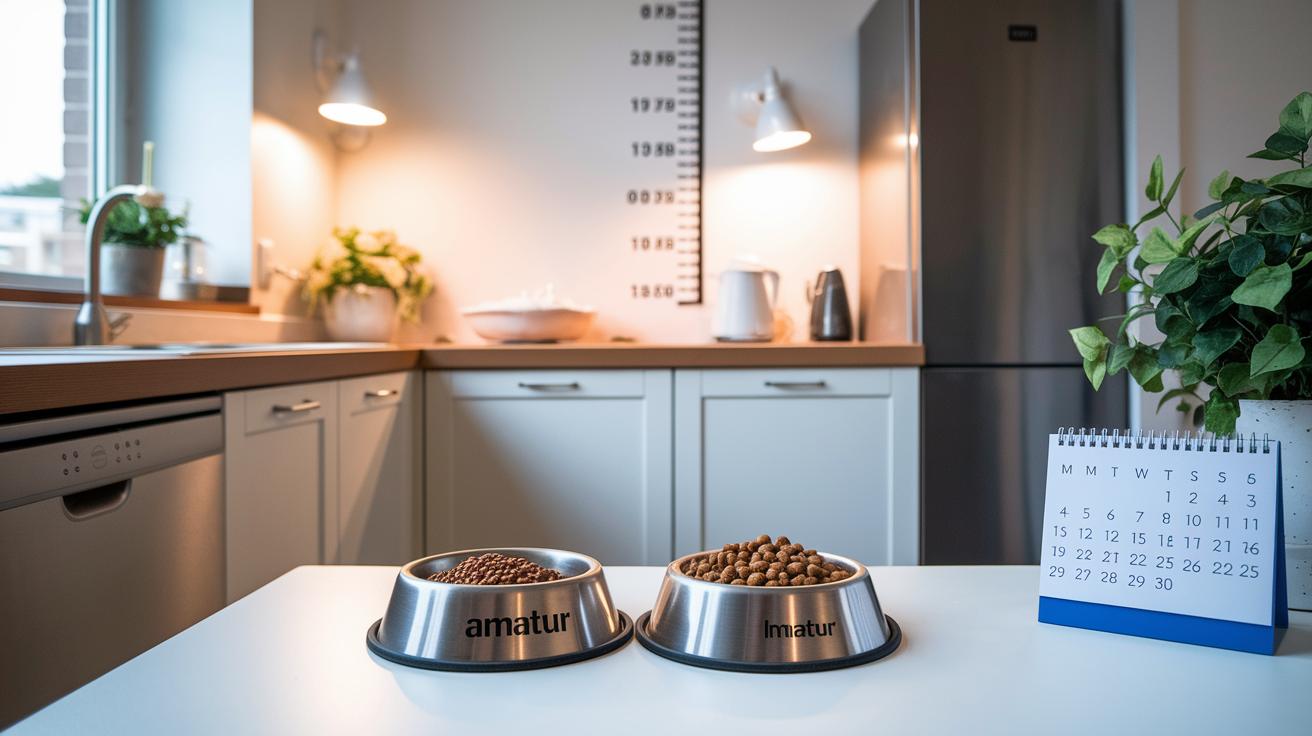
Switch your pet’s food gradually over 7 to 10 days using the guide below. Start with mostly the old food and a bit of dry kibble, then slowly shift the balance. This step-by-step method helps your pet adjust smoothly to the new diet.
| Day Range | Old Food % | Dry Kibble % |
|---|---|---|
| Day 1-2 | 75% | 25% |
| Day 3-5 | 50% | 50% |
| Day 6-7 | 25% | 75% |
| Day 8-10 | 0% | 100% |
If you notice loose stool or signs of discomfort, extend the timeline. Adjust the mix in smaller steps until your pet is comfortable with the change.
Monitoring Digestive Health During the Dry Kibble Switch
Watch your pet closely when you start mixing in the new dry kibble. Look for any signs of upset, like loose stool, diarrhea, or vomiting. These can be clues that your pet's stomach is having a hard time with the change. If you see these signs, slow down how fast you switch their food.
If your pet shows these discomfort signs, try stretching the transition to 14–20 days. This pace gives them more time to adjust to the new diet gently. Pets on high-fat diets or those with known sensitivities may need an even slower change to help avoid any stomach troubles.
If moderate issues stick around, pause the change and watch your pet’s behavior carefully. And if the symptoms are severe or don’t go away, it's a good idea to talk with your vet. Keeping a close eye and adjusting the process to suit your pet’s needs helps keep their tummy steady and the switch stress-free.
Palatability and Texture Variation for Kibble Acceptance
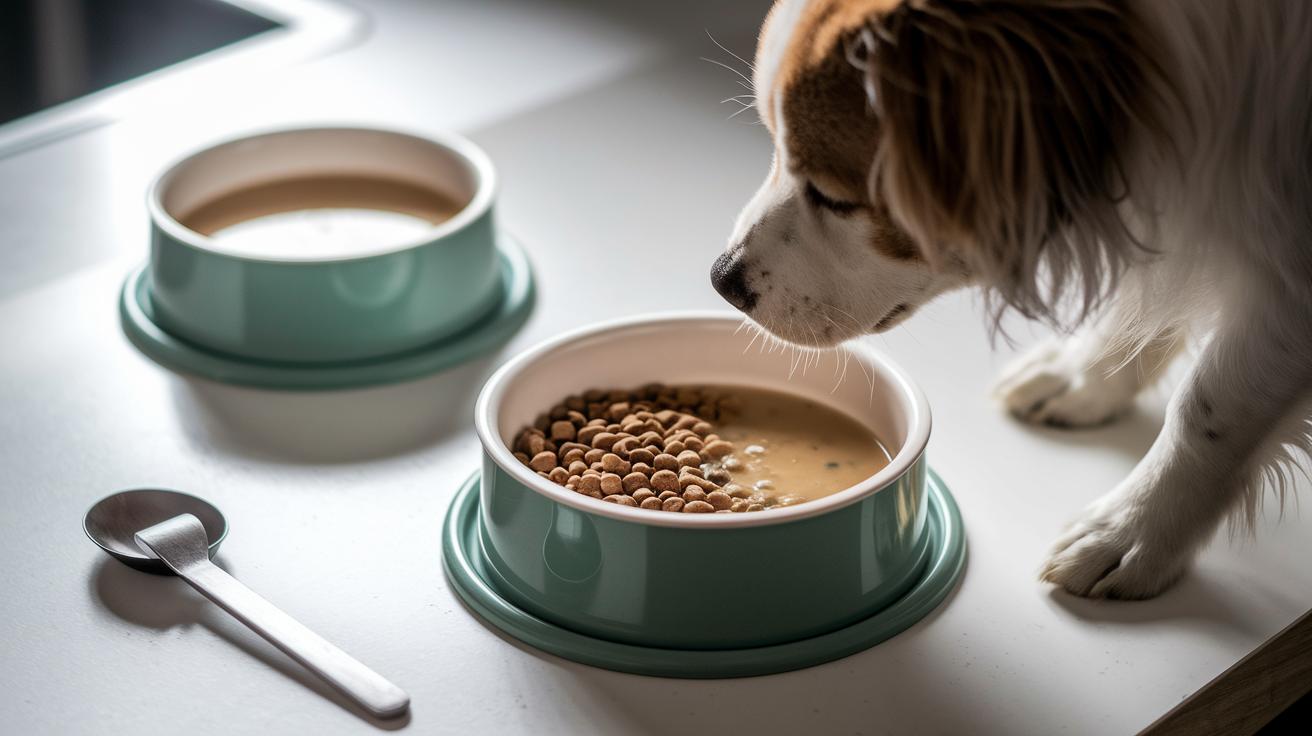
A little warm water or low-sodium broth can change dry kibble into a meal your pet loves. The warm liquid softens the pieces and releases a tasty smell that many pets find hard to resist. Try mixing a few tablespoons of warm broth into a small bowl of kibble. It's like steeping a teabag in hot water to bring out richer flavor. This also helps older dogs or pets with sensitive teeth chew more easily.
You can also add a bit of leftover wet food or a pet-safe topper to keep things interesting. A spoonful of wet food, a sprinkle of dried herbs, or a light dusting of a favorite treat can do the trick. The crunchy texture not only boosts flavor but also helps clean their teeth by reducing plaque as they chew. These small tweaks make mealtime more enjoyable and appealing for your pet.
Troubleshooting Common Kibble Transition Challenges
Refusal to Eat
Sometimes pets won't touch their new food. Try serving the old food and new dry kibble in separate bowls so they can pick what they like. Adding one or two spoonfuls of low-sodium broth or warming the kibble helps bring out its smell. Think of it like warming soup on a chilly day; the warmth makes it more inviting. This approach works well when your pet is picky about texture or temperature.
Diarrhea or Vomiting
If your pet shows signs of tummy trouble, such as diarrhea or vomiting, slow down the transition. Stretch the change out over 14 to 20 days by increasing the new kibble by only 5-10% each day. This gradual shift gives their stomach time to adjust. A slow change helps prevent a sudden upset and keeps their digestion smoother.
Sensitive-Stomach Strategies
For pets with sensitive stomachs, try using a limited-ingredient kibble or adding a probiotic (a supplement that helps gut health). Check with your vet for a formula that meets their specific needs. These tips keep the diet switch gentle and help maintain a balanced meal for your furry friend.
Selecting High-Quality Dry Kibble for Nutrient Balance
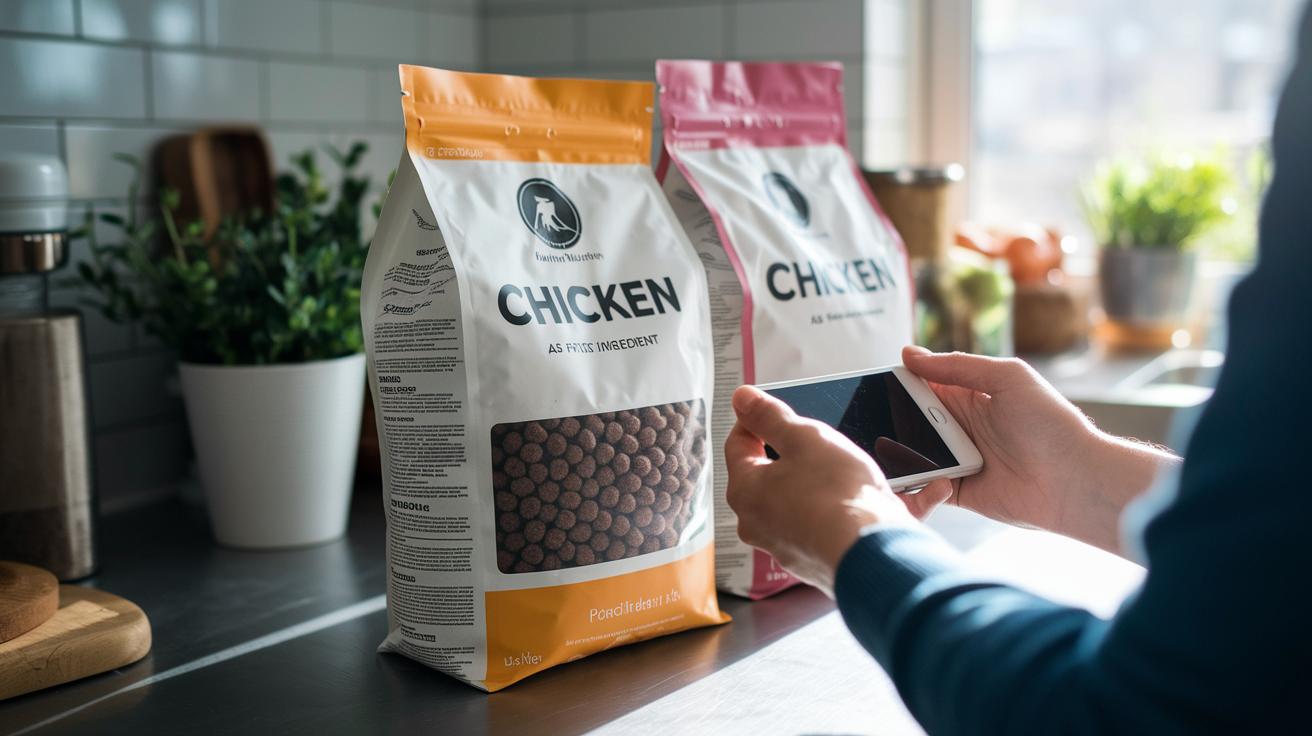
When you shop, check that the label lists a named animal protein like chicken, beef, or salmon as the first ingredient. This means the food is designed to give your pet quality nourishment without fillers that cut down on dietary value. Dry kibble is popular for its simple storage, long shelf life, and lower cost per meal.
Next, look at the macronutrient details on the package. A good kibble usually has 10-15% fat (which gives balanced energy) and 3-5% fiber (which helps with digestion). A crunchy texture is a real plus because it helps clean your pet’s teeth by controlling plaque buildup. Also, check for an AAFCO nutrient adequacy statement. That confirms the food meets essential dietary needs.
In our tests, brands that list named proteins and hit these nutrient marks have impressed many pet owners. The crunchy texture not only promotes dental health, it also provides a balanced meal without extra additives. By watching both the ingredient list and nutrient levels, you can easily pick a dry kibble that supports your pet’s well-being every day.
Final Words
In the action, the article walked through a clear, step-by-step process for switching your pet’s food in 7–10 days. We broke down starting ratios, monitoring digestive health, and boosting kibble appeal to make the change smooth and safe.
The guide not only helps you see simple steps but also shows practical tips on how to transition your pet to dry kibble. Enjoy the process knowing you’re giving your pet a healthy, gradual switch to dry food.
FAQ
How do I transition your pet to dry kibble?
Transitioning your pet to dry kibble means mixing it with the current food over 7–10 days. Begin with a mix like 25% dry kibble and 75% current food and gradually increase the kibble portion.
What are changing dog food too quickly symptoms?
Changing dog food too quickly typically shows symptoms like loose stool, diarrhea, or vomiting. Slower transitions can help avoid these digestive upsets and keep your pet comfortable.
How can a dog food transition calculator help?
A dog food transition calculator helps track daily mixing ratios based on gradual increments, allowing you to switch feeds with clear percentage increases to support your pet’s digestive stability.
Can switching dog food without mixing cause issues?
Switching dog food without mixing can cause digestive upset by shocking your pet’s system. Gradually mixing new and old food is recommended for a smoother dietary change.
Can changing dog food kill a dog?
Changing dog food rarely leads to fatal issues. However, abrupt or extreme changes might trigger severe digestive reactions in pets with sensitive stomachs, so always use a gradual transition method.
How do I switch dog food without diarrhea?
Switching dog food without diarrhea involves a slow change, increasing the dry kibble over several days. This gradual approach minimizes stress on your pet’s stomach and reduces the chance of diarrhea.
How often should you change dog food?
How often to change dog food depends on your pet’s needs. Most dogs do fine on a consistent diet unless health issues arise, but dietary changes might be needed yearly or with significant health changes.
What is the 90–10 rule for dogs?
The 90–10 rule for dogs means using 90% of a balanced base diet and 10% of additions like toppers or treats to enhance flavor and nutrition, keeping overall diet balance in check.
How long does it take for a dog to adjust to new dry food?
Adjusting to new dry food typically takes a dog 7–10 days. However, dogs with sensitive stomachs may need a slower, more gradual transition for comfort and continued appetite.
What is the best diet for a dog with Addison’s disease?
The best diet for a dog with Addison’s disease is one that is balanced with moderate fat, high-quality protein, and low sodium. It’s best to work with your vet for a diet that suits your pet’s specific needs.
Do dogs live longer on kibble or homemade food?
Dogs can live long either on kibble or homemade food if the diet is nutritionally balanced and suited to their health needs. Consult your vet to decide which option works best for your dog.