
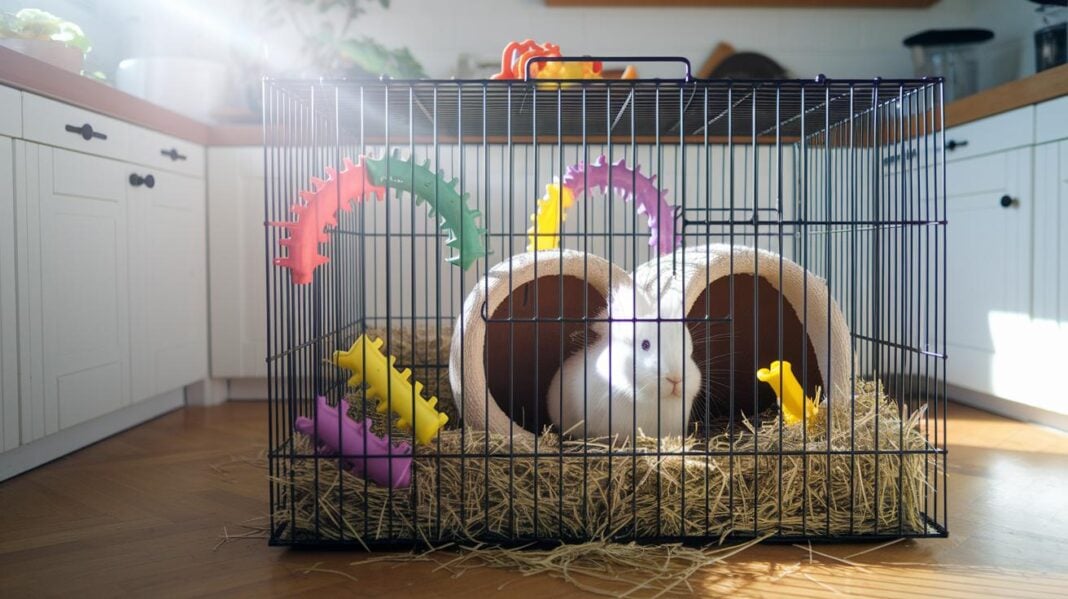
Ever wondered if your bunny could have a home built by you? DIY rabbit cages let you turn any small space into a fun, safe retreat.
You can repurpose dog exercise pens or transform extra rooms into comfy spots. These ideas mix smart planning with a creative touch.
We tested a few layouts to ensure your bunny has plenty of room to hop, explore, and relax. Read on for simple, flexible solutions that keep your furry friend active and secure.
Versatile Rabbit Cage Ideas for Indoor and Outdoor Spaces
Quick verdict: If you want a safe and fun home for your rabbit, go with options that offer flexibility, easy cleaning, and plenty of room to play.
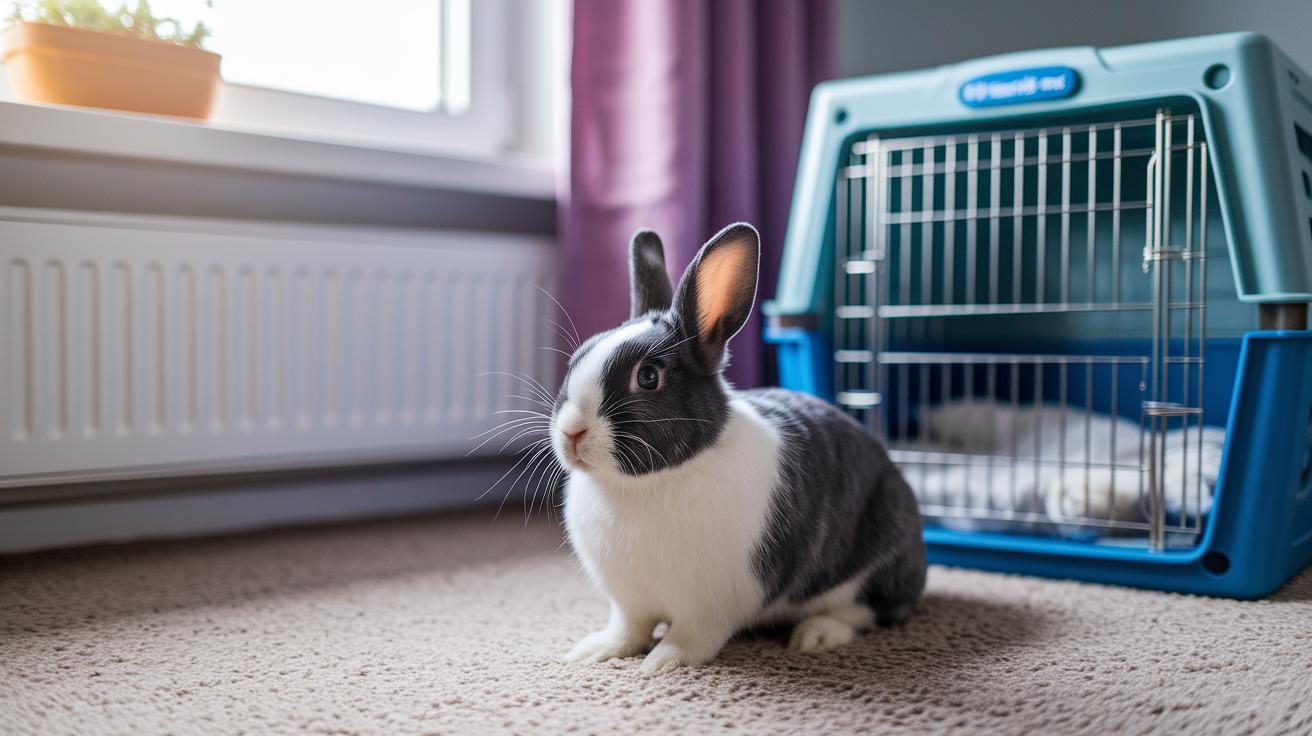
When choosing a cage, try using pet exercise pens made for dogs. These large, adjustable areas give your bunny plenty of space to explore and are simple to clean. For indoor setups, think about turning a spare room into a cozy enclosure. For example, a big dog crate with wide doors and a removable tray can work like a safe little "bedroom" where your rabbit can relax and stretch.
Wire cages are another smart choice. A common size is 30 x 30 x 30 inches, which fits most rabbits well. If you have a doe or young bunnies, a larger size like 36 x 30 x 30 inches gives extra room to move. Wire holds up better against germs than wooden hutches, and you can treat it with a torch to kill mites (tiny bugs that can make your pet sick). These cages allow you to clearly set aside areas for resting, playing, and feeding.
Key benefits include:
- A secure space that lets your rabbit play and rest safely.
- Surfaces that are easy to clean, no matter if you choose a pet pen, crate, or wire cage.
- Clear size ideas to help prevent overcrowding and give your bunny room to move.
Fun fact: Rabbits in a spacious and thoughtfully designed cage tend to show more natural behaviors than those kept in small hutches. Whether your setup is indoors or outdoors, a well-planned space helps meet your bunny’s basic needs while keeping things fun.
Creative Indoor Rabbit Cage Ideas and Enclosure Layouts
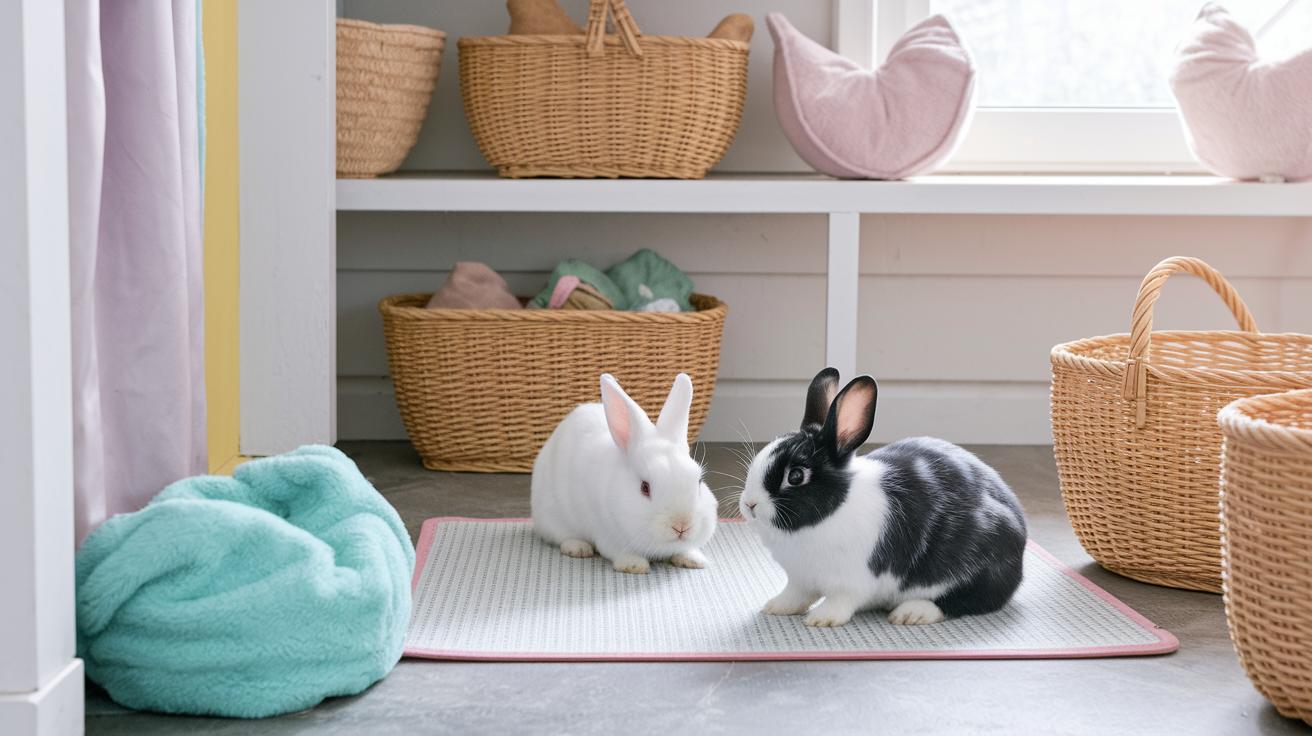
Turn that unused laundry room, closet, or guest room into a safe, attractive space for your bunny. Remove doors, lay down non-slip mats, and add shelves and storage cubes to keep the area neat. Create separate zones: a cozy corner for sleeping, a clear area for feeding, and a spot just for the litter. A neat idea is to include a hide box that acts as both a chew toy and protection for your bunny’s feet from rough floors.
Try setting up a multi-level space to use the room’s height. This design gives your bunny extra room to play and a comfy place to look out over its home. Soft, pastel tones and simple decorations can make the area feel both practical and inviting.
Consider these ideas for your indoor bunny enclosure:
- Remove doors and add safe non-slip mats to boost security.
- Designate clear zones for sleeping, feeding, and litter to stay organized.
- Use multi-level layouts to add exercise space and good viewpoints.
It may surprise you that even a small change, like taking off a closet door, can turn a cramped space into a delightful bunny retreat. With these tips, every corner becomes both functional and stylish for your furry friend.
DIY Rabbit Cage Habitat Plans: Step-by-Step

This guide shows you how to build a safe, homemade home for your rabbit. It breaks down each step and tells you the tools and materials you need for a secure setup.
-
First, pick a flat area to pour a cement slab. A level, solid base helps keep your build sturdy.
-
Gather your supplies: cement mix, simple wood for framing, wire panels for the sides, and tools like a saw, drill, and measuring tape. If you plan to add air conditioning later, grab a window unit.
-
Build a three-sided shelter by framing the wood against a wall on your cement slab. Think of it like setting up a small fort that gives your bunny a cozy corner to explore.
-
Secure wire panels to the three open sides. Wire cages make cleaning easier and hold up longer than wood. Fasten them with screws or metal fasteners, making sure the panels are tight enough to keep your bunny safely inside.
-
Install a water system. You can mount an automatic drinker or place water bottles at a height your pet can easily reach. This setup keeps water fresh so your bunny stays hydrated without constant refills.
-
Add storage by placing sturdy totes with rounded edges underneath the enclosure to use as litter trays. These are simple to clean and help contain droppings.
-
If you need a habitat for all seasons, add a fourth wall and install your window unit with insulation panels. This version works well in both hot and cold weather.
-
Before your bunny moves in, double-check the measurements and stability of the habitat. Adjust dimensions using free DIY blueprints if needed to ensure the space is both roomy and snug.
Follow these steps to create a durable, easy-to-maintain space that your bunny will love.
Innovative Outdoor Rabbit Pen Ideas for Rabbit Cage Setups

We've updated our DIY Rabbit Cage Habitat Plans to include fresh outdoor ideas. The guide now shows how to build a three-sided lean-to with a sloping roof that keeps your rabbit safe from harsh weather while letting you clean up in just 5–10 minutes. Think of it as a pop-up shelter that comes together quickly on rainy days.
The new instructions explain how to use a cement slab base with a window unit. This setup creates a sturdy pen that stays secure all year and gives your rabbit a bit of warmth during cold months. Picture a heavy, immovable slab teamed with a window that catches just the right amount of winter sun.
You'll also learn how to switch out PVC litter trays for square storage totes, which makes cleaning easier. The guide offers extra tips like adding ramps or partitions to customize your pen, even for larger breeds such as Flemish giants. Imagine a built-in ramp that helps your rabbit move around effortlessly.
Modular C&C Style Rabbit Cage Ideas Compared

Quick verdict: These modular cage systems are a smart choice if you need a flexible setup for your rabbit. They allow you to change the layout easily so you can set up areas for play, food, and rest.
At a glance:
- Modular panels let you grow and adjust the space.
- Wheel-mounted bases make moving and cleaning simple.
- Wireframe bases improve airflow, keeping your rabbit cool in warmer months.
Why we tested: We wanted to see if these systems can handle everyday use, adapt with the seasons, and even allow future upgrades. We checked how easy it is to shift zones and clean the area.
Pros:
- Flexible design for quick expansion and layout changes.
- Easy mobility with wheel-mounted panels.
- Better ventilation thanks to a wireframe base.
Cons:
- Some setups might need a few tweaks to perfectly fit your space.
How we tested: We rearranged panels to create separate zones and moved the cage around to see how simple cleaning and relocation could be. We also tested the airflow by placing the cage in a warm area.
Bottom line: If you want a rabbit cage that you can easily adjust and move, this modular system is a strong candidate. It may need minor adjustments, but its flexibility and ease of cleaning make it a practical option for pet owners.
Rabbit Cage Ideas: Enrichment and Comfortable Layout Tips

Make your rabbit's area fun and safe by creating separate zones for eating, playing, and resting. Start with the basics: add a spot for pellets, a hay rack, fresh water, and a tile or hide box to keep your bunny’s paws safe from rough wire floors. A hide box works as a little retreat and even doubles as a chew toy.
Mix different textures in the cage. For example, add wood platforms that feel warm under your pet's paws and cardboard tunnels that spark interest. Soft bedding in the resting area will boost comfort. Vertical features like ramps and shelves give your rabbit a chance to explore at different heights. This setup feels spacious and lets your bunny hop from one level to another.
Keep your design neat by using soft colors and simple items. Make sure there are clear spots for feeding, playing, and sleeping. Over time, watch how your rabbit uses the space. Adjust the layout if your pet seems to like higher spots or needs more room on the ground.
Ideas to try:
- Wood platforms and cardboard tunnels for different textures.
- Ramps and shelves to create vertical play spaces.
- Hide boxes that work as both a safe retreat and a chew toy.
Rabbit Cage Ideas: Cleaning and Maintenance Techniques

Keeping your bunny's cage clean makes for a happy pet. A handy trick is to build a poo pusher tool from 2×2 pieces of wood. This DIY tool helps scrape droppings from the corrugated grooves so you can easily rinse them away into a bin. One pet owner said, "After using my homemade poo pusher, cleaning became a breeze as every little bit of droppings was quickly gathered."
Daily cleaning is key. Wipe down the floors and surfaces to remove loose waste every day. Then, give the litter trays a good scrub once a week using soapy water and disinfectant. Using a non-slip mat or removable, durable floor panels makes cleaning simpler and prevents buildup.
For a deeper clean, try torching the wire cage to get rid of stubborn hair and mites. Once the wires are treated with heat, scrape the surfaces with a wire brush to remove any remaining grime. This method keeps cages fresh with less ongoing work.
Quick checklist:
- Use a poo pusher tool to scrape droppings.
- Wipe surfaces daily and scrub weekly with soapy water and disinfectant.
- Torch and brush the wires for a thorough cleaning.
- Choose durable, easy-to-clean floors for a hassle-free setup.
By making cleaning a daily habit, you turn a tedious chore into a simple, effective routine that gives your bunny a fresh and healthy space.
Budget-Friendly Rabbit Cage Ideas and Affordable Builds

If you're working with a tight budget, you can still build a safe and cozy home for your rabbit using everyday items. One smart trick is to reuse inexpensive storage containers as pull-out litter trays and simple flooring. These containers handle messy cleanups well without costing a lot.
Another option is to turn low-cost pet exercise pens into spacious cage frames. Many rabbit owners have also had success using wooden pallets to create a sturdy structure. This upcycling keeps costs low while giving your bunny plenty of room.
To add extra function without spending much, try using storage cubes and mats instead of custom-made shelves. These solutions let you set up clear zones for eating, sleeping, and playing. With a bit of creativity and simple blueprints, you can design a cage that is both practical and stylish.
For more ideas on affordable bunny cages, check out this reference: cheap bunny cages. Even on a modest budget, a little work can create a happy, safe space for your rabbit.
Final Words
In the action, we explored indoor setups, outdoor pen concepts, DIY habitat plans, and modular solutions that deliver safety, durability, and comfort. The post walked through creative transformations of unused spaces and highlighted simple cleaning routines that keep rabbit homes tidy. Each section offers practical insights to guide you in building secure and engaging environments. Embrace these rabbit cage ideas to create a welcoming space that meets your pet’s needs and brings everyday ease and joy to your routine.
FAQ
Q: Rabbit cage ideas indoor
A: Indoor rabbit cage ideas help create a safe, engaging space at home by converting unused rooms or closets with non-slip mats, designated zones, and easy-to-clean setups for your pet.
Q: Outdoor rabbit cage ideas
A: Outdoor rabbit cage ideas focus on secure, durable enclosures using repurposed pet pens or wire cages that offer ample room to stretch, play, and stay safe in any weather.
Q: DIY rabbit cage ideas
A: DIY rabbit cage ideas guide you to build a custom enclosure with simple materials, clear zones, and step-by-step plans that ensure a secure and comfortable home for your pet.
Q: Best rabbit cages indoor
A: Best rabbit cages indoor combine safe, easy-to-clean designs with spacious zones for lounging, feeding, and exercise, often using wire or repurposed materials for everyday durability.
Q: DIY rabbit cage indoor
A: DIY rabbit cage indoor projects offer practical plans to construct a secure, functional space at home using common tools and materials, with a focus on safety and efficient use of space.
Q: Big rabbit cages indoor
A: Big rabbit cages indoor provide extra room for play and rest by creating larger, well-zoned enclosures that allow rabbits to move freely while ensuring secure, easy-to-clean living spaces.
Q: DIY rabbit cage indoor Cheap
A: DIY rabbit cage indoor Cheap ideas highlight budget-friendly builds by upcycling items like storage totes and exercise pens, giving your pet a safe, comfortable home without high costs.
Q: Rabbit enclosure Indoor
A: Rabbit enclosure Indoor designs offer secure, well-organized spaces that separate areas for sleeping, feeding, and exploring, ensuring your rabbit stays safe and comfortable indoors.
Q: What is the 3 3 3 rule for rabbits?
A: The 3 3 3 rule for rabbits generally means providing each rabbit with at least 3 square feet of space, ensuring they have separate areas for sleeping, feeding, and exercising daily.
Q: What is the 3 hop rule for rabbits?
A: The 3 hop rule for rabbits means that your pet’s enclosure should allow enough space for them to take at least three full hops, supporting natural movement and exercise.
Q: Can I leave my rabbit alone for 2 days?
A: Leaving your rabbit alone for 2 days isn’t recommended since they need daily feeding, cleaning, and social interaction to maintain good health and avoid stress.
Q: What should be in a bunny’s cage?
A: A bunny’s cage should include separate zones for sleep, feeding, and exercise, along with essentials like hay racks, water sources, and hide boxes to provide safe comfort.