
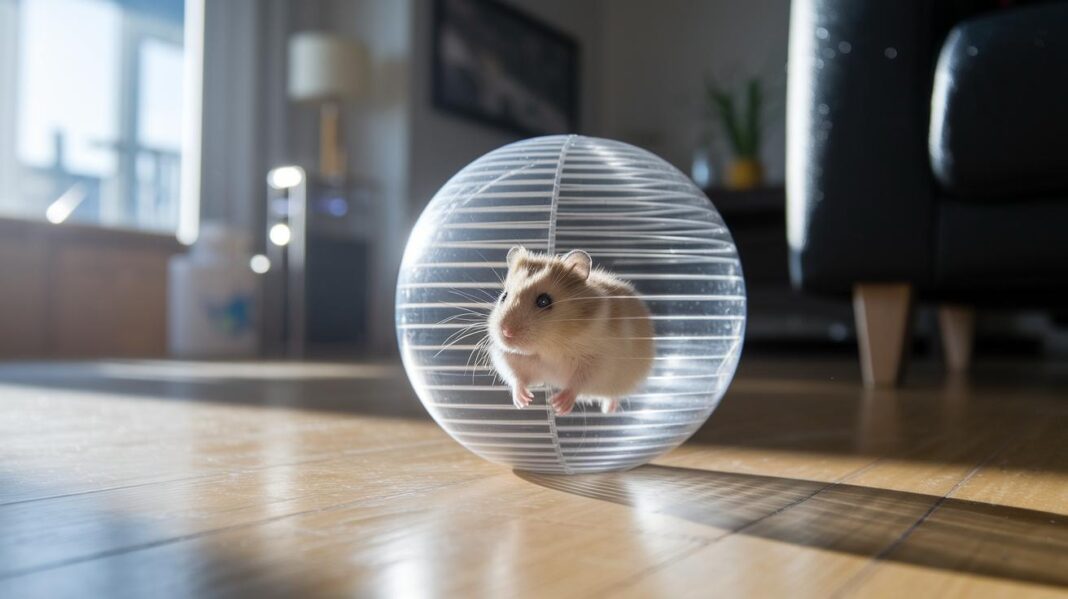
Have you ever wondered if your hamster's ball is really safe? A bad ball can cause stress and even harm your pet, much like wearing the wrong shoes on a long walk. A good hamster ball should let your pet run freely, breathe easily, and play without worry.
This guide will help you pick the right ball by focusing on three key points: size, airflow (enough space inside for comfortable breathing), and durability (a build that holds up well). Use these tips to ensure your little friend stays comfy and safe every day.
Key Criteria for Choosing the Right Hamster Ball
Hamster balls are more than fun playthings. They help your pet move around and can reduce boredom and stress while keeping your little friend active. The right ball lets your hamster explore safely and stay at a healthy weight. Think of it like choosing the right shoes for a marathon, a perfect fit really makes a difference.
When you shop for a hamster ball, keep these points in mind:
- Size: Make sure the ball fits your hamster well. It should allow your pet to walk comfortably while its paws grip the surface. A ball that is too small might force your pet to arch its back, while one that is too big can feel unstable.
- Material: Pick a ball made from tough plastic, like polycarbonate (a sturdy type). Cheaper plastics can break or warp over time.
- Ventilation: Choose a ball with even vents. Good airflow helps keep your pet cool and lowers the chance of breathing problems.
- Safety Lock: Look for a secure locking feature, such as a twist-lock top, to stop your pet from accidentally escaping.
- Durability: A ball with thick walls and a solid build will last longer, even with lots of playtime.
- Cleaning: A ball with a removable top or one that comes apart easily makes cleaning quick and keeps the area fresh.
Many pet owners find top-rated hamster balls online and in pet stores, so check user reviews for real-life tips. If you use these ideas when picking a ball, your hamster will have a safe and fun space to explore every day.
Proper Sizing Techniques for Your Hamster Ball

Choosing the right hamster ball is important to keep your pet comfortable and safe. A well-sized ball lets your hamster move freely without feeling cramped or straining. If the ball is too small, your pet might bend awkwardly, and if it's too large, it could be hard for your hamster to push around.
Start by measuring your hamster’s body from the tip of its nose to the base of its tail. Place your pet on a flat surface and use a soft measuring tape to get a simple, accurate measurement. Look for a ball with an interior diameter that gives your hamster plenty of room to move around.
Also, think about your pet’s weight. Smaller hamsters, like dwarf varieties, need compact balls that fit snugly, while larger Syrian hamsters require more space. Check that the ball allows your little friend’s paws to grip the inside without sliding around.
A good tip is to choose a ball made of a flexible material. This helps the ball adjust slightly to your pet’s size, making it easier for them to play while keeping control. By measuring carefully and choosing the right material, you set up safe and fun rolling sessions that support your hamster’s health and happiness.
Material Strength & Ventilation in Hamster Balls
When choosing a hamster ball, pick a shell that is both strong and safe. Clear plastic gives you a fun view of your pet, but it can warp or crack over time. Polycarbonate, on the other hand, is tougher and holds up well with everyday use. Think of it like a pair of rugged work boots that last through many adventures. If you want to see your pet inside the ball, clear plastic may work for you, but for lasting strength, polycarbonate is the better choice.
Good airflow design is just as important as a sturdy shell. A well-designed ball has evenly spaced holes that let air move through, keeping the inside cool and dry while preventing your pet's paws from slipping. Rounded vents and thicker walls also make the ball stronger and lower the chance of snags during play. In short, a smart hamster ball blends solid material with a smart layout to keep your pet safe and comfortable.
Safety Features & Usage Tips for Hamster Balls
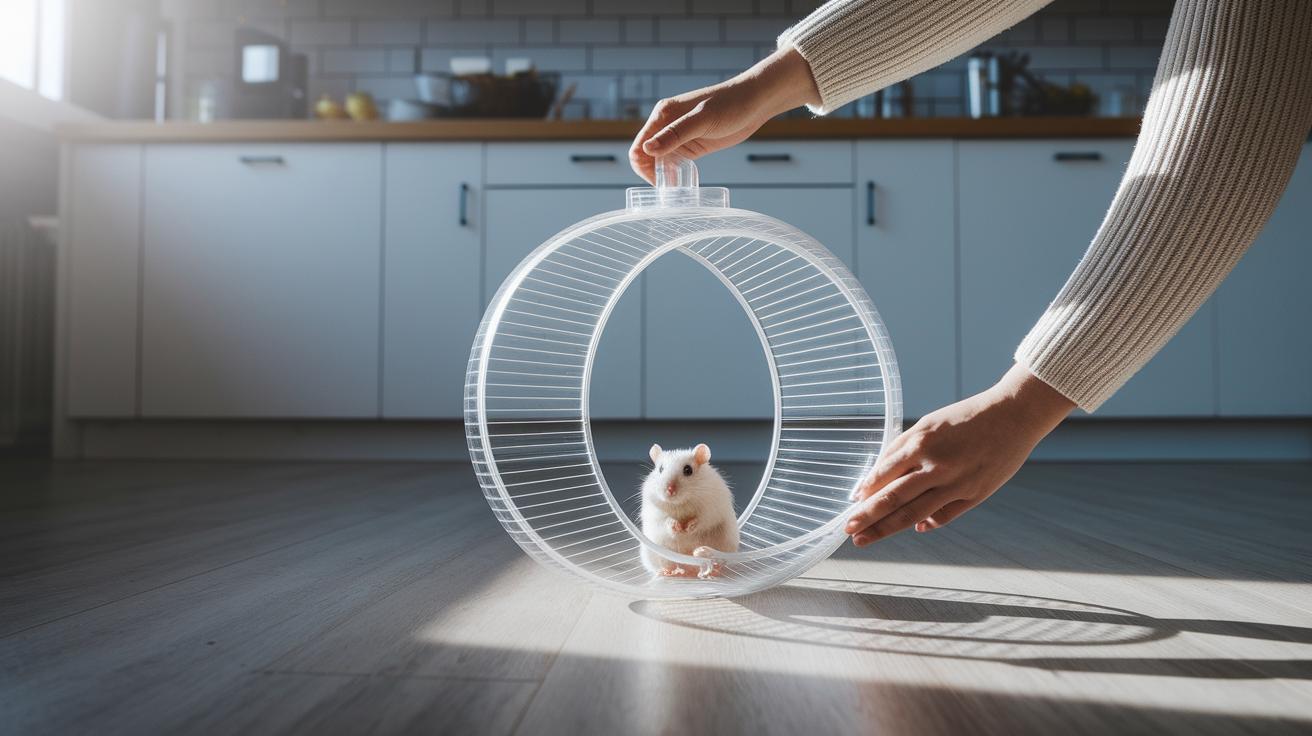
When you choose a hamster ball, safety comes first. Pick one with a twist-lock top that fits tightly to keep everything secure. Check that all openings have smooth, rounded edges and that the vent rims are raised. These details help keep your pet's paws safe and lower the risks of escape or injury. A good ball stays stable on uneven surfaces, so it won't tip over easily. For outdoor play, stick to short sessions of 15–20 minutes to prevent your hamster from getting too tired or overheated.
Keep a close eye on your pet while it explores inside the ball. Always use flat, clear floors to cut down on falls or accidents. Let your hamster rest between play sessions to keep stress levels low.
Safety checks checklist:
- Verify that the twist-lock top is secure.
- Check that all edges and vents are rounded and raised.
- Confirm the ball remains steady with minimal tipping.
- Use only flat surfaces during play.
- Limit outdoor time to 15–20 minutes per session.
Cleaning, Maintenance & Durability of Hamster Balls
Keeping your hamster ball clean is key to a fresh smell and a safe home for your pet. The ball has a top that easily comes off without any extra tools, much like removing a pillow cover so you can wash the inside thoroughly and cut out buildup. Its smooth walls and large vents let you wash or spot-clean the ball by hand, which helps rinse away bacteria before they become a problem.
After washing, make sure the ball dries completely. Any moisture left behind can lead to mold, which could harm your pet during play. High-quality hamster balls are built to handle many cleanings and disassembly without cracking, while cheaper plastics may start to wear out, reducing their lifespan.
Cleaning checklist:
- Detachable top for easy access
- Smooth walls and wide vents for quick cleaning
- Complete drying to prevent mold
Comparative Analysis of Top Hamster Balls

Pet owners have weighed in on these hamster balls after using them. Many like Model A because its clear polycarbonate shell (a strong, see-through plastic) helps you keep an eye on your pet. It comes with a secure lid that locks tightly and vents that give good airflow. This design offers both clear viewing and safety for everyday play.
Model B, on the other hand, is made from basic plastic. It uses a twist-lock and features wide vents. Costing about $5–$8, it is budget-friendly. However, some say the thinner plastic might not last through rough play. This makes it a fair choice if you need a simple, low-cost option without extra bells and whistles.
Model C is positioned as a premium option, priced between $15 and $25. It has a tougher, reinforced shell, a dependable safety latch, and a soft foam-grip inside that lets it roll quietly. Users appreciate its lasting durability and comfort, especially for hamsters that like long play sessions.
| Model | Material | Ventilation | Lock Type | Price |
|---|---|---|---|---|
| Model A | Polycarbonate | Medium vents | Tight-lock lid | $10–$15 |
| Model B | Basic plastic | Wide vents | Twist-lock | $5–$8 |
| Model C | Reinforced shell | Evenly spaced vents | Safety latch | $15–$25 |
User reviews and price details can help you decide which hamster ball balances durability, safety, and ease of use for your little pet.
Final Words
In the action, we broke down key criteria like size, material strength, safety features, cleaning ease, and value. You learned proper sizing techniques that guarantee smooth rolling and found out which ventilation and locking features stand up best to wear. We also compared top models to help you pick the best fit. This guide makes it clear how to choose the right hamster ball, ensuring exercise stays safe and fun. Enjoy watching your pet explore while you relax knowing you made a smart pick.
FAQ
What size hamster ball should I get?
The size of the hamster ball should be chosen based on your pet’s measurements. A ball that matches your hamster’s body length helps ensure active, safe play without overexertion.
Are hamster balls actually good for hamsters?
Hamster balls offer valuable exercise and entertainment. When sized right and used with supervision, they let your pet explore safely while boosting physical and mental health.
What is the most common cause of death in hamsters?
The most common cause of death in hamsters is linked to poor care, including inadequate diet, unsafe environments, and lack of exercise. Consistent, attentive care prevents these issues.
What should a male hamster’s balls look like?
A male hamster typically shows small, visible testicles that remain consistent in size. Noticeable enlargement or abnormalities should prompt a visit to your veterinarian.