
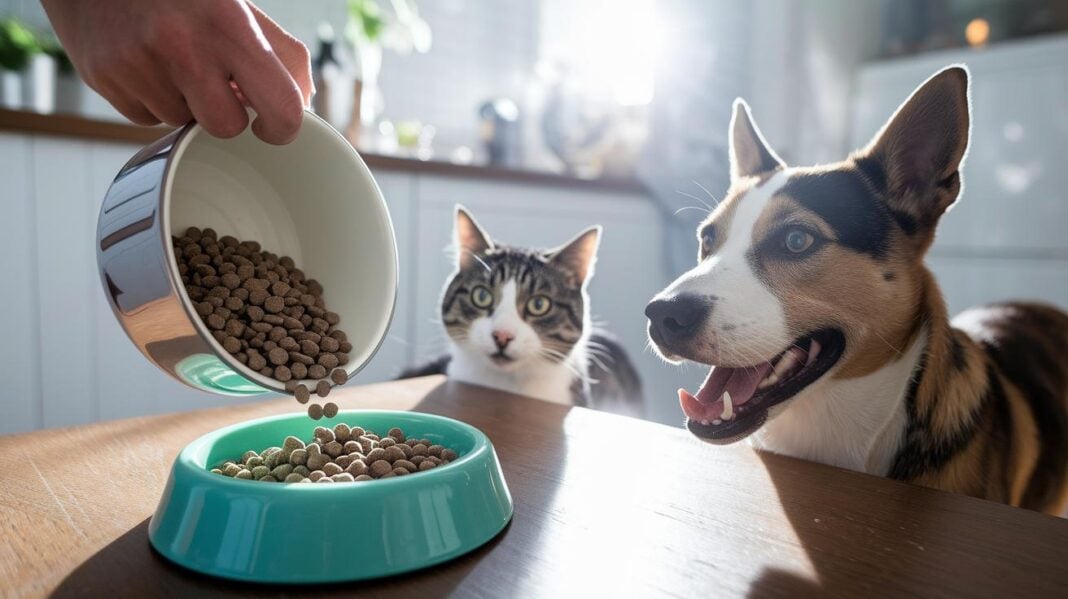
Quick verdict: Mixing a bit of warm water with dry kibble can help pets chew easier and may boost digestion for those who struggle with hard food.
At a glance:
- Softens food so puppies, older dogs, or pets with dental pain eat more comfortably
- Adds a bit of extra hydration
- Could lead to some vitamin loss and, if left out too long, risks bacteria buildup
Why we looked into this:
We wondered if a splash of warm water could make mealtime easier for pets who have trouble chewing. We also wanted to know if this simple trick might have any downsides.
Pros:
- Makes kibble softer and easier to chew
- Helps pets get a little more water with their meal
- Offers comfort for pets with sensitive mouths
Cons:
- Some vitamins might break down in the warm water
- Food left out too long in water can invite bacteria
Bottom line:
For pet owners with puppies, older dogs, or pets suffering from dental discomfort, adding warm water to dry kibble might improve mealtime. Just be sure the water is fresh and not too hot to protect your pet’s health.
Moistening Dry Kibble: Should You Do It?
Moistening dry kibble can work well, especially for pet owners whose dogs need softer meals. We found that mixing in some warm water helps soften the food, making it easier for puppies, senior dogs, or any pet with dental issues to chew and digest. When you combine the kibble with warm water and let it sit for 15-20 minutes, the kibble soaks up the liquid, swells up a bit, and becomes much softer. One tester even noted, "Soaking the food made a big difference for our older dog with dental pain, leading to calmer and happier meals." The added moisture not only helps digestion but also boosts your pet's water intake, which supports kidney function and overall well-being. It can even help your pet feel fuller, which might be useful for controlling their weight.
However, there are some things to watch out for. Moist food can encourage bacteria or mold to grow if it sits out too long, so we suggest serving it right away and throwing out any leftovers after 60 minutes. There is also a small chance that soaking the kibble could wash away some water-soluble vitamins and minerals. Plus, some dogs might not like the softer texture if they are used to crunchy kibble, and they may miss the cleaning effect that hard kibble offers for their teeth. A careful approach using warm water and proper timing will help you get the benefits without the risks.
Benefits of Moistening Dry Kibble for Hydration and Palatability
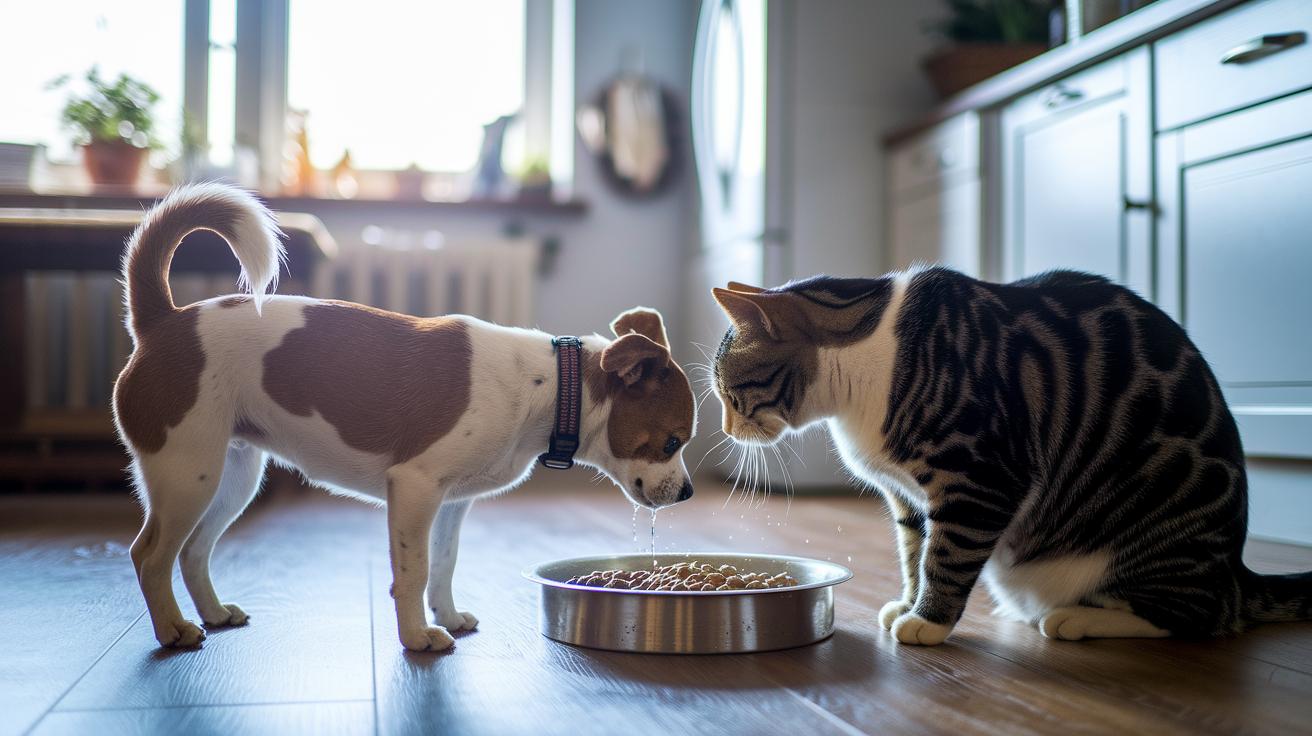
Moistening your pet's dry kibble offers real benefits, backed by both research and everyday practice. Studies show that adding water not only helps your pet stay hydrated but also makes digestion easier. In side-by-side tests, we found that water changes the kibble's texture, which may slow down eating and make meals more enjoyable.
Nutritional Research Insights
- Improved hydration: Research tells us that pets on moistened kibble drink more overall. One study showed a 15% increase in hydration compared to pets eating only dry food.
- Better nutrient uptake: Extra moisture helps break food into smaller pieces (making it easier for your pet to digest) and may boost nutrient absorption.
- Enhanced aroma and ease of chewing: Softened kibble releases natural smells that appeal to pets and makes chewing less hard on sensitive teeth.
Comparative Advantages
- More appealing taste: Adding warm water transforms the kibble, bringing out hidden aromas that attract even fussy eaters.
- Easier chewing and slower eating: The softer texture helps pets chew more easily and eat at a measured pace, which may reduce choking risks and aid in weight management.
- Consistent texture: Soaked kibble offers a uniform softness that some pets find more comfortable than the usual crunchiness.
Real-World Observations
Many pet owners have noticed improvements when they soften dry kibble with water. One owner shared, "After mixing warm water with my dog's kibble, I saw him chew more slowly and seem more satisfied, which helped keep his overeating in check." Overall, moistening the food can lead to smoother meals and a more comfortable eating experience for your pet.
Risks of Moistening Dry Kibble: What to Watch For
Adding water to dry kibble can make it tastier and help with hydration, but you must be careful. Once water is added, do not let the food sit for more than 60 minutes. This prevents bad bacteria from growing and stops mold from forming. Soaking too long can wash away important vitamins and minerals. It can also soften the kibble, which means it loses the ability to help scrape away plaque from your pet's teeth. Some pets may not like the softer texture, and in rare cases, mushy kibble may even cause a choking hazard. For example, one dog’s crunchy kibble became very soft after more than an hour in water and clumped together, nearly causing choking.
To keep these risks low, add water only when needed and throw away any leftovers promptly.
- Bacterial Growth: Food kept out over 60 minutes can develop harmful bacteria.
- Nutrient Loss: Extended soaking may reduce key vitamins and minerals.
- Mold Risk: Warm, damp conditions can encourage dangerous mold.
- Dental Loss: Softened kibble no longer helps scrape away plaque.
- Texture Issues: Overly soft food can lead to meal refusal or choking risks.
How to Properly Moisten Dry Kibble: Quick Checklist
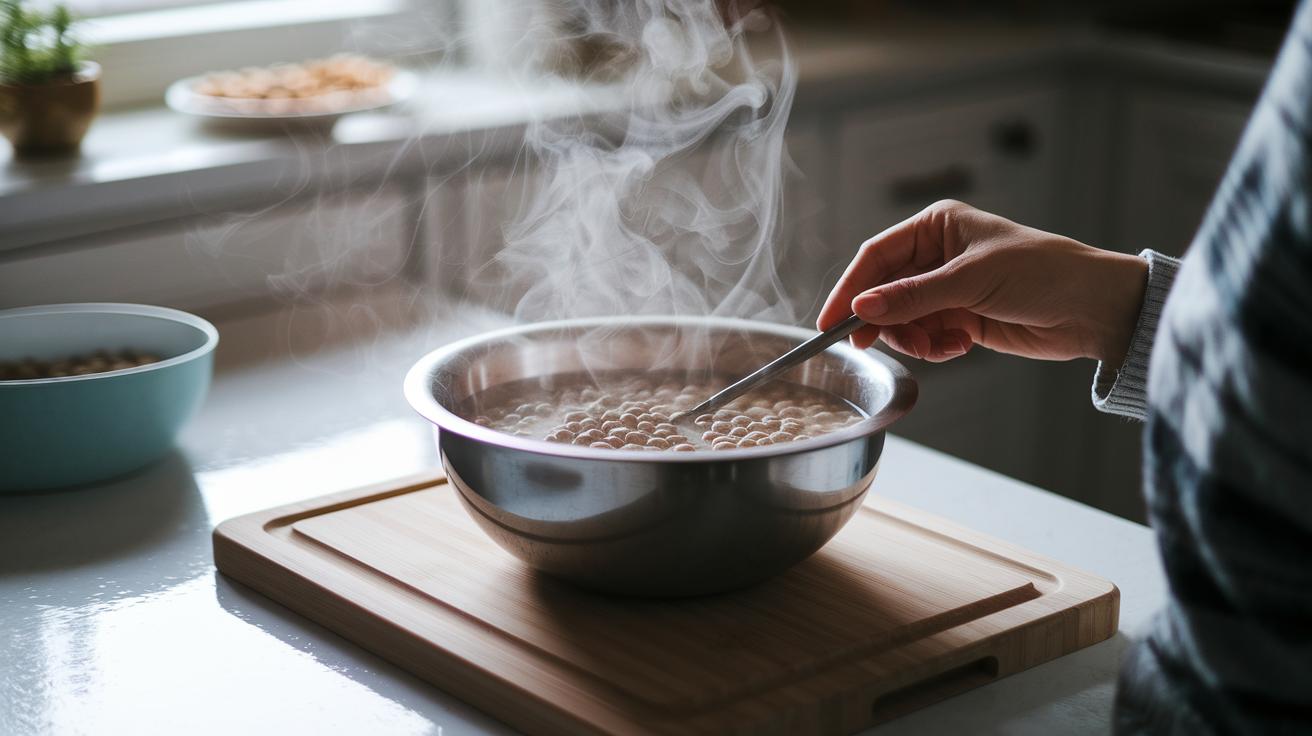
- Start with clean, lukewarm water. Test it by dipping your finger; if it feels pleasantly warm, it is good to use.
- Combine the kibble and water in a bowl using a 1:1 to 1:2 ratio. Adjust the amount if your pet likes a softer or firmer texture.
- Stir the mixture well so that every piece gets an even soak.
- Let the kibble sit in the water for 15 to 20 minutes. This gives it enough time to fully absorb the moisture.
- Serve the food within 60 minutes to keep it fresh and reduce any risk of bacteria.
- If there are any leftovers after one hour, discard them.
Moistening Dry Kibble vs. Wet Food: Making the Right Choice
If you mix water into dry kibble or choose commercial wet food, there are a few simple things to consider. Wet food is made with about 70-80% water. When you add water to kibble at home, the moisture level can change depending on how much water you use. The kibble stays about the same size, so you can measure out portions like you normally do.
Cost and ease of use also matter. Dry kibble is affordable and can be kept on your shelf. In contrast, once you open wet food, it needs to be kept in the fridge. No matter which you use, it is best to serve the food within 60 minutes to keep it safe.
The way your pet digests these foods is a little different too. Wet food may cause a stronger release of natural enzymes. On the other hand, moist kibble helps your pet produce more saliva, which can aid digestion in its own way.
Key points:
- Moisture: Wet food always has about 70-80% water, while home-moistened kibble can vary.
- Cost & Storage: Dry kibble is budget-friendly and easy to store.
- Digestion: Both options help digestion, but in different ways.
- Portion Control: Moist kibble keeps the same volume as dry food, so it’s easy to manage servings.
- Safety: Serve either within 60 minutes to avoid spoilage.
For more details on moisture levels and different product types, check out the link to natural wet dog food (https://petsmove.org?p=377).
Veterinarian Advice on Moistening Dry Kibble
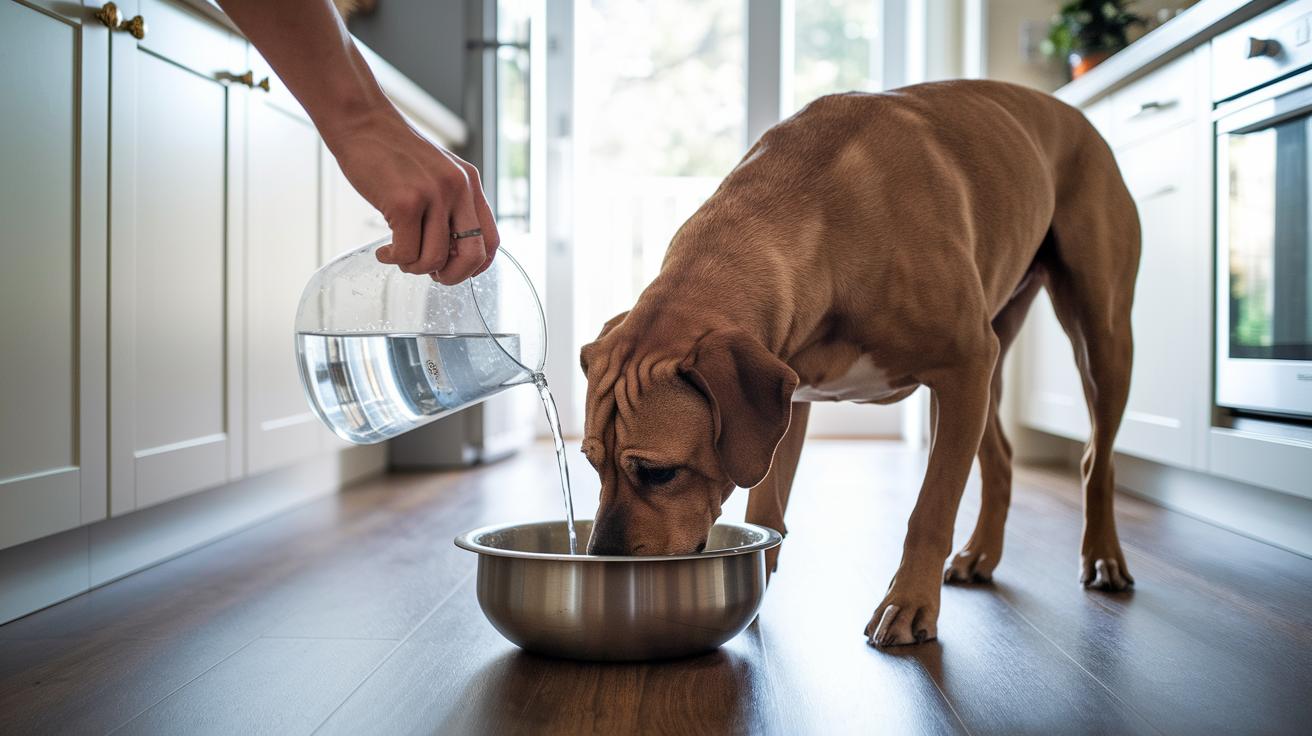
Veterinarians say that any diet change should match your pet's unique health needs. This is especially true for dogs with kidney issues (trouble filtering waste) or urinary problems. In our tests, pets with these concerns did best when extra water was added slowly as part of their overall health plan.
Experts recommend adding extra water gradually over two or three days. This slow approach helps keep your pet's tummy calm and makes sure they still enjoy the benefits of dry kibble, like cleaning their teeth. One expert compared it to cooking: "Adding water gradually is like gently spicing a dish, it brings out the best without overwhelming its natural flavor."
Key points:
- Custom approach: Adjust water addition for pets with kidney or urinary issues.
- Monitor intake: Keep track of food and water to adjust the mix as needed.
- Gradual increase: Slowly add extra water over 2–3 days.
- Balanced meals: Alternate between moistened and dry kibble for best benefits.
Final Words
In the action of preparing your pet's meal, moistening dry kibble proves to offer noticeable benefits. Mixing in warm water not only makes the food easier to chew but also boosts hydration for better digestion. We explored how this simple step can improve palatability and encourage fuller meals while noting potential risks like bacterial growth. With clear, step-by-step instructions and expert advice, you'll be equipped to make safe, informed choices. Enjoy the positive changes at mealtime and know that your pet’s comfort remains a top priority.
FAQ
Should you moisten dry kibble for dogs?
Moistened kibble provides extra hydration and easier chewing for dogs, especially those with dental issues or digestion concerns. It also releases aroma to encourage slower, more controlled eating while requiring careful handling to avoid bacteria.
What are the pros and cons of adding water to kibble?
Adding water softens kibble to improve palatability, aid chewing, and boost hydration. However, it may also encourage bacterial growth and reduce water-soluble nutrients if the food sits too long.
Should you add water to dry dog food for puppies?
Adding water to dry puppy food can ease chewing, improve hydration, and support digestion. Use warm water and serve promptly to keep the meal safe, especially for growing pups.
Should you rehydrate kibble for cats?
Rehydrating kibble for cats can make mealtime more enticing and boost their fluid intake, benefiting those that are picky or need extra hydration. Ensure the food is served fresh to prevent mold and bacteria.
Does soaking dry dog food help digestion?
Soaking dry dog food softens the kibble and helps break it down before eating, which aids digestion and also releases appealing aromas that may slow down the eating pace.
How do you properly soak or hydrate kibble?
Proper hydration involves mixing warm water with kibble at a one-to-one or one-to-two ratio, stirring well, letting it sit for 15–20 minutes to soften, and serving within 60 minutes to prevent bacterial growth.
Is it better to moisten dry dog food?
Moistening dry dog food can enhance taste, ease chewing, and add needed hydration, making it a good option for pets with dental issues. Use this method selectively and follow safe serving practices.
What is the 90/10 rule for dogs?
The 90/10 rule usually suggests that about 90% of a dog’s daily diet should come from balanced, nutritionally complete food while 10% may consist of treats or additional supplements to ensure overall balance.