

Quick verdict: A great guinea pig cage is more than a box. It gives your pet room to roam and is simple and safe to clean.
Choosing the right cage means making a cozy home for your little friend. A good cage offers plenty of space to explore while keeping things tidy and safe. We understand you want your pet to be happy, and a well-designed cage can make a big difference in their everyday life.
In this post, we look at what makes a cage stand out. From open space to secure, easy-to-clean features, we help you find a cage that fits your pet’s needs and your busy lifestyle.
Best Guinea Pig Cage Top Picks: Expert Reviews & Ratings

When choosing a guinea pig cage, it's important to focus on size, strength, and ease of cleaning. We stick to trusted benchmarks like the RSPCA's 7.75 sq ft and the Humane Society's 7.5 sq ft rules, while many experts recommend about 10.5 sq ft for happy pets. A solid cage is built with secure panels, smooth edges for safe play, and smart features like removable trays that make cleaning a snap.
We also look at how easy it is to care for the cage day-to-day. Doors that open easily, a low base for quick cleaning, and handy tools for spot cleaning are all big pluses. Top tips for pet enclosures suggest finding cages that offer plenty of room, are user-friendly, and can be adapted with extra accessories. This balance helps ensure your guinea pigs have a sturdy, cozy home for both play and rest.
| Model | Size (sq ft/cm) | Material | Cleaning Ease | Price Range |
|---|---|---|---|---|
| Ferplast 160 | 10.5 ft² / ~0.98 m² | Plastic/Metal | Easy | $$ |
| Midwest Guinea Pig Habitat | 7.5-8 ft² / ~0.70-0.74 m² | Wire & Plastic | Moderate | $ |
| Little Friends Rabbit 160 | 11.6 ft² / ~1.08 m² | Sturdy Plastic | Very Easy | $$$ |
| Little Friends Square Cage | 10.75 ft² / ~1.00 m² | Composite | Easy | $$ |
Our top recommendation is the Little Friends Rabbit 160. Its extra space and tough build make it a joy to clean and a great area for your pet to explore and relax. If you're watching your budget, the Ferplast 160 is a reliable choice that still offers ample room and a quality design.
Best Guinea Pig Cage Size Requirements & Space Guidelines

Your guinea pigs thrive with plenty of room. A spacious cage lets them run, explore, and feel less stressed. Studies show that small cages can lead to fights and low energy. In one study, guinea pigs with extra play space were 30% more active during their daily routines than those kept in cramped areas.
The basic guideline is at least 7.75 square feet. This size works like a 2 by 3 grid. Experts, however, recommend upping that to 10.5 square feet, or a 2 by 4 grid, to allow for more natural movements. Many pet owners even choose a 2 by 5 grid so each guinea pig gets more space to play and hide.
If you keep more than one guinea pig, think about dividing the cage into zones for eating, playing, and sleeping. A larger cage with extra hideouts helps cut down on fights over territory and lets your pets mingle comfortably. Adjust the space to fit the number of guinea pigs and their energy so every pet gets room to flourish.
Best Guinea Pig Cage Types & Design Options

When building a cozy home for your guinea pigs, the type and design of the cage matter a lot for their comfort and play. Each option fits different budgets, lifestyles, and space needs.
C&C Cage Setups
Cubes and Coroplast (a sturdy, corrugated plastic used in shipping and construction) let you build a flexible space. You can set up a simple 2×4 grid for two guinea pigs, expand to a 2×5 layout for extra floor space, or even design a 2×6 grid with a loft to accommodate four pets. This option is budget-friendly and grows with your pets.
Pre-Made Hutch Styles
Pre-made hutches come ready to go. They typically have a wire top with a plastic base or even multiple levels. This means you can set one up quickly if time is short. Still, some models may not offer enough space, and ramps between levels need careful attention. Check that the hutch meets recommended floor space for your guinea pigs to be happy and healthy.
DIY Guinea Pig Cage Plans
If you prefer a custom setup, building your own cage might be best. DIY plans let you choose pet-safe wood and non-toxic plastics. You can tailor the size and add special features like extra hideaways. The basic steps are to plan your layout, choose quality materials, and design for plenty of ventilation and easy cleaning.
Best Guinea Pig Cage Bedding & Substrate Choices
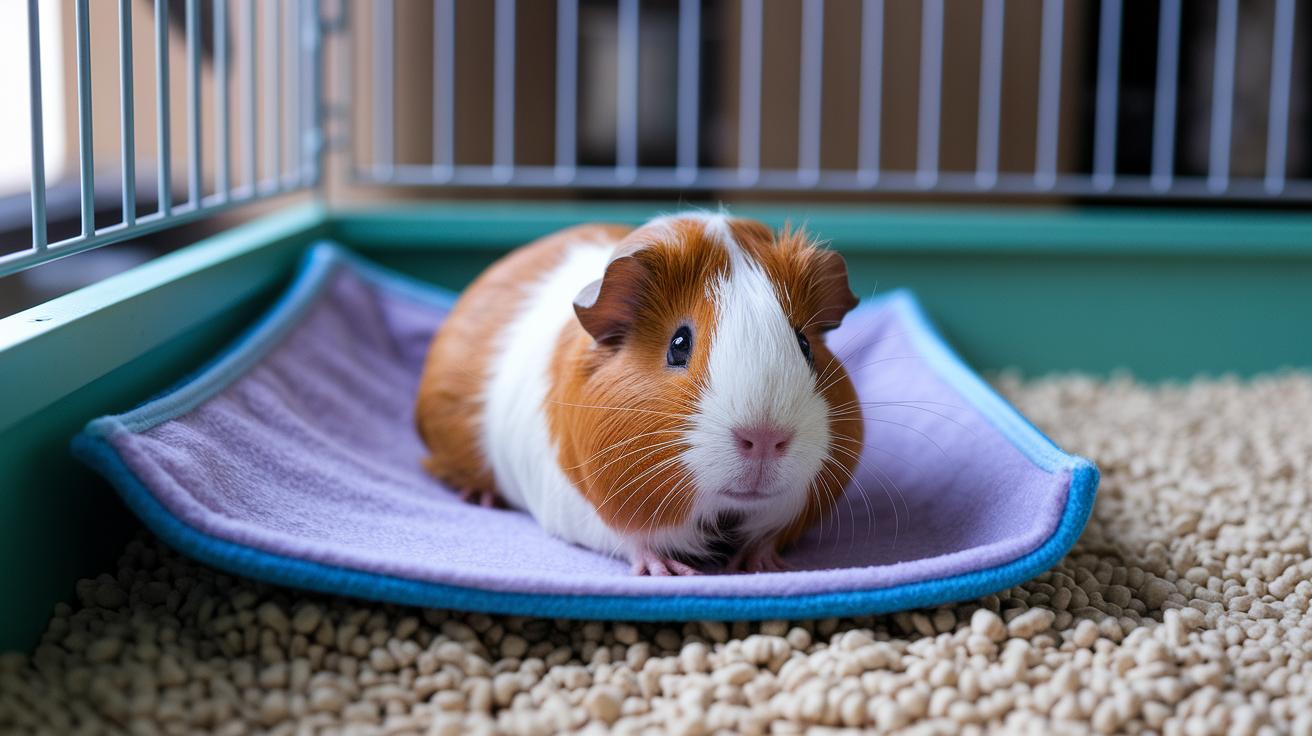
Guinea pigs need a clean, dry, and comfy space to stay healthy. The right bedding helps stop problems like bumblefoot (a painful foot infection), urine burns, and breathing troubles from damp materials. Choosing a safe, absorbent option not only gives them a soft place to rest but also controls odors and keeps their home clean.
Great choices for bedding include:
- Fleece liners paired with absorbent pads
- Paper-based pellet bedding
- Aspen shavings (dust-extracted for safety)
- Hemp fiber bedding
- Eco-friendly wood-free pellets
A daily spot-cleaning routine helps remove waste and keep the area dry. Then, change the bedding completely and clean the cage every week to cut down on bacteria and allergens. This simple routine keeps your guinea pigs happy and safe while making maintenance easy for you.
Best Guinea Pig Cage Cleaning & Maintenance Strategies

Keep your pet's cage clean every day. Each day, look over the cage and pick up any messes, especially near the food bowl and favorite hideouts. Use a small litter scoop or a handheld vacuum to remove waste so your pet stays in a clean, safe space.
Once a week, give the cage a deeper clean. Take out any removable parts like food bowls, water bottles, or liners. Wash all parts with warm water and a bit of mild soap, then rinse off any soap residue. Let everything dry completely before putting it back together to avoid any damp areas that could cause mold or respiratory problems.
For a quicker cleanup, try using liners or mats that catch spills and debris. Fleece liners work well because you can wash them and they help control odors. Using simple tools like a handheld vacuum or a small scoop can make daily cleaning easier and help your guinea pig’s home last longer.
Best Guinea Pig Cage Accessories & Enrichment Add-Ons

Making a guinea pig home fun means adding more than a bed to sleep on. Give each guinea pig its own little hideout, a mini hut for every pet, or even three huts for a group of three, so they feel safe and cozy. Tunnels, gentle ramps (angled at 30° or less for safety), chew toys, and foraging mats turn an ordinary cage into a place full of adventure.
Practical items like secure water bottles and strong bowls help cut down on spills and make cleaning easier. These simple touches keep your pet's space clean and stress-free. Adding accessories not only makes the habitat fun but also encourages natural behaviors and social play. Before you know it, your guinea pig might become a little explorer, happily moving through tunnels and nooks throughout the day.
Best Guinea Pig Cage Buying Guide: Budget to Premium Options

If you're looking for a great cage for your guinea pigs without spending a fortune, there are plenty of options to fit your needs. We tested and looked at three price ranges so you can pick what works best.
Quick verdict:
• Budget cages keep it simple and affordable.
• Mid-range cages step up durability and ease of cleaning.
• Premium cages add extra features and long-lasting design.
Budget Options ($50 and under)
For those on a tight budget, DIY cages made from basic materials offer a lot. These kits use Coroplast panels (a sturdy plastic board) and fleece liners to give your pets a flexible space. They meet floor space recommendations and make cleaning easy. There’s plenty of room for guinea pigs to play and hide, even though they don’t include extra fancy features.
Mid-Range Options ($75 to $150)
Spending a bit more can give you better build quality and style. Models like the Midwest Habitat or pre-made custom pens come with secure panels and smart features. They balance affordability with a more comfortable and durable design. Daily cleaning is a breeze, and your pets get extra space without paying for extras that don’t matter.
Premium Options (Over $150)
High-end cages from brands like Ferplast and Little Friends focus on quality and versatile design. These cages often include expandable layouts and secure accessories that simplify cleaning. They prioritize ample floor space and practicality over just looking fancy. With a premium cage, you get a home that’s built to last and keeps your guinea pigs happy.
| Price Range | Key Features | Examples |
|---|---|---|
| Budget ($50 and under) | DIY kits, basic materials, flexible space, easy cleaning | C&C kits, Coroplast panels |
| Mid-Range ($75 to $150) | Better durability, secure panels, user-friendly design | Midwest Habitat, premade pens |
| Premium (Over $150) | Expandable layouts, extra accessories, long-term durability | Ferplast, Little Friends |
Final Words
in the action, we dove into what makes a safe and roomy cage. We looked at size, design, ease of cleaning, and accessories so that your pet enjoys a healthy environment.
We reviewed standards like RSPCA requirements and expert picks, from budget-friendly to premium options. Our guide covers helpful tips on space scaling and daily maintenance. With confidence in your choice of the best guinea pig cage, brighter days lie ahead for your furry friend.
FAQ
Q: Best guinea pig cage for 2 / Guinea pig cages for 2
A: The best guinea pig cage for two means a set-up offering ample space (around 10.5 sq ft recommended), sturdy materials, and easy cleaning. It helps guinea pigs interact safely without feeling crowded.
Q: Best guinea pig cage indoor
A: The best guinea pig cage indoor is designed for home use with secure construction and proper ventilation. It features easy cleaning and enough room for your pet to explore comfortably.
Q: Best guinea pig cage DIY
A: The best guinea pig cage DIY involves building a custom enclosure using safe, non-toxic materials like wood or plastic. Tailor dimensions and features to meet space guidelines while keeping costs low.
Q: Guinea Pig Cage with Stand
A: A guinea pig cage with stand means an elevated design that improves air circulation and cleaning ease. It also provides extra room underneath for accessories, adding to your pet’s comfort.
Q: Guinea pig cages for 1
A: Guinea pig cages for one refer to smaller setups designed for a single pet. Even for one guinea pig, the cage should meet minimum space and safety standards to promote overall health.
Q: Best guinea pig cage reddit
A: The best guinea pig cage reddit indicates options suggested by pet owners online. These recommendations focus on spacious, durable, and easy-to-clean cages that adhere to essential pet safety guidelines.
Q: C&C guinea pig cage
A: The C&C guinea pig cage uses cubes and Coroplast panels to create flexible, modular layouts. This design allows for easy expansion and custom grid setups that suit various guinea pig numbers.
Q: What kind of cage is best for a guinea pig?
A: The best cage for a guinea pig is one that meets recommended space guidelines (around 10.5 sq ft), is durable, easy to clean, and provides proper ventilation and enrichment for a healthy life.
Q: What is the leading cause of death in guinea pigs?
A: The leading cause of death in guinea pigs is often respiratory issues. Poor ventilation, unstable temperatures, and inadequate cleaning can lead to infections, making proper care essential.
Q: Do guinea pigs like two story cages?
A: Guinea pigs often appreciate two-story cages for extra exploration space. However, safe ramps or gentle slopes are necessary to help them move between levels securely and without risk.
Q: Do guinea pigs need to be covered at night?
A: Guinea pigs do not require their cages to be covered at night if placed in a safe, quiet area with stable temperature. While covering can reduce light exposure, it is not essential for their wellbeing.