
Quick verdict: If you worry about hidden dangers in your dog's food, you're not alone.
New studies show that some well-known brands have high levels of toxic metals (harmful metal impurities) that can put your pet at risk. Even trusted names can end up on recall lists.
This guide explains how to check food labels, lot codes, and dates. With a quick look, you can spot issues early and keep your pet safe.
Staying aware is the first step to a healthier pet.
Latest Updates on Dog Food Recall Events
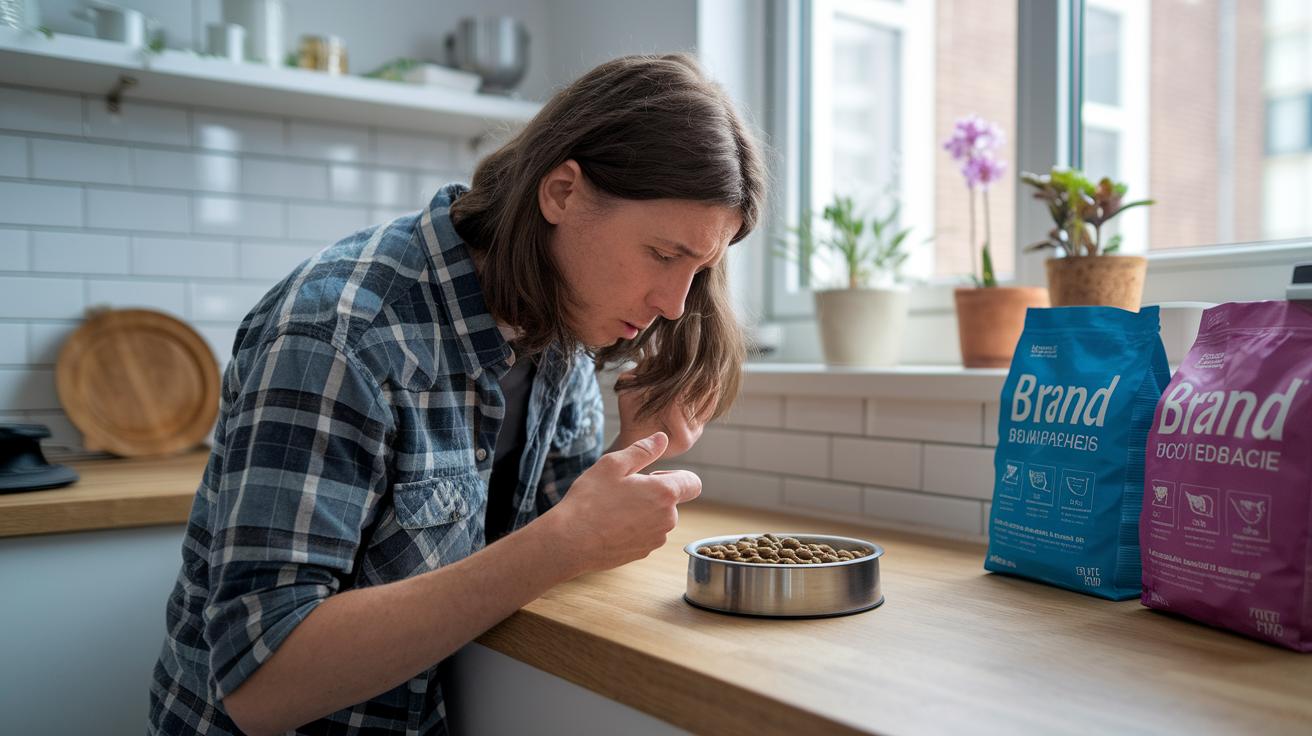
Two recent studies have found very high levels of heavy metals like lead, mercury, arsenic, and cadmium in some recalled pet foods. These dangerous substances have been linked to serious illnesses and even deaths in pets. In mid-2024, tests led to several voluntary recalls when these harmful metals were found in various dog food brands. Pet owners and regulators are now more alert than ever, especially given ongoing issues with pet food safety rules.
Major brands affected by these recalls include:
- Brand A Dog Chow – Recalled early in 2024 because of lead and mercury.
- Canine Choice Premium – Pulled from shelves after tests found high arsenic.
- Healthy Paws Nutrition – Certain batches had high levels of cadmium.
- Barkwell’s Organic Blend – Voluntarily recalled after heavy metal risks were discovered.
- Pup Delight Supreme – Recalled in mid-2024 after alarming contamination reports.
Investigations show that these contaminants can enter pet food through tainted raw materials or poor processing practices. Weak quality controls let these metals slip through, while regulatory challenges make it tougher for the FDA to enforce stricter standards. This situation highlights how vital it is to improve quality checks and update safety rules to keep our pets safe.
dog food recall: Safety Wins for Your Pet

When you check your dog's food, take a moment to look for key marks on the bag. Look for the lot code, UPC number, and best-before date. These details are usually printed on the side or bottom of the package. They help you know if your food is part of a recalled batch. For example, you might see "Lot #AB123" with a matching UPC number nearby. Knowing how to find these clues can keep your pet safe.
Here's a quick way to check:
- Look for the lot or batch code on the package.
- Find the UPC number close to that code.
- Check the best-before or expiration date.
- Compare these details with the official recall notices.
- Call the manufacturer if the info matches a recalled batch.
If your dog food has the same codes or dates as a recalled batch, take it out of your home immediately. Acting quickly helps avoid the risk of your pet eating food that could be dangerous.
Health Risks in Contaminated Dog Food Recall Cases
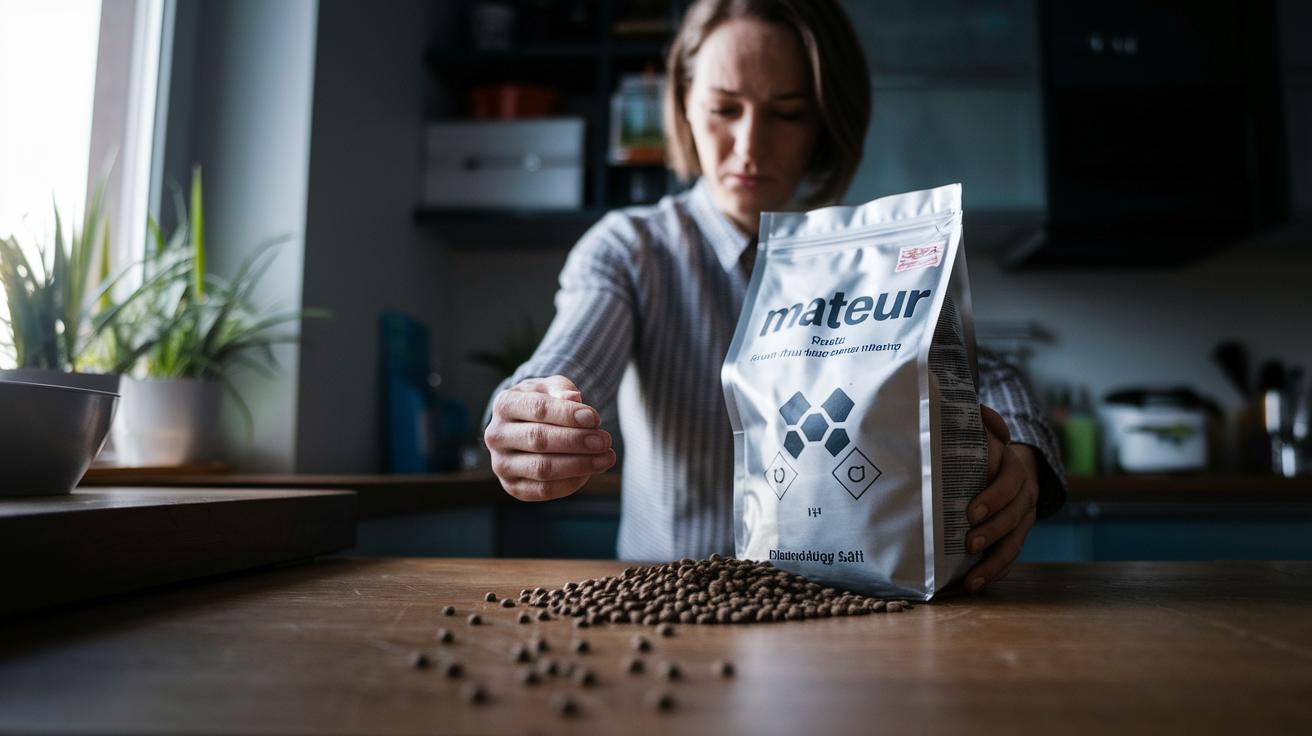
Contaminants like lead, mercury, arsenic, and cadmium may appear in dog food when raw ingredients are polluted or handled with poor care. When suppliers do not test or clean these materials well, harmful metals mix in with good ingredients. For example, grains exposed to industrial pollution can add these metals to meals, even when oversight is only slightly lax.
When a dog eats food with these metals, they can cause serious problems. Lead can hurt the kidneys, while mercury may affect the nervous system. Arsenic can make a dog vomit or have diarrhea, and cadmium might cause long-lasting tiredness and other issues. In some cases, long-term exposure leads to very serious health events, and sometimes the outcome can be fatal. Think of your dog’s body like a well-tuned engine – contaminants are like tiny bits that clog up the moving parts and eventually make the engine stop working.
Pet owners should be alert for signs like sudden tiredness, ongoing vomiting, diarrhea, or changes in behavior. Spotting these signs early can help you act fast and get your dog the help it needs.
Critical Steps if Your Dog Food is Recalled

First, take the recalled dog food out of your pantry and any feeding spots right away. Place it in a separate container far from your pet’s usual food to keep it from being eaten by accident. Write down the batch number, lot code, and best-before date from the package. This info helps when you check recall notices or speak with the manufacturer. If you see any signs of contamination or the food just doesn’t look right, do not use it.
Then, call the manufacturer to ask about a refund or a replacement. Tell them the food may be dangerous and ask how to return or exchange it. Keep your receipt or order confirmation as proof because you might need it later. Try these steps:
- Scan the barcode and note the batch details.
- Call the customer service number on the package.
- Save your emails or receipts for backup.
If your dog shows problems like vomiting, diarrhea, or seems unusually tired after eating the food, see your vet immediately. Also, report the issue to the FDA and your State Department of Agriculture. Tell them the batch numbers and any signs of sickness. These simple steps help protect your pet and make sure the right authorities can act to keep everyone safe.
Official Channels for Monitoring Dog Food Recalls

Federal agencies like the Food and Drug Administration (FDA) and the US Department of Agriculture (USDA) offer easy-to-use tools to keep you updated on dog food recalls. Their websites let you search for recall notices, view product batch details, and read safety bulletins. The FDA site gives you immediate insight into whether your pet’s food is affected, while the USDA site offers a similar tool for checking flagged items.
Independent alert services and local state agriculture departments provide extra help. Third-party sites post real-time safety alerts and recall summaries so you never miss an update. Many state agriculture offices also send email alerts for recalls specific to your area, ensuring you have the quick info you need to keep your pet safe.
Preventing Dog Food Recall Risks with Quality Assurance

When picking dog food, make sure it meets AAFCO standards (the basic safety and nutrition guidelines set for pet food) and shows trusted third-party certifications. These marks mean experts have checked that the food is safe and nutritionally balanced. Look for clear labels that say the food follows AAFCO rules or other respected safety standards. This simple check helps lower the chance of buying food that may be recalled. If you see a logo from a trusted certification body, you can feel more confident about your choice. A handy tip: if you're unsure, ask to see the certification details. Before switching brands, Mark discovered his dog’s favorite meal lacked AAFCO certification, so he found a much safer option.
| Standard | Scope | Benefit |
|---|---|---|
| AAFCO Certification | Nutritional standards and labeling | Ensures balanced nutrition |
| NSF International | Hygiene and ingredient safety | Reduces contamination risk |
| ISO Standards | Production and quality control | Ensures steady production quality |
Keep an eye on the labels over time. Check them regularly for any new certification logos or quality marks. Rotate your dog food supply and store it in a cool, dry place to keep it fresh. When in doubt, look at trusted guides for certified dog food options.
Final Words
In the action, this article covered the latest updates on dog food recall events. We watched key studies on contamination and reviewed the brands impacted by heavy metals. You learned how to check lot codes, remove affected products, and contact manufacturers. We also outlined steps for a safe response if your pet shows symptoms. Finally, the guide provided trusted channels for updates and quality assurance tips. Stay informed and stay safe as you ensure only trusted products are on your pet’s plate, a smart move when it comes to any dog food recall.
FAQ
Dog food recall TODAY
The phrase “dog food recall TODAY” means current alert events. It indicates that authorities are actively monitoring releases, so owners should check the latest official alerts for the most up-to-date information.
Dog food recall list
The dog food recall list compiles affected brands and batches from recent investigations. It provides details such as recall dates and lot codes, helping pet owners confirm whether their product is at risk.
Dog food recall 2026
The term “dog food recall 2026” refers to recall events projected or recorded for that year. It highlights ongoing regulatory efforts and safety reviews that manufacturers must address to protect pets.
Royal Canin dog food recall
A Royal Canin dog food recall signals that specific batches have safety concerns. It means that officials and the brand are working together to remove the affected products from the market to safeguard pets.
Dog food recall Purina
A Purina dog food recall indicates that certain Purina products failed safety tests. It advises pet owners to check batch numbers and recall notices to ensure their dog food is not on the list.
Dry dog food recall
A dry dog food recall highlights issues found in packaged shelf-stable dog food. It suggests that testing revealed contamination or quality problems, prompting prompt removal of the product from stores.
Dog food recall listeria
A dog food recall listeria means some products were contaminated with listeria bacteria. It warns pet owners to immediately stop feeding any suspected food and follow official guidance for a safe resolution.
Pedigree dog food recall
A Pedigree dog food recall indicates that some Pedigree products did not meet safety standards. Owners should verify their product’s lot numbers against official recalls to decide if it should be removed.
What is the number one healthiest dog food?
The number one healthiest dog food depends on expert reviews and pet-specific needs. Generally, it offers a well-balanced diet with high-quality ingredients and meets strict safety and nutritional standards.
What Purina dog food was recently recalled?
What Purina dog food was recently recalled refers to a specific batch that failed safety tests. Pet owners should check the latest recall notices to see if their product is among those affected.
Which dog food has the most recalls?
Which dog food has the most recalls varies over time and by brand. Typically, products with repetitive quality issues attract more recalls, so research recent histories before making a purchase.
What are the top 10 toxic foods for dogs?
The top 10 toxic foods for dogs include items like chocolate, grapes, onions, and other common items. These foods are dangerous, so avoiding them can help keep your pet safe and healthy.