

Ever wonder if your dog's food might be worsening his allergies? We know it can be hard when you see constant itching and upset tummies in your furry friend.
Many pet owners feel overwhelmed by these issues. One idea is to try a food made with broken-down proteins (proteins broken into smaller pieces for easier digestion) and new protein sources. These special formulas can really help calm an upset stomach and reduce itching.
In this post, we explain how hypoallergenic diets work. We also share why simple recipes with fewer ingredients and no grains might be just what your pet needs for a sensitive tummy. Let's discover some options that can help your dog feel more comfortable and happy.
Choosing Dog Food for Dogs with Allergies: Key Selection Criteria

For dogs with allergies, special formulas can really help. Their symptoms, like non-stop itching, skin rashes, upset stomach, and crankiness, need careful care. These diets use hydrolyzed protein. That means the protein is broken into very small parts, making it less likely to upset a dog's sensitive system. For instance, a food with hydrolyzed salmon protein can ease flare-ups in dogs that react to common fish proteins.
Another good option is using novel proteins like duck or venison. These proteins are new to your dog's body, which can reduce the chance of a reaction. It matters too how many ingredients the food has. Fewer ingredients mean fewer surprises, and grain-free recipes avoid wheat, corn, and soy, the usual triggers for sensitive pups.
- Protein Source: Look for high-quality hydrolyzed or novel proteins.
- Ingredient Count: Pick foods with few ingredients to lower allergen risks.
- Grain Content: Choose grain-free formulas to skip wheat, corn, and soy.
- Digestibility: Make sure the food is gentle on the stomach.
- Vet Approval: Use products that your vet recommends.
- AAFCO Compliance: Ensure the diet meets nutritional balance standards.
By keeping these points in mind, you can help reduce rashes, tummy troubles, and itchiness. At the same time, you give your dog a complete and balanced diet that supports long-term health.
Best Hypoallergenic Dog Food Formulas for Dogs with Allergies

Prescription and vet-prescribed foods can really help if your dog suffers from allergies. These special diets use either broken-down proteins (called hydrolyzed proteins) or new protein sources (novel proteins) that your dog hasn't had before. Hydrolyzed protein foods break the proteins into small pieces, which makes it easier for dogs with strong protein allergies to digest. Novel protein options introduce ingredients your dog is not used to, lowering the chance of an allergic reaction. These formulas also help keep your dog's skin and coat healthy and support smooth digestion.
| Product | Protein Type | Best For |
|---|---|---|
| Royal Canin Veterinary Diet – Adult Hydrolyzed Protein | Hydrolyzed Chicken | Severe protein allergies |
| Hill’s Prescription Diet z/d Skin/Food Sensitivities | Hydrolyzed Soy | Skin and coat health |
| Purina Pro Plan HA Hydrolyzed™ Canine Salmon Formula | Hydrolyzed Salmon | Fish-related allergies |
| Hill’s Prescription Diet d/d Skin/Food Sensitivities | Novel Duck | Dry and wet options for diverse needs |
| Royal Canin Veterinary Diet Selected Protein PD | Novel Venison | Balanced for sensitive stomachs |
| Purina® Pro Plan® Focus Sensitive Skin & Stomach Formula | Novel Salmon with Rice & Oatmeal | Supports digestion and coat |
Before trying any prescription diet, check with your veterinarian to make sure it fits your dog's specific needs.
Grain-Free and Limited-Ingredient Diet Solutions for Allergic Dogs
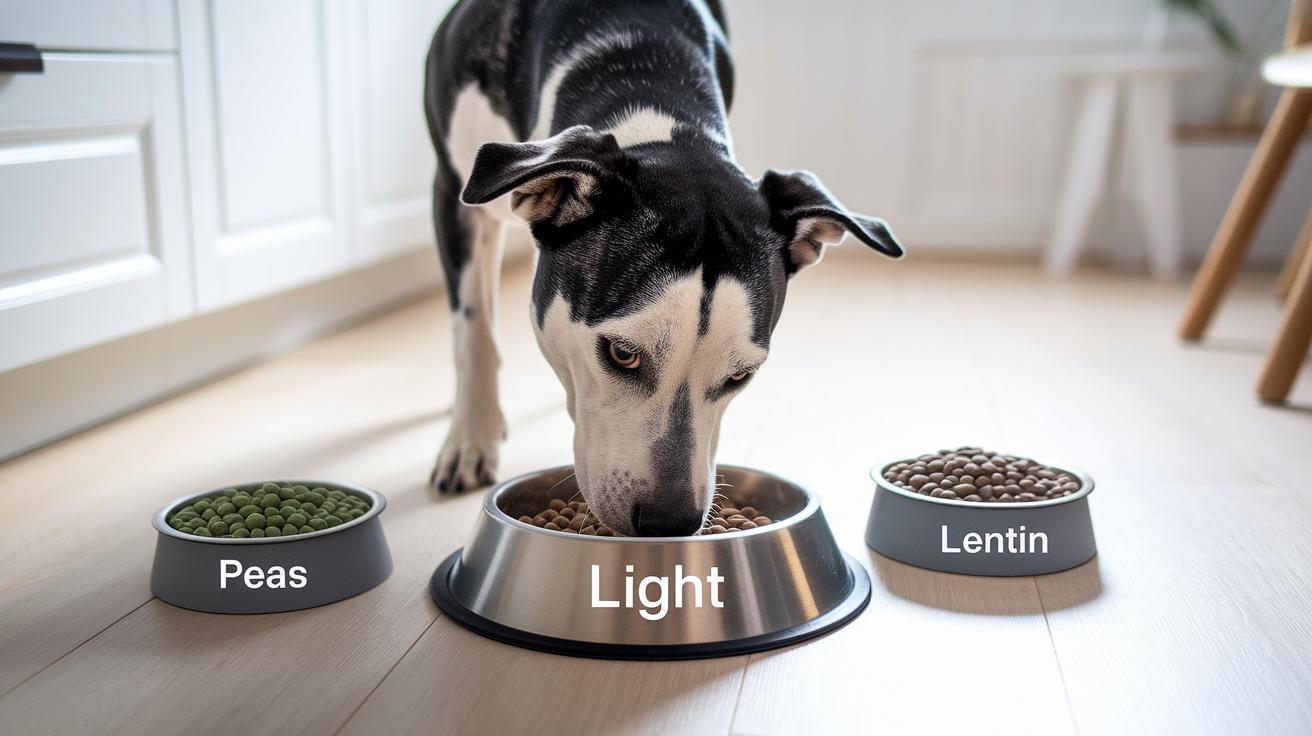
Grain-free diets can help lower allergic reactions in dogs by swapping out common grains like wheat, corn, and soy for milder options like peas or lentils. This change reduces the allergens for dogs with light to moderate food sensitivities. Limited ingredient formulas use fewer items so your pet is less exposed to unwanted triggers while still getting complete nutrition. This helps keep their tummy happy and makes mealtime more comfortable for sensitive pups.
There are two wallet-friendly formulas that make managing food allergies easier. Hill’s Science Diet Adult Sensitive Stomach & Skin (Chicken & Barley) skips beef, which is gentler on a dog’s stomach. Purina Savor Adult Shredded Blend Beef & Rice leaves out chicken to help support skin health and lower allergic reactions. Both choices aim to ease skin irritations and tummy troubles so your dog can feel better overall.
Understanding Novel Protein Diets in Dog Food for Allergies

Dogs can develop allergies when they keep eating the same proteins, such as chicken or beef. Using proteins like duck, venison, or rabbit gives the immune system a break because these are new to it. Research shows that symptoms like itching and tummy upset drop by 60-70% in about 4-6 weeks. For example, in one study, 70% of dogs felt much better after switching to a novel protein diet.
These special diets come in dry kibble, wet food, and freeze-dried raw forms. Many pet owners report real improvements at home that match what studies show. One owner mentioned, "After switching to a venison-based meal, my dog's itching decreased noticeably within five weeks." This variety means you can find a format that suits your pet’s needs while still easing their allergy symptoms.
Safely Transitioning to Dog Food for Dogs with Allergies

Switching your dog's food too fast can upset their stomach and make allergy signs worse. Rushing the change might lead to vomiting, diarrhea, or worse sensitivities. Give your pet’s tummy time to adjust and keep stress levels low. A slow switch also lets you spot any food triggers if problems continue.
A safe switch usually goes in four simple steps over 7 to 14 days. Start by mixing 10% new food with 90% of the old meal. After a few days, bump the new food up to 25% while dropping the old food to 75%. Then mix in 50% new food, and keep adjusting until your dog is eating only new food by day 7 to 14. Watch your dog during this time. Check each week to see if the itching goes down, the coat looks shinier, or the stools become more normal. If allergies are severe, your vet might recommend an elimination diet for 8 to 12 weeks to figure out which ingredients are causing trouble. This step-by-step plan helps manage your dog’s allergies more smoothly while keeping their tummy happy.
Vet-Recommended Prescription Diets for Dogs with Allergies

Prescription diets can help dogs with allergies by using special proteins. Some diets use proteins broken into small pieces (making it less likely for your dog’s immune system to react), while others use a new type of protein that your dog hasn’t had before. Both options are made with veterinary advice and meet strict AAFCO nutrient standards.
Certain formulas also work to help your dog's skin heal. For example, Royal Canin Skintopic supports healthy skin along with proper nutrition. In these cases, your vet may suggest an elimination diet and regular check-ups to find and avoid specific allergy triggers.
Natural and Homemade Dog Food Recipes for Dogs with Allergies

Quick verdict: Homemade dog meals can be a smart choice when your pet has allergies. You control every ingredient so you avoid common triggers found in many store-bought foods.
At a glance:
- Unique proteins like duck, goose, turkey, or lamb help reduce allergic reactions.
- Avoids common allergens and unwanted additives.
- Requires careful food handling to keep your pet safe.
Why it matters: Many pet owners worry about ingredients that upset their dog's tummy or skin. Making food at home means you know exactly what your pet is eating. Using proteins that are new to your dog's system can lessen allergy symptoms because their body isn’t used to them.
Food safety is key:
- Always handle raw ingredients carefully.
- Keep your kitchen and hands clean.
- Follow proper storage practices to stop contamination.
- Change one ingredient at a time to watch for any bad reactions.
Balanced nutrition is a must:
- A good meal has a mix of protein, carbohydrates, and fats to keep your dog full of energy.
- Healthy fats like omega-3 (found in fish oils or flaxseed) help lower inflammation and keep skin healthy.
- Add easy-to-digest vegetables and fruits for extra fiber, vitamins, and minerals.
- A balanced meal can help reduce issues like skin irritation and tummy troubles.
Final note: Before settling on a recipe, consult a veterinary nutritionist to be sure your dog’s food covers all their needs.
Final Words
In the action of choosing the right dog food for dogs with allergies, we broke down key selection criteria, safe transitions, and vet-recommended options. We highlighted how hydrolyzed and novel proteins, grain-free formulas, and even homemade recipes can ease symptoms and boost your dog's health.
These insights help guide you to an allergy-friendly diet that reduces rashes and digestive issues while improving overall comfort. Enjoy the ease of making informed, practical choices for your pet.
FAQ
What is the best dry dog food option for dogs with allergies, sensitive skin, and yeast infections?
The best dry dog food for allergies, sensitive skin, and yeast infections usually features limited ingredients, novel or hydrolyzed proteins, and avoids common allergens like wheat, corn, and soy to reduce irritation and digestive issues.
How does Royal Canin dog food help dogs with allergies?
Royal Canin dog food for allergies uses carefully chosen, hydrolyzed proteins or novel ingredients that lower the risk of allergic reactions while meeting strict nutritional standards to support sensitive dogs.
What are the top 3 things dogs are allergic to?
Dogs are most often allergic to proteins in beef, dairy, and wheat. These common triggers may cause itching, skin irritation, or stomach upset, so alternatives may benefit sensitive pups.
What foods should dogs with allergies avoid?
Dogs with allergies should avoid ingredients like beef, dairy, chicken, wheat, corn, and soy. Reading labels and consulting a vet can help pinpoint and eliminate the food triggers causing reactions.