
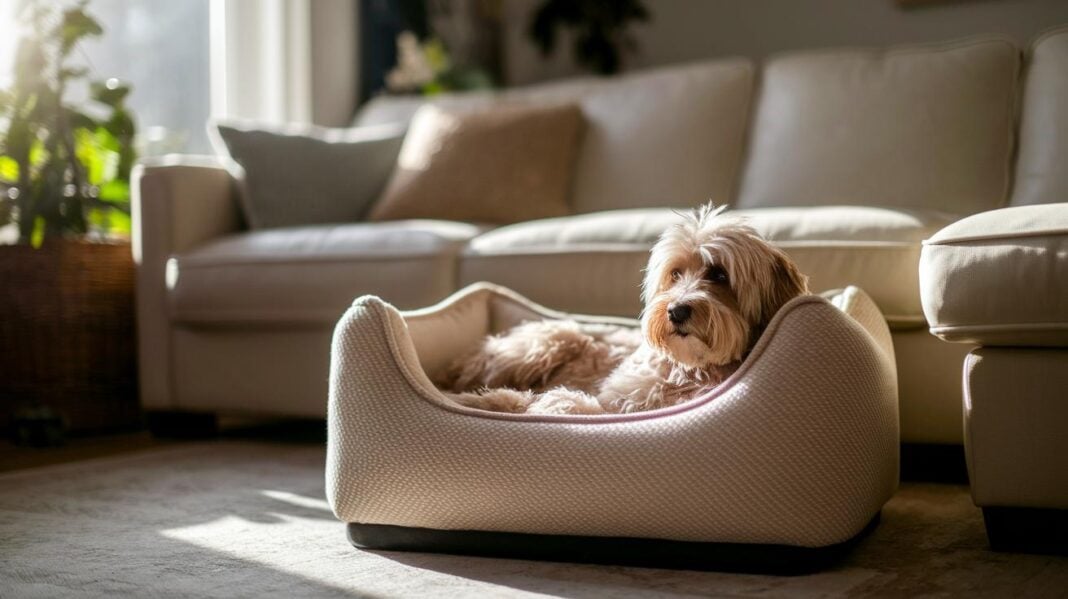
Ever wonder if your pet’s bed truly meets their needs? Picking a raised pet bed isn’t just about style. It can affect your pet’s comfort, joint support, and overall well-being. A good raised bed helps keep your pet cool on hot days and shields them from cold floors when it’s chilly.
In this guide, we highlight key features like sturdy frame strength and a design that lets air flow (which keeps your pet cooler). We want to help you find a bed that fits your pet like a glove.
Let’s dive in and find the best elevated pet bed for your furry friend!
Overview of Choosing an Elevated Pet Bed
When choosing a raised pet bed, start with the basics. Your pet needs a cozy, supportive spot with plenty of fresh air and simple cleaning. The right bed will be the correct size, built with a sturdy frame, made of breathable material, and easy to care for. A bed that is too small can cramp your pet and add extra strain on joints.
Check the weight rating to match your pet's needs. A strong frame stays firm even for active pets or those with joint issues. The fabric should let air flow so your pet remains cool on warm days. Think of a raised bed as a safe barrier: it lifts your pet off cold floors, keeps bugs at bay, and may even provide a pleasant view.
Key features to look for include:
- Frame material and strength
- Mesh or fabric breathability
- Proper elevation height
- Design for joint support
- Portability and stability
It’s essential to choose a bed that fits your pet’s length and weight. Veterinarians, hands-on testers, and customer reviews all agree, a durable, well-ventilated bed helps with joint support and heat resistance. Use this checklist to pick a bed that meets your pet’s needs and fits well in your home while keeping upkeep simple.
Key Features to Evaluate in an Elevated Pet Bed
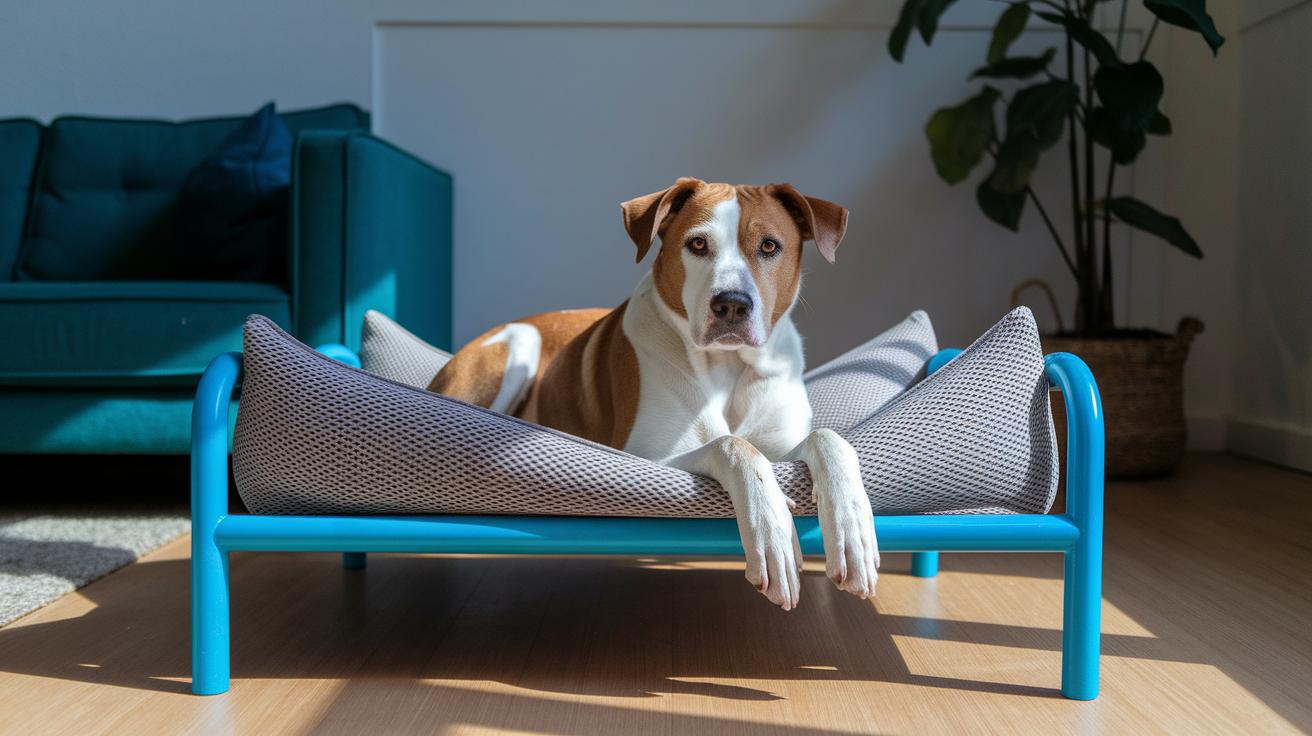
When choosing an elevated pet bed, think about what keeps your pet comfortable and what makes cleaning easy. Look for a design that helps air move around so your pet stays cool. For instance, Coolaroo Original uses a simple mesh that you can rinse off with a hose and lifts your pet about seven inches off the ground to keep them away from cold floors.
Durability is a big deal. Some beds, like the Kuranda, have a chew-proof PVC frame that stays strong over time. This is a great pick for older or arthritic pets who need a bit of extra joint support. For dogs who like some shade, Floppy Dawg Just Chillin’ comes with a mesh canopy to keep things breezy. For larger dogs, the Veehoo Cooling Elevated Dog Bed offers a scratch-proof mesh and is built to handle dogs up to 150 lbs. And if you have a very big pet or need a bed on the go, the K&H Cooling Cot features a collapsible steel frame designed to support 200–300 lbs.
Key features to consider include:
- Frame material and strength
- Breathable mesh or fabric
- Elevation height
- Joint support design
- Portability and stability
Each of these features plays a part in making sure the bed fits your pet's needs. A strong frame means less sagging, while good mesh helps with ventilation and cleaning. The right lift can ease the strain on your pet's joints, especially important for older pets. Plus, if you plan on moving the bed around, look for one that is both portable and stable.
By weighing these factors, you can pick an elevated pet bed that best suits your pet’s size, energy level, and specific needs.
Material and Design Comparison of Elevated Pet Beds
When choosing an elevated pet bed, think about what makes your pet comfortable and fits well in your home. The materials and design details affect how long the bed lasts, how easy it is to clean, and even how gently it supports your pet’s joints.
A PVC frame works well if your pet likes to chew. It is tough against bites and stays light. For larger and active pets, a steel frame is a better choice. It can carry more weight and folds flat when you need to store it.
When it comes to the fabric, rip-stop mesh is a good pick. It resists scratches and lets air move around, which keeps your pet cool on warm days. If you are after extra joint support, look for a bed with a wooden slat base and a cushioned top. This design helps ease pressure on your pet’s joints and adds a nice look.
| Material Type | Design Characteristic | Example Model |
|---|---|---|
| PVC frame | Chew-proof, lightweight | Kuranda Dog Bed |
| Steel frame | High capacity, collapsible | K&H Cooling Elevated Cot |
| Rip-stop mesh | Scratch resistance, airflow | K9 Ballistics Elevated Bed |
| Wood slat + cushion | Orthopedic support, aesthetic | Furhaven Elevated Couch |
This table sums up the key features of each material. Think about your pet’s habits and your living space to pick the bed that works best for a relaxed, comfy rest.
Sizing and Weight Capacity Guidelines for Elevated Pet Beds
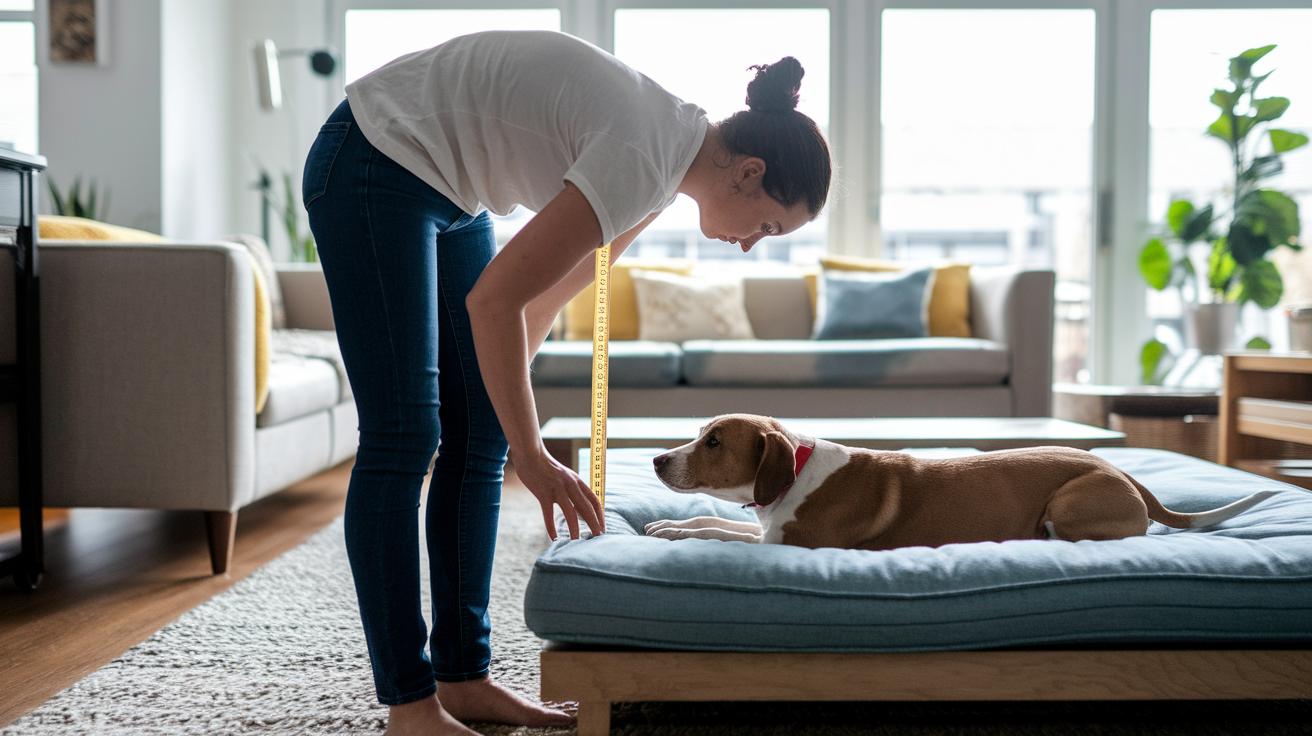
When you choose an elevated pet bed, start by measuring your pet from its nose to the base of its tail. Add six inches to that number for extra room to stretch and turn. For example, if your pet measures 24 inches, look for a bed that is at least 30 inches long. This extra space helps keep your pet comfortable and avoids crowding.
Different beds come with clear weight limits and sizes. The Veehoo bed, for instance, measures 59 x 37.5 inches and safely supports dogs up to 150 lbs (68 kg). This size works well for pets that need a bit more room while still benefiting from an elevated design.
For larger breeds, consider the K&H Cooling Cot. It is built to hold between 200 and 300 lbs (91 to 136 kg). Its strong frame and stable design mean it holds up well, even with regular use by heavier dogs. And if your pet weighs less than 30 lbs, a design like the Floppy Dawg cot is a smart pick, it fits smaller bodies without sacrificing durability.
Always check the manufacturer’s specs to match your pet’s measurements and weight. That way, you can be sure the bed offers lasting support and stability.
Indoor vs Outdoor Elevated Pet Bed Options
When deciding on a pet bed, think about where your pet spends most of its time. If your pet mostly stays indoors, look for beds with soft cushioning and a design that fits your home. For example, a couch-style bed like Furhaven offers extra support for your pet's joints and looks neat in a living room.
Outdoor beds need to handle the weather. A good outdoor option, like Coolaroo, uses UV-resistant mesh that holds up in direct sunlight and rain. This makes it a strong choice for patios, decks, or backyards where pets can roam free.
If you want a bed that works both indoors and out, consider something flexible like the K&H Cooling Cot. It collapses easily for travel or switching between inside and outside. With its sturdy steel frame, it stays steady wherever you set it up.
Another handy outdoor bed is the Floppy Dawg, which comes with a built-in canopy. This feature not only casts a quick shade on a sunny deck but also improves airflow to keep your pet cool during hot days.
Key points to remember:
- Indoor beds offer extra cushioning, a stylish look, and extra comfort for slower-paced lounging.
- Outdoor beds are built with weatherproof materials, are easy to move, and resist sun damage.
Pick the bed that best fits your lifestyle and local weather to give your pet both comfort and convenience.
Maintenance and Cleaning Advice for Elevated Pet Beds
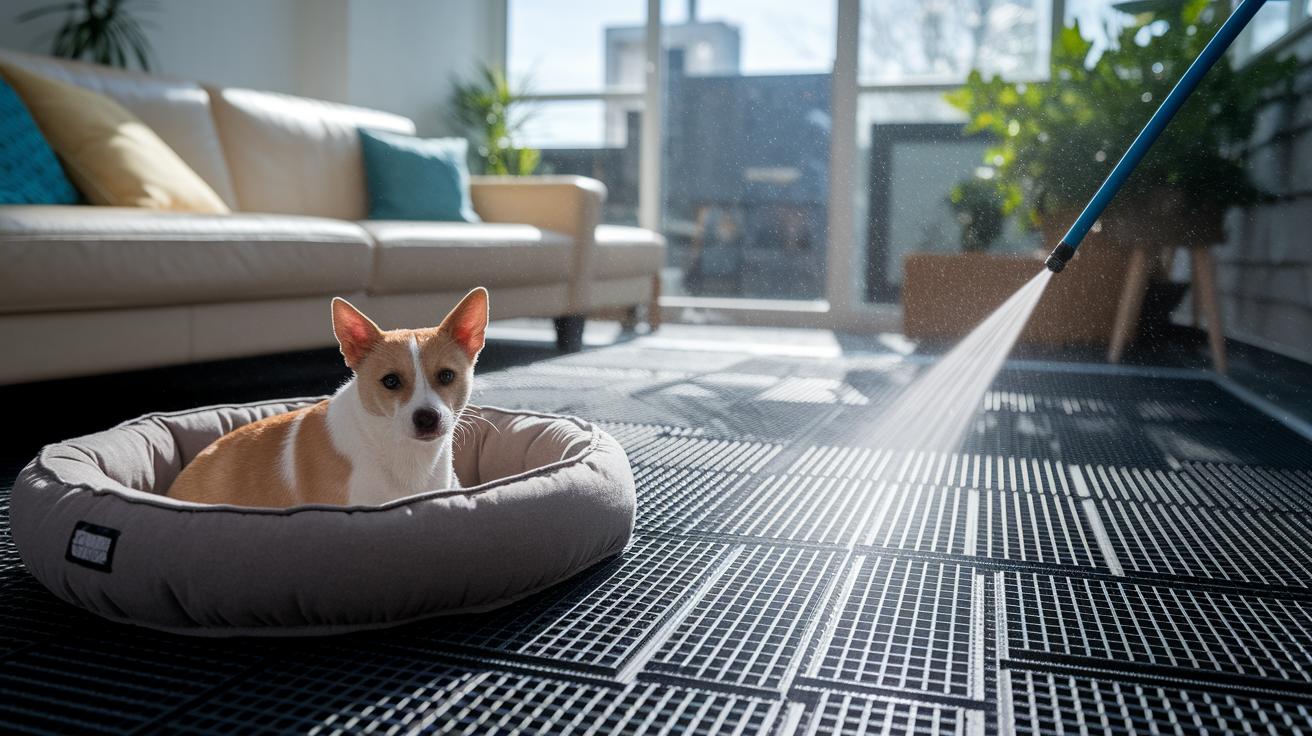
Keep your pet's bed clean and fresh with a few simple steps. Rinse the mesh surfaces with a hose every week. This not only makes the bed look neat but also stops dirt from blocking the airflow.
For PVC or steel frames, clean any spots with a little mild soap and water. This gentle wash removes stains and keeps the frame strong without causing any damage.
If your bed has a removable cover, take it off and toss it in the washing machine. Washing the cover helps deep clean the bed and makes it feel refreshed.
After cleaning, let all mesh parts dry completely. Air drying all pieces before putting them back together stops mildew from forming and keeps the bed durable.
Key cleaning tips:
- Rinse mesh surfaces weekly with a hose
- Spot-clean PVC or steel frames with mild soap and water
- Remove and machine-wash covers when possible
- Allow all mesh parts to air dry fully before reassembling
Regular cleaning like this makes sure your pet's bed stays safe and comfortable.
Budget and Value Assessment for Elevated Pet Beds
When choosing an elevated pet bed, it helps to match your budget with the features you need. For example, entry-level beds like the Coolaroo mesh cot come in at about $30. They provide basic airflow and cooling benefits, making them a good first step into the world of elevated comfort without costing a fortune.
Mid-range options, such as the K&H Cooling Cot, range from $50 to $80. These beds feature a stronger steel frame for added stability, which works well for bigger pets or those who are more active.
If your pet is a determined chewer or you want something built to last, consider premium beds like the K9 Ballistics models that are priced over $100. They are designed to be chew-resistant and offer long-lasting performance. Alternatively, cushioned wood-slat beds such as Furhaven’s run between $70 and $120. These beds provide orthopedic comfort and a stylish look that can complement your home décor.
Key price tiers include:
- Entry-level mesh cots (around $30)
- Mid-range steel-frame cots ($50–$80)
- Premium chew-proof models (above $100)
- Cushioned wood-slat styles ($70–$120)
Think about which features fit your pet’s needs and your budget before making a decision.
Final Words
In the action, we broke down key points on elevated pet beds from sizing and weight ratings to frame material, breathability, and ease of cleaning.
We walked through material comparisons, indoor versus outdoor choices, and practical maintenance steps.
Every section gave you a clear checklist on what to look for, ensuring you can make a smart, safe, and lasting choice.
Remember these insights when exploring how to choose the best elevated pet bed, your pet’s comfort and safety are worth every thoughtful check.
FAQ
How to choose the best elevated pet bed for large dogs and dogs overall?
Choosing the best elevated pet bed means looking at size, weight capacity, materials, support, airflow, and easy cleaning so your dog stays comfortable and supported regardless of breed.
What defines the best elevated dog bed?
The best elevated dog bed offers a sturdy frame, breathable fabric, proper dimensions, and easy maintenance, ensuring joint support and comfort for your pet over time.
What should I know about Elevated Dog Bed XXL or XL sizes?
Elevated dog beds labeled XXL or XL are designed for larger breeds, offering extra room, higher load capacity, and reinforced frames that keep your pet safe and comfortable.
What are the benefits of outdoor elevated dog beds or models with canopies?
Outdoor elevated dog beds, especially those with canopies, use weather-resistant materials and offer shade, making them ideal for decks and patios in sunny or rainy conditions.
How can an elevated dog bed support training?
An elevated dog bed for training gives your pet a designated resting spot that builds routine and reinforces positive habits with its comfortable, elevated design.
Do vets recommend elevated dog bowls?
Vets often suggest elevated dog bowls for better posture and to reduce strain in large or older dogs, but consult your veterinarian for advice tailored to your pet’s needs.
Are elevated dog beds worth it?
Elevated dog beds are worth it because they provide joint support, improve airflow, and simplify cleaning, resulting in a more comfortable, hygienic resting space for your dog.
Do dogs prefer circle or square beds?
Dogs’ preferences on circle or square beds vary; some like the cozy feel of circular beds, while others need a square design for extra room, depending on their sleeping style and size.