

Ever wonder if your pet’s bed is really as safe as it looks? A raised bed gives your pet a cozy spot while letting fresh air flow and easing joint pain. We take a close look at what makes a pet bed safe. We tested beds with strong frames, slip-proof bottoms, and non-toxic materials (which means no harmful chemicals) to keep your pet both comfy and secure. Read on to find out how a well-designed bed can make a real difference in your pet’s well-being.
Elevated pet bed safety features: Cozy Pet Comfort
Elevated pet beds raise your pet at least three inches off the ground. This boost improves air circulation and eases pressure on joints. It helps keep your pet cool in the heat and warmer in cold weather by reducing contact with cold floors. The design combines comfort with a secure resting place built with strong support.
Safety starts with a sturdy, raised base and materials chosen to withstand chewing and weather. Makers use top-quality, non-toxic materials (safe substances that do not harm your pet) and include features like rubber feet that prevent slipping on different surfaces. The firm frame and weatherproof finish ensure these beds can handle tough cleaning and long sun exposure.
Features include:
- Strong frame
- Anti-slip base
- Weight capacity guidelines
- Non-toxic materials
- Anti-tip design
- Weatherproof finish
When these features work together, your pet gets a secure space to rest. The strong frame prevents sagging and spreads your pet’s weight evenly. The non-slip base keeps the bed in place. Weight guidelines help you pick the right size for your pet. Plus, non-toxic materials and an anti-tip design add extra safety and longevity. A weatherproof finish protects the bed from UV rays and moisture, ensuring your pet’s spot stays safe, clean, and comfortable indoors or outdoors.
Frame Construction and Structural Integrity in Elevated Pet Bed Design
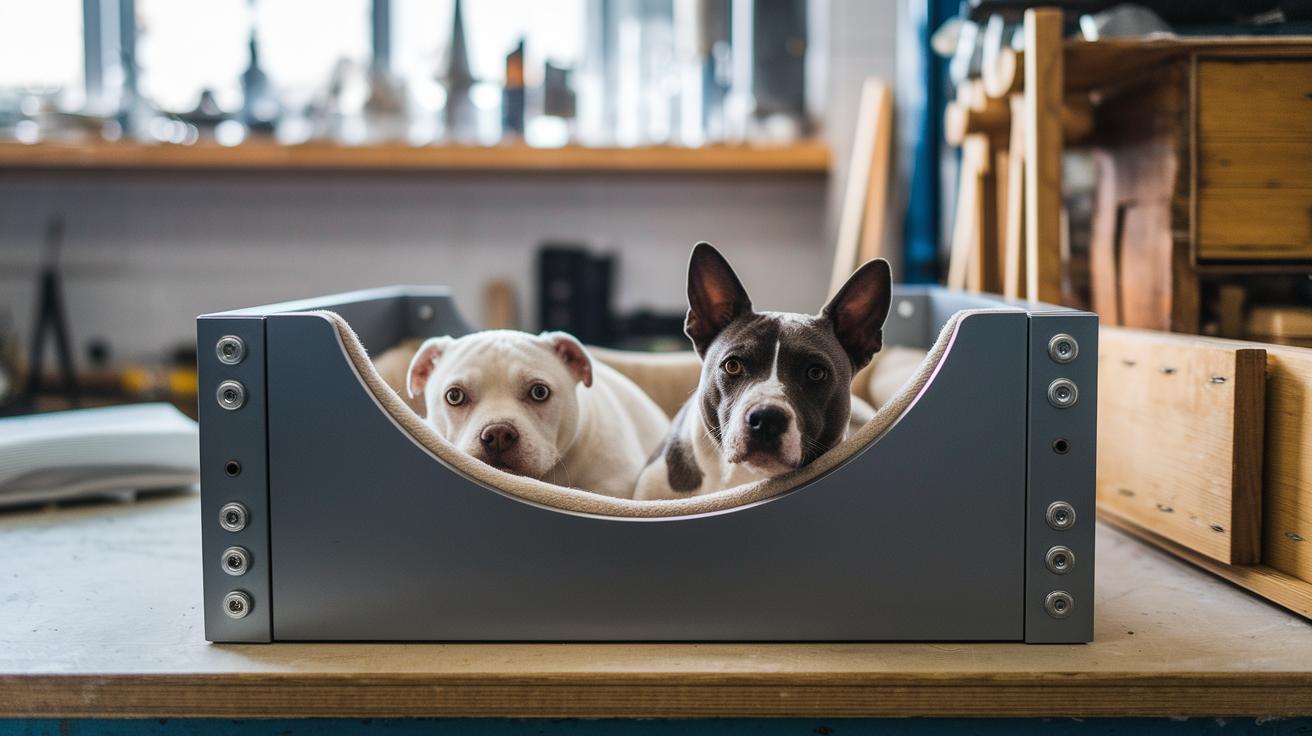
A strong, well-built frame makes all the difference in an elevated pet bed. It holds up over time and spreads your pet's weight evenly. This means the bed stays firm during play and cleaning, and it does not sag under pressure.
Choosing the right screws and making solid joints is just as important. For example, the Kuranda bed uses a furniture-grade poly-resin with stainless-steel screws that resist chewing and bad weather. The K&H Original has a steel tube frame that holds up to 150 lb by spreading the weight across four legs. Tight joints help avoid weak spots, so the bed does not wear out too soon. Testing like stress analysis and load checks make sure every joint stays secure. All of these steps work together to create a bed that remains strong even with everyday use.
| Frame Type | Material | Weight Capacity |
|---|---|---|
| Poly-Resin | Furniture-grade resin + steel fasteners | 100 lb |
| Metal Tubing | Welded steel tubes | 150 lb |
| Ballistic Nylon | Fabric stretched over frame | 120 lb |
Material Selection: Non-Toxic and Chew-Resistant Components for Elevated Pet Beds
Choosing safe, non-toxic, and chew-resistant materials is key for your pet's well-being. Makers pick tough fabrics like ballistic nylon (a heavy-duty fabric that holds up to biting) in beds such as the K9 Ballistics Chew-Proof. Models like the K&H Original use waterproof 600 denier fabric (a strong, water-resistant material) that stands up to wet play and spills, and is easy to clean.
They also add heavy metal frames and furniture-grade poly-resin (a sturdy plastic) to make sure the bed stays strong over time. Together, these parts build a bed that holds up against rough play and keeps your pet safe from loose debris or quick wear.
Surface treatments lower chemical risks even more. Anti-bacterial coatings and certified non-toxic finishes cut down on allergens and other health worries. Eco-friendly building methods mean the materials come from responsible sources. This extra care creates a clean, safe spot that fights damage and limits exposure to harmful chemicals.
Anti-Slip Base and Anti-Tip Design in Elevated Pet Bed Safety
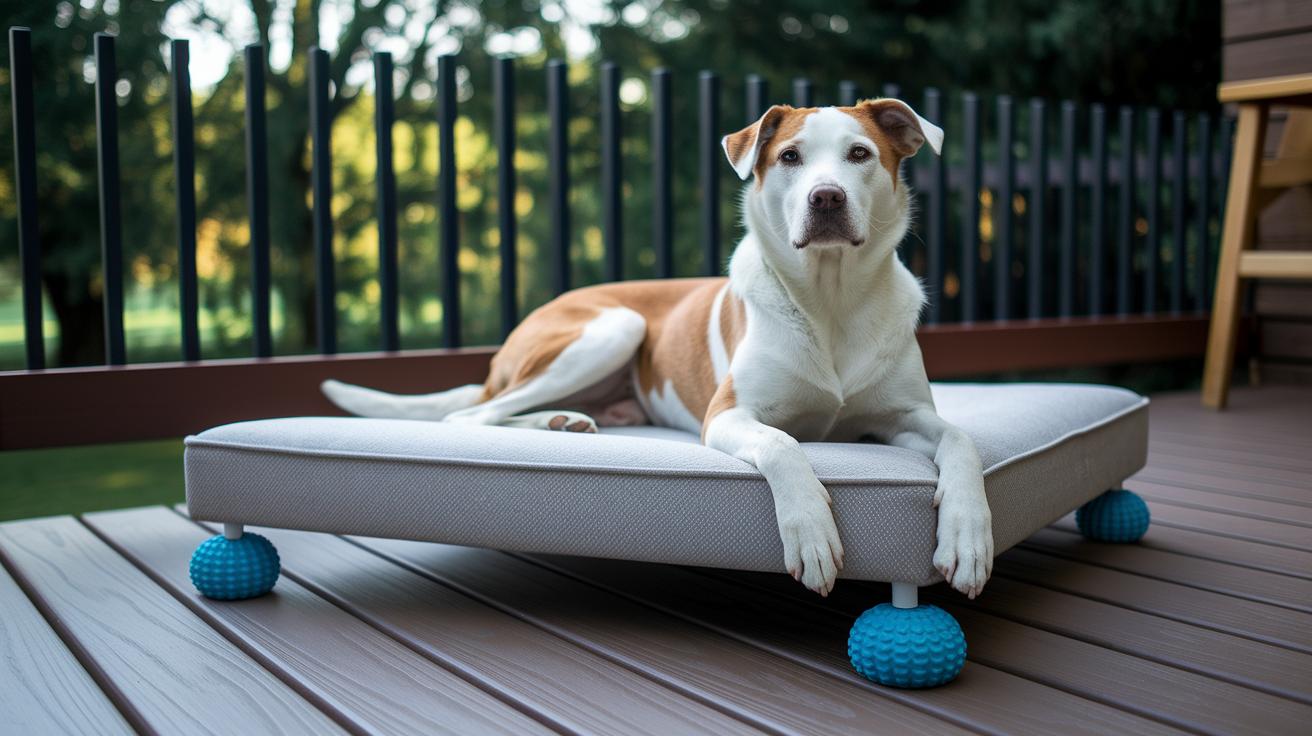
Elevated pet beds need a strong base to keep them safe. Good models use rubber feet that grip floors and decks. For example, the K&H Original Elevated Pet Cot has rubber feet that work like a non-slip mat. This design holds the bed in place even on wet or smooth surfaces.
The bed also features an anti-tip design. Wide legs, a low center of gravity, and built-in anchor rings work together to keep the bed steady. Think of it as a table with long legs that stays firm, even on bumpy ground. This balanced setup spreads weight evenly and gives your pet a secure spot to rest.
Weight Capacity Testing and Platform Load Limits for Elevated Pet Beds
Matching your pet's weight with the bed’s capacity is key to keeping them safe and comfy. For example, the K&H Original metal frame can hold up to 150 lb, which means it works well for larger dogs. To avoid early wear or a sudden collapse, always pick a bed that is rated higher than what your pet weighs. Think ahead too, if your pet grows or becomes more active, a higher weight rating offers extra support and helps the bed hold its shape during play.
We tested beds by checking how much stress the materials could handle and making sure the weight was spread out evenly. In our tests, pressure was applied at several points to see how the bed would react to a heavy load all at once. This ensures the platform doesn’t bend or break under pressure. Consistent performance checks make sure the bed meets safety guidelines by preventing sagging and overloading any one part of the support. These careful tests help protect both your pet and the bed's long-term durability.
Ventilation, Weather Resistance, and Seasonal Safety of Elevated Pet Beds

Elevated pet beds keep your pet cool and comfy. They sit at least three inches above the ground and feature a mesh center that lets air flow underneath. This design helps cool your pet on hot days and allows fresh air to circulate during colder weather.
Manufacturers use tough materials that resist UV light, water, and moisture. They also add stainless steel fasteners that do not rust. These choices help the bed stand up to strong sun, heavy rain, and spills while lasting through regular cleaning.
Easy-Clean Features and Hygiene Protocols for Elevated Pet Bed Safety
Elevated pet beds are built with easy cleaning in mind. They come with water-resistant, removable covers and frames you can quickly wipe down. This design helps keep your pet’s bed clean and safe while letting it last three to five years. You can simply remove the cover for a wash and wipe the frame to clean up spills or pet hair, keeping dirt, allergens, and odors at bay.
Routine checks are important. Look over the fasteners and fabric tension to catch any early wear. Many beds also have anti-bacterial surface treatments that help stop germs from forming. Follow a regular inspection routine and plan ahead for eventual replacement to keep your pet’s resting area fresh and secure.
Assembly Instruction Clarity and Secure Installation of Elevated Pet Beds
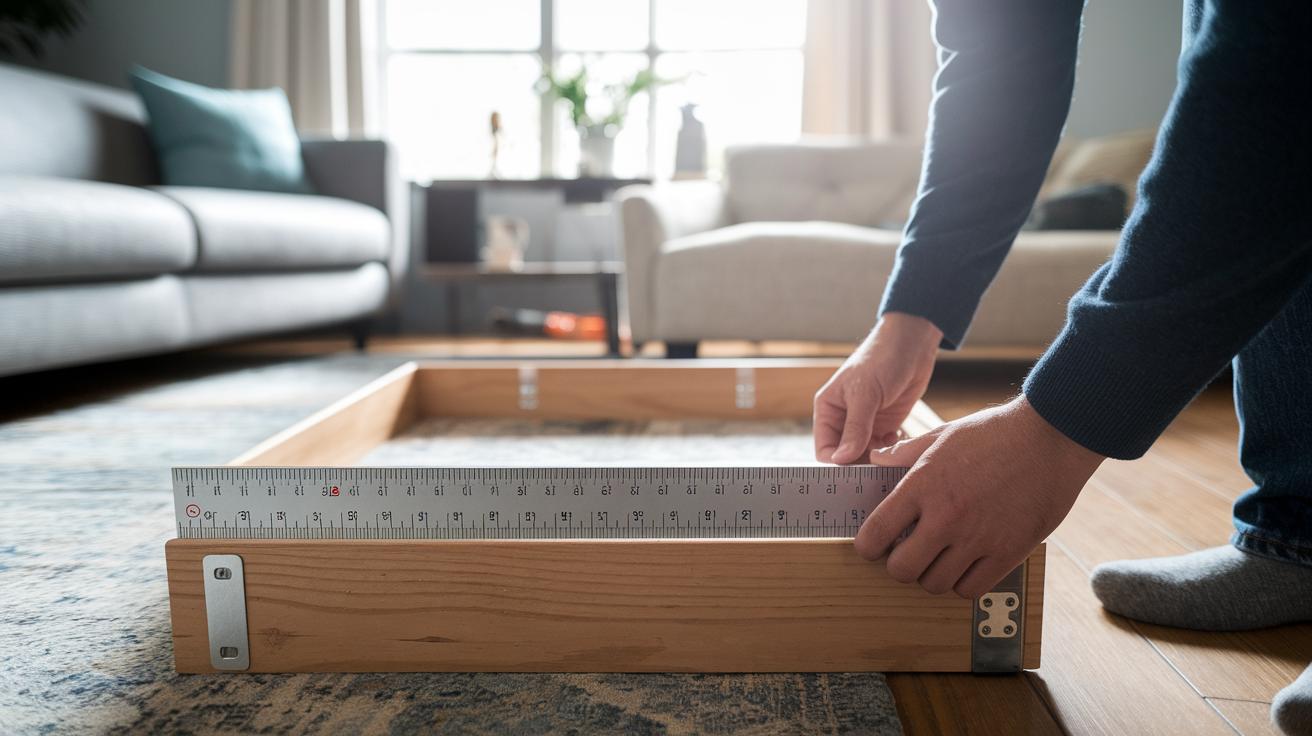
Clear instructions are key to a safe setup. When putting together an elevated pet bed, simple steps make it faster and more secure. Tool-free assembly cuts down on mistakes that can lead to wobbling or instability.
- Tighten all fasteners.
- Check that the platform is level.
- Do a weight test before the first use.
- Check the fabric tension along the frame.
- Secure any anchor points.
Taking your time during setup can stop design issues and misaligned parts that might weaken the bed. Make sure the frame lines up correctly and that stainless-steel fasteners (metal screws that resist rust) are tightened well. Custom sizing kits let you match the bed to your pet's size and your space, lowering risks. Follow the manufacturer's instructions closely. Every step is there to meet safety standards and boost long-term durability. With careful assembly, your pet will enjoy a strong, secure, and comfy place to rest.
Expert Recommendations and Placement Best Practices for Elevated Pet Bed Safety
Adding a few extras, such as extra bolsters, weather-resistant covers, or comfort pads, can give your pet more head and joint support. These little touches help stop pressure spots and make resting more comfortable, so your pet can sleep better and feel good overall.
Finding the right spot for your elevated pet bed makes a big difference. Indoors, set it on a flat, steady floor away from busy areas and drafts. A quiet corner or a space away from air vents creates a calm retreat. For outdoors, choose a sheltered spot that keeps wind and rain at bay, and secure the bed well to stop it from moving. This careful placement makes the most of its comfort features while keeping your pet safe.
Also, steer clear of areas that might pose hazards. Avoid spots where water gathers, where temperatures swing wildly, or where many people pass by. This keeps the bed secure and lowers the risk of it tipping over during everyday use.
Final Words
In the action, we broke down key safety elements for elevated pet beds. We covered frame stability, secure fasteners, weight capacities, and non-slip bases along with essential assembly checks. Clear material selections and maintenance tips ensure both comfort and durability. Practical placement advice and expert recommendations add extra peace of mind. Every detail helps keep your pet safe and happy. Enjoy the confidence that comes from knowing your pet is supported by elevated pet bed safety features.
FAQ
What are the benefits of an elevated dog bed?
Elevated dog beds improve airflow, help regulate temperature, and reduce joint pressure while keeping pets off cold or wet floors. They offer enhanced comfort and easier cleaning.
Are elevated dog beds orthopedic and good for arthritis?
Elevated dog beds can offer orthopedic support by reducing joint strain and better distributing weight, which may help relieve discomfort for dogs with arthritis.
Should dogs sleep on elevated beds?
Elevated beds provide better ventilation and support, keeping dogs off cold surfaces and reducing joint stress for improved rest.
Are elevated dog bowls better for dogs?
Elevated dog bowls help lessen neck and back strain by promoting a natural eating posture, which can improve digestion and overall mealtime comfort.
What makes the Kuranda dog bed popular?
The Kuranda dog bed is known for its strong, furniture-grade poly-resin frame and stainless-steel fasteners, offering chew-resistant durability and weatherproof design for indoor or outdoor use.
What makes raised dog beds for large dogs effective?
Raised beds for large dogs are built with reinforced frames and high weight capacities, ensuring sturdy support and lasting durability for heavier breeds.
How does a Coolaroo dog bed differ in design?
Coolaroo dog beds use breathable, weather-resistant fabric that promotes airflow and is ideal for both indoor and outdoor settings, offering lightweight yet durable comfort.
What distinguishes dog cots from regular dog beds?
Dog cots feature an elevated, mesh design that boosts air circulation and keeps pets cool, while providing a raised platform that protects them from cold or damp surfaces.