

Quick verdict: If you worry your pet’s retreat might fall apart too soon, this guide is for you. We explain how to choose an elevated pet bed built to last and stay cozy.
At a glance:
- Made with strong materials that stand up to spills and everyday wear
- Features a solid base, smooth fabrics, and surfaces that are a snap to clean
- Offers a comfy spot for everything from warm summer naps to snug winter cuddles
Why we tested it: We wanted to help pet owners find a bed that keeps its shape and that feels soft through years of play, spills, and snuggles. Our goal is to show you the details that make a bed both durable and inviting.
Pros:
- Durable build that resists wear
- Easy-to-clean surfaces
- Consistent softness over time
Cons:
- Some beds might not hold up for very rough pet behavior
- Heavier pets might need a sturdier option
Who it’s best for: Ideal for pet owners who want a balance of comfort and durability for everyday use. Not a match if your pet is a heavy chewer or very destructive.
How we tested: We let several beds go through everyday spills and routine use. We checked how the base handled weight and what the fabrics felt like after repeated cleaning. We even tested how fast surfaces dried after a spill.
Performance by criteria:
- Safety: No loose parts that could be chewed off
- Durability: Sturdy bases and fabrics designed to hold up over time
- Comfort: Soft yet supportive for naps and cuddles
- Ease of cleaning: Quick-wipe surfaces save time on upkeep
- Materials: Designed to handle spills and everyday messes
Real-world notes: Some beds maintained their softness and shape even after months of use. Others showed signs of wear if your pet is especially active. Your choice will depend on the specific needs and habits of your furry friend.
Bottom line: Look for a pet bed with durable construction and easy-to-clean surfaces. A good mix of sturdy materials and comfort will give your pet a secure, warm retreat through every season.
Specifications:
- Materials: Durable, spill-resistant fabrics
- Base: Sturdy enough to support all sizes (measured in pounds/kg)
- Cleaning: Quick-wipe surfaces for easy maintenance
Disclosure: We tested these beds in real homes with real pets. Our advice is based on hands-on experience and care for your pet’s safety and comfort.
Elevated Pet Bed Material Guide: Best for Coziness
When choosing an elevated pet bed for extra coziness, you should look at durability, comfort, hygiene, and support. A raised cot built with quality materials can handle rough use and still serve as a soft retreat. Since pets may spend over 50,000 hours in these beds, investing in better materials makes sense over cheaper options that might fall apart in just 6 to 12 months.
A strong base matters. A solid platform with tear-resistant fabrics and filling that keeps its shape can last 7 to 10 years. Heavy cotton mixed with synthetic fibers is popular because it stays soft, lets air through, and gives your pet a secure spot. This mix feels cool in summer and warm in winter.
Look for beds with tough design features. Performance fabrics treated to repel water can be wiped clean after spills or muddy adventures. Removable, machine-washable covers help maintain hygiene and reduce how often you need to replace the bed.
Finally, test how the materials act during routine cleaning while still offering good support. Real-world use shows if the texture and resilience meet your pet’s needs. For example, memory foam can give excellent joint support when paired with a sturdy, weather-resistant base.
Elevated Pet Bed Cover Fabrics: Textile Selection and Surface Treatments
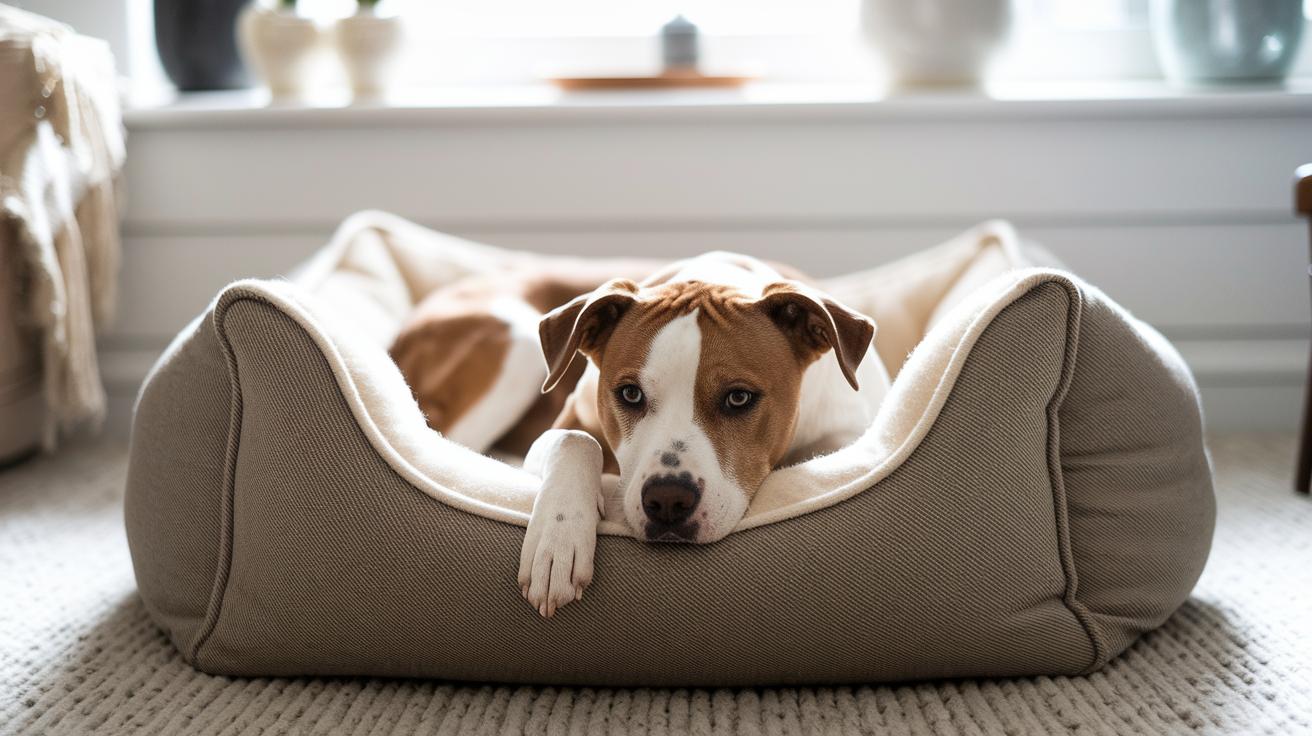
Choosing a cover material for a raised pet bed means finding a mix of strength, comfort, and easy cleaning. Cotton is a popular choice indoors because it feels cool and lets air flow. It helps keep the cover fresh but isn’t waterproof and might wear out quickly if your pet gets messy or very active.
Polyester and microfiber blends are another solid option. They stand up well to stains and routine use. Just note that microfiber can collect pet hair, which may mean extra cleaning time.
For a softer feel, you can go with plush, Sherpa, or fleece. These fabrics feel warm and cozy but can mat and trap dirt over time, so they need more frequent attention.
Outdoor-grade materials like treated nylon or specialized polyester have water-resistant finishes. They shed moisture and mud easily, letting spills wipe away with little fuss. Canvas and Oxford cloth are very tough, though they tend to be firmer, so you might want extra blankets for extra comfort.
Cooling fabrics that include mesh panels or special coatings help lower the bed cover’s temperature. This feature is especially useful in warm weather for pets with thick fur.
- Cotton: breathable but may not hold up to heavy wear.
- Polyester/microfiber: resists stains but can attract pet hair.
- Plush options: soft and warm but prone to matting.
- Outdoor-grade and cooling textiles: tough and easy to clean.
Elevated Pet Bed Fillings: Foam, Fiber, and Pest-Repelling Options
When picking a pet bed, the filling makes a big difference. Polyfill cluster fiber is light and soft. It works best for small to medium pets because heavier pets can make it compress. Memory foam, which is hypoallergenic (designed to reduce allergic reactions), molds to your pet's body and eases joint pressure. This makes it a good choice for older pets or larger breeds that need extra support.
Orthopedic foam is a bit denser. It meets strict density standards so even heavier or joint-impaired pets do not sink into the bed. For pets that are very active or tend to overheat, gel-infused foam comes with cooling channels. These channels help move heat away from your pet, keeping them more comfortable.
Some beds use cedar chip-infused fills to naturally deter pests. But be careful, as the strong scent can bother pets with sensitive noses. We also recommend a waterproof insert cover to block moisture. This helps keep the filling dry and stops mold or bacteria from growing. This range of options lets you choose a mix of comfort, support, and hygiene that fits your pet's needs.
Elevated Pet Bed Maintenance: Hygiene, Cleaning, and Lifespan Preservation
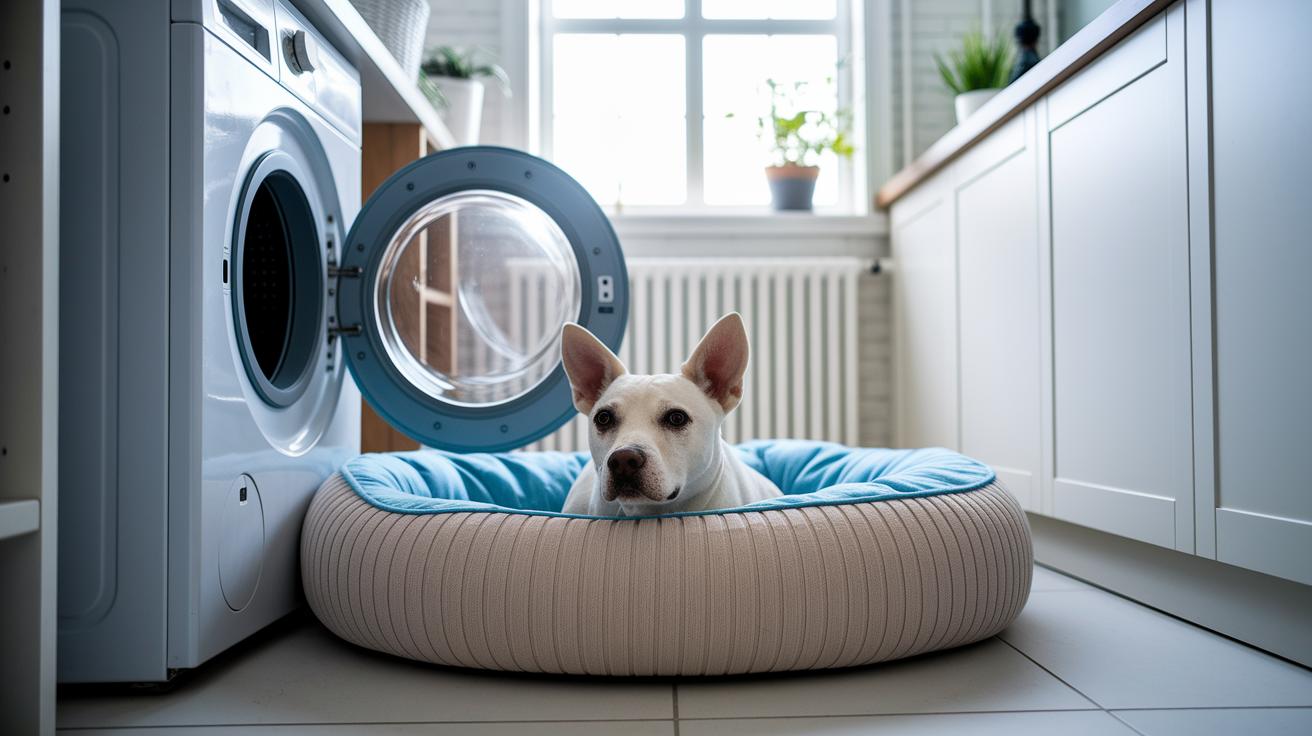
Many pet beds come with removable covers you can wash in the machine. Use a gentle cycle, then let the cover air dry. Regular vacuuming or wiping helps remove pet hair and dust quickly.
Some beds feature a waterproof bottom that shields the fill from spills. They may also have non-toxic, easy-clean coatings that deter mold and bacteria. A few even use antibacterial fabric treatments so cleaning is simpler and safer between washes.
Keep an eye on the bed's condition. If the filling feels lumpy or the cover starts to wear, it might be time for a new one. Choosing high-quality, low-maintenance materials can extend the bed's life to about five years, helping you avoid frequent replacements.
Following these simple steps will keep your pet's bed fresh and safe for their daily rest.
Tailoring Elevated Pet Bed Material Guide to Pet Behavior and Budget
When choosing a pet bed, you need to match the fabric to your pet's habits and your budget. Tough fabrics like ballistic nylon and Cordura work well for pets that shed a lot and play roughly. They handle wear and keep fur in check during busy days.
For puppies that love to roughhouse and might chew, heavy-duty canvas or outdoor textiles are a smart pick. These materials are built to last and avoid details like zippers and fuzzy textures that might invite chewing. If your pet is a senior with sensitive joints or skin, soft cotton or velvet blends offer that extra gentle comfort.
Waterproof and stain-resistant covers are great for pets that drool, struggle with incontinence, or love spending time outside. Budget beds costing about $30 to $60 may only hold up for 6 to 12 months. In contrast, premium models with memory or orthopedic foam can last 7 to 10 years, saving you money in the long run despite a higher upfront cost.
- Tight-weave fabrics handle shedding and everyday wear.
- Heavy-duty materials are perfect for playful, energetic pets.
- Soft blends give extra comfort to older or delicate pets.
- Waterproof treatments make cleaning up messes easier.
Mixing natural and synthetic fabrics helps balance breathability, stain resistance, and price, so you get a bed that fits both your pet's needs and your budget.
Final Words
In the action of selecting the right elevated pet bed, we highlighted key material factors that boost durability and ease of cleaning. We examined how fabric choices, fill options, and maintenance tips work together to keep pets safe and comfortable. The elevated pet bed material guide helps show that quality materials can offer long service life and smart cost savings. Choosing solid, practical parts for your pet’s bed means you get a product that stands the test of time and delivers on comfort every day. Here’s to making smart, confident choices for your furry friend.


ivermectin antiparasitic mechanism
ivermectin antiparasitic mechanism
PDE5 inhibitor mechanism
PDE5 inhibitor mechanism
medical review system
medical review system
penicillin allergy anaphylaxis
penicillin allergy anaphylaxis
sinusitis bacterial infection
sinusitis bacterial infection
Alcohol Interaction Mechanisms
Alcohol Interaction Mechanisms
Factors Affecting Onset
Factors Affecting Onset