

Quick Take: Dry kibble isn’t just crunchy food, it packs the vitamins and minerals that help your puppy grow strong and healthy.
Every bite delivers a burst of nutrients that boost weight gain and build firm bones. Think of each bite as a small power meal that helps muscles grow and even cleans your pup’s teeth, much like a built-in toothbrush.
It’s also simple to measure out, which makes feeding easy and helps with portion control. This tasty, no-fuss food supports your puppy’s dental care as well as overall nutrition.
In short, dry kibble might be the key to an active, balanced growth for your little friend.
Why Dry Kibble Is Ideal for Growing Puppies
Dry kibble is a smart choice for young pups. It gives them the vitamins and minerals they need to gain weight healthily and build strong bones. Think of every bite as a mini power meal that helps your puppy grow active and strong.
The crunchy texture of kibble not only supports growth but also helps keep teeth clean. As your puppy chews, the kibble gently scrubs away plaque like a built-in toothbrush, taking care of both nutrition and dental health.
Feeding time becomes easy with dry kibble. Its small, measured pieces let you control portions precisely, and its long shelf life makes storage a breeze. This means you can easily track your puppy's diet during this important stage of growth.
Nutritional Requirements and Ingredient Insights in Dry Puppy Kibble
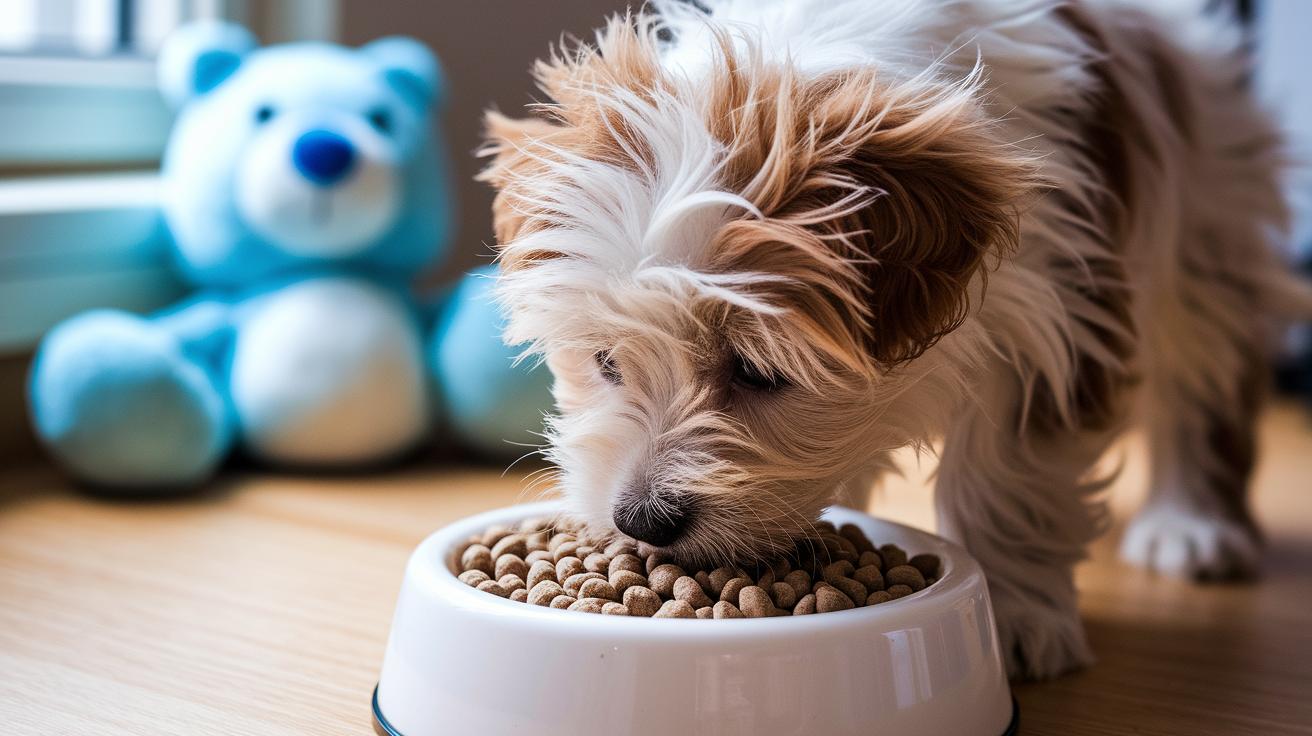
Dry puppy kibble is made with high-quality proteins like chicken meal, lamb, or fish. These proteins pack the essential amino acids your puppy needs to build strong muscles and grow well. Animal fats add concentrated energy, help absorb key vitamins, and even boost your pup's coat shine. One reviewer summed it up by saying the first crunch felt like a burst of energy on a bright morning.
Carbs come from wholesome sources such as brown rice or barley, giving steady energy and supporting smooth digestion. The fiber in these grains helps keep your puppy's tummy happy and regular. Some formulas also include DHA (a nutrient that supports brain and eye growth) and probiotics (good bacteria for gut balance) so that every bite feeds your pup from head to toe.
On top of proteins and carbs, these kibbles mix in vitamins and minerals that are vital for overall health. Calcium and phosphorus help build strong bones, while vitamins support a healthy immune system. The clear ingredient labels let you see exactly what your puppy is getting. And if your pup happens to be a picky eater, a gentle food topper or supplement might spark a bit more interest, though these AAFCO-approved formulas usually have all the building blocks a growing dog needs.
Comparing Top Dry Kibble Brands for Puppies
When picking dry kibble for your puppy, think about their age, size, and any special diet needs. Some formulas work best for little pups, while others are made for bigger breeds. We focus on products that use solid science and quality ingredients so your puppy gets the balanced nutrition it needs to grow strong.
| Product | Age Range | Key Feature |
|---|---|---|
| Hill’s Science Diet Dry Puppy Food | Up to 12 months | Balanced growth nutrition |
| Royal Canin Starter Mother & Babydog Dry Food | 3 – 8 weeks | Starter formula for newborns |
| Open Farm Ancient Grains Dry Puppy Food | 8 weeks to 12 months | Transparent ingredient sourcing |
| Royal Canin Large Puppy Dry Food | 2 – 15 months | Specialized for large breeds |
| Purina Pro Plan Small Breed Formula | Up to 1 year | Formulated for small breeds |
| Eukanuba Medium Breed Puppy Food | Up to 12 months | Nutrition for medium breeds |
| Natural Balance L.I.D. Salmon Recipe | 8 weeks to 12 months | Allergy-friendly option |
| IAMS ProActive Health Smart Puppy Food | 8 weeks to 12 months | Budget-friendly formula |
Your puppy's needs will differ. Smaller breeds might prefer kibble that is easy to chew and packed with energy, while larger pups need food that supports strong bone and muscle growth. For puppies with sensitivity to certain ingredients, an allergy-friendly option can offer a gentler mix. Use the table above to quickly decide which product fits your pet’s stage and breed best.
Feeding Guidelines and Transitioning to Dry Kibble
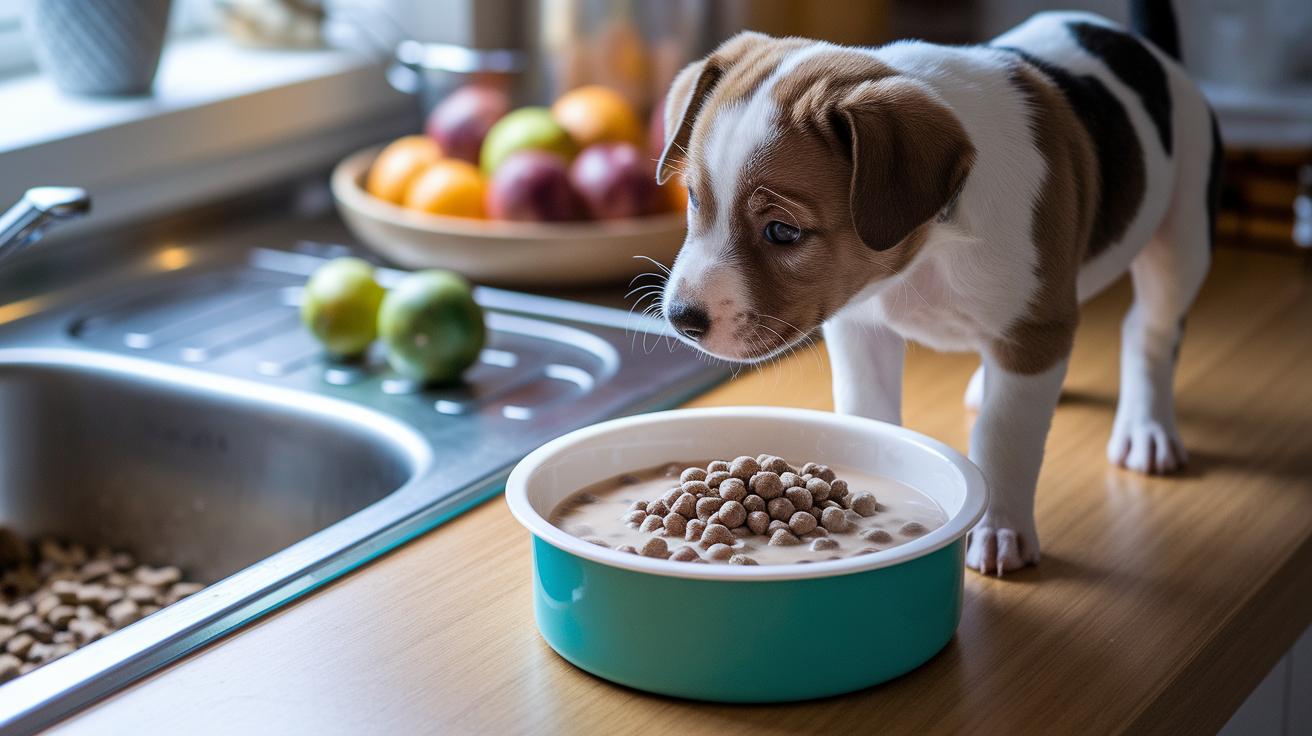
When your puppy reaches 8 to 10 weeks, it's time to introduce dry kibble. Before then, starting a weaning process around 4 to 5 weeks helps them slowly move from mother's milk to a mix of wet mash and kibble. Begin with a blend that is easy for small mouths: mix one part dry kibble with three parts warm water or puppy formula. This creates a soft, mushy texture that makes the switch easier. Always check with your vet or look at the food packaging to ensure you’re following the right steps.
Keep a close eye on your puppy's health during this period. They should steadily gain weight and stay lively. If you notice loose stools or other signs of digestive upset, it might mean the transition is happening too fast. Adjust the mix slowly, and watch how your puppy reacts to make sure they get the nutrients they need while their tummy adjusts.
Steps for transitioning to dry kibble:
- Mix one part dry kibble with three parts warm water or puppy formula.
- Offer small portions of this mixture several times a day along with nursing.
- Gradually cut back on the liquid over about two weeks.
- By 6 weeks, let dry kibble make up more of their meal.
- Monitor your puppy’s interest in eating and digestion, then tweak the mix as necessary.
As your puppy grows, you will also need to increase their portion sizes. Watch their weight and energy levels, and adjust the meal amounts to support their developing needs.
dry kibble for puppies: Quality Nutrition for Growth
Small breeds need food made for tiny mouths. Purina Pro Plan Small Breed Formula comes in bite-sized pieces that small pups can chew easily. Its mix of protein and fat gives these little dogs the extra energy they need without overloading them.
Medium breeds do best with a balanced blend of calories and nutrients. Eukanuba Medium Breed Puppy Food offers a moderate-sized kibble with the right mix of proteins, fats, and carbohydrates. This helps support steady growth and consistent energy without stressing their growing systems.
Large breeds require food that encourages slow, controlled growth. Royal Canin Large Puppy Dry Food has larger, chewier pieces for healthy chewing and good dental care. Its lower calorie count and precise vitamins and minerals work together to support strong bones and joints as these pups grow.
Tips for Storing and Maintaining Freshness of Puppy Kibble
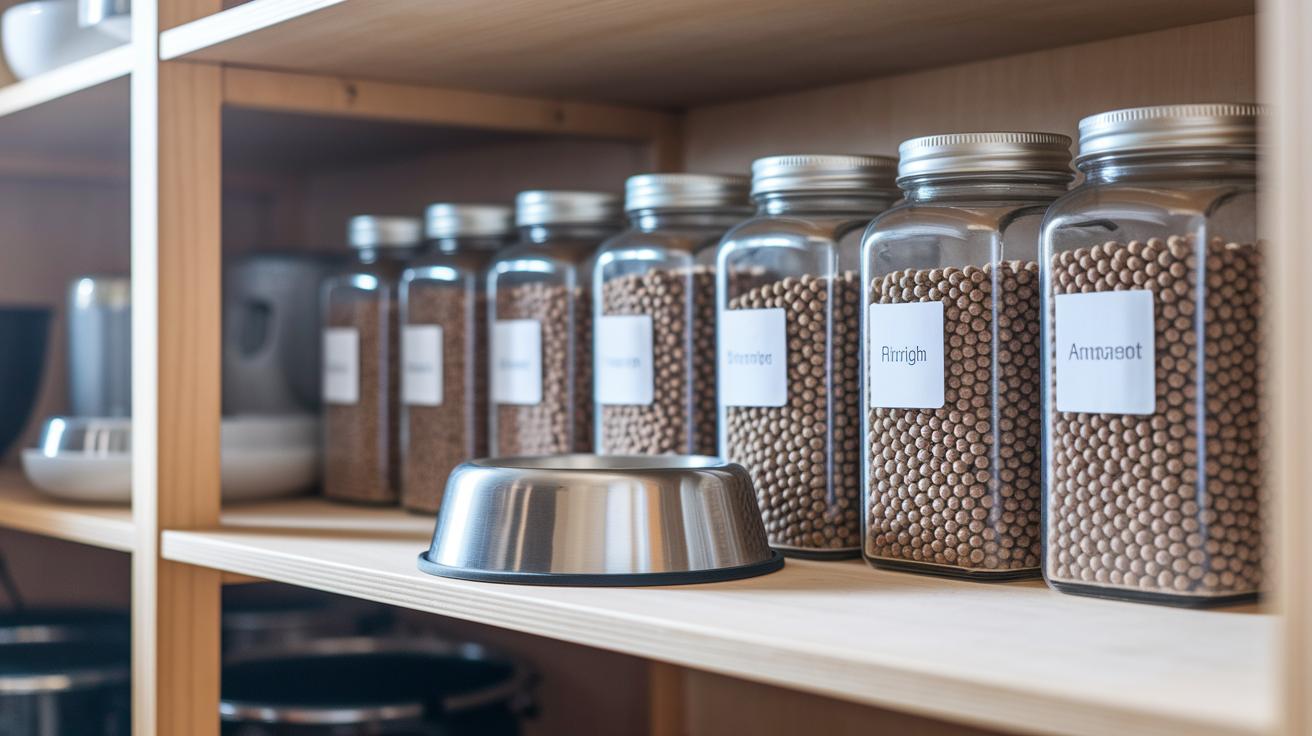
To keep your puppy's food fresh, store the kibble in airtight containers like glass jars or sturdy plastic bins made for food. Choose a container that seals tightly to block out air and moisture. Place these in a cool, dry spot such as a pantry or a closed cabinet where heat and sunlight are kept at bay.
Keep the storage area low on humidity to avoid spoilage and pests. High moisture can harm the food and decrease its quality. If you want to double-check the air quality, grab a small hygrometer (a tool for measuring humidity) and monitor the spot regularly.
For best results, use older kibble first by checking expiration dates, and consider splitting large quantities into smaller containers. Always reseal the container tightly after each use to lock in the flavor and essential nutrients your growing puppy needs.
Final Words
In the action, we broke down how dry kibble for puppies meets growing pups' nutritional needs. We saw its solid nutrient profile, ease of transitioning from milk, and breed-specific options that promote proper weight gain and strong bones. We also shared storage tips to maintain freshness and portion control ideas. These practical insights help you pick a balanced, safe formula without guesswork. Embrace this approach to fuel your puppy's growth with confidence and keep mealtime simple and effective. Enjoy watching your little companion thrive.
FAQ
What does the dry kibble for puppies recipe mean?
The dry kibble for puppies recipe means specially formulated options that mix proteins, fats, and carbs in balanced amounts to ensure healthy growth and lasting energy for young pups.
What is the best dry kibble for puppies including small breeds?
The best dry kibble for puppies offers a complete mix of essential nutrients, supports bone growth and dental health, and can be tailored for small breeds with proper calorie density and texture.
How does vet-recommended puppy food support small breeds?
Vet-recommended puppy food for small breeds provides AAFCO-approved nutrition with optimal protein, fats, and micronutrients, ensuring healthy development while addressing the unique needs of smaller pups.
What does the number 1 healthiest dog food imply?
The number 1 healthiest dog food implies a formula loaded with high-quality ingredients and balanced nutrients, though the choice can vary based on a puppy’s specific health needs and growth stage.
What are some top dry puppy food brands?
Top dry puppy food brands include Hill’s Science Diet, Royal Canin, Purina Pro Plan, and others, each offering formulas that support proper growth, dental health, and overall nutrition.
Is dry kibble good for puppies?
Dry kibble is good for puppies because it delivers balanced nutrition, supports healthy tooth development through its crunchy texture, and offers easy storage with a long shelf life.
At what age can puppies start eating dry kibble?
Puppies can usually eat dry kibble around 8 to 10 weeks old after a weaning period, allowing them to adjust gradually to solid food without digestive upsets.
What is the 7 7 7 rule for puppies?
The 7 7 7 rule for puppies is a guideline that recommends specific feeding practices and portion sizes during early growth, though details may vary and should be confirmed with a vet.