
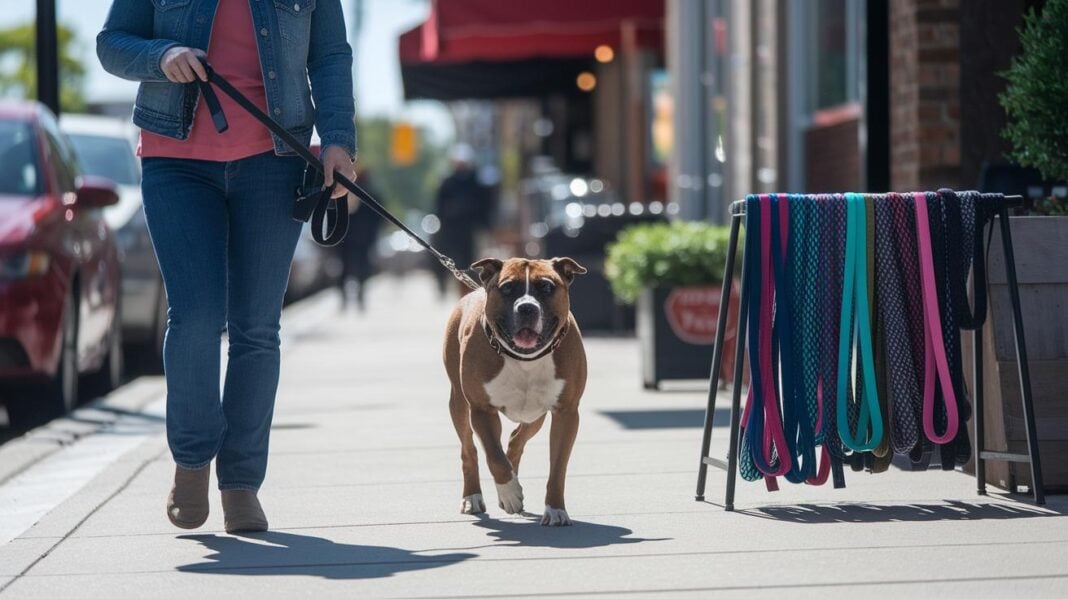
Quick verdict: No-pull leashes are a smart choice if your dog tends to pull hard. Traditional leashes can leave you both feeling out of control and unsafe. No-pull leashes are built with tough materials and built-in shock absorbers (parts that soften the pull) to help you stay in charge. We tested a few models designed for strong pullers to bring you options that make walks calmer and safer.
Top Reviewed No-Pull Dog Leashes for Strong Pullers
Standard leashes often fail when the pulling gets heavy. They aren’t built strong enough or designed for forceful tugs. This is why no-pull leashes are a smart choice. They are made to give you control on high-energy walks.
Here’s what to look for:
- Material quality: Biothane stays flexible in cold and heat (works from freezing temps up to 180°F), leather gets a firmer grip over time, and nylon is light with bright, visible colors.
- Hardware ratings: Look for bolt snap clips rated at 225 lb and frog clips that can handle about 4,900 lb. These parts keep the leash secure during strong pulls.
- Shock absorption: Some leashes have bungee-style designs with internal rubber tubes that help soften sudden lunges. This feature eases shocks for both you and your dog.
- Leash length: Options range from a firm 8 ft for tight control to longer versions that still let you manage your dog well. Pick the length that fits your training style and walking needs.
- Handle design: Good handles are ergonomic, meaning they fit comfortably in your hand. This is key on long walks or when you need to stop suddenly, as it helps cut down on hand fatigue.
These features combine to offer better control when walking strong pullers. High-quality materials stick up against bad weather and rough surfaces while still giving a secure hold, even when your dog is in full pull mode. The sturdy hardware and shock-absorbing design lower the chances of breakage and help prevent injuries for both you and your pet. With a leash built like this, you can finally manage your dog’s energy, cut down on tug-of-war moments, and enjoy a steady, predictable walk.
Choosing the Right No-Pull Leash for Your Pulling Dog
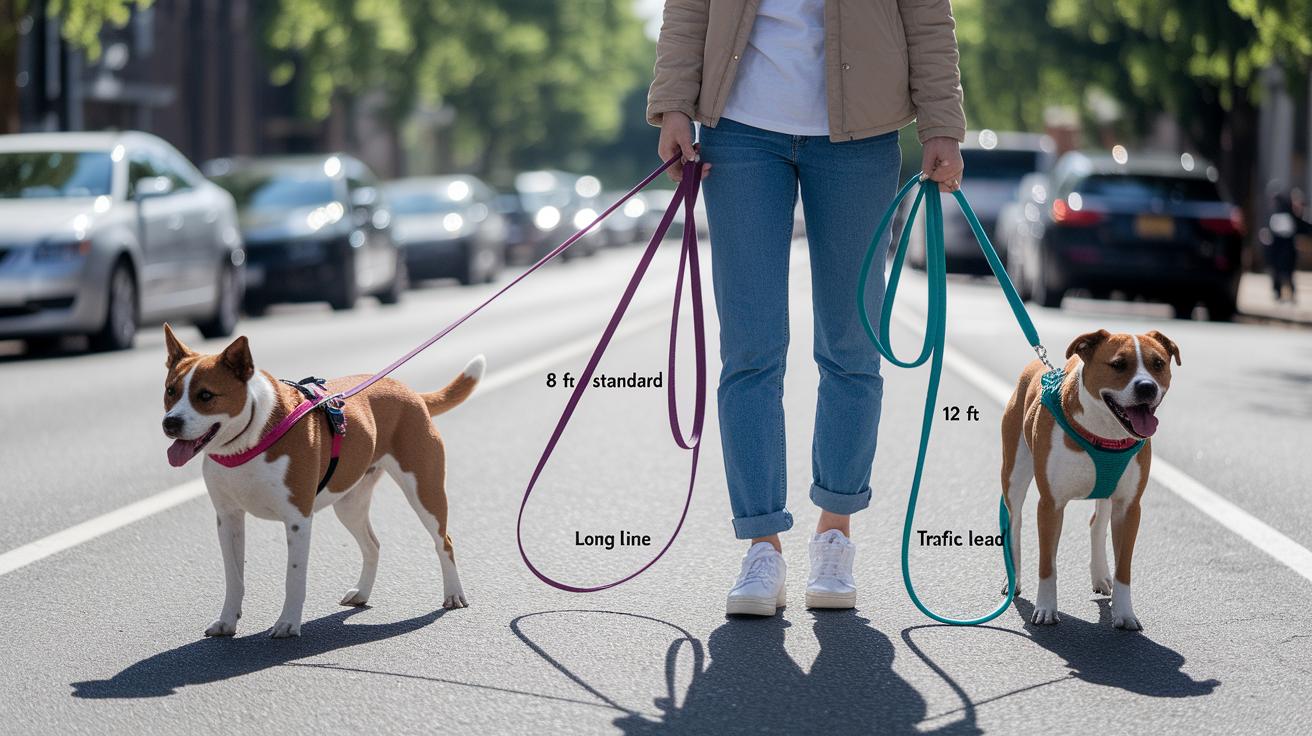
Quick verdict: The leash you choose depends on your dog's size and how hard they pull. Standard leashes, which range from 8 ft to 18 ft, work well for everyday walks. If you need to keep your dog very close, a traffic lead under 18 inches is a better pick. For active or working dogs, like those in police or military roles, a working lead between 32 and 52 inches gives you tight control with quick response options.
Why we tested it: We compared different leash types to see which ones hold up best in real walks. We looked at clip designs, stitching methods, and materials.
Key points:
- Clips: Bolt snaps and frog clips hold strong even with sudden tugs.
- Stitching: Methods like box stitching (a square pattern that strengthens seams) and bar tack reinforcement (extra stitches on stress points) protect the handle and loops.
- Materials: Biothane stays flexible and works well in hot or cold weather; leather gets a firmer grip over time; nylon is lightweight and often comes in bright colors for extra visibility.
This mix of secure hardware, smart stitching, and tough materials means you get a no-pull leash that stands up to rough walks while keeping your dog safe and under control.
Leash Types to Avoid When Walking Dogs That Pull
When you walk a strong puller, the wrong leash can work against you. Thin cords or extra long leads may add extra force when your dog tugs. A leash that does not absorb shock or share the pull evenly can break at the worst time. This makes walks stressful and raises the chance of injury for both you and your dog during sudden lunges.
Avoid retractable leashes that use thin cords because they can snap under tension. Flimsy, narrow leads tend to fray when used heavily. Chain leashes add extra weight, which can encourage your dog to pull even more. Overly long leashes give your pet too much room to gain leverage, making it much harder to control them.
Combining No-Pull Leashes with Behavior Training
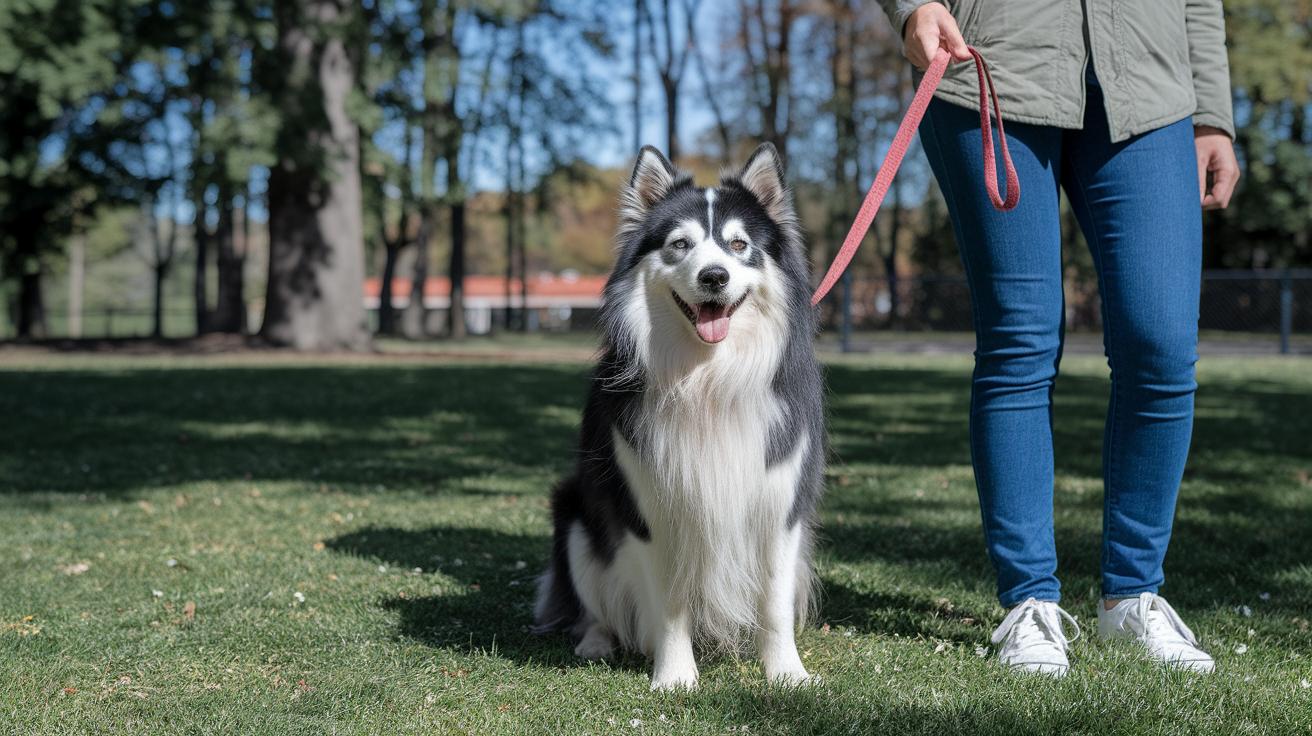
Quick verdict: A no-pull leash paired with smart training turns wild walks into fun outings for you and your dog.
Dogs pull for many simple reasons. They get excited by new smells and sights, feel uneasy in busy places, or may just not have had clear, steady training. Sometimes working breeds pull more because it comes naturally, and an ill-fitting leash makes things worse. Choosing a popular leash designed for active dogs helps control strong tugging and sets you up for better behavior management.
When you pair the right leash with clear training, walking becomes more controlled. Use simple cues like stop-and-go and "heel." Reward your dog with praise or a little treat when they listen. Many vets trust a well-recommended restraint tool for heavy pullers because it supports safe walks without over-reliance on treats. Together, these techniques make walks smoother and more enjoyable for both you and your dog.
Maintaining and Testing Durability of Heavy-Duty Dog Leashes
Keep an eye on your leash for any signs of wear. Quickly check the stitching on the handle and loop areas. These extra-strong seams stop the handle from coming apart when your dog pulls hard. Also, spend a moment looking at the hardware. Make sure bolt snap clips and frog clips are firm and free of rust. A small flaw can weaken the leash, so a quick look after every walk is a smart move.
Different materials need different care. Biothane can be wiped down with a damp cloth and still shrug off rain. Leather leashes need conditioning every 3–6 months to keep their grip and flexibility. Nylon leashes usually handle a gentle wash in cold water. Also, store your leash away from really hot or cold spots to keep it in top shape.
Inspection and Cleaning Tips
• After a muddy walk, wipe down biothane leashes.
• Use a good leather conditioner on leather leashes every few months.
• Wash nylon leashes in cold water on a gentle cycle.
• Check clips, rings, and attachment points once a month for early wear.
Final Words
In the action, we broke down top no-pull leash features, stacked up key specs, and flagged common mistakes to avoid. We shared material benefits from leather to biothane and offered tips for keeping your gear safe and clean. Our guide also linked leash choice with training strategies for firmer control on every walk.
These insights help you pick models that suit different dog sizes and strength. Use our breakdown to find the best dog leashes for dogs that pull and enjoy safer, smoother walks.
FAQ
Q: Is a walking leash for dogs that pull effective?
A: A walking leash for pullers is designed to absorb shocks and control sudden lunges, offering a more secure walk for both you and your dog.
Q: Which leashes are best for dogs that pull according to Reddit and Amazon reviews?
A: Reviews show that heavy-duty leashes with bungee-style shock absorption, durable materials, and robust hardware work best for dogs that pull, making them reliable for strong dogs.
Q: What type of leash is best for a dog that pulls?
A: The best leash for a dog that pulls incorporates strong materials, shock-absorption features, and secure clips to minimize sudden jerks while offering you better control.
Q: What is the number one trick to stop your dog from pulling on the leash?
A: The number one trick involves pairing a no-pull leash with consistent training cues like stop-and-go and “heel” commands, which help redirect your dog’s focus during walks.
Q: What leashes do vets recommend for pullers?
A: Vets often recommend robust leashes made from biothane or heavy-duty nylon with secure clips and, when needed, harness options to evenly distribute pressure and enhance control.
Q: Which Ruffwear leash options are popular for dogs that pull?
A: Ruffwear offers popular options like the Front Range, Switchbak, and Roamer, all designed with secure hardware and durable fabrics that provide dependable control for both small and large dogs.
Q: Is the Ruffwear Switchbak dog harness effective when used with their leashes?
A: The Ruffwear Switchbak harness works well with Ruffwear leashes by distributing pressure evenly and providing a better grip, which helps reduce pulling and improves overall control.
Q: What is the best lead to stop dogs from pulling?
A: The best lead to halt pulling has a shock-absorbing design, strong, rated clips, and durable materials, ensuring a secure and consistent walking experience without unwanted tension.
Q: What features should I look for in a heavy-duty leash for large dogs?
A: A heavy-duty leash for large dogs should feature robust stitching, shock absorption, durable materials like leather or biothane, and hardware rated for high tension to ensure safe and controlled walks.