
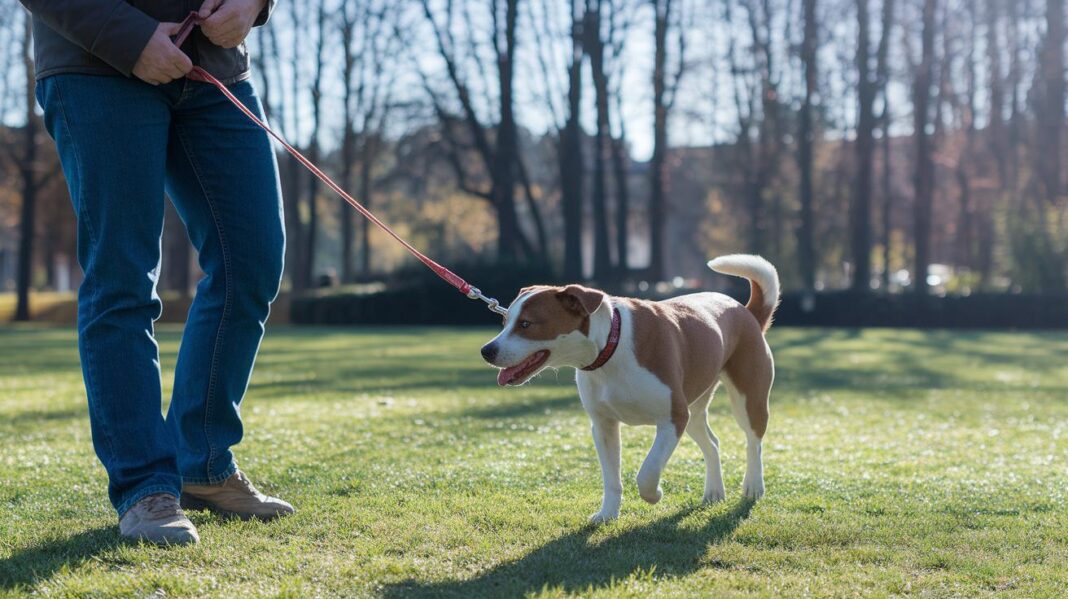
Quick verdict: A solid training leash can help you guide your dog better on walks while keeping both of you safe and comfortable.
At a glance:
- Strong hold for control
- Safe way to correct pulling
- Turns walks into teaching moments
Have you ever felt frustrated when your dog pulls on walks? You know how hard it is to balance control with comfort while trying to teach proper manners. A training leash can be the answer. A well-made, sturdy leash gives you confidence and helps your dog learn how to walk by your side.
We tried several types and found that the right training leash not only keeps your dog secure but also helps you build a better bond along the way. Instead of a stressful tug-of-war, each walk turns into an opportunity for guidance and fun learning moments.
Pros:
- Gives you firm control when needed
- Works safely to correct unwanted behavior
- Makes training part of everyday walks easier
Cons:
- May not work well for very heavy or strong pullers
- Some models can feel a bit stiff until your dog adapts
Who it’s best for:
Dog owners who struggle with pulling during walks will find a training leash very useful. It is a simple tool that can make walks more manageable and improve your dog’s manners. If you have a very active or special-needs dog, choose one that suits their strength and size.
How we tested it:
We used different training leashes over several walks. We focused on how well each one held up under tugging, how comfortable it felt for both owner and dog, and whether it made training simpler during regular outings.
Performance by criteria:
- Safety: It holds strong during pulls.
- Durability: It withstands regular use and light chewing.
- Comfort: Both you and your dog enjoy using it.
- Ease of cleaning: Most designs make for simple upkeep.
Bottom line:
If your dog tends to pull, a training leash could be just the tool you need to guide them better while keeping walks safe and stress-free. It transforms a basic walk into a chance to build better behavior and a stronger bond.
How Dog Training Leashes Improve Canine Control and Obedience
Dog training leashes help you keep control during training sessions and outdoor work. They give you a strong, secure hold to quickly correct unwanted behavior and encourage good manners. This is especially helpful when your dog pulls or loses focus. Plus, a sturdy training leash keeps your dog safe in public places, which is important for both legal and safety reasons.
There are a few types of training leashes, each built for a specific need. Slip leads let you gently guide your dog quickly but need careful use to avoid any accidents. A martingale-style leash applies steady, gentle pressure so your dog cannot slip away. Some control ropes come with padded grips that keep your hand comfortable during long training sessions while still being tough enough to handle rough play.
When you choose a training leash, consider your dog’s size and strength. Big dogs might need a wider and tougher leash to handle strong pulls, while smaller dogs can benefit from a lighter, more flexible option that supports good recall. Whether you’re training in a home yard or out on a brisk walk, a leash that adjusts easily and stays secure in any weather gives you extra confidence during every session.
Studies show that dogs trained with the right leash respond faster and have fewer moments of confusion during outings.
Essential Features of Effective Dog Training Leashes
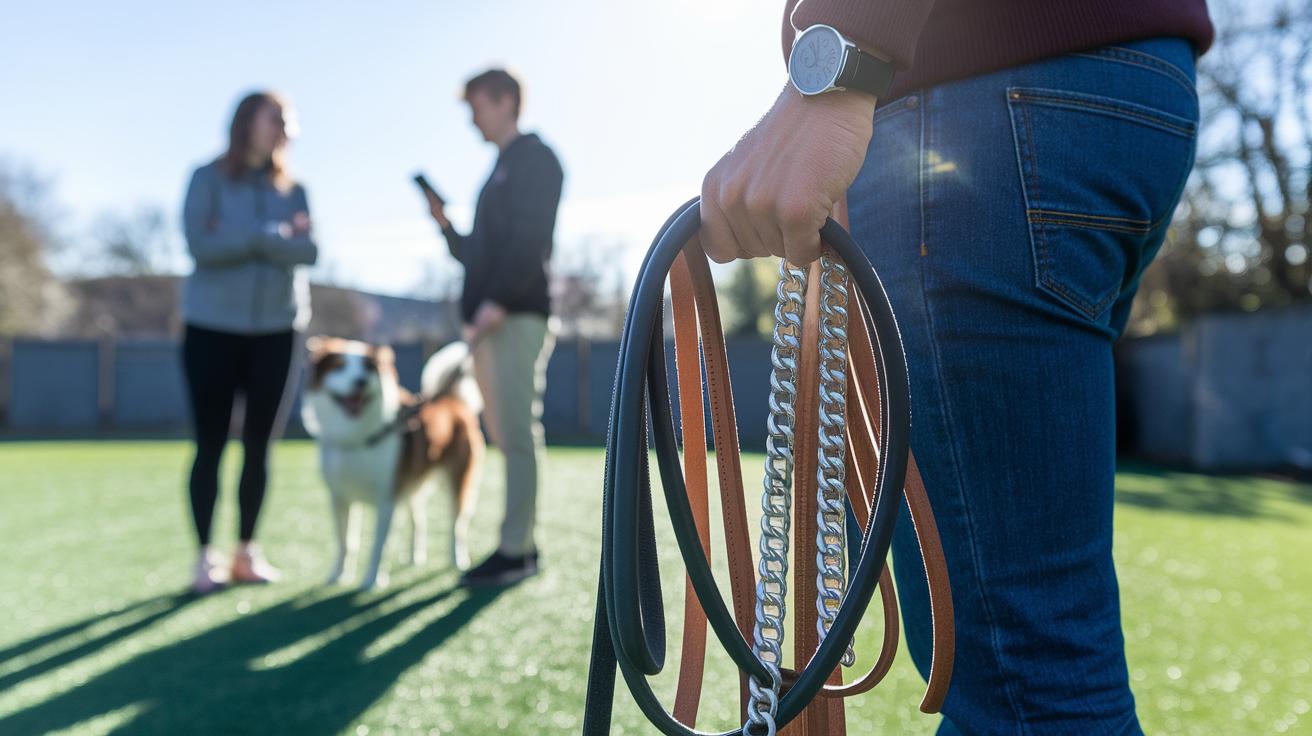
A good training leash starts with strong, quality materials. Many leashes are made of nylon because it is cheap and tough. Nylon stands up well to everyday wear. Some leashes are made of leather for a neat look and lasting strength. If your dog likes to chew, a chain leash might be safer. Some leashes also have reflective strips so you can see your dog in dim light.
The design is important too. An adjustable lead gives you the right length to help your dog learn commands. A padded grip keeps your hand comfortable on long days of training. If your dog is strong or likes to chew, a heavy-duty leash with a wider handle can give you extra control. Clip choices matter as well; while bolt snap clips are popular, trigger snap clips are tougher and stay strong over time.
For everyday walks, think about if you need an indoor or outdoor leash. A water-resistant rope works well on rainy days, keeping both you and your dog safe.
Try this simple test: use a padded grip leash on a rainy day walk. Notice how a secure, comfortable hold can make a big difference in your training session.
Types of Dog Leashes for Training: Slip Leads to Traffic Lines
Slip leads are a top choice for trainers, breeders, and rescue workers because they let you quickly take control. They work best when you use the right technique. If you slip the lead over your dog's head too loosely, it can cause discomfort or even slip away. Think of it like handling something dangerous without enough care, you want to avoid any harm.
Martingale leashes give you another option by reducing the chance of over-tightening when you pull. They work with a gentle squeeze that can be easier on dogs who might not do well with a too-tight slip lead. The EZ Trainer, developed with help from a top obedience expert, makes using head-halters easier by putting less pressure on sensitive areas. This can be a real game-changer when you’re out in the field.
Snap leads are also a handy choice. They work well with double-braid collars and other styles, giving an extra layer of safety when you need a quick correction. In city settings, a retractable training tether might let your dog have a bit more freedom while still staying under control. You can even use an adjustable control lead to set the perfect distance for training.
Traffic leads are very short, usually about 1.5 feet (45 cm), and come in leather or polypropylene. They are great for keeping control in tight spaces and are ideal for handling larger dogs in busy areas. For events like competitions or field training, check cords, longer snap leads, let you maintain a safe distance while keeping your dog secure.
Other options include standard leashes, adjustable designs, chain leashes for dogs that chew, multiple-dog leads, seat-belt safety leashes, harnesses, and bike attachments. Every type has its own ups and downs, so choose the one that fits your training style and your dog's behavior.
Matching Training Leads to Dog Size and Behavior
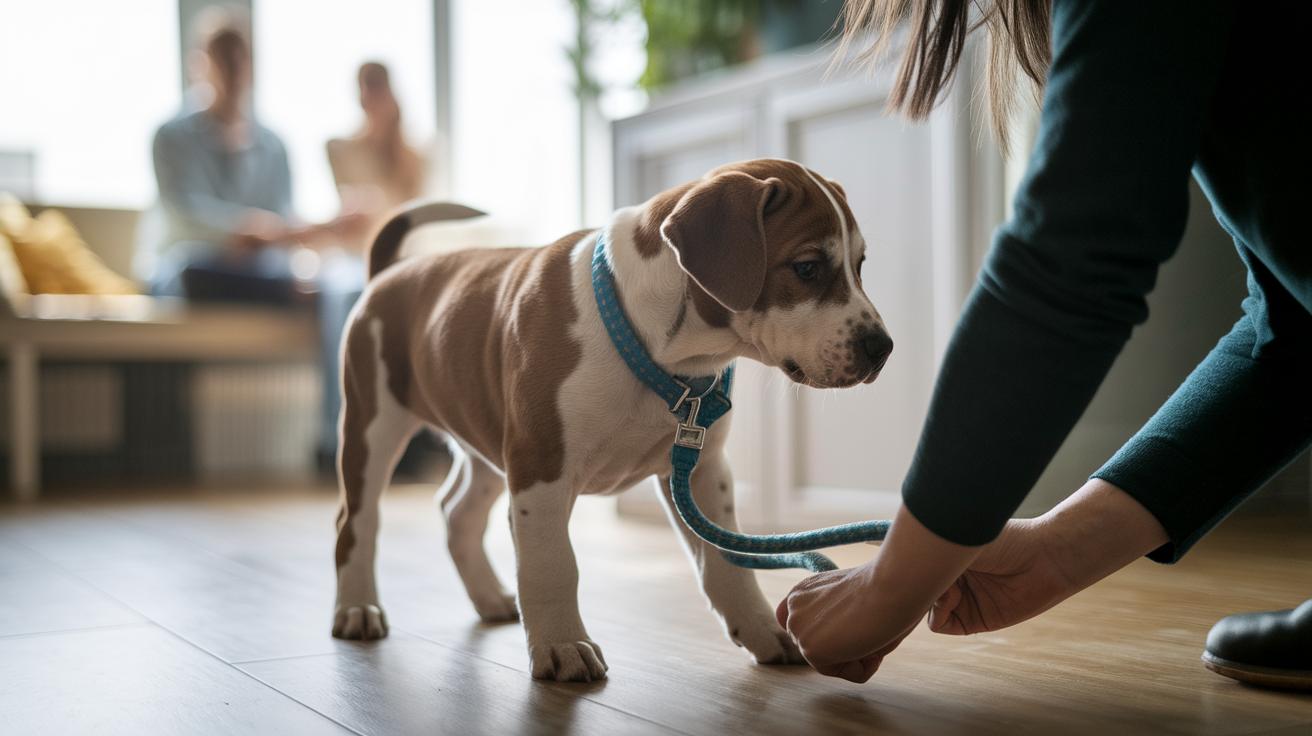
When it comes to picking training leads, it pays to match the style to your dog's size and habits. For young pups, an adjustable puppy tutor rope or a sturdy puppy guidance tether works well indoors to set clear boundaries. One trainer said her pup learned quickly to stay close during short walks thanks to the adjustable fit.
Small breeds benefit from a lightweight control lead that avoids putting pressure on their joints while still keeping them secure. One pet owner mentioned that using this lead indoors made training safe and boosted their confidence during unexpected visitor drop-ins.
If your dog is larger or tends to pull hard, a heavy-duty teaching tether is a better fit. Experts advise this option for dogs over 50 lb (23 kg) because it stands up to energetic play. As one trainer observed, the heavy-duty tether is a go-to during park sessions for keeping an energetic dog in check.
For outdoor training on rough terrain or in rainy weather, choose a rugged outdoor training tether made with water-resistant materials. And if your dog reacts strongly in busy settings, a safe walking canine tether with anti-pull features can help manage those situations.
| Product Type | Unique Feature |
|---|---|
| Adjustable Puppy Tutor Rope | Gentle fit for early training |
| Small Breed Control Lead | Lightweight to prevent joint strain |
| Heavy-Duty Teaching Tether | Extra strength for larger dogs |
| Rugged Outdoor Training Tether | Resists weather and rough terrain |
| Safe Walking Canine Tether | Anti-pull features for reactive behavior |
Expert Techniques with Specialized Dog Leashes
Field training demands tools that give you firm control without distracting your dog. Many trainers rely on check cords and traffic leads for quick fixes during busy drills. One trainer said a check cord helped him correct a sudden pull on the field without breaking his dog's focus. Head halters like the EZ Trainer also ease pressure on your dog's neck, making it easier for them to follow commands during tough sessions.
Dual-handle training ropes are a smart choice for recall drills. When you use both handles, you can quickly adjust your grip as your dog moves around. This approach keeps your pet safe and helps reinforce your commands. Extended reach ropes work great for off-leash sessions, letting your dog enjoy some freedom while you still keep a secure hold.
In group classes, a tutor rope designed for multiple dogs makes control simpler in tight spaces. This tool lets you adjust the distance and pace for each dog so everyone gets proper attention.
Here are a few tips to get the best results:
- Set up a clear training zone so each dog has enough space.
- Use both handles during recall drills to adjust quickly to your dog's speed.
- In group classes, rotate your focus among the dogs to maintain balanced control.
For agility and obedience drills, combining these techniques with dog agility gear can help you create a safe, all-around training environment. Mastering these tools will make your training sessions more effective and help your dog respond confidently and securely.
Top-Rated Dog Training Leashes: Reviews and Recommendations

Our team picked these training leashes based on real user feedback and hands-on testing. We looked for leashes that are built strong, offer safety features, and stay comfortable over time. Customers like finding a good mix of budget options and premium models that work in different settings.
Quick verdict: If you need a leash for daily training that won't break the bank, check out our budget-friendly control lead. It has a solid build, a secure clip that stops sudden releases, and works well for everyday walks and training sessions. One owner mentioned, "I bought this leash last month, and its grip and build quality surpassed my expectations. It is great for a tight budget without sacrificing safety."
For those ready to spend a bit more, a premium model adds extra comfort and features like reflective stitching for low-light walks. This leash is popular with pet owners who train indoors and outdoors. Extra reinforcement around stress points helps it last longer, even on energetic sessions. As one user put it, "In a busy park session, this leash stood up to wear and tear, securing my energetic dog while keeping me confident."
Another favorite is the canine tether rated highly on Amazon. Its pull-deterrent design makes it a top pick during agility drills or field exercises. Pet owners appreciate its reliable performance and sturdy design.
Key features driving our recommendations include:
- Strong build for tough training sessions
- Padded grips and adjustable lengths for comfort
- Options that fit different training styles and budgets
If you’re looking for a dog training leash that combines safety with performance, these choices are worth a try.
Maintaining and Ensuring Safety with Training Leashes
Taking good care of your training leash helps it last longer and keeps training sessions safe. Wipe off dirt and debris after every use. If your leash is water resistant, let it air dry completely before storing it to prevent mildew.
Check the hardware and fabric often. Look for small cracks in the clip or fraying on the webbing (the material of the leash). These issues can put you and your dog at risk. Make sure the reflective parts are intact because they increase visibility at night and help you follow local leash laws. Also, use the right fit and manage the tension so your dog stays comfortable.
Follow these simple tips:
- Wipe down and let the leash air dry after use.
- Inspect clips, seams, and fastenings regularly.
- Store the leash in a dry area.
Staying on top of these steps keeps your leash reliable and your training sessions safe for both you and your pet.
Final Words
In the action, we broke down how specialized dog leashes boost control and obedience in everyday training. We detailed the materials, features, and best options for every dog size and behavior.
We showed how expert techniques and proper maintenance help keep training safe and enjoyable. This guide simplifies choices so you can focus on improving your dog's skills with dog leashes for training.
Keep testing different options with confidence, and enjoy watching your pet thrive.
FAQ
What are the best training leashes for dogs that pull?
The training leashes for dogs that pull offer extra control with adjustable lengths and padded handles. They help discourage pulling while keeping both owner and pet safe during walks.
What are good training leashes for large dogs?
The training leashes for large dogs are built with durability and extra length. They use sturdy nylon or leather and secure clips to handle stronger pulls and maintain control.
What training leash options are recommended for puppies?
The training leashes for puppies are lighter and adjustable to fit growing pups. They offer gentle control with soft materials that protect delicate necks during early lessons.
What features define a professional dog training leash?
The professional dog training leash is designed with robust construction, secure clips, and often dual handles. It provides precise control and is built for versatile training scenarios.
What training leashes work best for small dogs?
The training leashes for small dogs are shorter and lighter, featuring padded grips and adjustable lengths. They ensure safety and close control tailored to a smaller frame.
What leash do dog trainers recommend?
Dog trainers recommend leashes that combine durability with control, such as adjustable leads with dual handles. They offer flexibility and reliable performance during diverse training sessions.
What is the 3-3-3 rule for dog training?
The 3-3-3 rule means practicing a new command for three minutes, repeating it three times per session, and holding three sessions daily to build effective habits and engagement.
What is the hardest command to teach a dog?
The hardest command to teach is usually the recall (coming when called). It demands consistent practice with distractions and high-value rewards for the dog to respond reliably.
Why do dog trainers not recommend harnesses?
Dog trainers sometimes avoid harnesses because they can encourage pulling by giving too much freedom. Using a collar with a training leash generally offers better control and communication.