
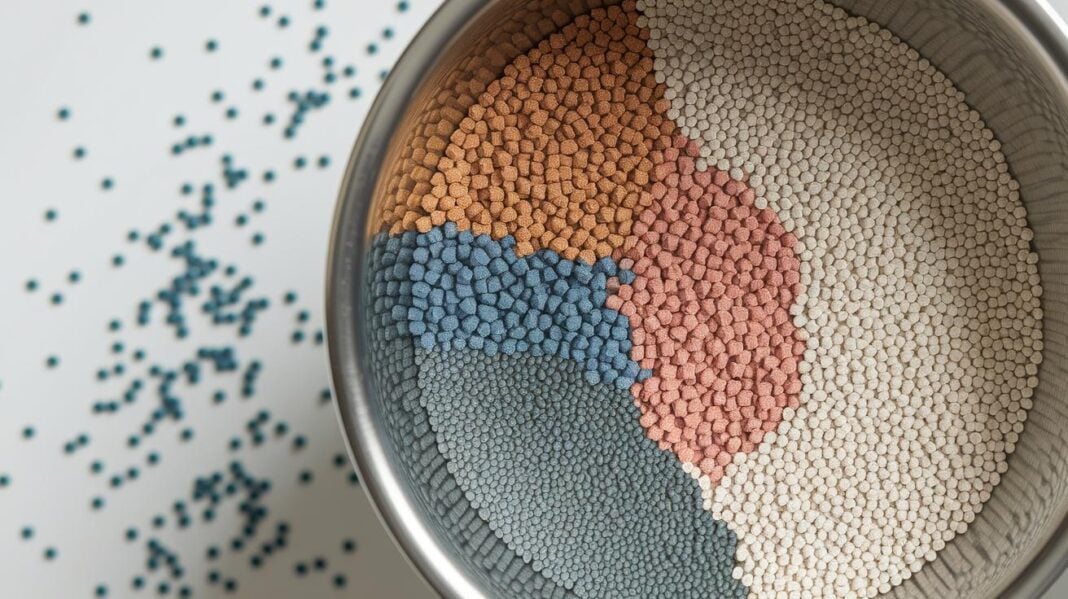
Ever wondered what's really in your cat's litter? It isn’t just dust. Most litters begin with minerals like clay or silica gel crystals (tiny pieces that absorb liquids). Others add recycled materials or plant-based ingredients. Each type works a little differently – some clump up for easy cleaning, while others trap odors to keep your home smelling fresh. We take a closer look at these ingredients to help you pick the best option for your cat and your home.
Core Components of Cat Litter Materials
Cat litter comes in three main types, each with its own benefits for keeping odors down, forming clumps, and caring for the environment. Traditional clay litters use minerals like bentonite and Fuller’s Earth. They soak up moisture or form solid clumps that are easy to scoop. Silica gel crystals come from quartz sand. Their tiny pores trap liquid waste for up to a month, helping to control smells. Biodegradable litters mix natural things like recycled fibers and plant-based granules to give you an eco-friendly option with less dust.
- Clay (bentonite, Fuller’s Earth)
- Silica gel crystals
- Recycled paper and wood byproducts
- Plant-based granules (corn, walnut, pine)
Clay litters work great for strong absorbency and clumping, though they can sometimes create dust. Silica gel crystals lock in odors for a long time, so you spend less time cleaning. Biodegradable litters may not clump as well as clay, but they are a solid choice if you want a greener product. These options let you pick a litter that fits your cat’s habits and helps you manage cleaning, smell, and environmental concerns.
Clay-Based Cat Litter Ingredients and Their Properties
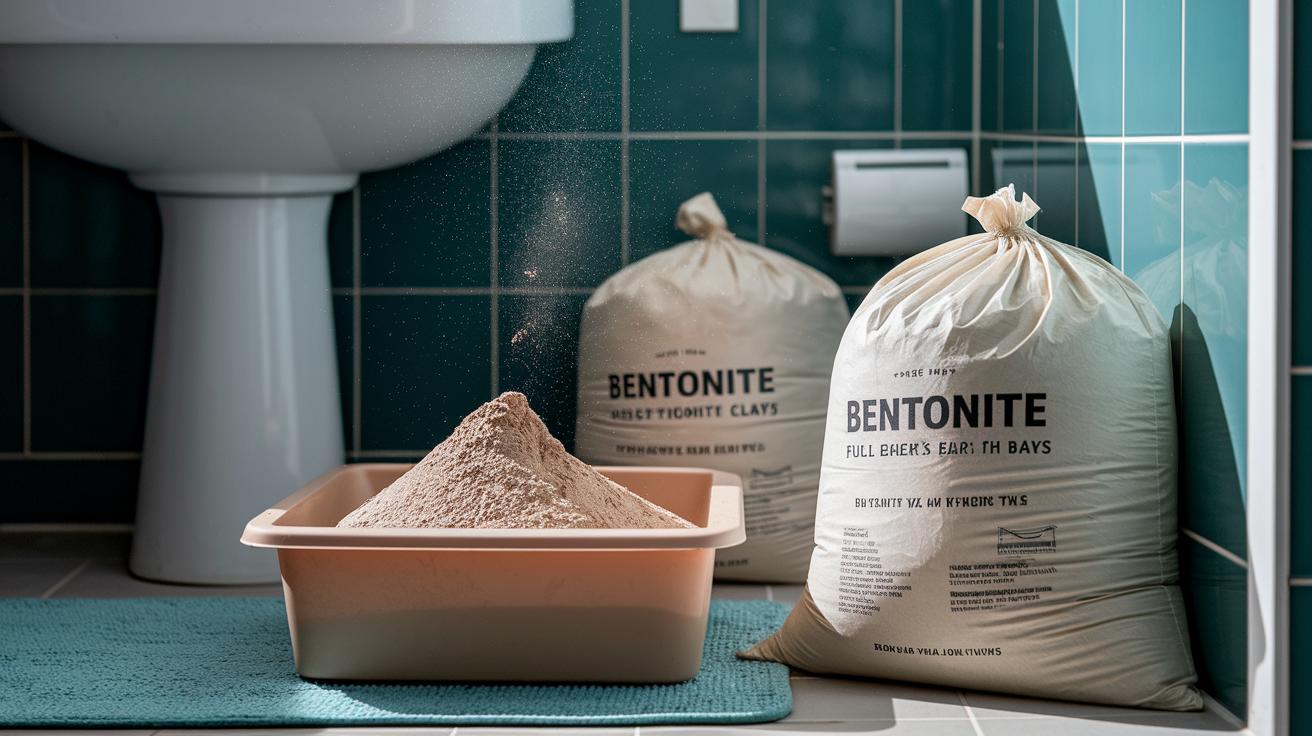
Fuller's Earth
Fuller's Earth is a type of non-clumping clay that started being used in the 1950s. It soaks up moisture from urine quickly, which helps cut down on bad smells. It works well at odor absorption, but it does have downsides. This clay is heavy and can make a lot of dust when you handle it. Because of this, you end up having to replace it often to keep your cat’s litter box fresh. If you are sensitive to dust or want a low-maintenance option, Fuller's Earth might not be the best choice, even though it is a natural, mineral-based option.
Bentonite Clay
Bentonite clay was developed in the 1980s and is made through strip mining. This clay clumps when it gets wet, forming firm clumps that make cleaning up urine easier. While clumping is a big help, bentonite also creates dust and is quite heavy. Some pet owners worry about these factors even though its clumping action makes mess removal simpler. Many people still choose bentonite because its performance stays reliable, despite the dust and weight issues.
Silica Gel Cat Litter Composition and Benefits
Silica gel cat litter comes from quartz sand that is refined, heated, and then cooled into tiny, porous beads. These beads have a large surface area that lets them draw in liquid waste very well.
The crystals soak up liquids and trap odors for weeks, which keeps the litter box smelling fresher. Their stable chemical makeup stops bacteria from growing, so the box stays cleaner. Plus, the beads make almost no dust, cutting down on mess and making clean-up easier for pet owners.
One challenge is that this type of litter uses quartz sand, a non-renewable resource. Even though it works well with low dust and strong moisture control, the limited supply of raw material raises concerns about long-term sustainability. Pet owners should think about these environmental issues when choosing silica gel litter.
Biodegradable and Natural Cat Litter Ingredient Breakdown
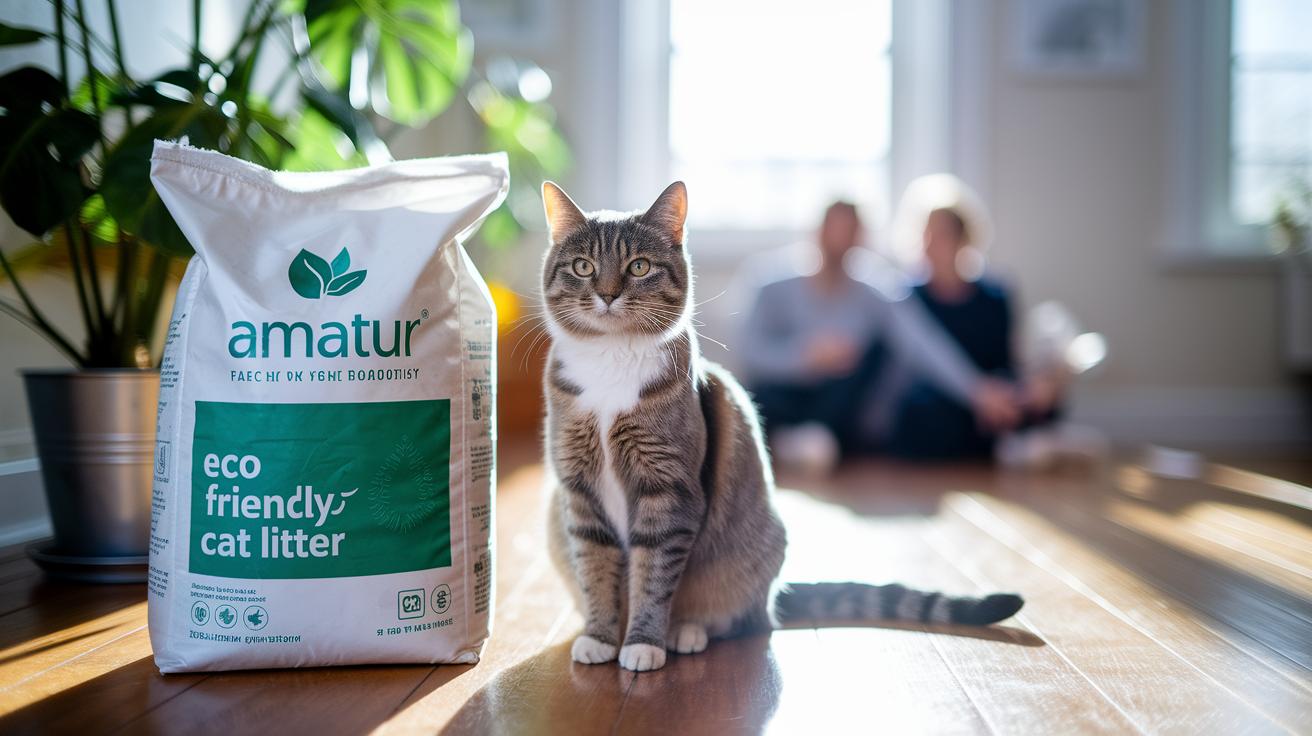
Eco-friendly cat litters are becoming more popular with pet owners who want greener choices. These litters use plant-based materials that help reduce your carbon footprint. Many options are compostable or even flushable. They do a good job absorbing liquids and forming clumps, though each type behaves a bit differently.
Paper Pellet Litter
Paper pellet litter is made from recycled newspaper and sawdust. It has very little dust and does a solid job with absorbency. Because it is light, it leaves less mess than many clumping litters.
Pine Pellet Litter
Pine pellet litter is made of compressed pine pellets. They release a natural pine scent that helps cover up odors. Being compostable, they work well for anyone looking to cut down on waste.
Walnut Shell Litter
Walnut shell litter is crafted from crushed walnut shells. The granules are light and have a unique texture that many cats like. However, if anyone in your home has a nut allergy, this might be a concern.
Corn-Based Litter
Corn-based litter uses corn granules to offer a balance of clumping and odor control. It even flushes down the toilet for extra convenience. Its compostable nature makes it a smart pick for reducing environmental impact.
Each type has its own mix of absorbency, clumping power, and eco benefits. Your choice depends on what works best for your cat and your green living goals.
Functional Additives in Cat Litter: Clumping and Odor Control Components
Many cat litters include clumping agents like sodium bentonite that mix with moisture to form small, solid clumps. These clumps make it easier to scoop out waste. Some litters also add polymers or zeolites, which help soak up moisture faster. This quick absorption keeps liquids locked in, saving you time on cleaning so you can enjoy more moments with your pet.
Odor control ingredients are key to keeping the litter box smelling fresh. For instance, activated charcoal and baking soda work by neutralizing odor molecules to reduce bad smells. With these additives, the litter box stays much fresher even as it fills up, making the space better for both you and your cat.
Dust reduction is another important feature. Dust-suppressant agents like attapulgite help cut down on tiny particles that get into the air. This means less mess around your home. Just remember that these additives come at different costs and may involve varying chemical exposure. It's wise for pet owners to weigh these factors to find the right balance of performance and safety.
How Cat Litter Is Made: Manufacturing Process and Equipment

Making cat litter starts in a controlled workspace where raw materials are mixed carefully. We start by combining these ingredients using a sturdy mixer. The blend then moves to a machine that shapes it into small pellets. After that, the pellets go through a drying stage in a rotary dryer, where heat and moisture levels are kept just right to ensure the granules form properly and work great for clumping and odor control.
Quality checks happen at every step. Operators make sure each batch has the right texture, moisture, and size so that every bag works reliably for your pet’s needs.
| Step | Equipment |
|---|---|
| Mixing | Mixer |
| Granulation | Extruder |
| Drying | Rotary calciners |
| Sizing | Screens |
| Dust Control | Baghouses |
Each step is watched over closely to make sure the product meets high performance standards. This careful manufacturing process gives you cat litter that clumps well, controls odors efficiently, and stays safe for your furry friend.
Environmental Impact and Safe Disposal of Cat Litter Materials
Bentonite is taken from the earth by strip-mining. This method uses lots of energy and produces heavy transport emissions, which adds to its environmental impact. Silica gel comes from quartz sand, a non-renewable resource, and its extraction brings similar problems. Traditional clay litters do a good job at clumping, but they often end up in landfills and add extra weight. All this means pet owners need to know the trade-offs when picking a litter based on how it is sourced and its overall effect on nature.
How you dispose of cat litter depends on the type you use. Biodegradable litters can be composted if you follow local rules, and some can even be flushed down the toilet if allowed. Many clay-based litters, however, should be thrown away in sealed bags to keep odors and dust at bay. Using the right disposal methods can lower the environmental impact, making your choice a bit greener.
Final Words
In the action, we unraveled cat litter's key ingredients, from clay and silica gel to plant-based options. We broke down how bentonite and Fuller’s Earth work versus natural paper and wood byproducts, and highlighted additives that boost clumping and limit odors.
We also walked through the manufacturing steps and discussed environmental trade-offs. This guide clearly shows what is cat litter made of, giving you a solid base to choose a product that fits your pet’s needs. Enjoy making informed choices for your furry friend!
FAQ
What is clumping cat litter made of?
The clumping cat litter is made of bentonite clay, which clumps when wet to make scooping easier, along with additives that help control odor.
Is cat litter biodegradable?
The cat litter is biodegradable when it’s made from plant-based ingredients like paper, corn, pine, or walnut shells that naturally break down.
What is clay cat litter made of?
The clay cat litter is made of natural clay materials such as bentonite and Fuller’s Earth, providing strong moisture absorption and, in some cases, a clumping feature for easy cleaning.
What does “cat litter sand” refer to?
The cat litter sand refers to silica gel crystals made by processing quartz sand into porous granules that trap moisture and help neutralize odor.
Is cat litter toxic?
The cat litter is generally designed to be safe, though some types may have dust or chemical additives; choosing low-dust, non-toxic formulas helps safeguard both pets and people.
What is bentonite cat litter made of?
The bentonite cat litter is made of naturally occurring bentonite clay, known for its ability to form tight clumps when exposed to moisture.
What is in cat litter that is bad for pregnancy?
The cat litter may include dust or chemical additives in some clumping formulas that could be risky during pregnancy; using low-dust or natural alternatives is a safer choice.
Can you make cat litter at home?
The cat litter can be made at home using common materials like shredded newspaper or wood pellets, though homemade versions might not offer the clumping or odor control of commercial products.
What is the main ingredient in cat litter?
The main ingredient in most cat litters is clay, especially bentonite, valued for its moisture absorption and clumping properties, though other materials like silica gel and biodegradable substances are also used.
What did people use before cat litter?
The cat litter was preceded by simple materials like sand, sawdust, or ashes, which were used to absorb waste though they lacked the ease of maintenance found in modern litters.
What are the bad chemicals in cat litter?
The cat litter may contain additives such as strong artificial scents and dust-producing compounds; opting for products that are tested for safety reduces potential chemical exposure risks.
Is cat litter good for the garden?
The cat litter is good for the garden only when it’s biodegradable, made from natural materials like paper or wood byproducts, whereas traditional clay litters are not recommended for garden use.