
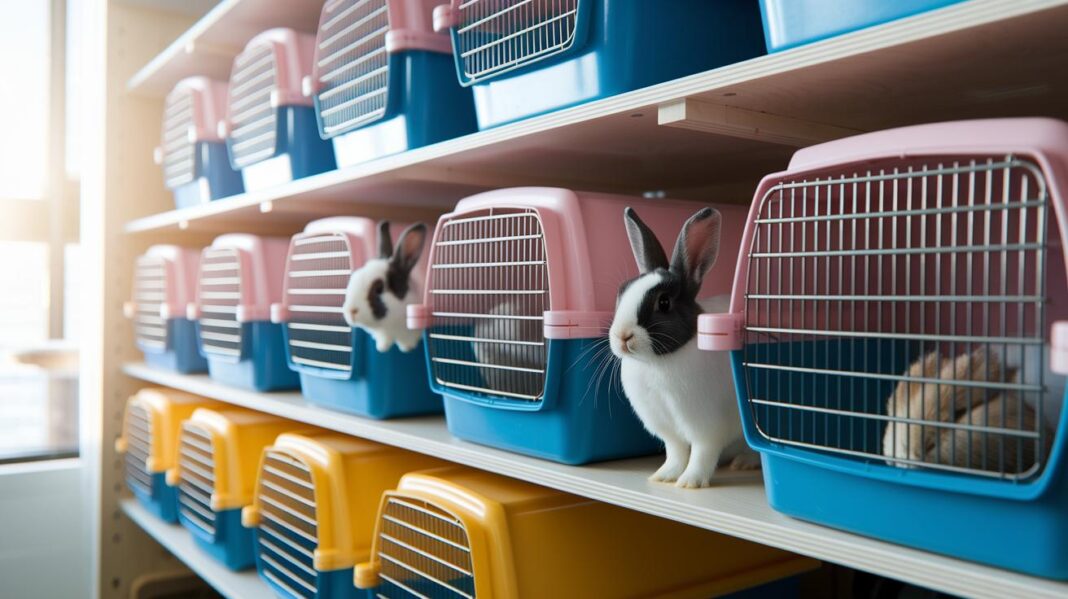
Quick verdict: If you're short on space but want a safe, fun home for your rabbits, stackable cages are a smart pick.
These cages work like a tiny apartment. Each level offers a special spot for sleeping, eating, or playing. They save room while keeping your bunnies active and secure.
Perfect for small homes or growing pet families, these multi-tiered cages are designed to make the most of every inch. Our review shows how this neat design turns tight spaces into cozy, organized rabbit homes you and your pets will enjoy.
Why Choose Stackable Rabbit Cages for Space-Saving Rabbit Habitats
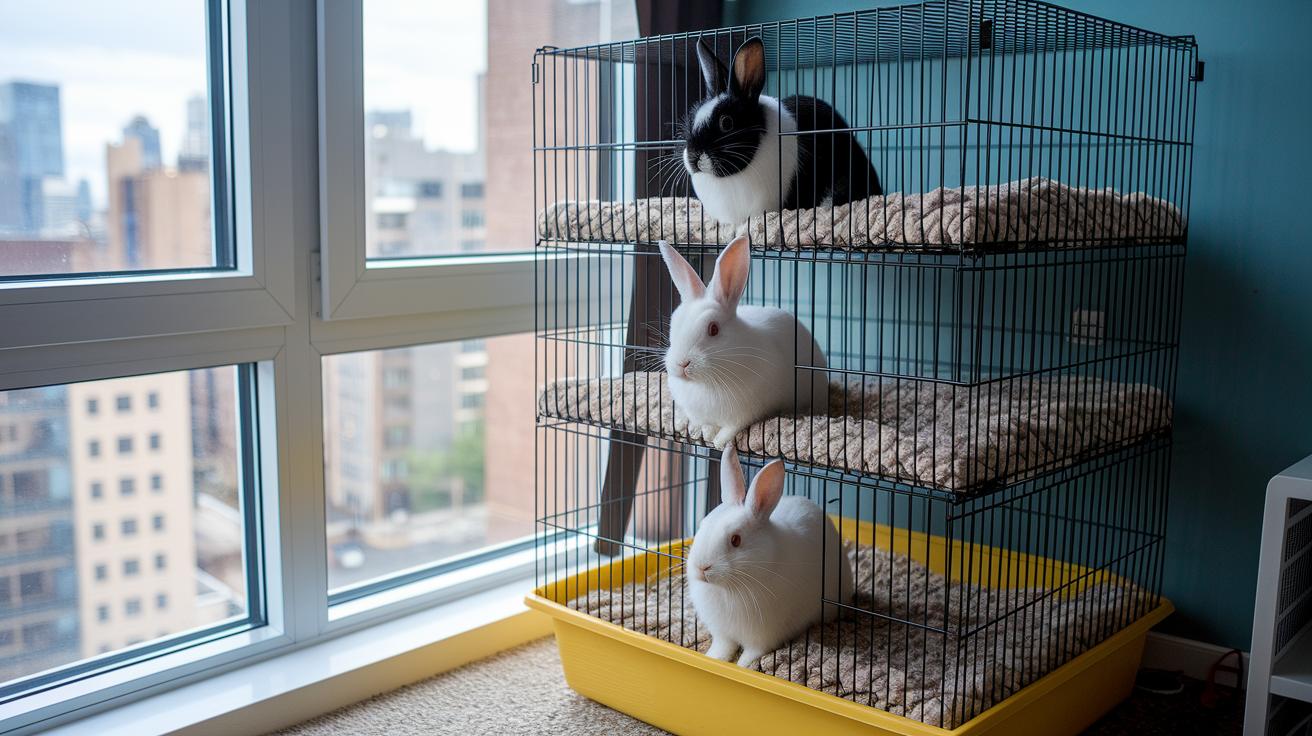
Stackable rabbit cages feature vertical tiers, often two to four levels, that save floor space in small areas. Each tier creates a separate spot for sleeping, eating, or playing, keeping your rabbits both active and engaged. Think of it like a tiny apartment for your bunny where every level has its own job.
They are perfect for pet owners with little room, such as those living in apartments or keeping several rabbits. Their compact design lets you house more bunnies without filling up your space, while strong wire panels, secure latches, and solid construction keep your pets safe. Fun fact: some owners have doubled their rabbits' play areas by stacking cages and creating a warm, efficient home.
A big bonus is the ability to expand these cages as needed. Many models let you add extra levels as your rabbits grow or if your pet family gets bigger. This flexible setup not only helps your rabbits exercise and explore but also makes cleaning and care easy.
Key Features and Design of Stackable Rabbit Cages
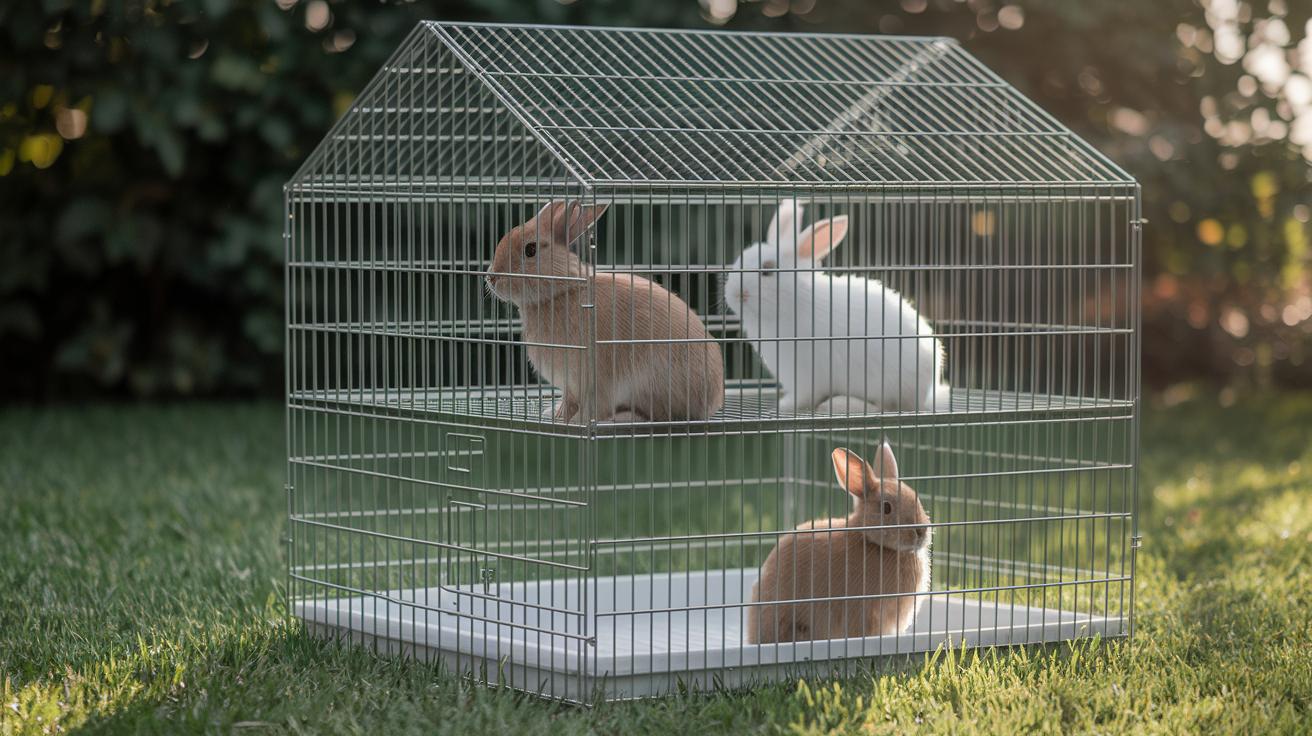
These cages come with pull-out trays that let you clean up quickly and easily. The weather-proof roofs not only shield your bunnies during outdoor use but also allow air to flow freely, keeping things cool and comfy. The cages rest on reinforced steel frames that hold up strong under multiple levels so your rabbits stay secure.
Each level has plenty of ventilation panels to keep the air fresh. Designers usually plan for about 10 sq ft per rabbit on each tier. This gives your pet enough space to sleep, eat, and play. Removable dividers let you change the pen layout, making it easy to create separate zones like little rooms.
Strong latches and sturdy corner braces keep the whole system tightly together, even when you add extra levels. The design focuses on safety, smart storage, and a neat look. Modular connectors mean you can add or remove tiers as your rabbit family grows.
| Feature | Description |
|---|---|
| Pull-Out Tray | Makes cleaning quick and simple |
| Weather-Proof Roof | Shields pets from the elements and provides shade |
| Reinforced Steel Frame | Keeps the structure solid and safe under weight |
| Ventilation Panels | Ensures fresh air flows throughout |
DIY Tiered Hutch Plans: Building Your Own Stackable Rabbit Cages

First, pick your main wood. You can use three 8-ft long 2×4's (cut them in half to act like 2×2's and save a bit of money) or use six 8-ft long 2×2's. Both choices offer a solid base without costing too much.
Cut your wood into these pieces:
- Two pieces at 30.5 inches for parts of the top and bottom frames.
- Two pieces at 27.25 inches for the remaining top and bottom sections.
- Two side pieces at 70.25 inches to complete the rectangle.
Before you start assembling, drill small guide holes (pilot holes) at each end of every cut piece. This simple step stops the wood from splitting and makes it easier for your screws to go in smoothly.
Next, put together the top and bottom frames with your pre-cut pieces. Use side braces or metal L-brackets to hold the corners tight and keep the frame square and strong. This extra support is especially helpful if you are building a multi-level hutch.
Add mobility by attaching swivel casters to the bottom of the frame. These wheels let you easily roll the cage away from the wall when it's time to clean underneath.
Once the frame is ready, slide your modular wire cage modules into it. Place scrap wood spacers between the cage and the frame to leave about a 4.25-inch gap above the trays. This space helps clear out debris and makes cleaning much easier.
If you are building a triple-stack hutch, use three cage modules that each measure 30 inches by 72 inches. Keep all tiers aligned and firmly attached. When everything is in place, double-check each screw and brace for extra safety.
For more tips on framing and DIY ideas, check out guides like DIY Guinea Pig Cages.
Best Modular and Commercial Stackable Rabbit Cage Systems
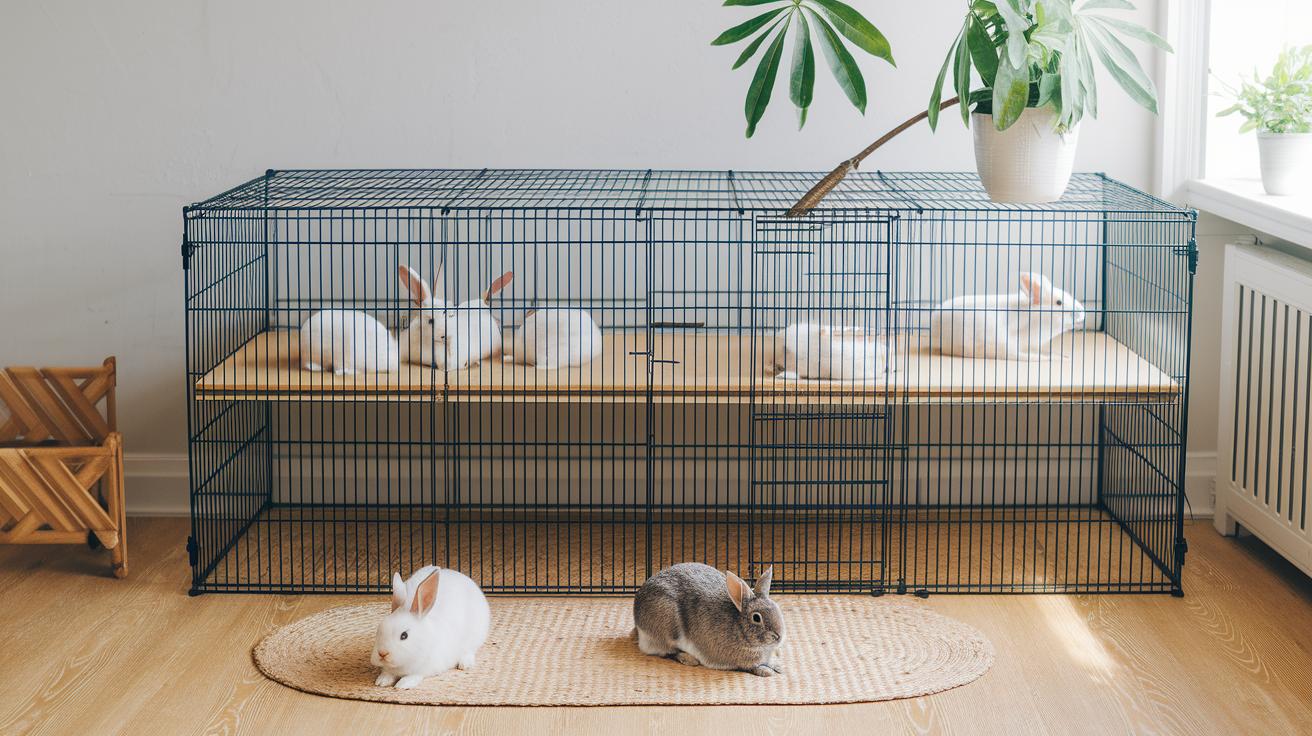
If you're looking for a cage that works well and looks good, check out the Seny Stackable Cage, PawHut Stackable Hutch, or the Aivituvin Upgrade Rabbit Hutch. These cages have two to four levels so your rabbits can chill, play, and eat while you save floor space.
Each model uses strong, galvanized wire panels (metal bars that don’t rust easily) and weather-resistant MDF floors to keep your bunnies dry even in damp weather. One owner mentioned that cleaning was a breeze with the slide-out trays, which work like a built-in cleaning system. The sturdy steel frames hold everything together, letting you add or remove levels as needed.
The modular systems come in different sizes to fit your space. Some have a footprint of 30 x 72 inches (76 x 183 cm), ideal for larger play areas, while others are compact at 48 x 36 inches (122 x 91 cm). Easy clip-on connectors make assembly simple, and you can add more tiers if your rabbit family grows. These cages combine smart design with a modern look, keeping your rabbits safe and active while fitting right into your home or farm.
Affordable and Sustainable Stackable Rabbit Cages
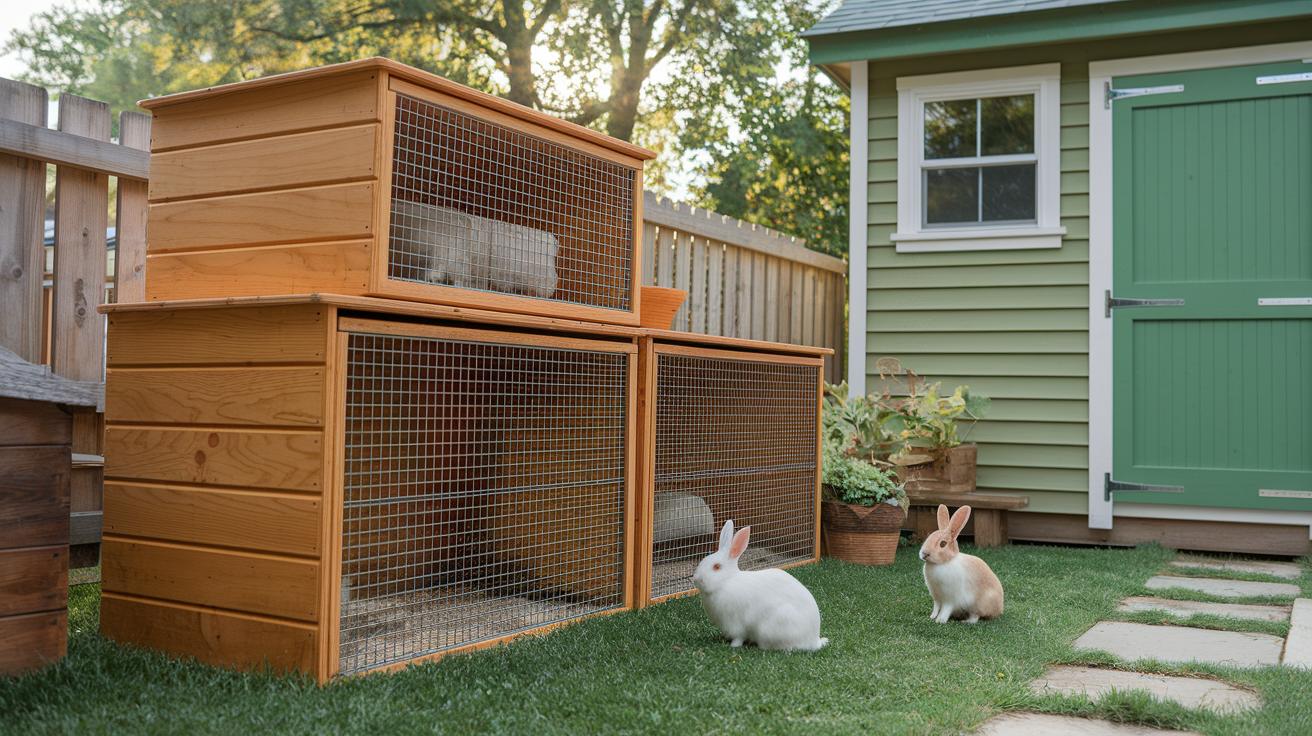
These stackable rabbit cages mix low cost with a green design. You don’t have to spend a lot to give your rabbits a safe, cozy home. If you use split 2×4 lumber and scrap plywood, you might cut your expenses by about 40%. This simple trick not only saves money but also helps reduce waste.
For those who want an even greener choice, try FSC-certified cedar (wood that is responsibly harvested) or recycled composite decking boards. These materials are kind to the environment, stand up to the weather, and give your cage system a warm, rustic look. Galvanized hardware and powder-coated wire panels add extra strength so each level stays secure.
You can also save more by reusing old drawers as slide-out trays. This clever idea makes cleaning quick and easy without driving up the cost. If you like creative, budget-friendly solutions, check out ideas similar to those on Cheap Bunny Cages.
In short, these modular cages balance cost and quality. They offer a durable, eco-friendly home that keeps your rabbits safe and comfy while you keep your expenses in check.
Assembly, Maintenance, and Safety Tips for Stackable Rabbit Cages

For safe setup, secure every level with metal L-brackets or quick-release clamps that hold up to 50 lbs. Doing this keeps the cages steady when your rabbits hop around. Tighten all screws and check each latch every week to avoid any loose parts that may cause problems.
Keep cleaning simple with a set routine. Clean the pull-out trays every 2–3 days to prevent odors and stop bacteria from building up, which can affect your rabbits' health. Also, check the wire panels often for rust or any sharp edges and fix these issues as soon as you spot them.
To make moving the cage effortless, lubricate the swivel casters every few months. This not only smooths out the movement but also stops the casters from wearing out too soon. Before you add extra levels, always verify the cage’s load capacity so you don’t risk destabilizing the setup.
- Use metal L-brackets or quick-release clamps rated for 50 lbs
- Check latches and tighten screws weekly
- Clean pull-out trays every 2–3 days
- Inspect wire panels for rust or sharp edges frequently
- Lubricate swivel casters quarterly and confirm load limits
Following these tips helps you keep a stable, easy-to-maintain cage that ensures your rabbits remain safe and comfortable.
Stackable Rabbit Cages Buying Guide and FAQs

Use this quick checklist to make sure your rabbit cage has the basics and meets real needs:
- Look for good airflow with well-placed panels.
- Make sure the design includes removable trays that make cleaning easier.
- Check that the latches and frames are sturdy and secure.
- Aim for a design with 2 or 3 levels giving each tier at least 12 inches (30 cm) of headroom.
Owners say that cages with trays that easily come off can cut down cleaning time a lot. For best results, shop at online pet stores or farm-supply shops that follow animal welfare guidelines.
| Feature | Recommendation |
|---|---|
| Ventilation | Well-placed panels for airflow |
| Cleaning | Sliders or removable trays |
| Security | Strong latches and corner braces |
| Levels | 2–3 tiers with 12in (30cm) minimum headroom per tier |
Final Words
In the action, this article broke down how stackable rabbit cages work, covering key features like multiple zones for eating and playing, design details for easy cleaning, and DIY tips for custom builds. We also explored top commercial models, affordable and eco-friendly options, and essential maintenance tips to keep your pets safe. The guide arms you with clear answers to common questions so you can choose a secure, space-saving setup confidently. Enjoy creating a healthy, fun habitat that meets your rabbits’ needs.
FAQ
What are stackable rabbit cages plans?
The stackable rabbit cages plans outline designs for building multi-level cages. They show how to use vertical tiers to create separate zones for resting, feeding, and play, maximizing space in small areas.
Where can I find stackable rabbit cages for sale?
The stackable rabbit cages for sale are available from online pet retailers and farm-supply stores. They offer ready-made models designed for space-saving and modular flexibility.
What do stackable rabbit cages with trays offer?
The stackable rabbit cages with trays include pull-out trays for easy cleaning. This design allows quick removal of waste and spills, keeping the habitat hygienic for your rabbits.
How can I build stackable rabbit cages DIY?
The stackable rabbit cages DIY guides explain how to create your own multi-tier cages using common building materials. They provide step-by-step plans, dimensions, and assembly tips for a budget-friendly, custom setup.
What are stackable rabbit breeding cages?
The stackable rabbit breeding cages are designed with features that support safe breeding practices. They provide separate, secure zones to help manage young rabbits and adult rabbits efficiently.
What distinguishes large stackable rabbit cages?
The large stackable rabbit cages offer more room per level, providing ample space for multiple rabbits. They are ideal for larger breeds or setups that need extra room for comfortable movement.
What features do K W rabbit cages include?
The K W rabbit cages are known for their sturdy construction and easy-to-clean trays. They offer secure, modular designs that cater to both small and larger rabbit setups, emphasizing durability and safety.
What is a 30×30 rabbit cage with tray?
The 30×30 rabbit cage with tray features a compact 30×30-inch footprint and an integrated pull-out tray. This design helps maintain cleanliness while offering enough space for a small, agile rabbit.