
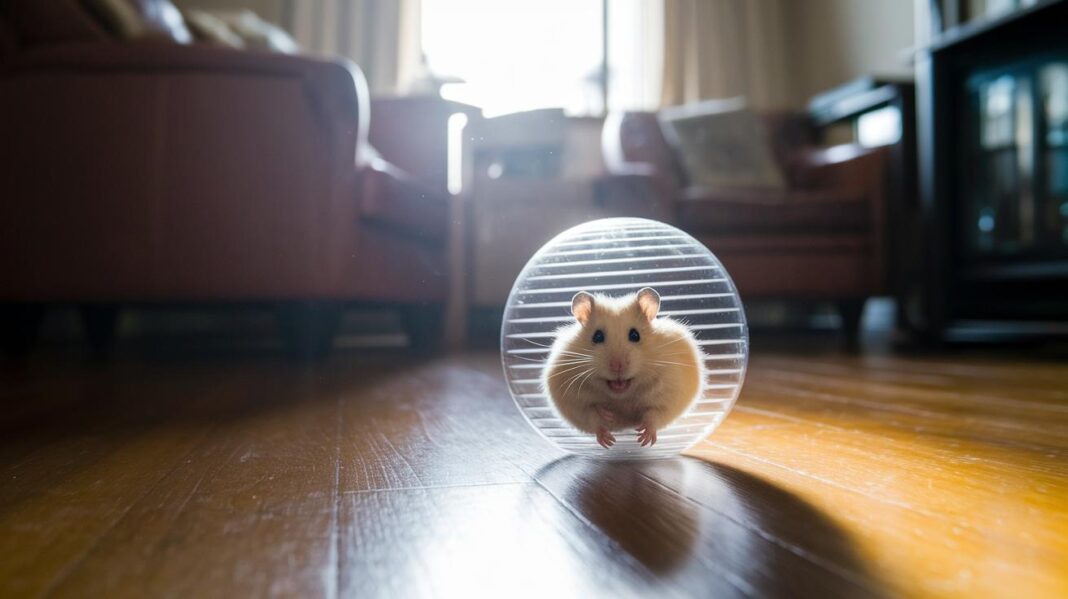
Quick verdict: Hamster racing balls can give your pet a fun way to explore while staying safe.
At a glance:
- Offers playful exercise
- Gives a mini outdoor adventure feel
- Keeps your pet secure during play
Our tests showed that many hamsters perk up when they get inside these balls. We saw them rolling around excitedly, almost as if they were on a tiny outdoor adventure. The ball lets them move and explore in a controlled way.
Keep it simple: If your hamster seems stressed or shy, try easing the playtime. A little break can help your pet relax and enjoy the fun more.
do hamsters like hamster ball Blissful Playtime
Quick verdict: Hamsters can really enjoy a hamster ball that lets them explore while keeping them safe.
At a glance:
- Short play sessions (15–20 minutes) work best
- Good exercise and fun mental stimulation
- Watch your pet for stress or overheating
We tested this idea by letting a curious hamster try out his ball in a safe space. Many hamsters seem to like the novelty of rolling around like they’re on their own little racetrack. One owner even said, "I watched my little explorer navigate the ball like it was his own personal racetrack, lighting up at every turn." This shows the ball can give your pet both physical exercise and a bit of brain fun.
However, not all hamsters take to it in the same way. Some may act a bit stressed or uncomfortable if the ball tips or doesn’t get enough air. Limited airflow can cause overheating after a few minutes of playful running. If you see signs like squeaking, freezing, or bumping into things, it might be best to shorten the time or try another type of play.
In short, a hamster ball is a great way to let your little friend safely explore and play. Just be sure to keep a close eye on them to ensure they remain happy and safe during their playtime.
Natural Instincts Driving Hamster Behavior in Hamster Balls
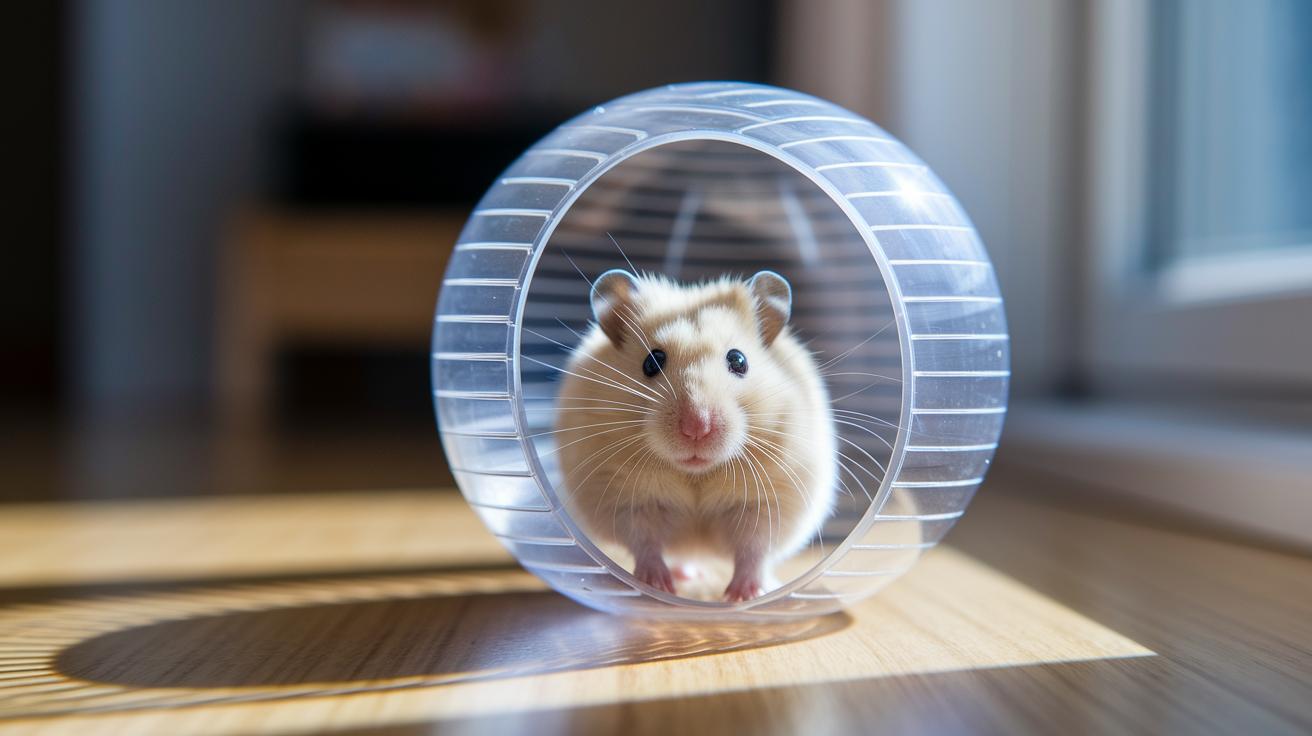
Hamsters naturally love to explore. In the wild, Syrian hamsters can travel several miles each night searching for food and new spots to roam. A hamster ball gives them a safe way to act on this instinct, turning a simple roll into a mini adventure that feels like a real-life exploration.
Inside the ball, your pet gets to enjoy new textures, gentle scents, and different sounds that aren’t there in its usual cage. The plastic cover softens some details, but even small changes, like shifts in light or a slight breeze, spark curiosity and keep them engaged, much like discovering a hidden corner of nature.
Plus, the ball offers extra exercise beyond what a wheel can give. It prompts them to move around more in open spaces, helping to burn off energy and build muscle. This added activity boosts their overall well-being while keeping them safe in a controlled environment.
Key Safety Factors in Hamster Ball Design
Hamster balls are safe only when they are built right. If the ball doesn't let air in, heat can build up quickly. This may cause your pet to overheat or get dehydrated, especially when it plays a lot on warm days. Watch for signs like fast breathing or slowness because these can be warnings before a real problem starts. Checking on your pet often helps keep it safe and happy.
Good-quality hamster balls take these hazards seriously. Many of the better balls have small 2 mm holes that let fresh air in, keeping the inside cool even during active play. They also feature a two-step locking system that stops the ball from opening by accident or too early while your pet is inside. These smart design choices give you extra peace of mind, knowing your hamster can enjoy safe adventures without overheating or getting its paw trapped.
A sturdy build is just as important. A top-notch hamster ball uses strong materials that do not crack when the ball bumps around. A durable ball protects your pet from injuries and can handle daily play without warping or breaking. It’s a good idea to check the ball for any signs of wear and tear and replace it when needed. Picking a well-made ball means fewer worries about safety and more fun for your little friend.
Hamster Ball vs Wheel Comparison: Pros & Cons

Choosing between a hamster ball and a hamster wheel comes down to what you need for your pet. A hamster ball lets your pet explore safely while you keep an eye on its adventure. Its clear design offers new textures and changes in light that make play feel like a small adventure.
A hamster wheel gives your pet steady exercise. The motion boosts fitness and can even help improve sleep. But make sure the wheel fits your pet well. For example, a wheel that is too small can cause back problems in Syrian hamsters that run a lot. Both options need to be on flat, clear surfaces and watched up close to keep your pet safe.
| Option | Pros | Cons |
|---|---|---|
| Hamster Ball | Guided exploration, interactive play, exposure to new stimuli | Limited airflow, risk of overexertion, can tip on uneven surfaces |
| Hamster Wheel | Continuous exercise, helps manage weight, reduces stress | If the size is off, it can cause back issues; less interaction with owner |
Both the ball and the wheel work well when used correctly. The ball is great if you want to share playtime and let your pet enjoy a controlled outing that sparks curiosity. In contrast, the wheel is best for a steady workout that keeps your pet active and healthy.
Keep a close watch on your pet. Look for signs like fast breathing or clumsy moves and adjust playtime if needed. Mixing these options can give your pet the right blend of physical exercise and mental fun.
Best Practices for Using Hamster Balls Safely
If you allow your pet to play in a hamster ball, keep the ride short and safe. Aim for a play session of about 15 to 20 minutes on a flat, clear surface with no obstacles. It’s a good idea to mix in other types of exercise, like using a wheel, so your pet doesn’t get too tired.
Before every use, check that the ball has plenty of air holes and that all the locks are secure. Watch your pet closely. If you see signs like squeaking, freezing, or biting at the ball, stop the session right away.
- Limit play time to 15-20 minutes.
- Set up on a flat, obstacle-free area.
- Ensure the ball has proper ventilation and secure locks.
- Alternate ball play with other exercise options.
- Keep an eye on your pet and stop if they show signs like squeaking, freezing, or chewing.
Enrichment Alternatives Beyond Hamster Balls
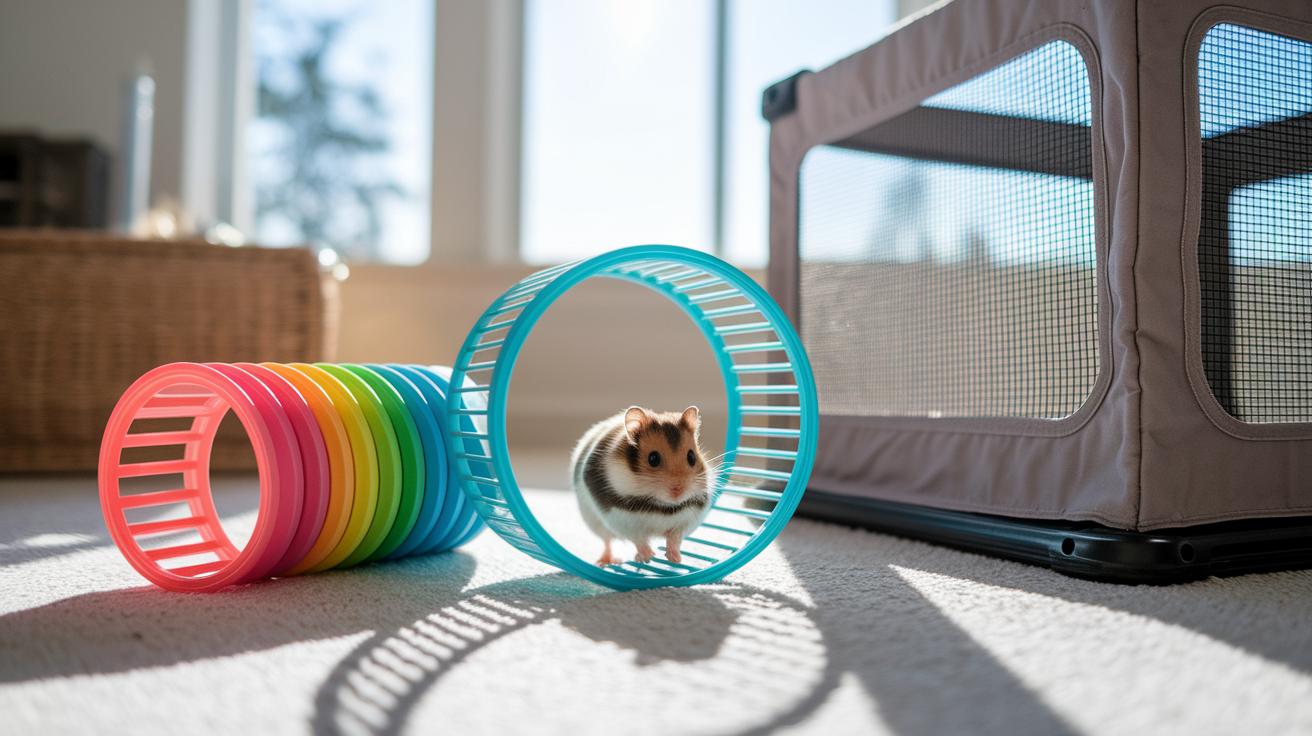
Mixing up your pet's play area can do wonders for both their mind and body while keeping them safe. A good choice is an exercise wheel that fits your pet well. A wheel with a solid surface helps your pet run steadily and stay active without any slip-ups.
Using modular tunnels and a secure playpen creates a mini world for your pet. Picture a tunnel that twists and turns like a small maze. One pet owner said, "My hamster was a bit cautious at first but soon raced through the tunnel like it was a secret hideout." These setups also help bring out your pet’s natural burrowing instincts while giving them a break from the usual cage space.
Custom playkits that include chew toys and little hideouts add even more fun. They let your pet explore different textures and play in new ways without the tight space of a ball.
- Use a stable exercise wheel with a firm surface.
- Arrange tunnels that mimic natural burrows.
- Set up a secure playpen for free exploration.
- Add chew toys and hideouts to spark your pet's curiosity.
Final Words
In the action, we broke down how exercise spheres meet a hamster’s natural drive to explore and boost physical exercise. We talked through key safety features, proper usage tips, and compared balls with traditional wheels.
We also looked at other enrichment options that let hamsters stimulate their minds and bodies safely. All these points help you decide if exercise spheres are right for your pet.
Ultimately, the question remains: do hamsters like hamster ball when used carefully and with supervision? Enjoy making the best choice for your little explorer.
FAQ
Do hamsters like hamster ball reddit
Discussions on reddit show that hamsters may enjoy balls if used properly. Some pets seem to like exploring in them, while others can get stressed by bumps and collisions inside the ball.
Do hamsters like hamster wheels
Hamsters typically enjoy wheels as they offer steady exercise that mirrors their natural running instincts. Wheels provide a reliable way for pets to expend energy and maintain a healthy weight.
Hamster ball alternative
A great alternative to a hamster ball is an exercise wheel or a modular tunnel setup. These options offer safe and engaging ways to encourage activity without the risk of ball-related stress.
Hamster playpen
A hamster playpen is a small, enclosed area that lets your pet explore safely. It offers extra space to roam and play while ensuring they remain secure from hazards.
Safe hamster balls
Safe hamster balls feature smooth, durable materials with proper ventilation and secure locks. They are designed to prevent overheating and paw injury, making them a safer option for supervised play.
Are hamster balls good for Syrian hamsters
Hamster balls can be good for Syrian hamsters if used with caution. They allow for exploration and exercise, but careful monitoring is needed to avoid any stress or injury during play.
Syrian hamster ball
A Syrian hamster ball is specifically sized for larger hamsters. It should include plenty of ventilation and a secure fit to let your pet enjoy exploring outside its cage safely.
Dwarf Hamster ball
A dwarf hamster ball is made smaller and lighter to suit a small pet’s stature. It should provide clear airflow and smooth movement so the hamster can exercise without any risks.
What annoys hamsters?
Hamsters are annoyed by loud noises, sudden movements, and unstable surroundings. A chaotic or overly crowded environment can upset them, so a calm space is best for their comfort.
What is the most common cause of death for hamsters?
The most common cause of death for hamsters is generally due to age-related health issues or accidents, such as falls from high places or unsafe play areas in their home environment.
What toys make hamsters happy?
Toys like exercise wheels, chew toys, tunnels, and safe playpens make hamsters happy. These items promote natural exploration, activity, and mental stimulation while keeping them secure.
How long can a hamster stay in a hamster ball?
Hamsters should stay in a hamster ball for around 15–20 minutes per session. This time limit helps avoid stress, overheating, and fatigue while still allowing for adequate exercise.