

Quick verdict: If your pet loves a raised bed, it's important to keep it clean and safe. Research shows these beds can hold 36% more bacteria than a regular carpet.
At a glance:
- Elevated pet beds tend to collect more germs
- Follow 5 simple, step-by-step tips to lower allergens, dirt, and bacteria
- Hands-on methods that help extend the life of your pet’s bed and keep your home cleaner
Why we care: A clean bed means a healthier pet and a fresher home. We know you’re busy, so these easy steps can make a big difference without extra hassle.
How to Clean Your Pet’s Raised Bed:
- Remove loose debris. Give the bed a good shake or use a brush.
- Mix a pet-safe cleaner with water (a gentle soap works well).
- Wipe down all surfaces, making sure to cover every corner.
- Allow the bed to dry completely before letting your pet use it again.
- Repeat this routine regularly to keep germs at bay.
Pros:
- Lowers allergens and dirt
- Simple, clear steps
- Helps the bed last longer
Cons:
- Requires a bit of time and effort
- Must use pet-safe cleaning products
Bottom line: Stick with these 5 steps to keep your pet's raised bed clean and safe. A little extra care goes a long way in boosting your home's overall cleanliness and your furry friend’s well-being.
Step-by-Step Cleaning Process for Elevated Pet Sleepers
Keeping your pet's raised bed clean is important because an unwashed bed can hold up to 36% more bacteria than a normal carpet. A neat bed helps cut down on allergens, dirt, and germs that can affect your pet's health and your peace of mind. Try these steps for a deep clean:
-
Vacuum the whole bed. This picks up loose hair, dust, and dander. Run the vacuum over the top and underneath to clear away any loose particles.
-
Spot clean any visible stains. Use a mild, pet-safe detergent and gently rub it into the stain. Think of it as wiping up a spill on your kitchen counter after a meal.
-
Remove any zippered or detachable covers. Shake them out outside to get rid of dust, then machine wash them in hot water (at least 40°C or 104°F) to kill nearly all germs.
-
For memory foam inserts, do not machine wash them completely. Instead, vacuum their surface and lightly spot clean with pet-safe detergent. Allow them to air dry for 24 to 72 hours to keep their cushioning intact.
-
If your pet bed is made with sheepskin, be extra careful. Use a soft cloth with a little mild detergent and avoid soaking the fabric. This protects the natural oils (lanolin) that help with odor control and germ resistance.
-
Dry each part completely. Whether you air-dry in a room with good airflow or use a low-heat dryer, make sure nothing stays damp to avoid mold or mildew.
Following these steps will keep your pet's raised bed fresh and extend its life while providing a comfortable and safe space for your furry friend.
Preparing Your Raised Pet Cot for Hygienic Cleaning
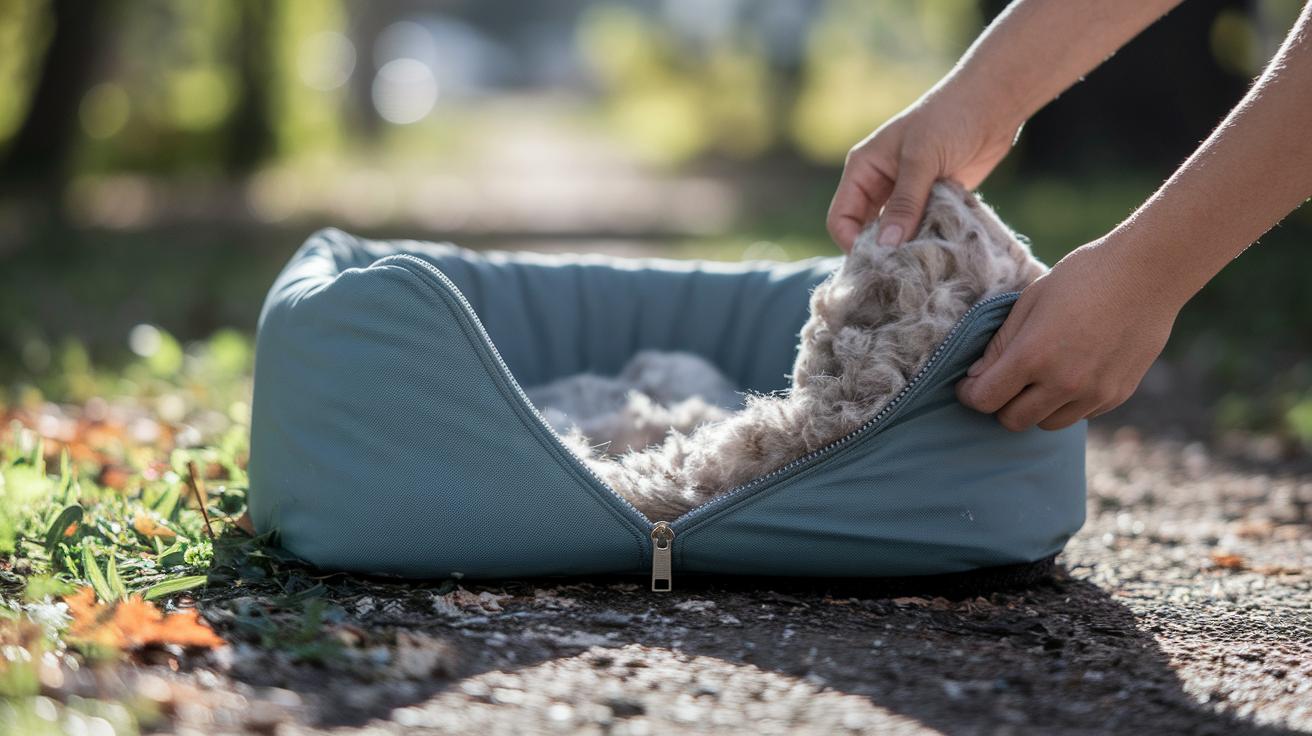
First, take off the removable covers by unzipping them. Then, head outside and give them a good shake to get rid of loose hair and debris. Next, use your vacuum (if you need cleaning tools, check out these pet grooming supplies) and run it over the frame, fabric, and even under the cot. This step clears away loose fur and dander so you have a cleaner surface to work on later.
After you vacuum, take a close look at the cot. Check the metal or wooden parts for rust, cracks, or loose screws that could get worse with frequent washing. Always do a patch test in a hidden spot before using any cleaning solution. This little extra step helps prevent damage and keeps your pet's bed safe and inviting for years to come.
5 Elevated Pet Bed Cleaning Tips: Bright Results
When stains hit your elevated pet bed, a careful method makes all the difference. If your pet has an accident, grab a clean cloth and blot the spot quickly. This soaks up the wetness without driving it further into the fabric. Next, use a pet-safe enzymatic cleaner (a cleaner that uses enzymes to break down organic stains) and let it work for 10 to 15 minutes.
For mud or food spills, try a baking soda paste. Just mix baking soda with a bit of water and let it sit on the stain for 15 to 20 minutes. This gentle treatment lifts stubborn marks without using harsh chemicals. It's like giving your pet bed the same care you’d give your favorite shirt after a long day outdoors.
Controlling smells is just as important as removing stains. After you treat the spot, add ½ cup of white vinegar during the rinse cycle when washing any removable covers. This step neutralizes lingering odors and leaves a clean, fresh scent behind. Many pet owners choose vinegar because it’s a safe, natural, and eco-friendly option. Finish by letting the cover dry completely, either air drying in a well-ventilated area or using a low-heat dryer setting, to help keep mold and mildew away.
Machine Washing vs Care for Removable Elevated Sleep Covers
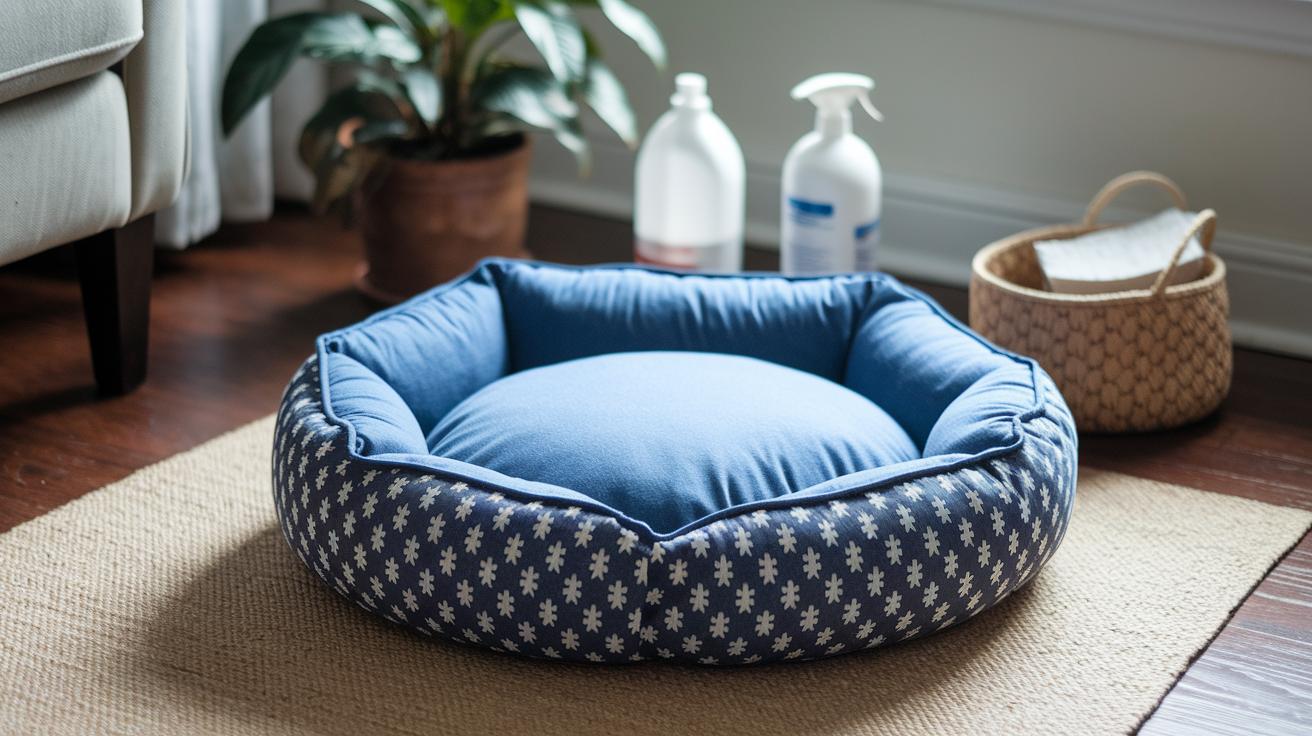
Different parts of your pet bed need special care. Zippered covers do best with a warm wash using pet-safe detergent and a little vinegar added during the rinse. Polyester cushions should be washed on a gentle cycle to help keep their shape. Memory foam inserts should not go in the machine at all. Instead, clean them with a vacuum and spot clean any stains.
| Material | Wash Method | Temperature | Drying |
|---|---|---|---|
| Zippered covers | Warm machine wash with pet-safe detergent; add vinegar during rinse | Approx. 40°C (104°F+) | Low-heat dryer or air-dry in a ventilated area |
| Polyester cushions | Gentle machine wash to preserve shape | Approx. 40°C (104°F) | Delicate low-heat cycle or air-dry |
| Memory foam inserts | Avoid machine wash; vacuum and spot clean only | N/A | Air-dry for 24–72 hours, using a fan if possible |
Adding these tips to your cleaning routine can save you time and prevent damage. Remember, treating polyester cushions gently helps maintain their support without extra fuss.
Hand-Washing Strategies for Non-Removable Elevated Sleeper Pads
Start by filling a tub with lukewarm water. Add a small amount of gentle detergent made for pet items. Dunk the pad completely so the soap solution gets into every fiber.
Next, use a soft brush to gently scrub the pad in circles. Focus on spots with stains or buildup, but brush lightly to protect the delicate fibers.
Let the pad sit in the soapy water for a few minutes. Then rinse it under warm running water until the water is clear and free of suds; any leftover soap might irritate your pet's skin or draw in more dirt.
Lay the pad flat on a clean surface in an area with good air flow. If you have a fan, set it up nearby to help speed up drying.
This careful process cleans your pad well and helps keep its cushioning intact for your pet’s comfort and hygiene.
Accelerated Drying and Routine Maintenance for Elevated Pet Loungers
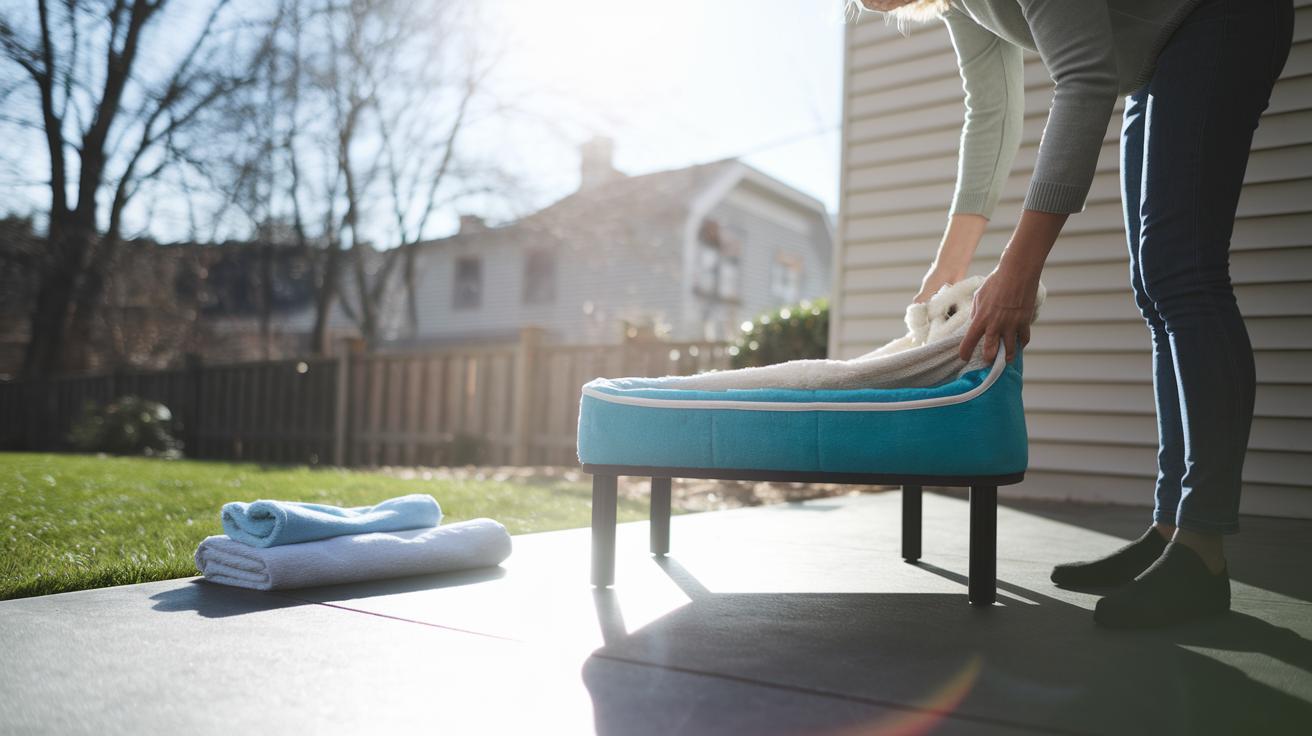
Keeping your pet's raised bed dry stops mold, mildew, and bad smells before they start. Quick drying cuts down on breathing problems and gives your furry friend a fresh spot to snooze every day. We found that a low-heat dryer or a few hours of direct sunlight (2–4 hours) dries the cushions and covers well. Even a tiny bit of leftover moisture can invite mold, so double-check that every part is dry before you set up the bed again.
Regular upkeep matters just as much as fast drying. For active pets, wash the removable covers and cushions every two weeks to keep dirt, allergens, and odors at bay. Over time, even with routine cleaning, raised beds might lose their shape or support. Replacing the bed every one to two years is a safe bet. This steady care not only extends the bed's life but also makes sure your pet always has a clean and comfy resting spot.
Final Words
In the action, we showed a clear step-by-step cleaning process for elevated pet sleepers. We tackled everything from debris removal and spot cleaning to machine and hand washing, along with tips for accelerated drying and routine upkeep.
Each section offered practical advice to keep pet beds germ-free and safe instead of relying on guesswork. Follow these elevated pet bed cleaning tips to protect your pet’s health and extend the life of their resting place. Keep your pet's comfort in mind and enjoy a cleaner, cozy space.
FAQ
What are the best DIY cleaning tips for an elevated pet bed?
The DIY cleaning tips for an elevated pet bed start with vacuuming loose debris, spot cleaning stains with a mild detergent, and machine washing removable covers at 40°C to kill germs and keep bacteria at bay.
How does one wash a dog bed with urine?
The approach for washing a dog bed with urine involves blotting the stain immediately, applying an enzymatic cleaner for 10–15 minutes, and then rinsing thoroughly to remove odors and reduce germ buildup.
How do you clean a dog bed with a non-removable cover or stuffing?
Cleaning a dog bed with a non-removable cover or stuffing calls for a hand-wash method; use lukewarm water with mild detergent, gently scrub the surface, rinse out all soap, and let it air-dry completely.
How does baking soda help in cleaning a dog bed or removing poop stains?
Baking soda helps by neutralizing odors and lifting stains; sprinkle it over the affected area, let it sit for 15–20 minutes, then vacuum it off or rinse the area to clear away residue.
How can one manage cleaning large pet beds that don’t fit in a washing machine?
The method for cleaning large pet beds involves spot cleaning with a damp cloth and gentle detergent or hand-washing sections separately, followed by thorough drying to prevent mold and odors.
What are the essential steps to clean an elevated dog bed?
The basic cleaning steps for an elevated dog bed include vacuuming debris, spot cleaning with a mild detergent, machine washing removable covers at 40°C, and thoroughly air-drying the bed to minimize bacteria buildup.