
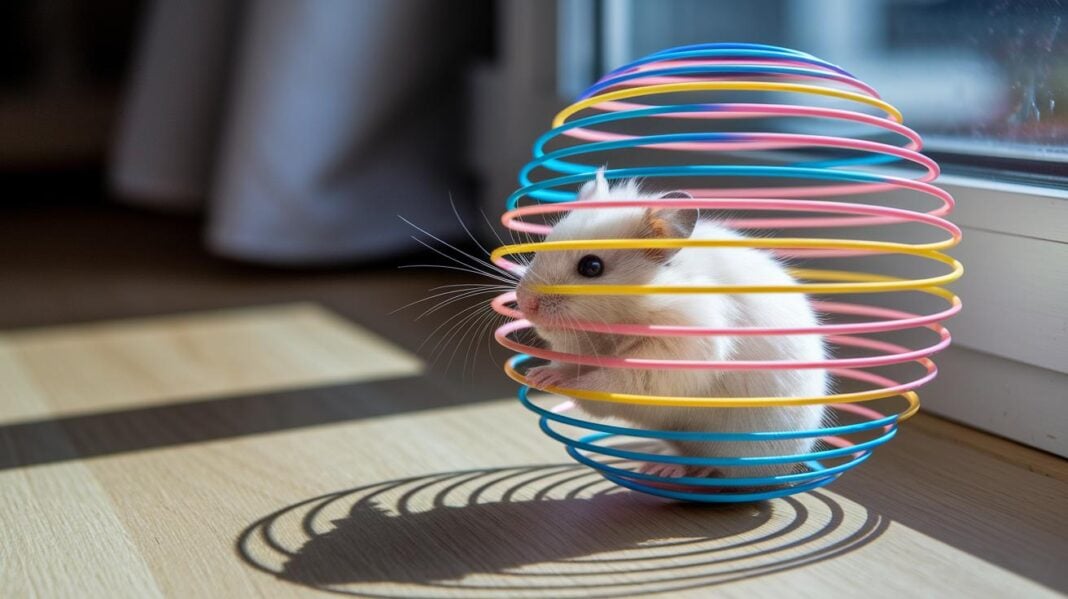
Ever wonder if a great hamster ball can boost your pet’s energy while keeping them safe? Imagine your little friend rolling around in a sturdy ball made for even the most active hamster. We put several models to the test, checking their size, strength, and built-in safety features (which help prevent escapes and injuries). Our goal was to find a ball that gives your pet both fun and a safe way to exercise every day. Read on to discover which option might be the best fit for your furry companion.
Top-Rated Hamster Balls for Safe and Fun Exercise
When picking a hamster ball, you want to make sure the size fits your pet, it’s built tough, and it has smart safety features. We tested these balls to check for strength and secure design so that your pet can have a fun, safe workout. They come in different sizes and materials, each with added safety details to suit various hamster types. Compare the options below.
| Model | Size | Material & Construction | Notable Safety Feature | Recommended Breed |
|---|---|---|---|---|
| Hapivida 4.7″ pink exercise ball | 4.7 inches | Lightweight, strong plastic for both indoor and outdoor use | Secure closure with crack-resistant design | Small breeds |
| GP GP10574 plastic ball | ~5 inches | Durable, shiny silver plastic build | Built to handle active play | Average-sized hamsters |
| Kaytee 7″ Assorted Color Run-About ball | 7 inches | Bright colored plastic with a solid build | Enhanced visibility during playtime | Hamsters and gerbils |
| Kaytee 7″ Clear Run-About ball | 7 inches | Transparent plastic for easy monitoring and cleaning | Clear design for continuous supervision | Active hamsters |
| ICA GD10025 rodent ball | 25 cm (approx 9.8 inches) | Heavy-duty, thick plastic built for long-lasting use | Tough structure to prevent tipping | Dwarf and Syrian hamsters |
Each ball is designed to give a good mix of safety and durability. Whether your pet is small or very active, these options help keep exercise fun and secure.
Key Factors When Choosing a Quality Hamster Ball
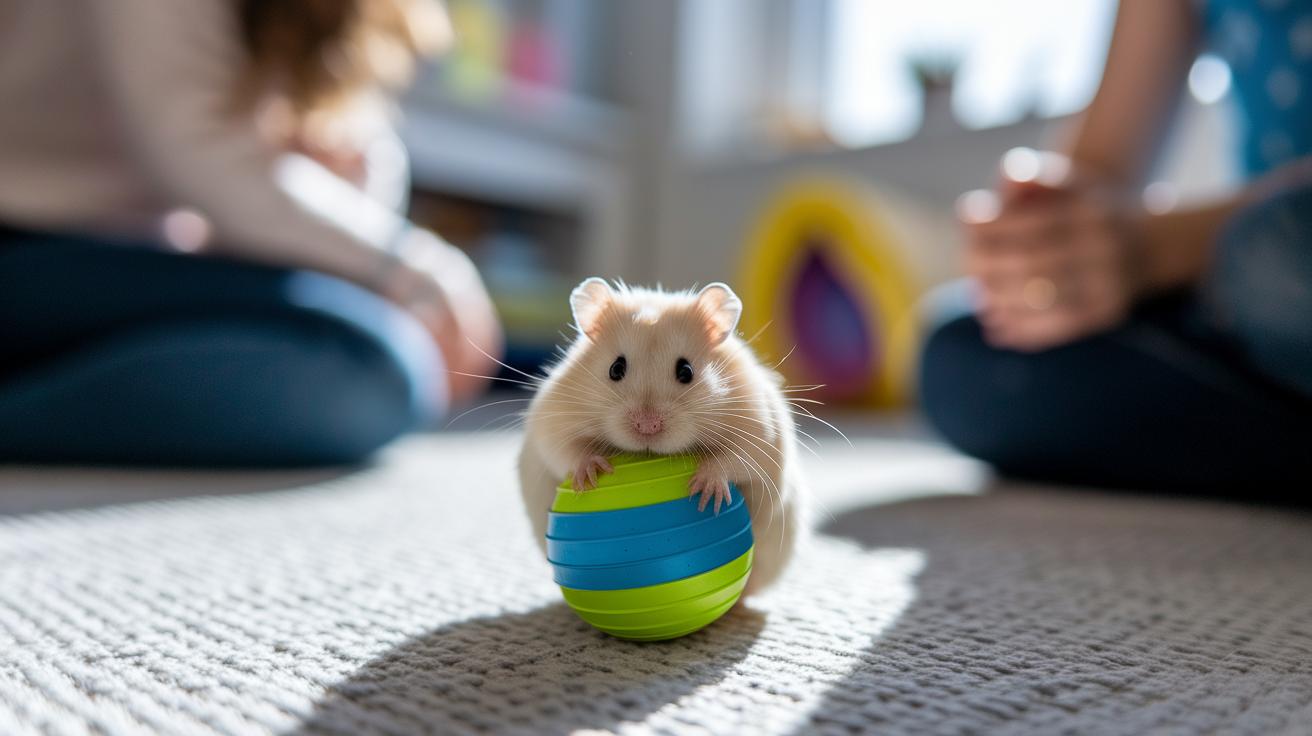
When picking a hamster ball, start by checking its size. A ball with a 5 to 7 inch diameter fits most hamsters well. This size gives your pet enough room to move safely and helps avoid any health issues.
Next, review the material quality. Look for a strong, crack-resistant plastic that can take a bit of chewing and bumps. Reading through product details and customer feedback can help you see if the ball is built to last.
Good ventilation is a must. A ball with evenly spaced holes lets fresh air in, keeping your hamster cool during play. This design helps prevent overheating and makes the ball safer for active pets.
A secure closure is also important. A locking or screw-on cap stops the ball from opening accidentally. Give the closure a quick feel or check reviews to be sure it stays locked, even if your pet plays vigorously.
Cleaning should be simple too. Find a ball that takes apart easily or has removable parts so you can wash it without too much fuss. Keeping it clean helps maintain a healthy space for your hamster.
Noise is another factor to consider. Choose a ball that rolls quietly with a smooth, low-friction interior. Less noise means a calmer environment for both your pet and your home.
Also, think about color and visibility. Balls that are clear or light-colored make it easier to watch your pet. This way, you can quickly spot if your hamster looks uncomfortable or tired while playing.
Finally, follow safe usage guidelines. Use the ball on flat, secure surfaces and limit sessions to about 15 to 20 minutes. Always supervise your pet to ensure they don’t overdo it and stay safe during play.
Safety Guidelines for Using Hamster Exercise Balls
Poor airflow can make your pet too hot and lead to dehydration or heatstroke. Low-quality vents might pinch your pet’s paws, and a ball that tips on uneven ground can hurt them. Loose closures can let your pet escape and face other hazards.
Pick a ball that fits snugly and locks securely. Always use it on a flat, stable surface and keep play sessions to about 15–20 minutes. This short playtime keeps your pet active without risking overheating.
Check the ball regularly to keep it safe. Look for cracks, loose parts, or signs of chewing. Clean the ball after each use and watch your pet closely to catch any issues early.
Hamster Balls vs Wheels: Exercise and Exploration Compared
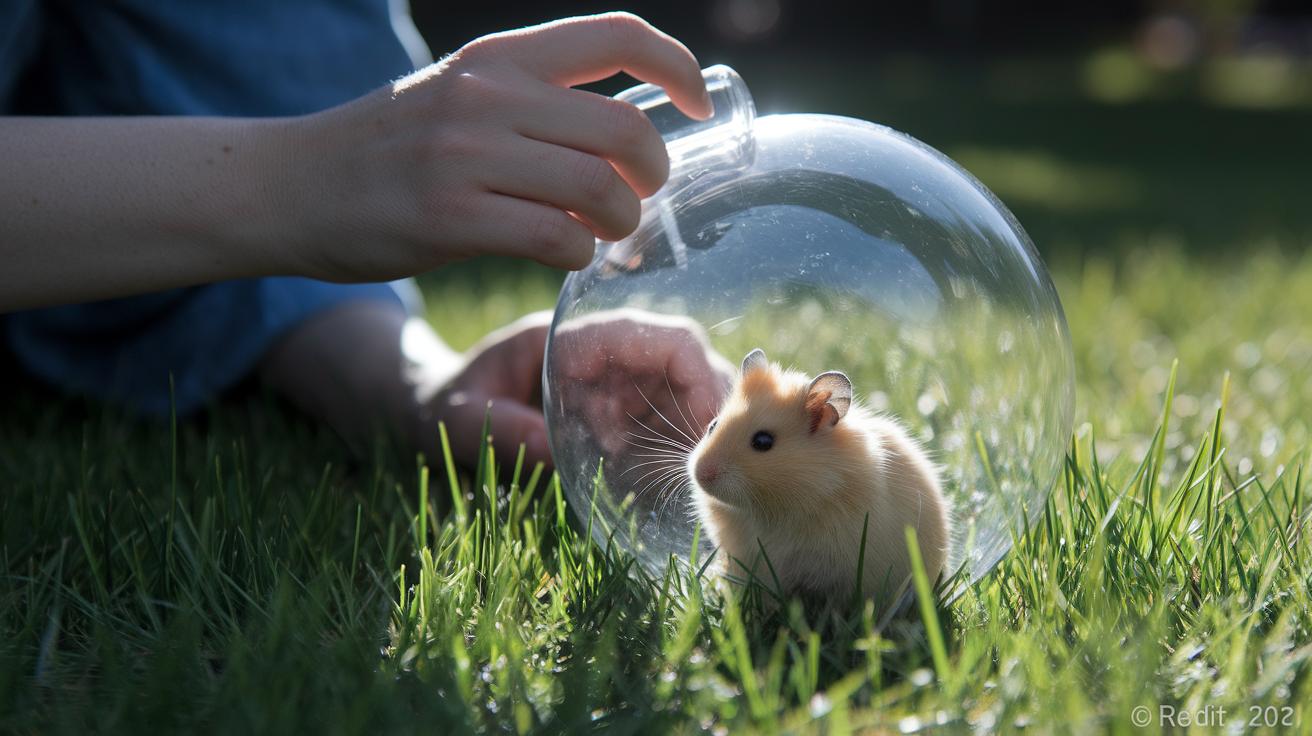
Hamster balls let your pet safely explore outside its cage. They come in sizes from 5 to 7 inches, giving small pets enough room to move while keeping them secure. You can even join in the play with your pet. However, these balls can struggle on bumpy surfaces and may not allow enough airflow during longer sessions.
Exercise wheels, on the other hand, offer a steady way for your pet to run. They usually measure between 8 and 12 inches, which works best for larger pets. These wheels help with weight control and mental activity. Still, if the wheel is too big or not built solidly, it might be unsafe for smaller pets and could cause back strain or other injuries.
Our experience tells us that mixing both options can create a well-rounded routine. Try starting with a few minutes in the ball on a smooth, safe surface for some outdoor exploration. Then, let your pet enjoy a longer session on the wheel indoors on an even, stable area. This mix meets different energy needs and helps keep your pet engaged. Always watch for signs of fatigue and stop play if your pet seems uncomfortable.
Pros and Cons:
- Pros for Hamster Balls: Secure outdoor exploration, interactive play, size fits smaller pets.
- Cons for Hamster Balls: May not work well on uneven surfaces, potential airflow issues.
- Pros for Exercise Wheels: Steady running, helps with weight control and mental stimulation.
- Cons for Exercise Wheels: Risk of injury if too large or not sturdy enough for smaller pets.
Frequently Asked Questions about Best Hamster Balls
Q: What size hamster ball should I choose for my pet?
A: For dwarf hamsters, a ball between 5 and 7 inches works best. Syrian hamsters usually need a bit more room. Check the product details for exact sizing. Pick a ball that lets your pet move freely without extra space that might cause drafts.
Q: How long should my pet use the ball per session?
A: We suggest keeping play sessions to 15-20 minutes. Older or less active hamsters might do better with shorter time. Keep an eye on your pet and cut the session short if you notice any signs of tiredness.
Q: How do I properly clean my hamster ball?
A: Use mild soap mixed with warm water to wash it. Rinse thoroughly to remove any soap, then let it air dry completely. A quick rinse and full drying help keep your pet’s play space healthy and odor-free.
Q: Is it safe to use hamster balls outdoors?
A: Yes, as long as you stick to flat, smooth surfaces. Avoid uneven or steep areas and always check the ball for any cracks or loose parts after outdoor use. A simple safety check before play can prevent accidents.
Q: What should I do if I notice damage or suspect discomfort in my pet?
A: Stop using the ball right away if you see any cracks, missing parts, or if your pet seems uneasy inside it. Regularly inspect the ball for damage or blocked ventilation. If problems continue, consider trying a different model or consult a pet expert.
Final Words
In the action, this guide quickly compared top models, laid out key factors like size, material quality, and secure closures, and shared safety tips to help prevent overheating and mishaps. It even weighed hamster balls against exercise wheels for a balanced view. With clear criteria and useful FAQs, you now have the facts needed to pick the best hamster balls for your pet's needs. Enjoy hassle-free exploration while keeping your little friend safe and active.