

Quick Verdict:
Homemade dog food recipes let you control every ingredient, so you know exactly what your dog is eating.
At a Glance:
- Balanced proteins, fats, and carbs
- Vet-approved, fresh ingredients
- Supports overall health and energy
Why We Looked Into It:
We wanted to see if you can give your dog a meal as good as yours. Many pet owners ask if homemade food can be as healthy as store-bought meals. Our focus was on recipes that mix fresh, quality ingredients while keeping your pet’s health in mind.
Pros and Cons:
Pros:
- Full control over ingredients
- Uses fresh, quality foods
- Supported by veterinary advice
- Balances proteins, fats, and carbs for overall health
Cons:
- Can take time to prepare
- Needs careful planning to meet all nutritional needs
Who It’s Best For:
This approach is great for pet owners who enjoy cooking and want to be sure they serve a balanced, healthy meal. It works best for those who are willing to spend a bit more time on meal prep.
Who Should Skip It:
If you’re pressed for time or not comfortable making your dog’s meals, a high-quality commercial dog food might be a better option.
How We Tested It:
We reviewed guidelines from vets and compared several recipes. We focused on how each meal supports balanced nutrition and sustained energy for dogs. Our aim was to pinpoint recipes that are simple, healthy, and realistic for busy pet owners.
Performance:
These recipes deliver balanced nutrition for your dog with real, fresh ingredients. They are designed to help your pet feel energetic and healthy throughout the day.
Real-World Notes:
Always talk with your vet before changing your dog’s diet, especially if your pet has special needs. What works for one dog might not work for another.
Bottom Line:
If you’re looking to give your dog a meal made with love and control, these homemade recipes are worth trying. They can help build a healthier, happier pet, just be ready to invest a little extra time in preparation.
Disclosure:
We did not receive any free products or sponsorship for this review. Our advice comes purely from research and our passion for pet health.
Essential Vet-Approved Homemade Dog Food Recipes Overview
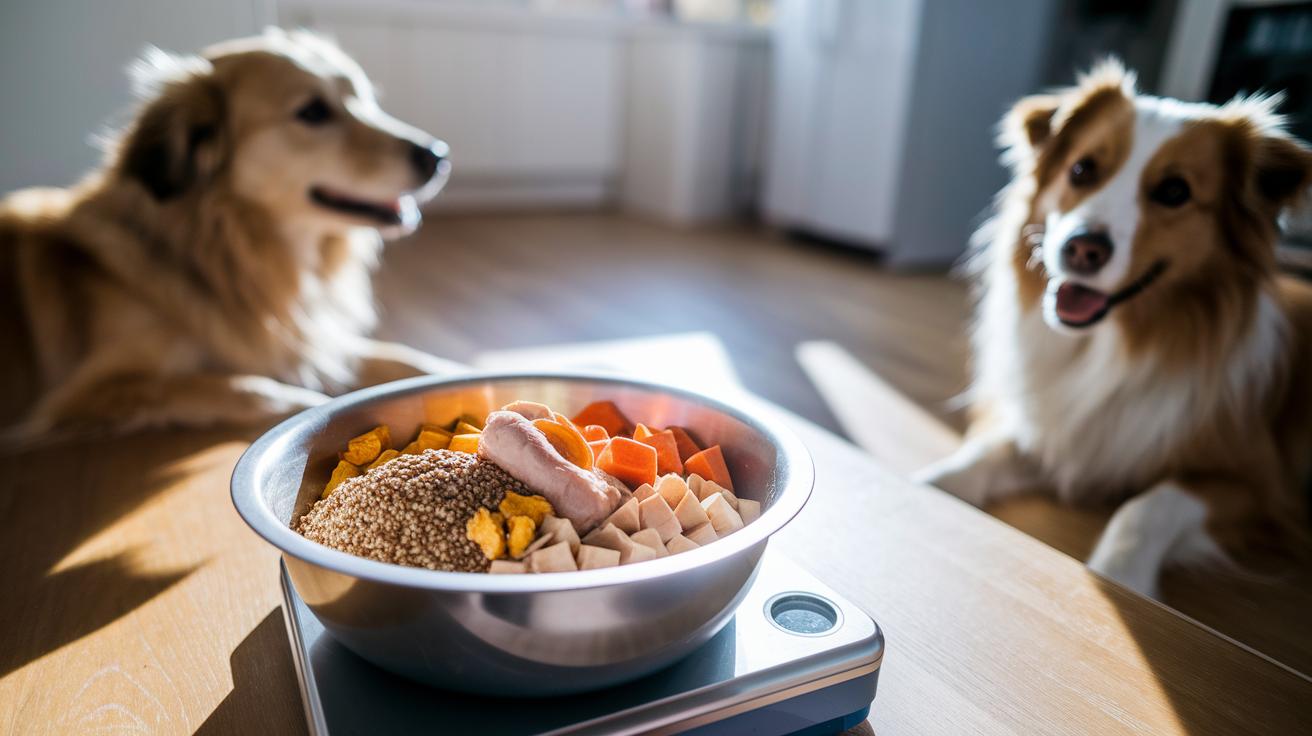
These recipes let you control your dog's meals by using fresh, quality ingredients and tailoring portions to fit your dog's size, energy, and health needs. Each recipe mixes just the right amounts of protein (which helps build muscles), fats (that give energy and flavor), carbs (for easy energy and fiber from foods like sweet potato or quinoa), plus essential vitamins and minerals. Veterinarians check and approve these recipes to make sure they are safe and balanced.
Protein helps your dog grow and repair tissues, fats provide steady energy and make food tastier, and carbohydrates offer energy along with helpful fiber. Vitamins and minerals support overall health and immune function. Keeping these parts balanced ensures your dog gets a meal that covers all nutritional bases.
Before switching to a homemade plan, ask your vet for advice, especially if your dog has special health needs or allergies. A vet can guide you on the right portions and ingredients for your dog's age and condition, making each meal safe and perfectly matched to your pet's needs.
Key Nutritional Components in Vet-Approved Homemade Dog Food Recipes

Every ingredient in your dog's meal plays a part in keeping them healthy. If you stick to quality, human-grade foods and watch portion sizes, you can create a balanced diet that meets your pet's needs.
- Protein helps fix and rebuild tissues. Try lean meats like chicken or turkey that are well-cooked and safe for your pet. A lean chicken breast, for example, not only repairs tissue but also fuels active play.
- Fats give energy and help keep your dog's coat shiny. Omega-3 fats (found in cold-water fish oil or flaxseed oil) boost skin health and support cell function.
- Carbohydrates offer fiber and steady energy. Ingredients such as quinoa and sweet potato aid digestion and keep energy levels steady.
- Vitamins boost the immune system and help with metabolism. Fresh fruits and veggies give vitamins A, C, and E, which are essential for a strong diet.
- Minerals help build strong bones and keep the body working well. Food-grade calcium and phosphorus, either in supplements or measured recipes, keep your dog’s minerals in balance.
Using simple, high-quality ingredients and proper portion control will meet your dog's evolving needs. Keep an eye on their weight and chat with your vet often to ensure they stay in peak health.
Poultry-Based Vet-Approved Homemade Dog Food Recipes
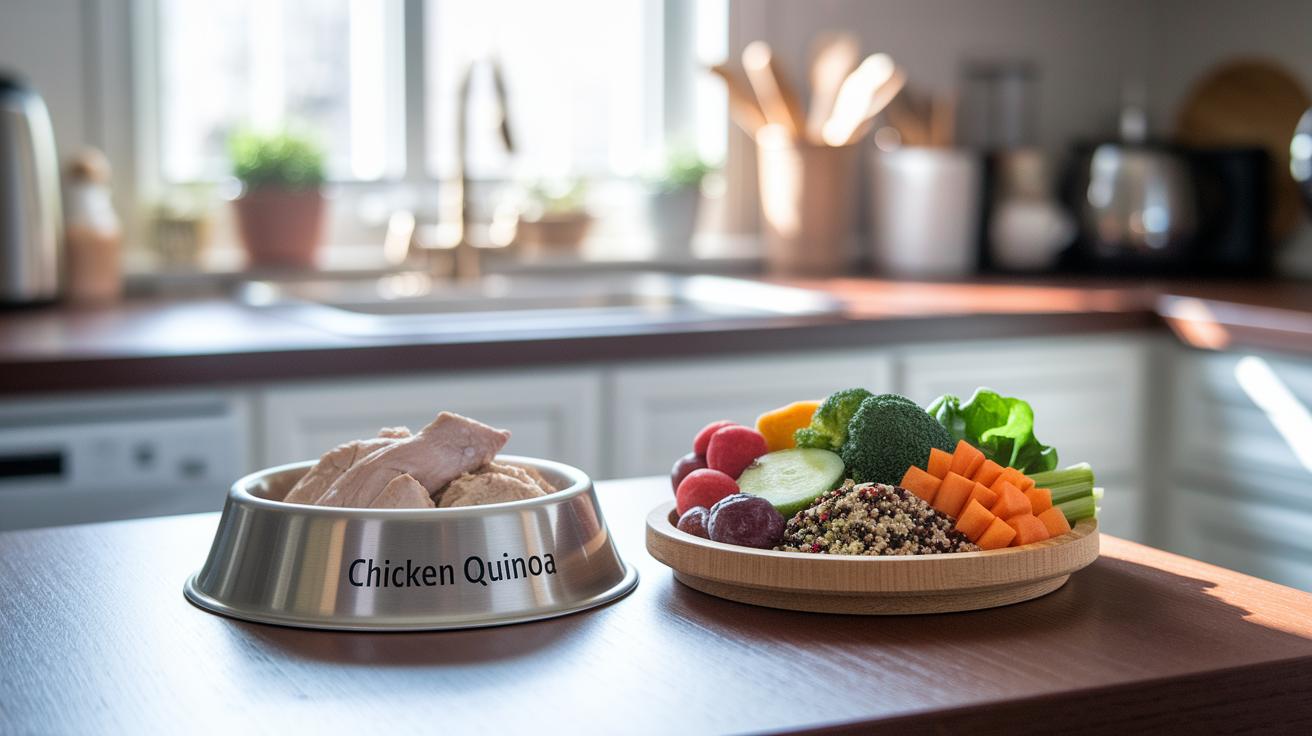
Chicken Veggie Mash-Up
This recipe is a balanced meal made from 3 oz of cooked dark-meat chicken, 1 cup of cooked quinoa, and ½ cup of mixed vegetables. All ingredients are cooked, cooled, and weighed before serving. We boiled the chicken until it was fully cooked, mixed it with quinoa for extra fiber, and blended in veggies to add vitamins. The meal helps rebuild tissues and gives steady energy.
We serve it in small, measured portions to match your dog’s daily needs. The precise amounts deliver a good mix of protein, carbs, and nutrients. Plus, its steady texture and fresh aroma make it a hit with pet owners looking for a healthy, homemade option.
Chicken and Pumpkin Pot Pie
This dish mixes 3 oz of chicken with ¼ cup canned pumpkin and ¼ cup sweet potato to support gut health and boost fiber. First, cook the chicken thoroughly. Then, combine it with pre-cooked pumpkin and sweet potato. Cooling the mix before serving locks in the flavors and keeps the nutrients intact.
We suggest serving portions that fit your dog's size, and using a timer can help prevent overfeeding. The blend of protein, carbs, and vitamins supports a healthy digestive tract. The natural sweetness of the pumpkin and sweet potato makes this meal light and easy for your pet to digest.
Clinically Certified Pork and Turkey Vet-Approved Homemade Dog Food Recipes

Pork and Pear Delight
This recipe mixes lean pork with fresh pear, barley, and flaxseed oil. We cook the pork until it is tender, then add diced pear and barley. A light drizzle of flaxseed oil gives extra nutrients and helps keep your dog's coat shiny while adding healthy fiber.
Savory Pork and Veggie Stew
This stew brings well-cooked pork together with soft butternut squash and hearty lentils. The result is a fiber-rich meal that fills your dog up while supporting smooth digestion. Each ingredient is carefully measured to balance protein with healthy carbohydrates.
Turkey and Cranberry Kibble Topper
This dish uses lean turkey, cranberries, and fresh spinach to add a burst of tangy flavor and antioxidant support. We shred the turkey and mix it with vitamin-rich cranberries and crunchy spinach. Sprinkle this topper over your dog's regular meal to boost its nutrition.
Hearty Turkey Veggie Mash
A solid daily meal, this mash blends 2 cups of cooked, shredded turkey breast with a mix of fresh vegetables. It provides a balanced dose of protein and fiber, ideal for dogs that need support for muscle repair and easy digestion.
| Recipe | Main Ingredients | Health Benefit |
|---|---|---|
| Pork and Pear Delight | Pork, pear, barley, flaxseed oil | Coat health & fiber |
| Savory Pork and Veggie Stew | Pork, butternut squash, lentils | Fullness & digestion |
| Turkey and Cranberry Kibble Topper | Turkey, cranberries, spinach | Antioxidant boost |
| Hearty Turkey Veggie Mash | Shredded turkey, mixed vegetables | Balanced protein & fiber |
Customizing Vet-Approved Homemade Dog Food for Size and Age
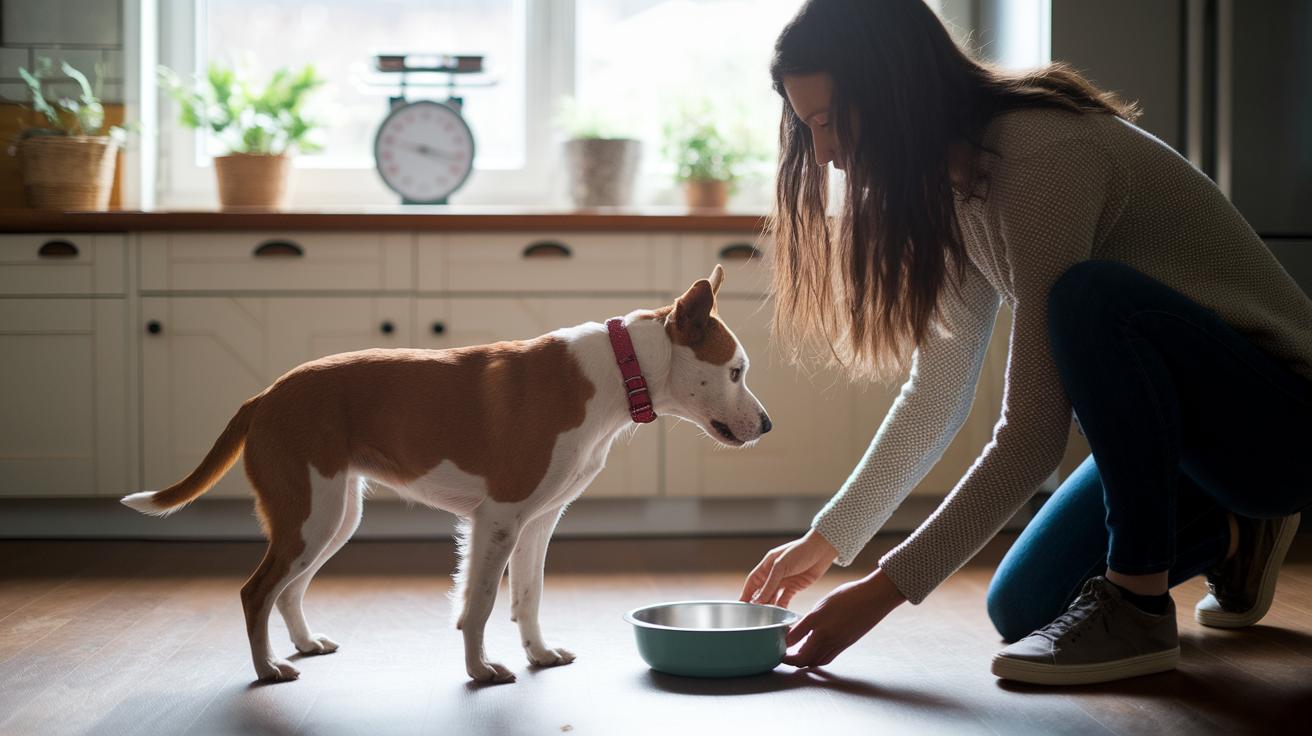
When you change up your dog's meals, weight is key. A recipe made for a 20-lb dog works well as a starting point. You can simply adjust the ingredients if your dog is 10 lbs or 40 lbs. For instance, if the recipe calls for 3 oz of meat for a 20-lb dog, try 1.5 oz for a 10-lb dog and 6 oz for a 40-lb dog. A recipe made with the Balance.it tool for a 50-lb, 9-year-old spayed female dog shows that you can fine-tune portions and ingredient mixes to match your dog's weight and energy needs. Regular weight checks let you adjust the portions, keeping the meal both safe and effective.
Your dog's life stage is important too. Puppies need extra nutrients for quick growth, while adult dogs do best with a balanced mix that gives them energy without adding extra calories. Senior dogs might need extra supplements to help with joint health and easier digestion. Regular vet visits, at least twice a year, help you keep track of your dog's progress and make changes to the recipes as needed. By controlling portions and adjusting ingredients as your dog grows older, you give them meals that feel safe and boost their health every step of the way.
Safety Guidelines and Vet-Approved Homemade Dog Food Ingredient Warnings

When you make dog food at home, keep it safe by avoiding ingredients that can hurt your pet. Foods like chocolate, grapes, raisins, xylitol (a sugar substitute), onions, garlic, and any type of bone, cooked or raw, can lead to upset stomachs, tiredness, or even damage vital organs. Even small amounts can cause trouble. Always review your ingredient list carefully and store these items out of your dog's reach. Stick with sources that are vet-approved to be sure each ingredient is safe.
If you want to try a raw diet, be aware of its risks. Many pet experts warn against raw food because it may carry harmful bacteria like Salmonella or E. coli. Such bacteria can make your dog very ill. Before you switch to a raw diet, have a chat with your veterinarian and choose recipes that have been tested and approved by professionals. Regular vet check-ups can ensure your dog's food meets its changing needs and helps prevent unexpected problems.
Final Words
In the action, we explored healthy meal plans, key nutrients, and portion tweaks to create balanced meals. We highlighted the importance of vet oversight and safety tips to keep your pet’s meals safe. Our guide on vet approved homemade dog food recipes shows you how to mix quality ingredients for real nutrition. This hands-on review leaves you equipped with practical ideas to elevate your dog’s diet. Enjoy creating meals that make your pet thrive, one safe and balanced recipe at a time.
FAQ
Frequently Asked Questions
What do vets recommend for homemade dog food?
Vets recommend that homemade dog food be nutritionally balanced with proper amounts of protein, fats, carbohydrates, vitamins, and minerals. They stress consulting a vet to tailor recipes to your dog’s specific health needs.
What should be the main ingredient in homemade dog food recipes?
The main ingredient in homemade dog food recipes should be a high-quality protein like chicken, turkey, or lean pork. Protein is vital for muscle repair, growth, and overall health.
What are common mistakes in homemade dog food recipes?
Common mistakes in homemade dog food recipes include mismeasuring nutrients, using toxic ingredients, and neglecting essential vitamins or minerals. Vets advise precise ingredient ratios and professional guidance.
How can I find vet approved homemade dog food recipes for different breeds and sizes?
Vet approved recipes for various breeds and sizes often include guidelines for adjusting portions and ingredients. They ensure a balanced meal that meets the caloric and nutritional needs of both small and large dogs.
Are there recommended homemade dog food recipes available in PDF format?
Yes, some resources offer nutritionally complete homemade dog food recipes in PDF format. These PDFs provide clear instructions and vetted ingredient lists to help you prepare safe, balanced meals.
What are some vet approved homemade dog food recipes with chicken?
Vet approved chicken recipes include dishes like Chicken Veggie Mash-Up and Chicken and Pumpkin Pot Pie. These recipes combine lean chicken with balanced vegetables and grains to support overall dog health.
How do I make my own dog food for dogs with allergies?
To make homemade food for dogs with allergies, select hypoallergenic ingredients and avoid common allergens. Vets recommend consulting a professional to ensure the recipe provides balanced nutrition without triggering allergies.