
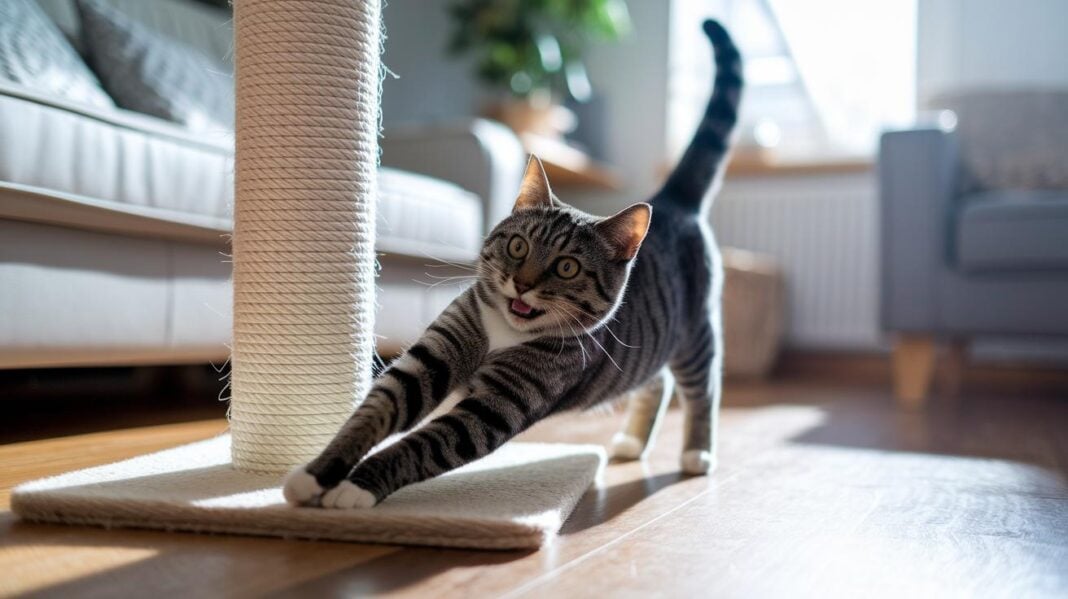
Quick verdict: A good scratching post keeps your cat happy and your furniture safe.
What we found:
- Cats scratch to keep claws sharp and reduce stress.
- A sturdy post gives them a safe spot to scratch and stretch.
- Materials like sisal (rough rope) and cardboard stand up well to claws.
Why we tested it:
We looked at three different posts that fit various styles and needs. Our goal was to find something that works for your cat and protects your home.
Pros:
- Helps maintain sharp, stress-free claws
- Offers a dedicated spot for stretching and scratching
- Made from durable, pet-friendly materials
Cons:
- Some posts may not suit heavy scratchers
- Cardboard options might wear out faster
Bottom line:
A well-chosen scratching post can make your cat's day while saving your furniture. Choose one that fits your pet’s style and your home’s vibe.
Benefits of a Cat Scratching Post for Your Feline Friend
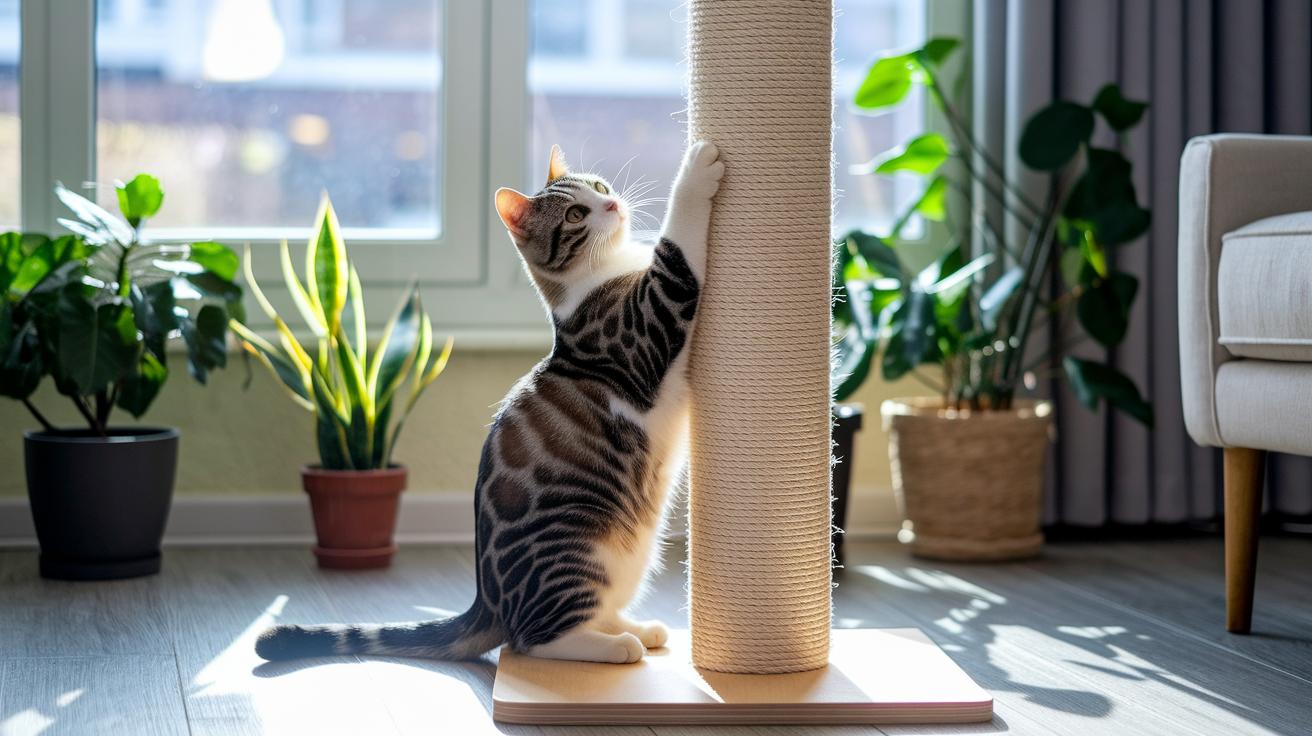
Cats scratch to keep their claws sharp and to show how they feel. This natural habit helps keep their nails healthy and lets them let off extra energy. Scratching posts give cats a safe way to stretch, mark their space, and beat boredom. For example, you might find a post with a surface built to gently file claws while a strong solid-wood base stays firm even after lots of use.
- Nail care: A scratching post helps keep your cat's claws neat and prevents ragged edges.
- Stress relief: Scratching lets them burn off energy and relax.
- Furniture protection: By using their post, cats are less likely to damage your couches and carpets.
- Territorial marking: When a cat scratches, it leaves faint marks and scents that mark its turf.
- Exercise: Clawing and stretching give your cat a simple way to stay active and agile.
A good scratching post is a smart, long-term pick for your pet's health. The smart design means you only need to replace the scratching surface when it wears out. That way, you protect your furniture while giving your cat a fun and useful tool for daily exercise and relaxation.
Comparing Cat Scratching Post Materials: Sisal, Cardboard, and Eco-friendly Fibers
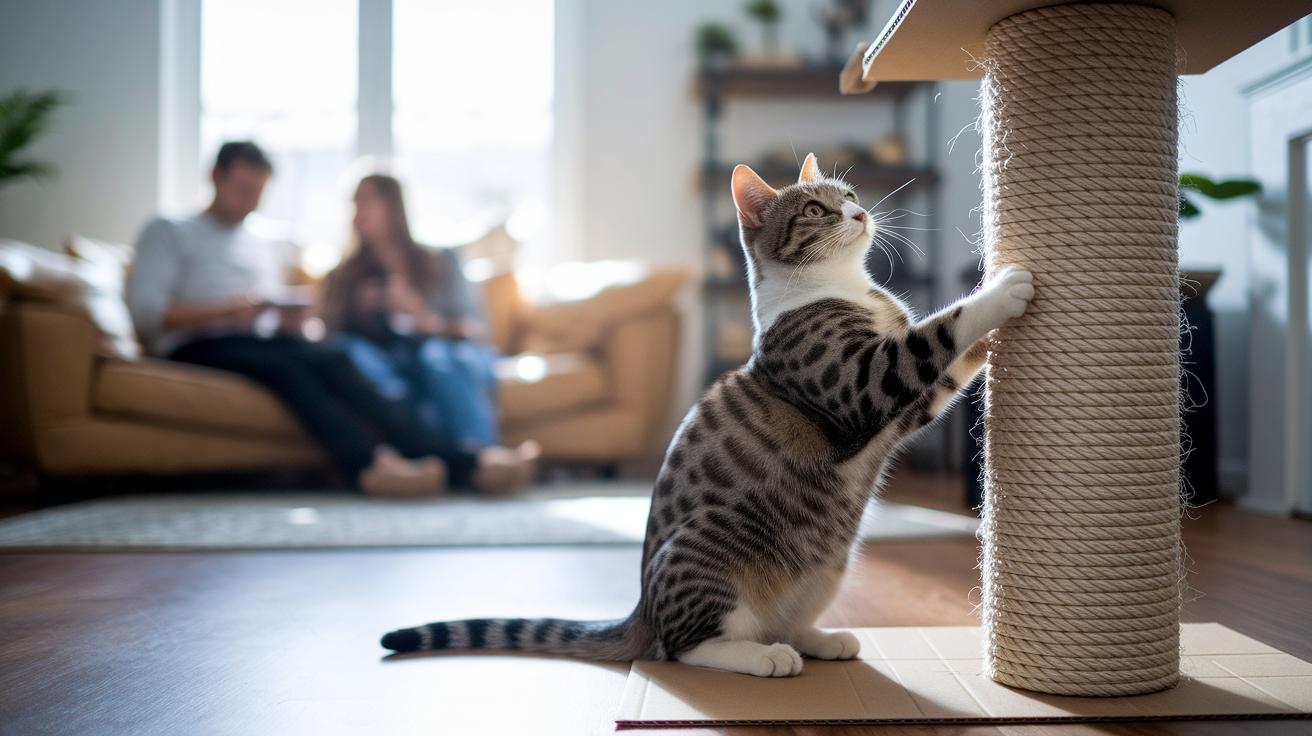
Quick verdict: Both sisal and cardboard options work well, but each has its own perks. Sisal posts are great if you want a natural, sturdy surface that cats love. Cardboard panels are ideal if you prefer an affordable and easy-to-refresh setup.
At a glance:
• Sisal posts have a rough, natural texture that helps file feline claws.
• Cardboard inserts are budget-friendly and can be swapped out quickly.
• Both types often feature solid-wood bases that keep the post stable and durable.
Sisal rope posts are made from natural fibers that come from sustainable sources. This material offers a firm, textured surface that cats enjoy for scratching. It provides steady resistance, which is good for keeping nails healthy, and many vets recommend it for being gentle on claws.
On the flip side, posts with recyclable cardboard panels let you replace the worn-out scratching surface in seconds. This design is practical and cost-effective, especially when paired with solid-wood trim that keeps the base intact long after the top is used up.
Pros:
• Durable, natural texture that stands up to regular use.
• Cardboard panels are simple and fast to replace.
• Wood caps and trim add extra strength.
• Both options support a cat’s natural scratching needs without breaking the bank.
Cons:
• Sisal can wear out over time and may need replacement.
• Cardboard inserts might require more frequent upkeep, depending on your cat’s scratching habits.
Your choice depends on what matters most: longevity or ease of maintenance. Sisal posts offer a naturally rough feel that cats instinctively love, while cardboard options let you refresh the surface quickly if needed.
| Material | Main Benefit | Budget |
|---|---|---|
| Sisal | Durable, natural scratch surface | Higher upfront cost |
| Cardboard | Easy replacement and eco-friendly | Budget-friendly |
Bottom line: If you need a post that stands strong through long scratching sessions, go with sisal. If affordability and quick maintenance are your top priorities, a post with cardboard inserts could be the best choice for your cat.
Choosing the Right Size and Shape of Cat Scratching Post
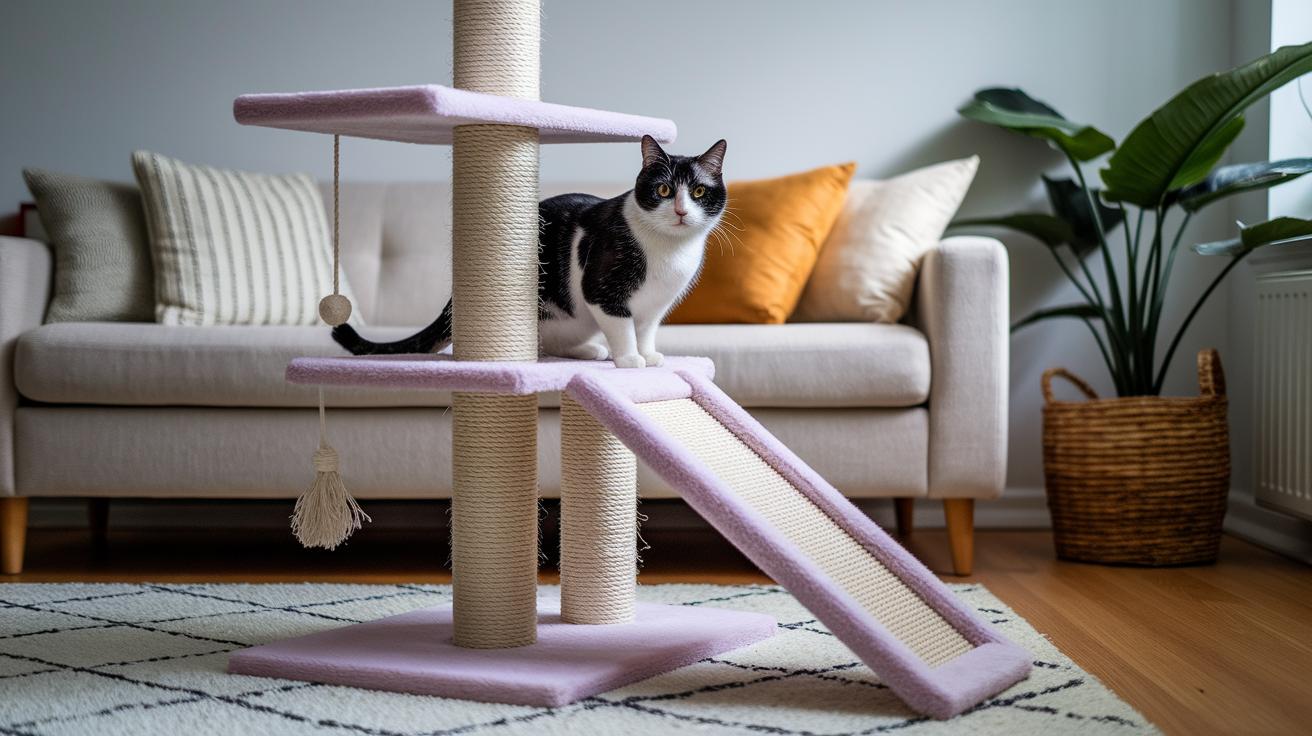
Picking the right size and design is important for your cat's scratch post. A post that is too short may not give your kitty enough room to stretch or mark its territory. On the other hand, a very tall post might not work well in every room. Big cats or homes with many cats can benefit from a taller post where they can stretch from head to toe. For smaller homes or apartments, a four-foot post fits nicely in tight spaces yet still gives a good place for claw sharpening and relaxing. Some designs include perches or ramps, which help cats of all ages and sizes enjoy their scratch area.
Below is a guide to help you choose the right post height for your feline friend:
| Height | Best For | Feature |
|---|---|---|
| 6+ ft | Large/multi-cat households | Full-body stretch and marking |
| 4 ft | Small apartment living | Space-saving design |
| 5 ft | Kittens and seniors | Angled ramps for easy climbing |
Choosing a post with the right height makes sure your cat enjoys a full scratching experience while adding a touch of style to your home's vertical space.
Installation and Maintenance Tips for Your Cat Scratching Post
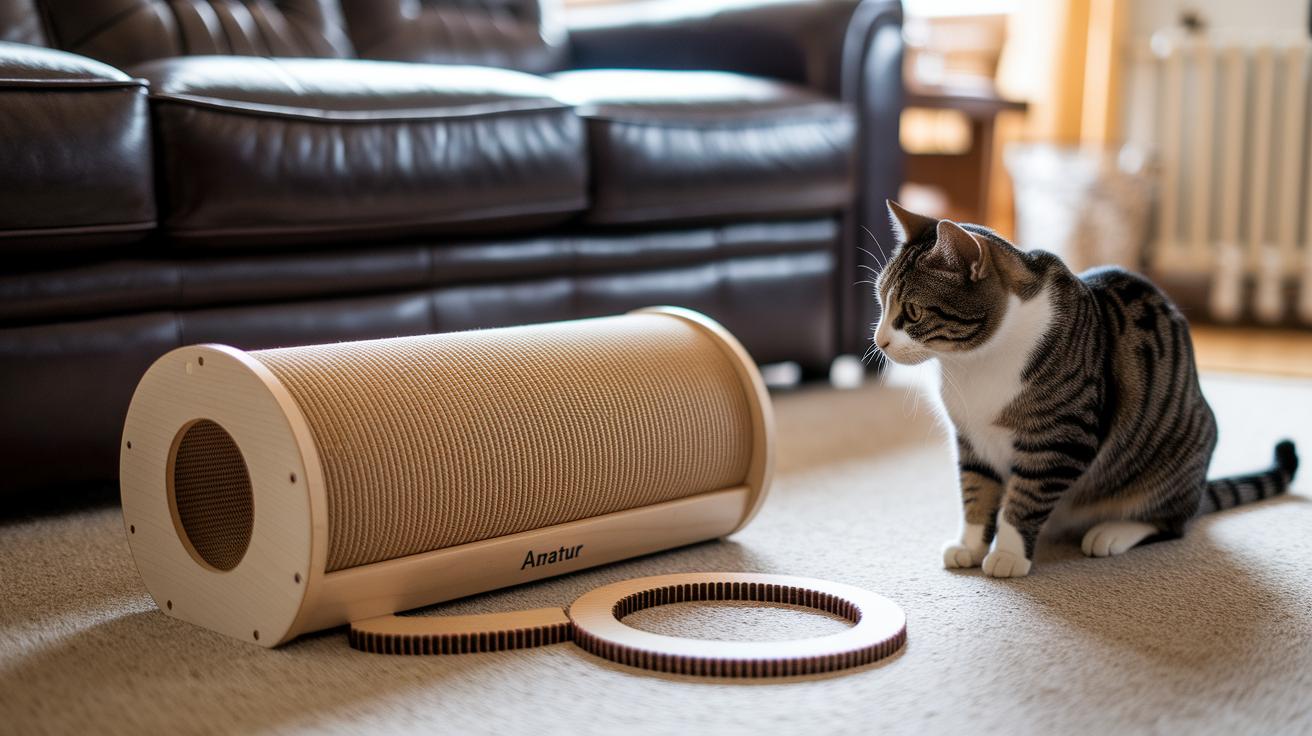
Get the best performance from your new scratcher with these five easy steps. When your post arrives, you’ll see that its solid-wood trim pieces fit together neatly without any need for special tools.
- Unpack and inspect – Open the box and check that every part is there. Notice how the trim pieces slot together smoothly for a sturdy build.
- Level the unit – Set up the post on a flat, stable surface in a spot where your cat spends time. This helps encourage your cat to use it for scratching.
- Replace worn pads – When the sisal or cardboard liner looks tired, just slide it out and pop in a new one to keep the scratching surface fresh.
- Clean regularly – Every month, rotate the post or vacuum underneath it to remove dust and debris. This simple step keeps the area hygienic.
- Match your décor – Place the post where it adds to your home’s look yet remains easy for your cat to access, balancing style and function.
Top Rated Cat Scratching Post Models: Features and Prices
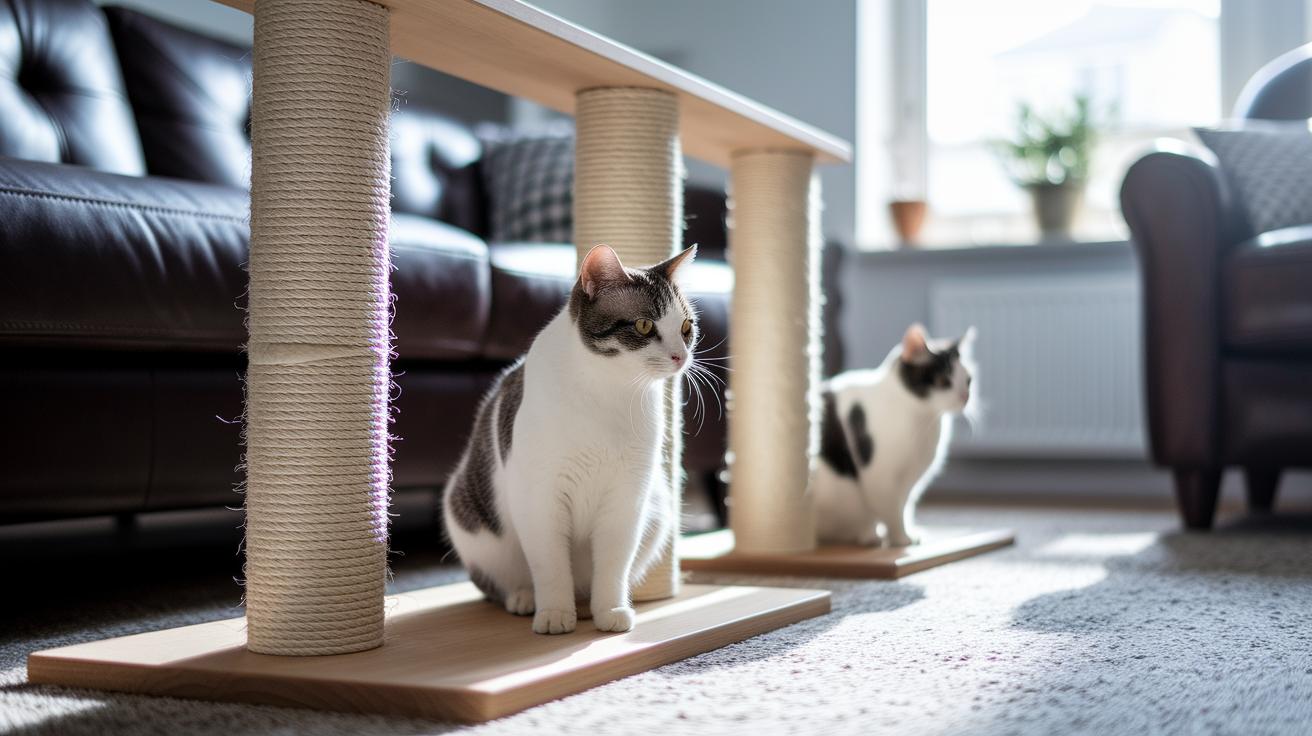
We picked three scratchers that mix strong materials, smart design, and budget-friendly choices. Each one meets different needs while letting your cat keep their claws in check and your furniture safe.
| Model | Material | Height | Price | Best For |
|---|---|---|---|---|
| Purrfect Post Deluxe | Vet-approved sisal with solid-wood trim | Standard | $109.95 | Classic strength and style |
| The Mondo | Extra-tall woven sisal | Extra-tall | $129.95 | Homes with active kitties |
| Budget Cardboard Variant | Replaceable cardboard with solid-wood base | Compact | $30–$50 | Budget-minded pet parents |
Purrfect Post Deluxe
- Good point: The vet-approved sisal (a tough natural fiber) helps shape your cat’s claws naturally.
- Good point: Its solid-wood trim makes it stable and long-lasting.
- Downside: Its higher price might not suit every budget.
- Downside: With heavy use, the sisal surface may need to be replaced sooner than expected.
The Mondo
- Good point: Its extra-tall design lets your cat stretch fully, which is great for exercise.
- Good point: The woven sisal delivers a satisfying scratch that many cats love.
- Downside: The premium cost may be a stretch for some pet owners.
- Downside: Its large size means you need plenty of space at home.
Budget Cardboard Variant
- Good point: This scratcher is affordable and uses a simple, replaceable cardboard surface.
- Good point: Swapping out the cardboard is an easy fix when wear sets in.
- Downside: Cardboard tends to wear out quickly if your cat scratches a lot.
- Downside: It misses some of the extra features found in more expensive sisal posts.
DIY Cat Scratching Post Projects on a Budget
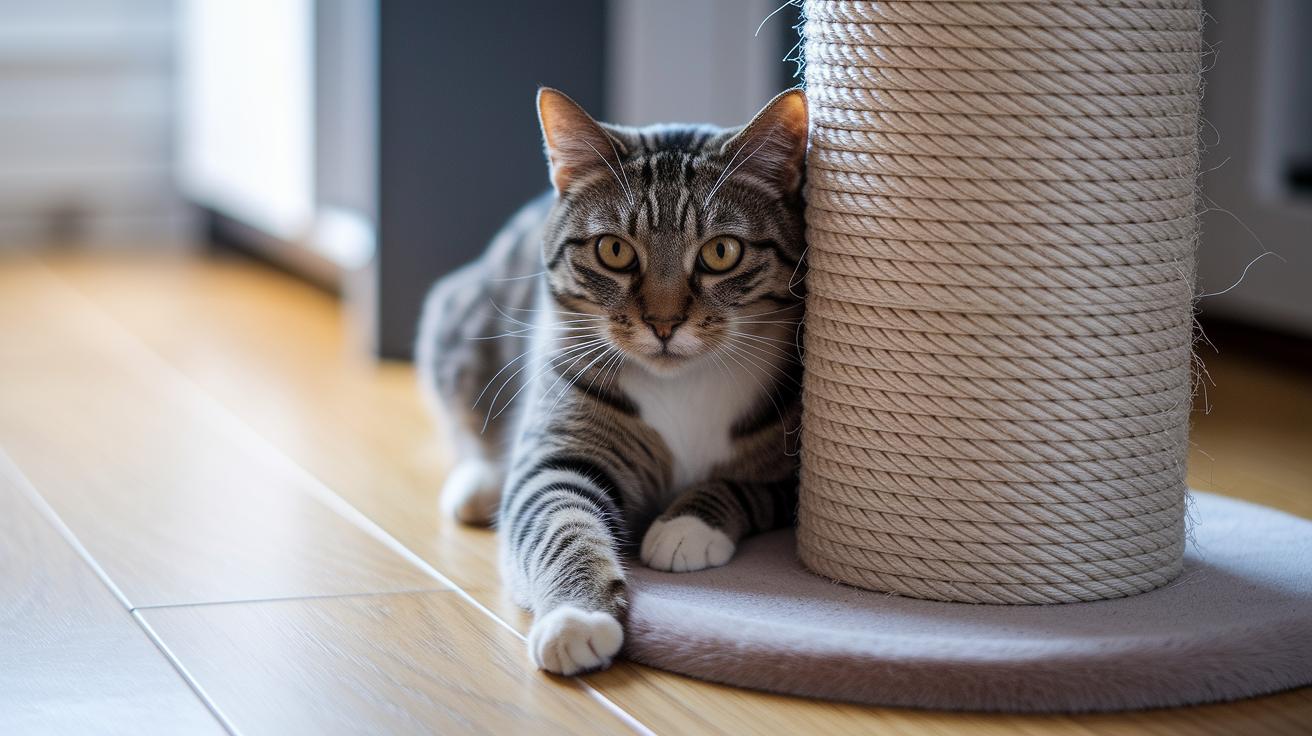
Project 1: PVC and Sisal Rope Post
Materials:
- PVC pipe (choose a height that fits your space)
- 2 m sisal rope
- Screws
- Glue
Steps:
- Cut the PVC pipe to your desired length and smooth the edges so they do not cut.
- Wrap the sisal rope tightly around the pipe. Secure each end with a bit of glue.
- Add screws along the rope to give it extra grip.
- Set the post on a flat surface to make sure it stands firm.
- Allow the glue to dry fully before your cat uses it.
Tip: Wrap the rope in overlapping layers. This creates a smooth, firm texture that helps file your cat's nails.
Project 2: Wooden 2×4 with Replaceable Cardboard Inserts
Materials:
- A wooden 2×4 pillar
- Cardboard sheets that you can replace
- Basic hardware (screws and nails)
- Non-toxic wood glue
Steps:
- Sand the pillar so it feels smooth, then add a non-slip base to keep it steady.
- Fasten the cardboard panels with screws that you can easily remove later.
- Use wood glue along the edges to keep the panels in place.
- Tap the panels lightly to check that they stick well.
- Swap out the cardboard inserts when they start to wear out.
Tip: Make sure the wood is dry and solid to support your cat’s scratching.
Project 3: Upcycled Cardboard Tower
Materials:
- Strong cardboard sheets
- Duct tape
- Scissors
- A ruler
Steps:
- Use the ruler to measure and cut the cardboard into panel pieces.
- Build a multi-level tower by arranging the panels.
- Tape all the seams securely with duct tape.
- Add extra tape at the corners to boost stability.
- Let the tower settle for a while before letting your cat explore it.
Tip: Overlap the joints as you build to make the structure tougher for your kitty.
Frequently Asked Questions About Cat Scratching Posts
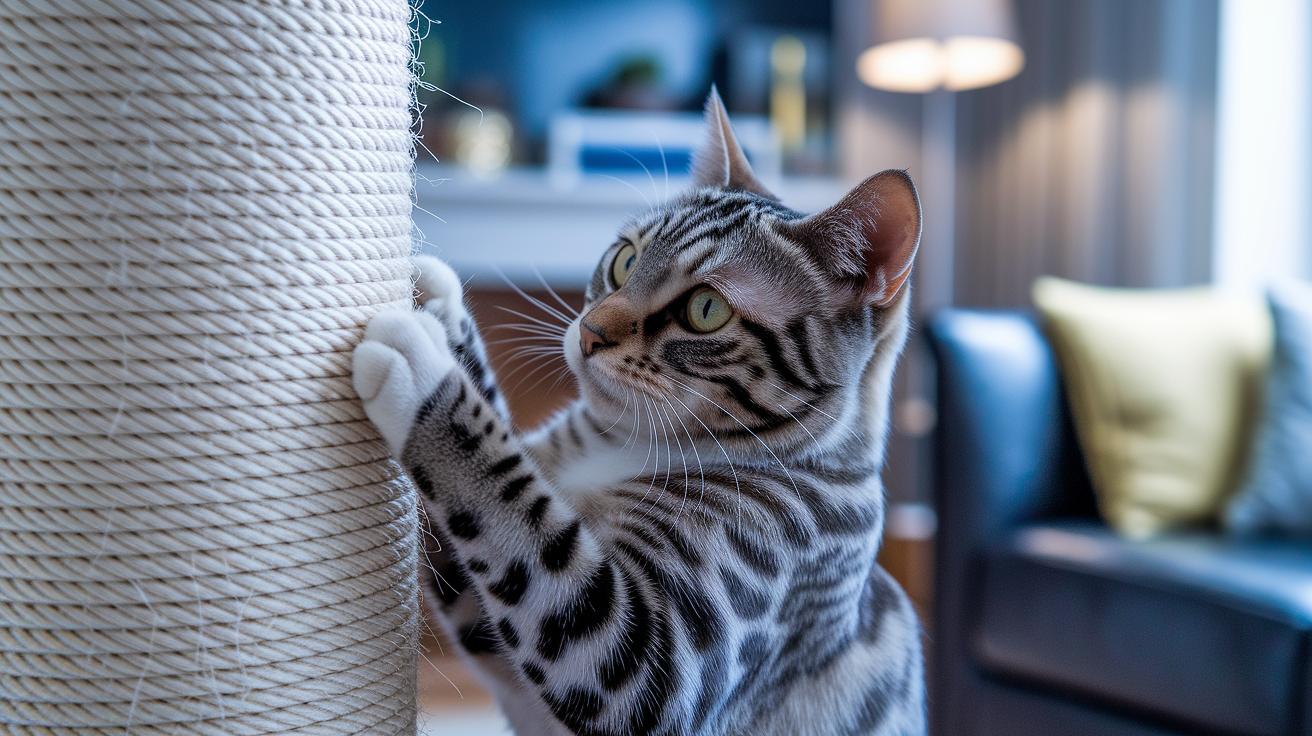
• How can I make my cat's scratching post last longer?
Keep it clean and use it gently. The natural sisal fiber usually holds up for about 3 to 6 months if your cat scratches it a lot. Check the edges often for signs of wear and tighten any loose parts. Follow our maintenance tips to know when it’s time for a replacement.
• What should I do if my cat ignores the scratching post?
Try placing the post where your cat spends most of its time, like near its favorite lounging spot. A little catnip on the post can also help catch its interest. Changing its location or texture might just spark your cat’s curiosity.
• What design features ensure the scratching post is safe?
Look for a post with a wide wooden base that stays stable during use and with textures that are gentle on your cat’s paws. These tested features make sure the post won’t tip over easily and reduces the risk of injury.
• How does a scratching post differ from other pet furniture?
Scratching posts are built for filing nails and letting cats stretch their muscles, not for blending with your home decor. If you need furniture with more than one function, consider options that mix comfort with scratch protection, though they might not be as durable for heavy scratching.
• How do I pick the right size scratching post for my cat?
Choose a post that lets your cat stretch its full body. A larger scratching post gives more surface for your cat to claw, climb, and relax, ensuring your pet gets a comfortable workout.
• What can I do if the post starts to wobble?
Make sure the base is flat and securely attached. Tighten any loose parts or place a non-slip mat under the post. These simple fixes can quickly help restore the post’s stability.
Final Words
In the action, we've covered everything you need to know about a cat scratching post. It boosts nail health and serves as a safe, fun outlet for your feline friend.
We walked through benefits, materials, sizing, installation tips, and top models. The DIY projects and FAQs round out the real-life tips every pet owner can use.
When you're ready to choose a cat scratching post, you'll feel confident making a well-informed purchase. Happy scratching!
FAQ
Cat Scratching Post Amazon
The cat scratching post on Amazon comes with various options and reviews, offering competitive pricing and designs that suit different cat sizes and scratching habits.
Heavy Duty Cat Scratching Post
The heavy duty cat scratching post uses rugged materials like sisal and solid wood, making it ideal for cats that scratch vigorously, ensuring long-lasting durability.
Cat Scratching Post DIY
A DIY cat scratching post lets you create a custom solution using materials such as sisal rope, cardboard, and wood. It’s a budget-friendly and personalized option to meet your cat’s needs.
Cat Scratching Post Walmart
The cat scratching post at Walmart provides affordable options with varied sizes and materials, making it easy for pet owners to find a reliable and accessible scratching solution.
Cat Scratching Post Nearby
A nearby cat scratching post can be found through local pet stores or big box retailers. Checking store locators or calling ahead helps you pick up the right post quickly.
Cat Scratching Post Cardboard
The cat scratching post made from cardboard offers a replaceable, cost-effective option with a texture that appeals to some cats, while effectively protecting furniture from damage.
Chewy Cat Scratching Post
A Chewy cat scratching post is available through Chewy’s online catalog, featuring various designs and materials that allow you to choose one based on your cat’s behavior and your home’s style.
What is the best scratching post for cats?
The best scratching post for cats combines durability, ergonomic design, and quality materials like sisal to support natural scratching instincts while protecting furniture for long-term pet wellness.
Do scratching posts really work for cats?
Scratching posts work for cats by providing a designated area for claw filing, stretching, and marking territory, which helps reduce unwanted scratching on furniture.
Do cats prefer sisal or cardboard?
Cats prefer either sisal or cardboard based on their texture preferences. Many enjoy the toughness of sisal for resistance, while others favor the softer, replaceable feel of cardboard.
Do cats prefer vertical or horizontal scratch pads?
Cats show mixed preferences; some like vertical posts for full-body stretches, while others prefer horizontal scratch pads for a more laid-back scratching experience.