

Quick verdict: A raised pet bed can make your pet’s rest much more comfortable and cleaner.
At a glance:
- Lifts your pet off cold floors
- Helps ease joint aches (pain in the joints)
- Feels like a breath of fresh air every time they settle
We tested these beds by watching how pets responded as they rested above chilly, damp floors. The extra height keeps them cozy and softens the pressure on their joints. It’s a simple change that can boost your pet’s comfort day after day.
Bottom line: If your pet often sleeps on cold surfaces, an elevated pet bed might be just what they need.
Why a Raised Pet Bed Is Essential for Your Pet’s Comfort and Hygiene
Raised pet beds do more than just add style to your home. They lift your pet off cold or wet floors and let air move freely underneath. This keeps drafts away and even stops floor stains, almost like giving your pet a little air-conditioned boost when they rest.
A raised bed also helps with joint comfort by easing pressure points. This can mean fewer aches and a more restful sleep, which is great news for older pets or pets with sensitive joints.
- Airflow: Better air movement underneath the bed keeps it cooler and drier.
- Reduced drafts: Helps block cold air and sudden temperature changes.
- Floor protection: Lifts your pet away from damp or messy surfaces.
- Joint support: Lowers pressure on joints, making sleep more comfortable.
- Easier cleaning: Less dust and debris make for a cleaner space.
These benefits solve common worries for pet owners. A raised pet bed gives your pet a clean and comfy spot while keeping them off dirty floors. It is a smart choice for busy owners who care about their pet’s health and happiness.
Materials and Custom Designs for Raised Pet Beds

A raised pet bed design gives you lots of choices to match your pet's needs with your home's style. You can pick a frame that focuses on toughness, looks, or saving money, and then pair it with fabrics that fit your pet. For example, you might choose breathable mesh for better airflow or ultra-soft fleece for extra coziness.
| Material Type | Pros | Cons |
|---|---|---|
| Steel Frame | Strong, durable, and built for active pets | Heavier and may not add a warm look |
| Wooden Frame | Gives a classic, natural vibe that fits well with decor | Needs regular upkeep to avoid wear |
| PVC/Plastic | Budget-friendly, lightweight, and simple to clean | Not as long-lasting and can show wear with heavy use |
You can also add a canopy to boost shade and protect your pet from the elements when outdoors. Fabric choices range from waterproof polyester that cleans up easily to soft fleece that offers extra comfort. Whether you lean toward a wooden frame for its natural look or prefer the solid strength of steel, these design features let you build a bed that brings joy to your pet and fits right in at home. With bright color options and stylish designer feet, every detail is customizable to suit your pet’s comfort and your unique decor.
Raised Pet Bed Elevates Pet Joy
Choosing the right raised pet bed size is key so your pet feels safe and cozy. A bed that is too small can limit movement, and one that is too big might not give the secure feel your pet needs.
Sizes to know:
- Small pet bed: about 20 x 14 inches (51 x 36 cm), supports up to 25 lb.
- Medium pet bed: about 30 x 20 inches (76 x 51 cm), supports up to 50 lb.
- Large pet bed: about 40 x 25 inches (102 x 64 cm), supports up to 100 lb.
Before you choose, measure your pet from nose to tail and note their girth. For pets over 100 lb or longer breeds, consider extra-large beds with reinforced frames. This way, your pet gets a bed that truly lifts their joy every time they settle in.
Assembly and Installation of Your Elevated Pet Bed
Tools and Parts Check
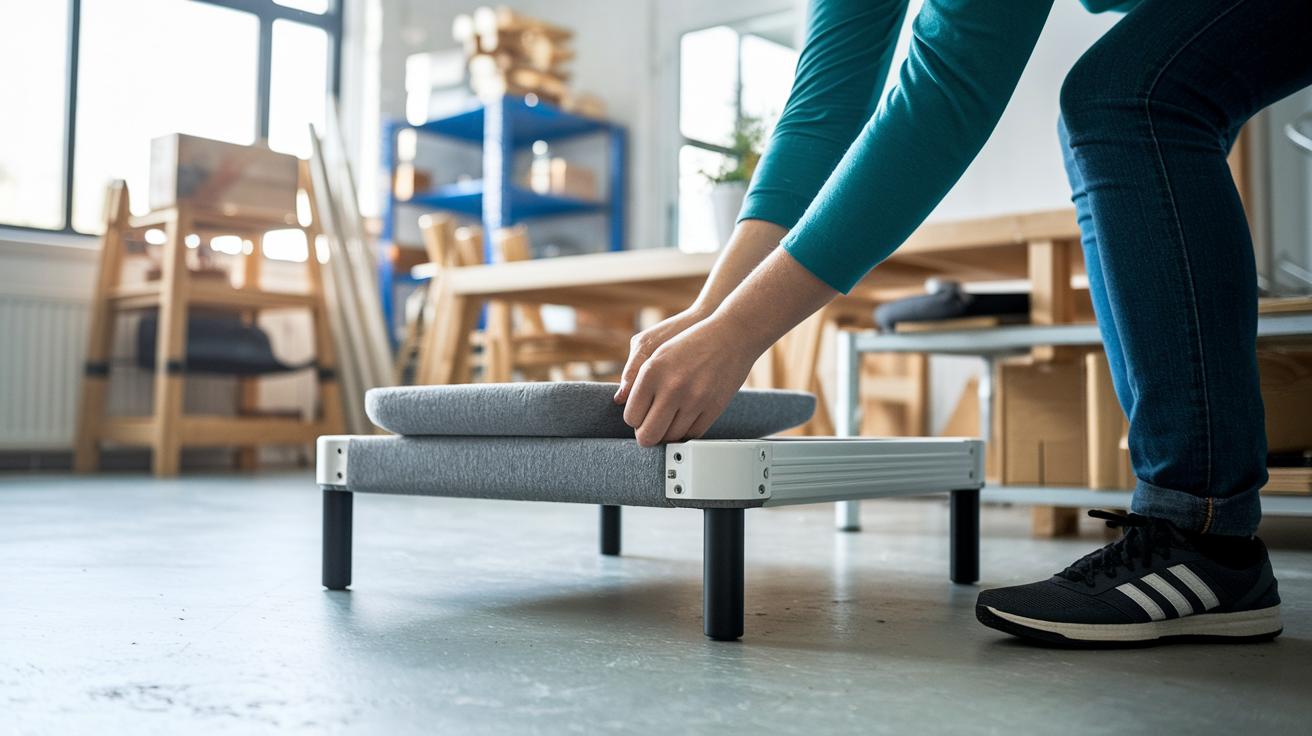
Most elevated pet beds are built to be simple. In the box you will usually find snap-fit legs, screw-in frame pieces, and clip-on fabric hammocks. The package comes with all parts needed and an easy-to-follow instruction manual. Sometimes a basic screwdriver helps if any screw feels tight, but you will rarely need special tools. For portable beds, the hardware is light enough to handle quickly.
Frame Assembly
Begin by laying out all the parts and checking them against the diagram. Snap the legs onto the main frame sections with a firm push so they lock in place. If your model uses screw-in parts, tighten each one until snug. The steps are straightforward enough for first-time users and normally take just a few minutes.
Attaching Fabric and Accessories
After the frame is set, secure the fabric sleeping surface using the clip-on mechanisms. Align the fabric edges with the frame and work around slowly to avoid wrinkles. If your bed includes extras like a canopy or bolster, attach them using the provided clips or tie-down straps. This no-tool setup is quick and hassle-free, perfect for busy pet owners.
Cleaning, Maintenance, and Durability of Raised Pet Beds
Keeping your raised pet bed clean helps make sure it's fresh and safe for your pet. Regular care not only makes the bed last longer but also gives your furry friend a cozy spot free of dust and debris.
- Remove the covers and throw them in the washing machine when needed.
- Wipe down any spills or accidents right away.
- Use a hose to rinse off metal parts and get rid of built-up dirt.
- In winter, keep the bed indoors to protect it from harsh weather.
Many raised pet beds are built to last. Most come with removable covers that you can wash easily. The outdoor frames are made to be rinsed with water and often have UV-resistant coatings to fight off sun damage. Plus, several brands back their beds with a 1-year warranty that includes free exchanges and returns. This shows that you can count on these beds to keep offering comfort and cleanliness for your pet, even with everyday use.
Comparing Raised Pet Beds: Pricing and Alternatives
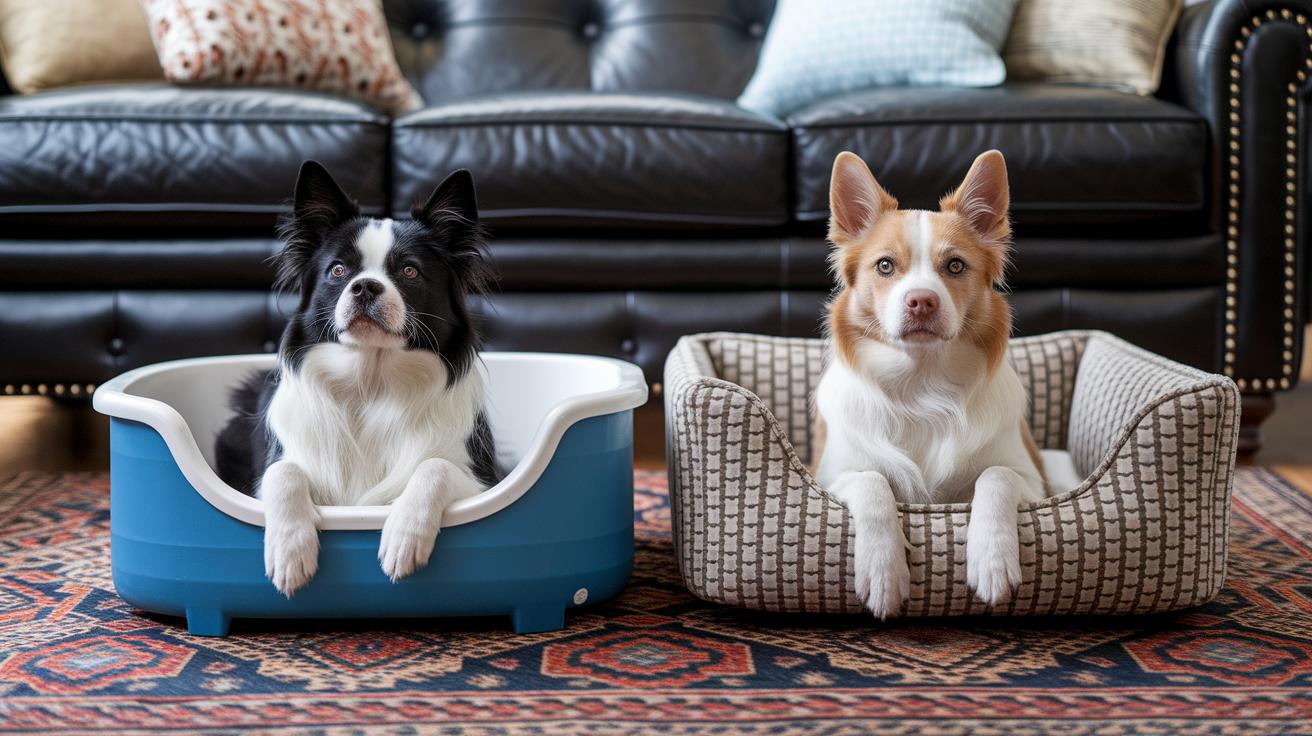
Buying a raised pet bed means weighing features against cost. We compared models from low-cost beds made with PVC to higher-end beds built with steel or wood. Some even have designer fabrics and matching accessories for a polished look.
| Option | Price Range | Key Features | Warranty |
|---|---|---|---|
| Budget Raised Pet Bed | $30-$50 | PVC build, light, budget friendly | Standard warranty |
| Premium Raised Pet Bed | $100-$200 | Steel or wood frame, durable, classic look | 1-year warranty |
| Dog Couch Bed Alternative | $150+ | Luxury fabrics, stylish design, extra touches | Extended warranty options |
When choosing the right bed, look at more than just the cost. Think about your pet’s size and your home style. If your pet is small and you are on a tight budget, the budget option might work best. But if you have a larger pet or a modern home, a premium model or the Dog Couch Bed Alternative could be a better fit. Also, check the warranty and how well the bed may handle daily use, so you know it will keep your pet comfy and last over time.
DIY Ideas for Building Your Own Raised Pet Bed
Building your own raised pet bed can be a fun way to give your pet a special spot and save some cash. You can use recycled items and adjust the design to fit your needs.
- Wooden Pallet Project: Use old pallets or redwood boards to make a strong frame. It usually costs around $20 to $30 and is great for beginners or those with a bit of DIY experience.
- PVC-Pipe Frame: Build a lightweight frame with PVC pipes and mesh slings. This project costs about $15 to $25 and is perfect if you're just starting out.
- Repurposed Stool Legs Design: Collect old stool legs and pair them with a fabric hammock for a stylish look. Expect to spend around $15 to $30. This idea works best if you have some DIY skills.
- Mixed Material Approach: Combine wood and PVC to create a custom design. This method can cost anywhere from $20 to $40 and is best for those with intermediate to advanced skills.
Remember to always follow safety guidelines and use your tools properly. If you aren’t comfortable with cutting or putting pieces together, a ready-made bed might be a better choice. These ideas are ideal for pet lovers who enjoy making something unique without sacrificing strength or safety.
Final Words
In the action, we explored how a raised pet bed boosts airflow, reduces drafts, and keeps your pet comfortable on cold, damp floors. The post broke down its benefits, materials, sizing, setup, and maintenance into clear, bite-sized sections.
Each tip helps you pick a bed that meets your pet’s needs while making cleaning and care easier. With practical ideas and real-world advice, you can confidently choose a raised pet bed that works for you and your furry friend.
FAQ
Are raised beds good for dogs or should dog beds be raised?
Raised beds provide better airflow, dryness, and joint support, making them a smart choice for cleaner, more comfortable pet sleep.
What elevated dog beds do vets recommend and where can I find the best options?
Vets favor elevated beds for their hygiene and joint benefits, and many top-rated models are available on sites like Amazon with various sizes and cushion features.
Which elevated dog bed sizes are ideal for large dogs?
Extra-large beds (XL or XXL) offer ample space and durable support for large breeds, ensuring comfort and proper joint care.
Do elevated dog beds with cushions add extra comfort for pets?
Elevated beds with cushions combine airflow benefits with extra softness, creating a cozy, breathable, and supportive resting spot for your pet.