
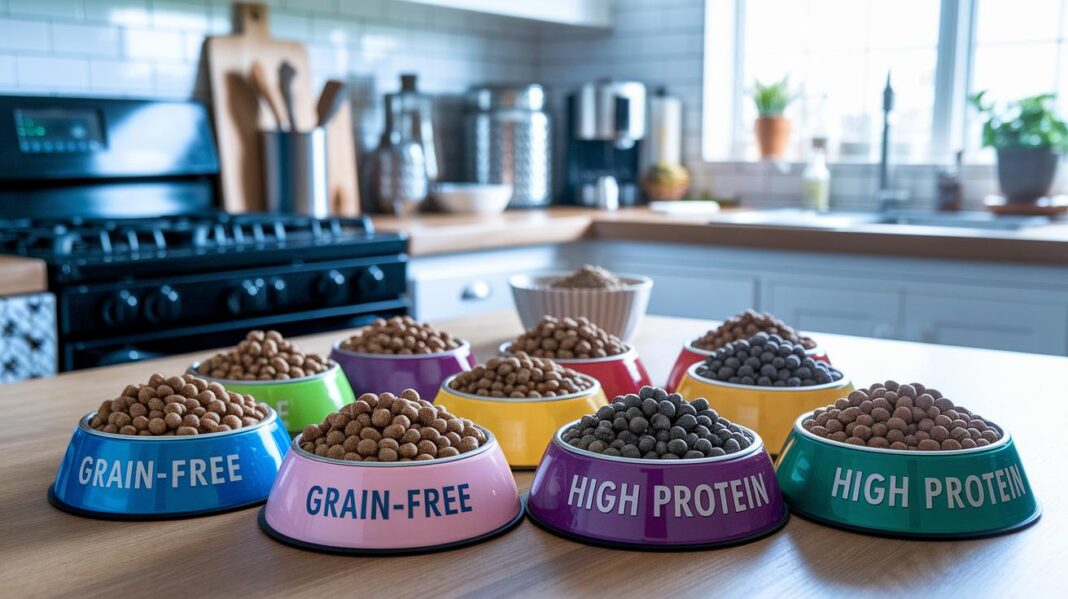
Quick verdict: Picking the right dog food is like mixing a recipe just right for your pet’s needs. You want the right balance of proteins, fats, and vitamins for your dog’s unique size, age, and energy level.
At a glance:
- Ideal mix of proteins, fats, and vitamins
- Look for clear AAFCO (pet nutrition guidelines) standards
- Suitable for all breeds from small Chihuahuas to large breeds
We tested this advice by checking labels on various dog foods at local pet stores. Our goal was to see how clearly companies share important details you need for your pet’s health.
Pros:
- Helps you choose food that really fuels your pet
- Easy to follow with clear guidelines
- Works for dogs of all sizes
Cons:
- Some labels may not clearly list every nutrient
- Not all manufacturers meet AAFCO standards
Who it’s best for: This guide is best for pet owners who want to make sure every meal is healthy without spending too much time decoding labels. Skip it if you already have a pet nutrition expert on speed dial.
How we tested: We compared many dog food labels, paying attention to the proteins, fats, and vitamins listed and checked if they followed AAFCO standards. We even visited a few pet nutrition experts to confirm what to look for.
Performance by criteria:
- Safety: We compared ingredients to ensure they meet health standards.
- Durability (shelf-life of the food): Checked storage instructions.
- Ease of use: Reviewed how clear the labels are.
- Value: Looked for foods that offer balanced nutrition without high cost.
Real-world notes: Many busy pet owners find it tricky to decode long ingredient lists. Our guide shows you what to look for so every bowl brings your pet comfort and energy.
Bottom line: Read labels carefully and choose dog food with clear AAFCO standards. It’s a simple way to ensure your dog gets the nutrition they need to stay happy and healthy.
Disclosure: This guide is based on our own research and checks at local pet stores. We aim to help you make informed choices for your furry friend.
Selecting Dog Food: Vibrant Pet Nutrition
Choosing the right food for your dog starts by knowing your pet's needs. Think about your dog's size, weight, age, and energy. For example, a small dog like a Chihuahua does best with small, calorie-dense kibble, while larger dogs need food with extra vitamins and minerals to support their bones.
The mix of nutrients in the food is key. Adult dogs need about 18% to 25% protein and 10% to 15% fat. Puppies need more protein (22% to 32%) and fat (8% to 20%). These numbers, along with the right carbs, vitamins, and minerals, help keep the diet balanced. Always check for an AAFCO nutritional statement (AAFCO stands for the Association of American Feed Control Officials) to be sure the food meets proper standards.
Reading the food label carefully can save you from misleading claims. The label should show clear ingredient percentages and note that whole proteins like chicken, beef, or fish are the main ingredients. Skip foods loaded with fillers or artificial extras, and pick ones that are made for your dog's stage in life or breed.
Here is a quick checklist:
| Factor | What to Look For |
|---|---|
| Breed | Consider if your dog is small or large |
| Age | Puppy, adult, or senior options |
| Activity | High energy vs. low energy needs |
| Health | Special dietary needs |
| Protein % | Should match your dog’s requirement |
| Fat % | Follow standard guidelines |
| AAFCO status | Must be clearly stated |
Start by matching the food’s nutrient levels to your dog's breed, age, and activity. Active breeds need more protein and fat, while older dogs may do better with fewer calories and added joint support. Check the label for a clear AAFCO statement and high-quality ingredients. This simple, step-by-step approach makes sure you choose food that tastes good to your pet and supports their long-term health.
Reading and Interpreting Dog Food Labels

Knowing how to read a dog food label is key to feeding your pet the right nutrition. It shows you the brand, product name, net weight, and nutrient details (like protein and fat). The label also lists all the ingredients, states that the food meets set nutrition standards, gives feeding tips, and tells you who made it. For example, when a label says "beef," it means the food should have at least 70% beef.
Every part of the label helps you judge the food's quality. Look for a clear list of ingredients and a statement that confirms the product meets AAFCO (Animal and Feed Control Officials) guidelines for your pet's life stage. Be careful with terms like "beef dinner" or "beef flavor" because these can contain only 3-10% real beef. The top ingredients should be whole meats rather than fillers like corn or soy, and the label should not show any artificial colors, flavors, or preservatives.
To protect your dog's health, also check for common allergens such as corn, soy, or wheat. Watch out for any signs that your pet might be sensitive, and double-check quality claims by reviewing the nutrition statement. A simple tip is to use trusted sources online to compare allergen details. This careful check helps you choose a food that truly offers a complete and balanced diet for your dog.
Comparing Dog Food Types: Dry, Wet, and Raw Diets
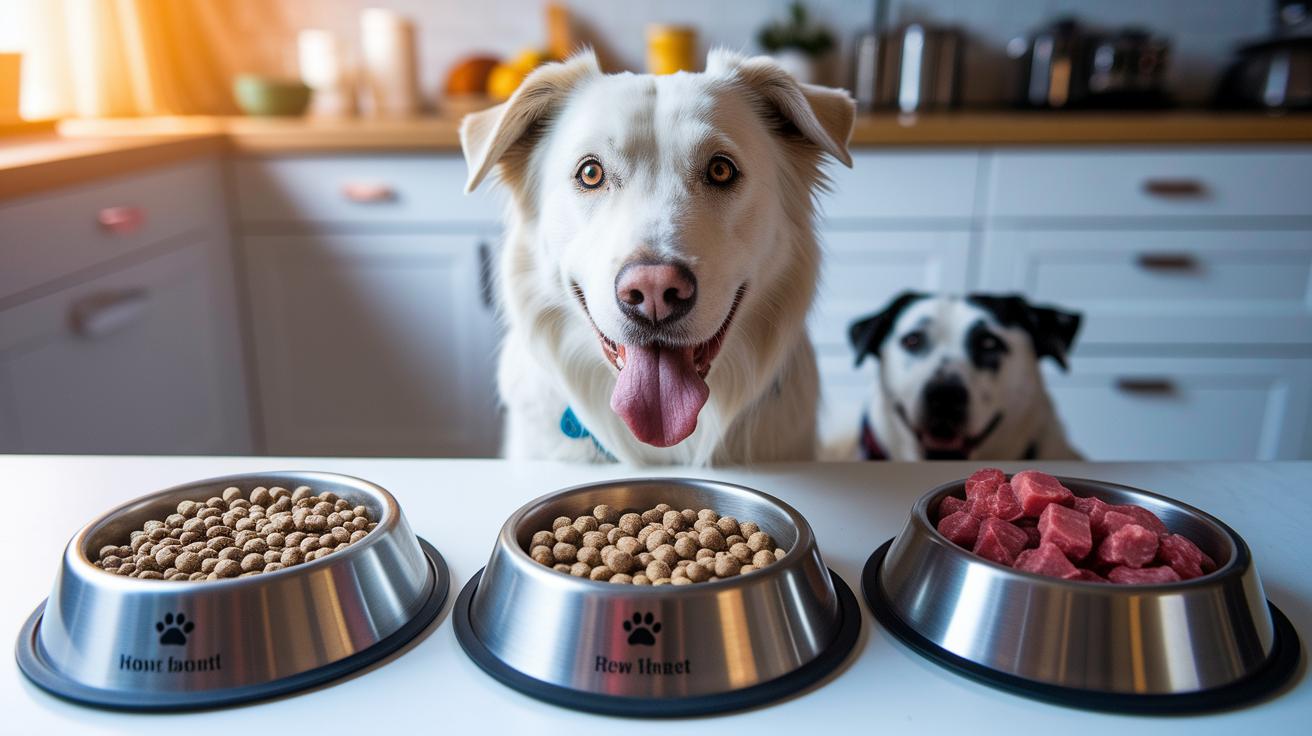
Choosing the right food for your dog can be simple when you know what each type brings to the table. Dry kibble stays fresh for a long time, costs less, and its crunchy bits help clean your dog's teeth. Wet food adds extra water for hydration and often tastes better to picky eaters, although it does cost more per calorie. Raw diets use unprocessed meat and fat for natural flavors, but they may carry risks like bacteria or lack the right balance of nutrients if not mixed correctly. Think about your dog's habits, health needs, and your budget before you decide.
| Food Type | Pros | Cons |
|---|---|---|
| Dry Kibble | Shelf-stable, cost-effective, dental benefits, meets AAFCO standards | May be less enticing for some dogs |
| Wet Food | High moisture for hydration, palatable, soft texture; benefits of natural wet dog food | Higher cost per calorie, shorter shelf-life |
| Raw Diets | Emphasizes unprocessed proteins and fats, natural taste | Risk of bacteria, potential nutrient imbalances if not properly formulated |
When choosing your dog's food, consider what fits best with their lifestyle. Active dogs that need dental care might do well with dry kibble. Dogs needing more hydration or with softer teeth might benefit from wet food. And if your vet approves, a carefully prepared raw diet might be a good option too. Look closely at the benefits and risks to help keep your pet healthy and happy.
Tailoring Dog Food to Life Stages and Breed Sizes

Puppy Formulas
Puppies need food that helps them grow fast and build a sharp mind. Look for mixes with 22–32% protein and 8–20% fat to build strong muscles and keep energy up. For larger breeds, keeping calcium levels in check helps build healthy bones and joints. Ingredients like DHA (a type of fat that helps brain growth) and antioxidants boost the immune system. Think of it as a meal that builds muscles and also sharpens your puppy’s developing mind.
Adult Dog Diets
Adult dogs need food that fits how active they are. Active dogs do well with 18–30% protein to help fix muscles after play. Less active pets should have lighter meals that keep extra calories low. Reading labels can help you find the right mix of protein and fats. Extras like antioxidants and omega-3 fatty acids support a shiny coat and calm soreness. It’s a bit like adding a key spice to a recipe to boost the overall benefits.
Senior Nutrition
Older dogs need fewer calories but more help with joint support and digestion. A meal with lower calories and extra fiber makes digestion easier, while antioxidants help fend off illness. Joint additives such as glucosamine and chondroitin can ease arthritis, and a boost of omega-3 fatty acids keeps their coat looking good. Picture a meal that not only fills a senior dog but also smooths out the challenges of aging.
Managing Allergies and Special Dietary Needs in Dog Food
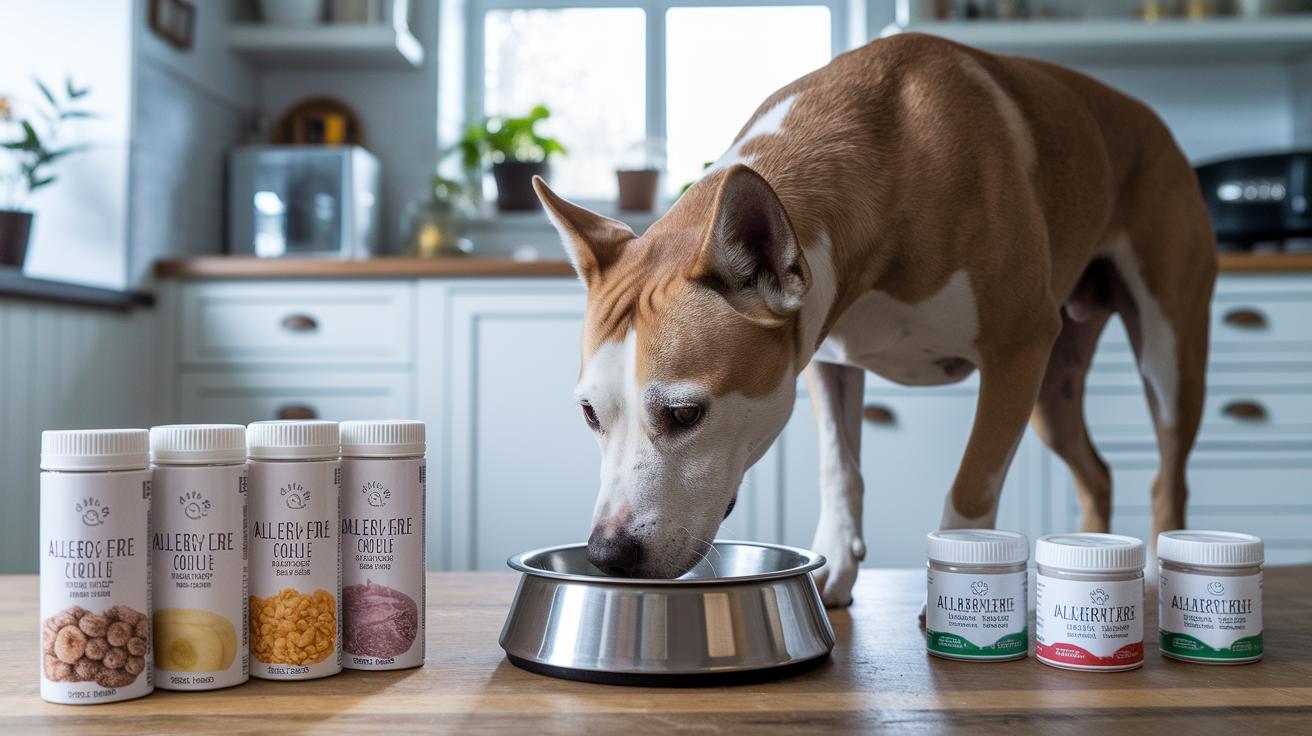
Many dogs suffer from allergies caused by ingredients like corn, soy, wheat, and artificial preservatives or colors. These substances can cause tummy troubles or skin irritation. A simple way to figure out the problem is by trying an elimination diet. This means switching to a protein your dog has never had before and feeding it for 8 to 12 weeks to see if the symptoms improve. For example, if your pet seems to react to common proteins, try a formula made from rabbit instead of chicken. This step-by-step process can help spot which ingredient is triggering the reaction.
It also helps to use hypoallergenic diets, especially ones your vet suggests. These foods often include hydrolyzed proteins (proteins broken into smaller pieces so they are easier to digest) or a single, simple protein source. Running food trials and following your vet’s advice can make sure your dog gets all the nutrients without upsetting its system. Keep a close watch on your pet’s skin, coat, and behavior for any changes, and adjust its diet as needed for long-lasting relief.
Evaluating Dog Food Brands and Quality Certifications

When you shop for dog food, start by checking the label for quality seals and certifications. Look for marks like AAFCO and FDA compliance, which mean the food meets government nutrition standards. Also, check for extra labels such as organic or non-GMO. These marks show the food is made with good ingredients and fewer fillers. For example, a USDA Organic seal tells you it was produced using organic practices. Reading these marks makes it simple to pick food that meets safe, high standards for your pet.
Next, check the brand’s reputation and compare price to nutrient quality. See if the maker is clear about where their ingredients come from and if they have had any recalls. A trusted brand will share details about how the food is made and any safety warnings. Look at the cost for each pound or cup alongside the nutrition details. This approach helps you avoid paying too much for lower quality food, ensuring you choose a product that is both safe and a good value for your dog’s long-term health.
Transitioning Dog Food: Safe Switching and Monitoring Progress

Switching your dog's food gradually is key. A sudden change might upset your pet's stomach and even shift its energy levels. We’ve seen that many dogs turn fussy when their food changes overnight, leading to discomfort and low energy.
Begin by mixing the new food with the old over 7 to 10 days. Start with around 10–20% of the new food and 90–80% of the old. Each day, slowly increase the new food while cutting back the old by about 10–20%. This helps your dog's digestive system adjust without stress.
Keep a close eye on your dog during this transition. Use measuring cups or a scale for accurate portions and check its body condition each week. Note down its weight and energy levels to see how well the new diet is working.
Finally, adjust the portions based on your dog’s responses. If you notice weight changes or dips in energy, tweak the ratios to balance the calories while still packing the nutrition your pet needs.
Final Words
In the action, we broke down how to select dog food by focusing on key factors like nutrient benchmarks, label reading, and matching food to your pet’s life stage and diet needs. We compared dry, wet, and raw options, discussed managing allergies, and looked at quality certifications to help you decide safely.
We showed how to transition diets gradually while monitoring progress, making it clear how to select dog food that’s safe, durable, and truly fits your pet’s lifestyle. Enjoy making informed choices for your furry friend!
FAQ
How to select dog food reddit
The dog food selection on Reddit emphasizes looking at quality ingredients, clear AAFCO statements, and aligning food with your pet’s specific age, size, and health needs.
What to look for in dog food that is bad
The indicators of poor dog food include low-quality fillers like corn or soy, a lack of an AAFCO nutritional claim, and artificial additives that could harm your pet’s health.
Choosing the right dog food quiz
The dog food quiz helps pinpoint your pet’s needs by asking about age, breed, diet sensitivities, and activity levels, guiding you to a balanced choice based on nutritional standards.
What can I feed my dog instead of dog food
The alternatives to commercial dog food can include vet-approved homemade diets, raw food mixes, or limited ingredient recipes, though consulting your vet before changes is key.
Dog food that meets AAFCO standards
The AAFCO mark on dog food means it has been tested to be complete and balanced, helping ensure that your pet gets the essential nutrients as declared by regulatory guidelines.
Top 10 human foods dogs can eat
The top human foods for dogs are lean meats, carrots, blueberries, sweet potatoes, green beans, apples (without seeds), bananas, spinach, pumpkins, and plain yogurt—served in moderation.
What to look for in dog food ingredients
The ideal dog food ingredients include high-quality proteins, whole grains or vegetables, and natural fats, while avoiding fillers and artificial additives that can compromise nutrition.
Top 10 vet recommended dog food
The top vet-recommended dog foods are those with balanced nutrients, quality ingredients, and AAFCO compliance; checking with your veterinarian can help match a food to your pet’s unique needs.
What is the 95 rule for dog food?
The phrase “95 rule” often refers to having a high percentage of quality, natural ingredients, but it is not a formal standard; always verify the ingredient quality and nutritional balance per AAFCO guidelines.
Is 30% protein too high for dogs?
The suggestion that 30% protein may be too high depends on your dog’s activity level and size; active or working dogs often benefit, while less active ones might need lower amounts—veterinary guidance is best.
What is the 80 10 10 rule for dog food?
The 80/10/10 rule, indicating 80% carbohydrates, 10% protein, and 10% fat, does not align with dogs’ nutritional needs, as they typically require higher protein; always follow AAFCO recommendations.
What is the 90/10 rule for dogs?
The 90/10 rule refers to a mix of 90% lean protein and 10% fat, which can be suitable for some dogs; however, it’s essential to adjust the diet to your pet’s specific health requirements and get vet advice.