
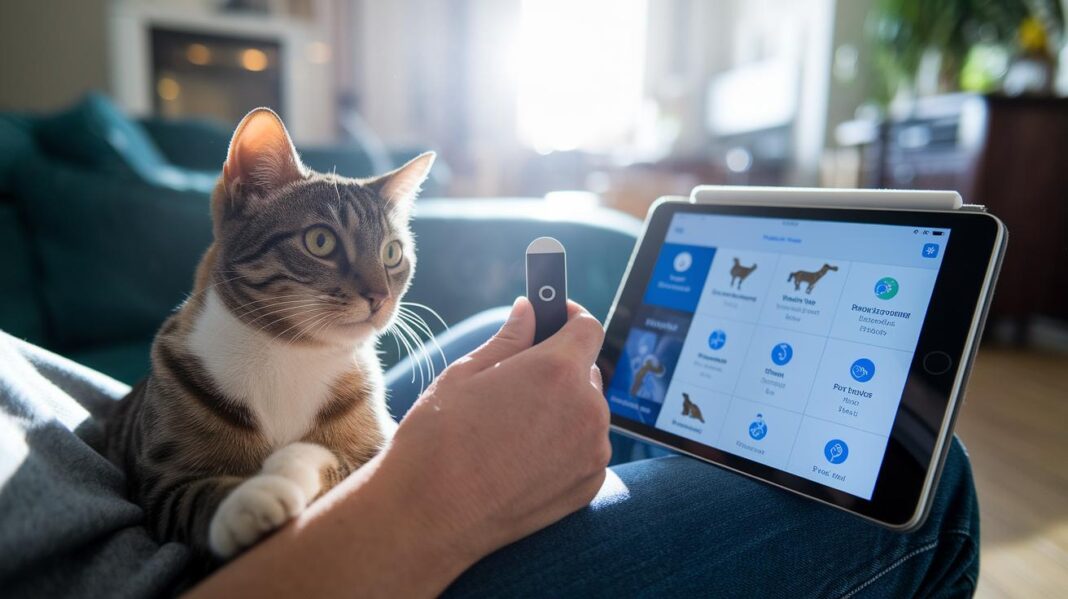
Ever wonder if your pet tracker is really doing its job? With so many choices out there, it’s easy to feel lost. But picking a tracker is simple if you know what to check for. Look at the battery life, how tough it is, and if its GPS (a system that shows your pet’s location) works well whether you’re in a busy city or a quiet country road.
In this guide, we share the must-know features that keep your pet safe and make sure you get a device that really works. Get ready to see how the right tracker can make your daily pet care routine a breeze.
Pet Tracker Buying Guide: Key Selection Criteria

A pet tracker helps you know where your pet is at any moment. It can be a lifesaver if your pet loves to explore or tends to wander.
The first thing to check is battery life. Look for a tracker that can run for days or even weeks in normal use. Sometimes the made-up numbers on the box don't match real life.
Next, assess its range and connectivity. A good tracker works well in both busy city areas and quiet country roads. It should deliver clear, accurate location data thanks to strong satellite signals and quick GPS timing.
Durability is a must. Your tracker should handle rough outdoor conditions, accidental drops, and weather challenges. Look for a robust casing and a high waterproof rating (like IP68, which means it can handle heavy water jets).
Also, consider the cost. Think of both the price you pay upfront and any monthly fees for extra features. A smart choice balances performance with long-term expenses.
Last, think about design and comfort. Some trackers are built right into collars, making them lighter and less bulky for your pet.
Key points to look for:
- Battery life: Lasts days or weeks in everyday use.
- Range and connectivity: Works well in various conditions.
- Durability: Built to handle rough weather and impacts.
- Cost: Balances device price with any ongoing fees.
- Design and comfort: Fits well and is light for your pet.
By comparing these features, you can pick a pet tracker that keeps your companion safe without breaking the bank.
GPS Pet Monitoring Technology and Accuracy

GPS pet monitors use a network of 24 satellites that circle the earth in six different paths. The tracker connects with these satellites to quickly determine your pet's location. Assisted GPS (AGPS, a tool that speeds up location finding) helps get a fix faster. Plus, dual-frequency Global Navigation Satellite System (GNSS, which uses two signals for better accuracy) makes sure your pet's spot is pinpointed reliably.
Newer trackers mix standard GPS with extra tech modules. These include single or dual-frequency GPS, inertial navigation (sensors that track movement), Wi-Fi, Bluetooth, Bluetooth Low Energy (BLE), and even ultra wide band (UWB, a short-range radio signal) for better positioning. This combo works well when satellite signals are weak. For instance, one tracker uses LTE/GPRS (mobile network technology) with dual GPS and AGPS, much like the F207 model, to improve accuracy in tough spots.
Real-time tracking sends location data continuously so you can check on your pet at any time. However, performance depends on network coverage and the surroundings. Our tests showed that areas with open skies give the best results, while tight urban spaces or thick woods may cause slight delays.
Remember, under optimal conditions, GPS tracking can be off by just a couple of meters – enough to follow your pet's every move.
Battery Life and Durability in Pet Trackers

Quick verdict: Choose a tracker that is tough enough for daily use and has a long-lasting battery. We found that models like the Fi Series 3 and 3+ hold their charge longer during our tests. On the other hand, the Tractive Dog 6 updates its location every 2-3 seconds but uses battery faster in live mode.
Remember that actual battery life may not match what is advertised. Battery performance in the real world can vary by days, weeks, or even months based on factors like signal strength and connectivity. For bigger dogs (over 50 lbs), the Tractive XL may work better because its battery lasts longer.
Durability is just as important as battery life. Look for trackers with high IP ratings (which show waterproof and dustproof levels), strong impact resistance, and heavy-duty casing materials. These features help the tracker survive rough play and harsh weather.
Here are the key points to consider:
- Stated battery life versus real-world performance.
- Charging efficiency and time.
- Resistance to drops and rough play.
- Waterproof and dust protection (IP rating).
- Durability of the casing for outdoor use.
- Weight and size that fit your pet.
Check these features closely to pick a tracker that not only keeps up during your outings but also stands up to the day-to-day adventures of your pet.
Range, Connectivity, and Waterproof Features in Pet Trackers

When you choose a pet tracker, it's key to know how far it can talk to its network and how well it holds a connection in different places. In busy cities, tall buildings and heavy signal traffic can block or slow down the connection. In quiet countryside or wooded areas, weak cell and satellite signals might cause delays.
Our tests show that connection times vary by model. For example, the Tractive Dog 6 usually connects in about 15 seconds, while the Fi series takes around 1 minute. In rural settings, this delay can be even longer.
Waterproof ratings help you understand a tracker's toughness. The Whistle Go Explore 2.0 earns an IPX8 rating, which means it can be submerged in water without damage. The Tractive Dog 6 holds a steady IP68 rating that protects it from dust and water. Meanwhile, the Fi 3+ goes a step further with an IP68 + 66K rating, meaning it can handle strong water jets, a bonus if your pet loves to splash around.
Safe Zone alerts also give you a clear idea of a device's connectivity. In areas with a strong signal, the Fi and Tractive trackers send alerts in about 2 minutes, while the Whistle model takes around 4 minutes. Lost Dog Mode works a bit differently too. The Tractive model updates its location every 2 to 3 seconds, compared to the Fi series which updates 3 to 5 times per minute, and Whistle sometimes only gives 6 updates in 18 minutes.
Comparing Top Pet Tracking Devices and Cost Analysis

| Device Name | Price (Device + Subscription) | Battery Life | Range | Waterproof Rating |
|---|---|---|---|---|
| Fi Series 3+ | High – Membership included | Best in our tests | Strong – Works well in many spots | IP68 + 66K (stands up to high-speed water jets) |
| Tractive Dog 6 | Budget – Subscription separate | Shorter – Frequent updates use more battery | Fast – Quick connection (~15 sec) but can vary in weak spots | IP68 (dust and water resistant) |
| Whistle Go Explore 2.0 | Mid – Subscription needed | Average – Steady battery for mid-level updates | Fair – Updates come at uneven intervals | IPX8 (can be submerged without damage) |
| F207 (4G) | Mid-high – Advanced 4G connectivity included | Moderate to strong – Depends on network use | Solid – Dual GPS plus AGPS for reliable tracking | IPX68 (strong waterproofing) |
When you compare these devices, both cost and performance matter. Fi Series 3+ stands out with a long-lasting battery and accurate tracking, plus a built-in membership plan so you don’t need extra sign-ups. This makes it great for pet owners who want a no-hassle tracking option.
Tractive Dog 6 is a wallet-friendly choice. Even though you must pay separately for a subscription, its low price and fast connection work well in busy areas. Just keep in mind that the battery may not last as long as the higher-end models.
Whistle Go Explore 2.0 fits in the mid-range. It tracks steadily and holds up well against water, making it a balanced option. However, its app reviews differ from one platform to another, so check if it works with your device before buying.
The F207 (4G) uses both standard and assisted GPS for tight, reliable tracking. Its strong waterproof design makes it a smart pick if you face rough weather or rugged terrain.
In the end, your choice may come down to whether you prefer an all-in-one plan with top battery performance or a more affordable option for shorter-term needs.
Real-World User Reviews and Performance Insights

User reviews give practical feedback on pet tracking devices. Many pet owners appreciate the clear accuracy of Fi and Tractive trackers, even if some have noticed that the connection sometimes drops in rural spots. A big talking point is the customizable Safe Zone alerts. Most reviewers find these alerts helpful, but a few have seen false alarms or missed alerts, which can cause extra worry or lead to missing important notifications. One user said, "The tracker works great in town, but out in the country, the signal sometimes drops."
Mobile app performance is also a key factor. For example, the Whistle app gets mixed scores. It has a 2.1-star rating on Google Play and a 4.6-star rating on the Apple App Store. This shows it is important to check how the app works on the platform you use. The map display, history logs, geo-fencing setup, and push or SMS alerts are features that many users rely on for a good experience.
Key observations from user reviews include:
- Good accuracy for the Fi and Tractive models.
- Occasional connection issues in rural areas.
- Mixed reviews for the Whistle app.
- Useful features like customizable Safe Zones and detailed alert systems.
Choosing the Right Pet Tracker for Dogs vs. Cats

When picking a tracker for your dog, design and fit matter most. For medium and large dogs, built-in GPS collars like those from Fi or Whistle work great. They have fewer parts, which makes them easier to use and keeps them secure. But they can be a bit heavy. A medium-sized dog might handle a 3 oz (85 g) collar just fine. Very small breeds, however, could find it bulky. Look for collars with adjustable straps so they sit snugly and don’t bother your pet during play. If your dog prefers a detachable accessory, tag-style trackers are a flexible choice.
For cats, the tracker should be light and hardly noticeable. Clip-on trackers or those that attach to a harness are ideal. They usually weigh less than 1.5 oz (42 g) and are designed to be low-profile. This helps prevent irritation, especially with indoor cats. Many cat trackers also come with Bluetooth or proximity alerts, which work well when strong GPS signals are hard to come by indoors. For outdoor cats, choose one with reliable GPS or GSM tracking that can handle varied terrain. In our tests, an indoor cat quickly got used to a clip-on tracker and barely noticed it, even while playing. These options help ensure your pet is safe and comfortable whether they are exploring or relaxing at home.
Installation, App Integration, and Maintenance Tips for Pet Trackers

When setting up your pet tracker, make sure it fits snugly on your pet. Position it so the antenna points upward for a strong signal. Avoid spots where thick fur might cover the device. Adjust the strap so it stays secure without feeling too tight.
Start the app by giving it all the necessary location permissions. Set up Safe Zones to get a quick alert if your pet leaves an area you choose. Take a moment to pick your notification settings so you know right away if something changes. It also helps to check for firmware updates regularly.
For ongoing upkeep, stick to the manufacturer's charging schedule. Occasionally check the waterproof seals for any signs of wear. If your tracker has replaceable batteries, change them as needed. Compare subscription plans to find the best data allowance and trial period for you. And if you spot any performance issues, contact customer service right away.
Final Words
In the action, we broke down key points like battery life, range, and waterproof features while comparing today's top pet trackers. We walked through practical tips on setup, app integration, and long-term maintenance. The guide also highlighted size and comfort differences for dogs and cats. With real user reviews and cost factors in mind, you now have clear steps on how to choose a pet tracker that fits your needs. Keep these insights handy as you search for a safe, durable, and value-driven option for your pet.
FAQ
How to choose a pet tracker for pets and dogs?
Choosing a pet tracker means looking for long battery life, reliable range, sturdy build, comfortable size, and clear alert features. Reviews and expert input can guide you to the best fit for your pet.
What is the most accurate pet tracker?
The most accurate pet trackers use dual GPS and AGPS to speed up fixes and improve precision. Models like the Fi Series and F207 have proven effective across various environments.
Is GPS or AirTag better for dogs?
GPS trackers offer real-time location and customizable alerts tailored for dogs. AirTags, however, depend on nearby Apple devices, which may limit their tracking reliability in less populated areas.
How can I choose a tracker without a subscription?
Choosing a non-subscription tracker means comparing devices that offer built-in features without monthly fees. Look at accuracy, battery life, durability, comfort, size, and alert systems to ensure they meet your pet’s needs.
Is Tile or AirTag better for pets?
Tile and AirTag serve different needs. AirTag integrates well with Apple devices while Tile supports various platforms. Consider which ecosystem you prefer and whether the extra pet-specific alerts from GPS trackers might be needed.
What are some top options like the Tractive GPS tracker?
Tractive GPS tracker is popular for its real-time updates, robust connectivity, and user-friendly app. While it requires a subscription, its proven tracking and location history often meet many dog owners’ needs.