

Have you noticed your dog moving a little slower or having trouble playing? Glucosamine may be the simple fix you need. This natural supplement works like oil for a creaky engine, smoothing out stiffness and giving joints the boost they need. Many pet owners shared that their dogs seemed more lively and playful after adding it to their meals.
In this article, we explain how glucosamine works, list its benefits, and include real stories from pet owners. It might just be what your dog needs to stay active and comfortable.
Key Benefits of Glucosamine for Dogs

Quick verdict: Glucosamine can help your dog move more easily by supporting strong and flexible joints. This natural ingredient is made from glutamine (an amino acid) and glucose (a simple sugar). It acts like a natural anti-inflammatory, easing pain and stiffness that comes with age or arthritis.
At a glance:
- Reduces joint pain and stiffness
- Helps improve mobility and range of motion
- Supports cartilage repair
Why we looked into it: We wanted to see if adding glucosamine to a dog's diet made a real difference. Pet owners have shared that their dogs seem lighter on their feet and more playful after using it.
Pros and cons:
- Pros:
- Eases discomfort
- Boosts joint repair
- Improves movement
- Cons:
- May take time for some dogs to show improvement
- Not a quick fix for severe joint issues
Who it’s best for: Glucosamine may be a good choice for dogs showing early signs of joint discomfort. If your dog struggles with arthritis, talk with your vet to see if this supplement fits into their care plan.
How we looked at it: We gathered stories from pet owners and checked clinical notes. Many reported that their pets showed smoother movements during walks and even had an easier time climbing stairs.
Performance by criteria:
- Safety: Made from natural ingredients favored by vets
- Durability: Supports long-term joint health
- Comfort: Helps dogs feel less stiff during daily activities
- Ease of use: Easily mixed into meals
- Value: Can reduce overall joint stress over time
Real-world notes: Many owners noticed that their dogs appeared more comfortable and playful. Everyday activities like walking and climbing became easier, suggesting that glucosamine can make a practical difference.
Bottom line: Glucosamine is a trusted supplement to support your dog’s joint health over time. It may help lessen pain and improve mobility, especially for dogs starting to show joint discomfort.
How Glucosamine Works in Canine Joint Health

Glucosamine is a natural sugar that dogs make. It helps form and fix cartilage, the cushion between their joints. As dogs get older or suffer from arthritis, they make less glucosamine. This drop means their joints can wear out faster, leading to stiffness and pain. That’s why many vets suggest extra glucosamine for older or arthritic dogs.
When added as a supplement, glucosamine helps rebuild damaged joint tissue. However, not all forms work the same way. Some are not well absorbed in the intestines or are broken down in the liver before they reach the joints. This means the benefits can vary depending on the type of glucosamine and how it is given.
Recommended Dosage Guidelines for Glucosamine in Dogs

Getting your dog's dose right is the first step to keeping their joints strong. A good amount of glucosamine helps repair cartilage, eases joint pain, and keeps your pet moving comfortably. We suggest using about 20 mg for every pound your dog weighs each day. This means a 25-lb dog would need roughly 500 mg. Some dogs, especially larger breeds or those with advanced arthritis, might require a different dose.
Different forms, like chewables, liquids, pills, or powders, work in their own way. Their absorption can vary, so the amount your dog gets might change a little based on the type you choose. A weight-based dosing calculator can be a handy tool if you want a quick check.
| Weight Range (lbs) | Daily Dosage (mg) | Format |
|---|---|---|
| 0–25 | 500 | Chewable/Liquid |
| 26–50 | 1,000 | Chewable/Pill |
| 51–75 | 1,500 | Chewable/Powder |
| 76–100 | 2,000 | Powder/Liquid |
| 100+ | 20 mg per lb | Custom Mix |
Keep an eye on your pet after starting glucosamine. Notice if their energy levels change or if they have a bit of digestive upset. If you see improvement, the current dose might be right for your dog. But if the symptoms continue or get worse, it’s a good idea to check with your veterinarian before making any changes. This guide is a practical starting point to help maintain your dog’s joint health safely and effectively.
glucosamine for dogs: Boosts Joint Vitality

Glucosamine helps support your dog's joint health and comes in different forms like chewable tablets, pills, powders, and liquids. Each type has its own perks. Many products also include chondroitin sulfate or MSM (a compound that supports joint health), though it's not clear if these extras make a big difference. Chewables are popular because they taste good and are easy to give, while powders and liquids might be absorbed faster by your pet's body.
Vets often recommend brands such as Cosequin and Dasuquin because they are made to help repair joints and boost comfort. For example, many pet owners find that their dog happily munches on a chewable treat while also getting the benefits of joint support.
| Formulation | Pros | Cons |
|---|---|---|
| Chewables | Tastes good, easy dosing | Higher cost per mg |
| Tablets/Pills | Precise dosage | Harder to give |
| Powders | Easily mixed in food, adjustable amount | Needs measuring |
| Liquids | Fast absorption | Shorter shelf life |
When deciding which type to use, think about what your dog likes and any special health needs. If your pet loves tasty treats, chewables might be the best choice even if they cost a bit more. For dogs that are picky or find pills hard to swallow, mixing powders in food or using a liquid can ensure they get full benefits. Always check the label and follow your veterinarian's advice to match the dosage with your dog's lifestyle.
Safety Considerations and Potential Side Effects of Glucosamine for Dogs

Glucosamine is seen as safe for dogs when used over a long period. The FDA does not regulate it as a drug, so not all brands are the same. Many pet owners rely on independent tests and advice from their vet when picking a product. Since dogs naturally produce glucosamine, they usually tolerate it well if you stick to the proper dose. Always choose products that follow good manufacturing practices and show clear ingredient labels to help keep your pet safe.
Some dogs might get a little upset, such as gas or diarrhea. They might also drink more water or seem hungrier than usual. These could be signs your dog isn’t coping well with the supplement. If your dog is allergic to shellfish, steer clear of glucosamine made from shellfish to avoid reactions. Watch your pet closely after starting this supplement, and talk to your vet if any symptoms get worse. Adjusting the dose might be needed to keep your dog comfortable while still supporting healthy joints.
Scientific Evidence and Veterinary Perspectives on Glucosamine Efficacy
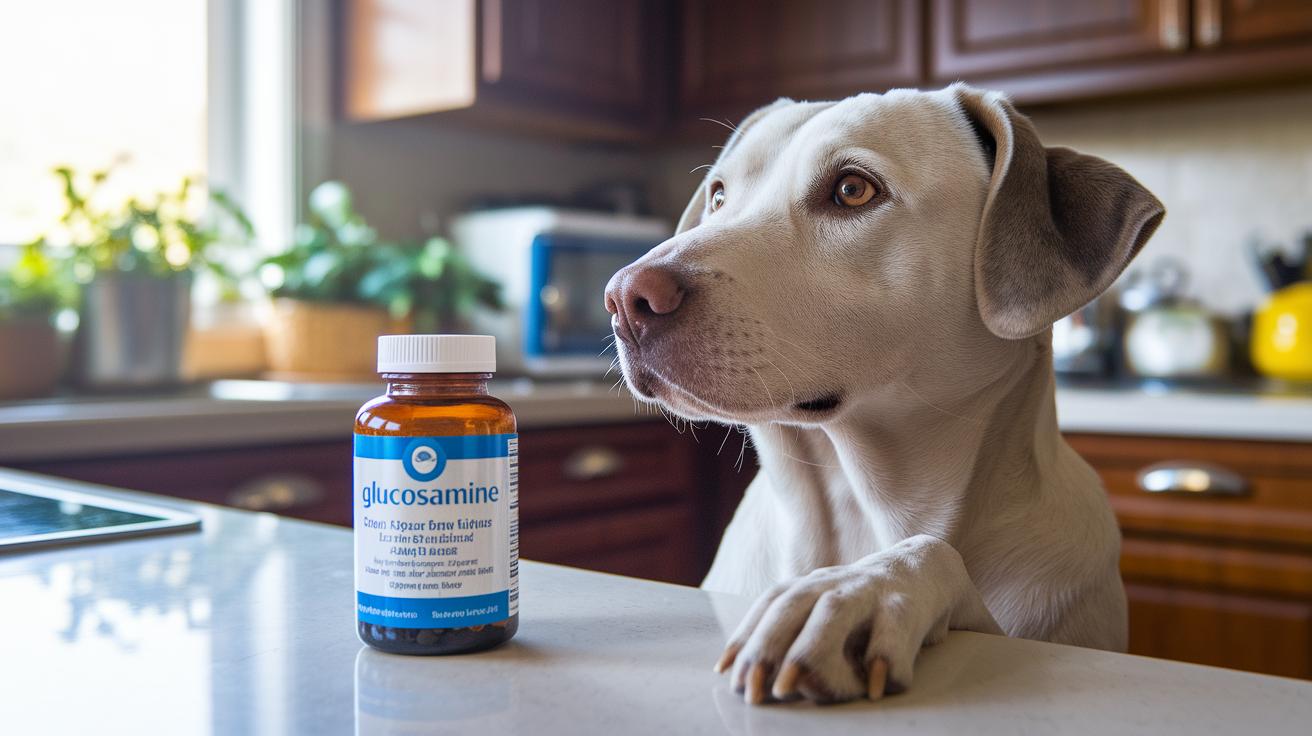
A 2013 study from China found that synthetic glucosamine does not absorb well. In simple terms, when dogs take these supplements, much of the glucosamine never reaches their joints because it gets lost in the intestines and broken down in the liver. Some trials even show that the pain relief and improved movement can be similar to what you see with a placebo. In one study, many dogs did not experience the big improvements many owners were hoping for.
Still, many vets and pet owners continue to use glucosamine supplements based on years of hands-on experience. They point out that formulations like Cosequin or Dasuquin, which mix glucosamine with chondroitin, can offer small benefits for joint comfort and movement. Vets believe that even if some benefits might be partly due to a placebo effect, the safety and potential for relief make these supplements a good option. For dogs showing signs of early arthritis or age-related joint stiffness, a trial run of glucosamine might help reduce pain and support everyday mobility.
glucosamine for dogs: Boosts Joint Vitality

We have combined this section with the main glucosamine supplement content to cut down on repeated information. This update makes the article clearer and easier to follow for pet owners.
Final Words
In the action, we broke down how this natural supplement supports cartilage repair and eases joint pain while boosting mobility. We looked at dosage guidelines, supplement forms, and safety tips to help you make informed choices.
Our guide also highlighted practical insights and veterinary perspectives. With clear instructions and real-life examples, this article empowers you to choose glucosamine for dogs that best fits your pet’s needs. Enjoy improved mobility and comfort for your furry friend!
FAQ
Glucosamine for dogs side effects
The glucosamine for dogs side effects often include mild digestive issues like gas or diarrhea and, in some cases, allergic reactions—especially in dogs with shellfish sensitivities. Always monitor your pet and consult a vet.
Best glucosamine for dogs
The best glucosamine for dogs usually features trusted brands like Cosequin® or Dasuquin® that combine glucosamine with chondroitin or MSM to support joint health under veterinary guidance.
Human glucosamine for dogs dosage
The human glucosamine for dogs dosage translates to about 20 mg per pound of body weight per day, though dosing may vary. Always check with your veterinarian for an accurate recommendation.
Glucosamine for dogs reddit
The glucosamine for dogs reddit discussions highlight mixed experiences; many owners note improved mobility and pain relief, yet some report minimal changes. Personal experiences vary, so vet consultation is key.
Glucosamine for Dogs Amazon
The glucosamine for dogs Amazon listings offer a range of products. Look for items with clear dosage guidelines, transparent ingredients, and positive reviews from both customers and veterinary experts.
Glucosamine for dogs dosage chart
The glucosamine for dogs dosage chart generally advises roughly 20 mg per pound daily, allowing adjustments based on breed size and arthritis severity. Refer to a dosing guide and consult your veterinarian for accuracy.
Glucosamine for Dogs Powder
The glucosamine for dogs powder option mixes into food easily and allows flexible dosing. This form requires careful measuring to ensure your pet receives the correct amount based on its weight and needs.
Glucosamine for dogs liquid
The glucosamine for dogs liquid supplement can offer faster absorption and is ideal for pets that struggle with pills or chews. Always follow the dosing instructions provided by the manufacturer and your vet.
Does glucosamine actually work for dogs?
Glucosamine actually works for dogs by supporting cartilage repair and reducing inflammation, which can improve mobility and relieve joint pain. However, individual results may vary and it works best as part of overall joint care.
Can I give my dog glucosamine every day?
Giving your dog glucosamine every day is generally safe when done at the proper dosage. Daily supplementation supports joint health, but always consult your vet to tailor the regimen to your pet’s specific needs.
What is the number one vet recommended joint supplement for dogs?
The number one vet recommended joint supplement for dogs is often Cosequin®, as it combines glucosamine with chondroitin and sometimes MSM to help support healthy joints and ease arthritis symptoms.