

Quick verdict: Wireless dog fences give you peace of mind without needing a hard barrier around your yard. They are easy to set up, run on long-lasting batteries, and let you set alerts to keep track of your dog.
At a glance:
- Easy setup
- Long battery life
- Customizable alerts
Why this matters: If you want more room for your dog to roam safely, this system lets you track your pet in real time, so you can relax knowing they’re safe.
Our expert reviews break down which wireless fence options really boost your pet's safety, cutting through the buzz so you can choose the best one.
Top-Rated Wireless Dog Fence Systems: Our Expert Picks and Brief Reviews

| System | Price | Boundary Type | Battery Life | Subscription? |
|---|---|---|---|---|
| SpotOn GPS Dog Fence Gen 2+ Omni Edition | $999 | GPS Virtual | 35+ hrs | Optional* |
| Halo Collar 5 | $569.99 | GPS Virtual | 30+ hrs | Yes |
| PetSafe Stay+Play Compact | $149.95 | Circular RF | Rechargeable | No |
| SportDOG Rechargeable In-Ground | $350 | In-Ground Wire | 2 Hrs Charge | No |
SpotOn uses true location technology by connecting to 128 satellites. It makes a sharp video-like fence for big yards. Basic mode works without a subscription, but if you want tracking, you must pay after a free trial.
Halo Collar 5 gives a modern way to manage your dog's area. You can set up to 20 virtual fences with 15 different correction modes like tone, vibration, and static signals. Its battery lasts over 30 hours, making it good for pet owners who want extra training and real-time tracking.
PetSafe Stay+Play Compact is made for ease of use. The transmitter is 67% smaller, and the collar is light and rechargeable. Setup takes just one or two hours. It makes a round signal area from 22 to 105 feet. This option has no monthly fee and provides a solid, everyday yard boundary.
SportDOG Rechargeable In-Ground uses a buried wire to cover up to 1.33 acres (0.54 hectares). It is a solid pick for fixed yards or homes with more than one dog. It charges in 2 hours and lets you adjust the correction settings to match your needs.
*For SpotOn, the subscription is only needed for advanced tracking beyond the basic containment mode.
How Wireless Dog Fence Technology Works

Wireless dog fences create safe zones by setting up invisible boundaries. One way they do this is with radio frequency (RF). A central transmitter sends out a circle of radio waves. Your dog's collar picks up this signal and gives a warning with a tone, a small buzz, or a light static shock if they get too close. Sometimes, thick concrete or metal can block the signal a bit, making it less precise.
The other method uses GPS. This lets you draw a boundary that fits the shape of your yard. The collar talks to satellites in real time, so you can set a custom fence that isn’t just a simple circle. When your pet nears the edge, the collar will signal with a tone, vibration, or static correction.
Both types work best when you carefully sync and calibrate the transmitter with the collar. The setup usually means following a few easy steps to pair the devices, which many pet owners find straightforward and reassuring.
Explore more about these pet tech gadgets at https://petsmove.org?p=.
Key Features to Look for in a Wireless Dog Fence
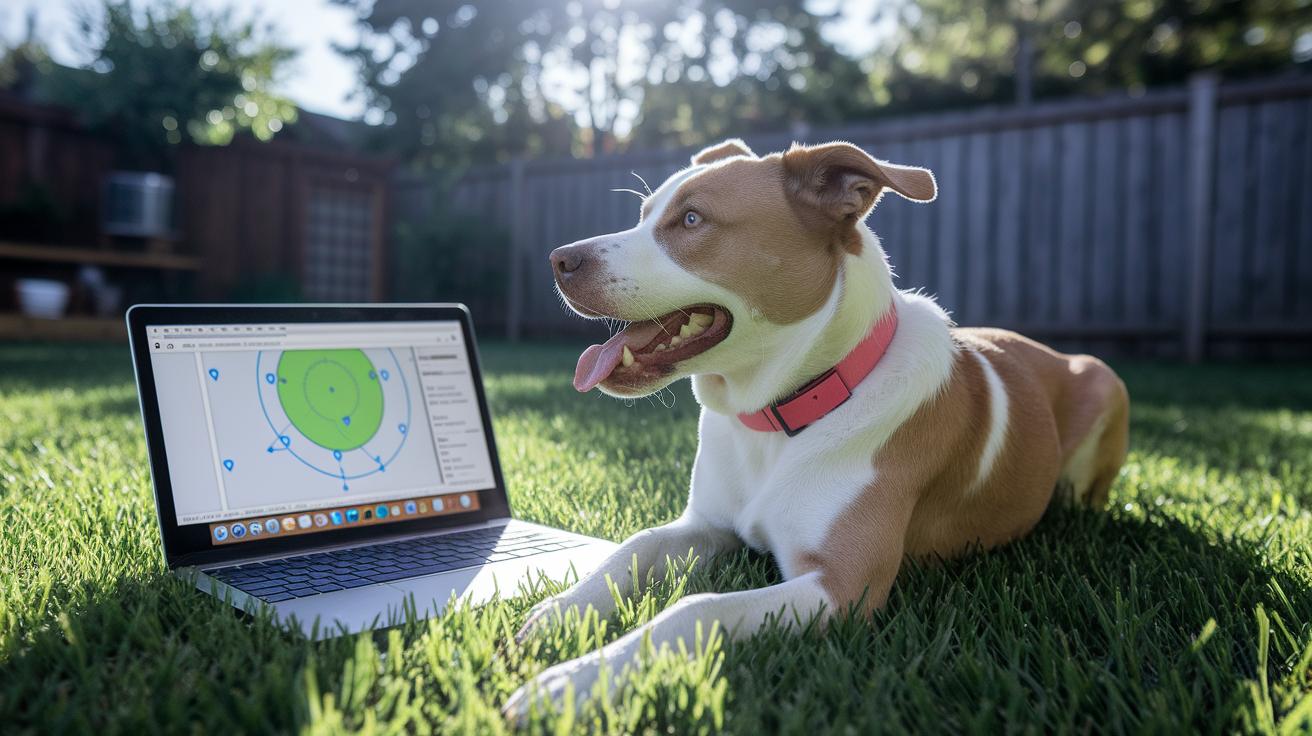
When you shop for a wireless dog fence, there are a few must-have features that keep your pet safe and supported during training. First, consider how the boundary is set. Some models only allow a fixed, round boundary between 22 and 105 feet, while others let you design a custom shape using GPS (a system that uses satellites to find locations). This way, you can shape the safe zone to perfectly match your yard.
Range is just as important. Radio-frequency models offer set distances, but GPS-based fences give you near-unlimited flexibility. You'll also want a collar with a long-lasting battery. Look for ones that recharge quickly and keep going for about 35 hours or more, so your pet always wears a reliable device.
The size and weight of the collar matter, too. A lighter, adjustable collar feels better on your dog during long training sessions. Some fences are subscription-free, saving money, while others might charge a monthly fee for extra features.
Finally, check the correction options. It’s useful to have choices like tone, vibration, or static corrections, so you can adjust the training intensity to your dog's needs. App integration and support for managing multiple dogs are added bonuses that help you keep everything under control.
Installing Your Wireless Dog Fence: A Step-by-Step Guide

Start by finding a good spot for your transmitter. Pick an indoor area free of heavy metal or concrete because those materials can weaken the signal. A central location like a living room or hallway works best to evenly cover your yard. Think of it as sitting in the middle of a circle so the signal reaches every side.
Next, set the fence radius using either the transmitter or its app. Most systems let you choose a distance anywhere from 22 to 105 feet. Choose a range that fits your yard size and your dog's energy level.
Follow these key steps:
- Pick a clear, open spot to mount the transmitter.
- Pair the dog collar with the transmitter using the simple calibration process.
- Place small flags along the fence line to show your dog where the barrier is.
- Start with tone-only corrections (a sound alert) and adjust to include vibration or static if needed.
- Run a training session for about one to two hours. Keep each session short and positive.
If you have more than one dog, make sure the transmitter is placed where the signal covers the whole area. Avoid putting it near large obstructions or electronics that might interfere with the signal. Watch how your dog reacts during training and slowly adjust the settings if necessary. This careful setup helps your pet understand the boundaries while keeping them safe and well-managed.
Pros and Cons of Wireless Dog Fence Systems

Pros of Wireless Dog Fence Systems
• No digging needed: These systems let you avoid messy trench digging. Many pet owners love that they can set up the fence without turning their yard into a construction site.
• Custom boundaries: You can set a round area or, with some models, use GPS (global positioning system, which tracks location) to design your own shape that fits your yard.
• Long-lasting collars: Rechargeable collars mean you don’t have to worry about constantly replacing batteries.
• No extra fees: Some options like the PetSafe Stay+Play Compact work without monthly subscriptions, helping you stay on budget.
• Great for renters: Their cable-free design makes them perfect for temporary homes where digging isn’t allowed.
Cons of Wireless Dog Fence Systems
• Signal issues: Materials such as concrete or metal can weaken the signal, so you need to choose your placement carefully.
• Battery dependence: Your pet’s collar depends on battery life, so keep an eye on the charge to ensure continuous coverage.
• Shock concerns: Some pet owners worry about the static corrections. It’s a good idea to begin with tone-only alerts when training your pet.
• Pricey GPS features: Models that use GPS can be expensive, ranging from about $570 to $1,000, which might be a stretch for some budgets.
• Extra training and fees: Advanced systems may need extra training sessions and, in some cases, subscription costs for full functionality.
Wireless Dog Fence Pricing & Subscription Options

Wireless dog fence prices vary a lot. For instance, you can start with simple DIY kits like the PetSafe Stay+Play Compact for around $149.95, and you won't pay any subscription fees. On the higher end, advanced options like the Halo Collar 5 run about $569.99 and come with three subscription plans: Basic, Silver, and Gold. Then there's the premium SpotOn Gen 2+ Omni Edition at roughly $999, which gives you a free trial period before any subscription kicks in. Even budget-friendly choices, such as the Invisible Fence GPS alternative, require a subscription to unlock all the features.
It's also a good idea to consider trade-in discounts that might lower your total cost. Keep in mind that battery replacement fees can add up over time. For example, some offers provide a 10% credit toward a new unit but expect you to cover a battery replacement after about 2 years.
Ensuring Safety & Effective Training with Wireless Dog Fences
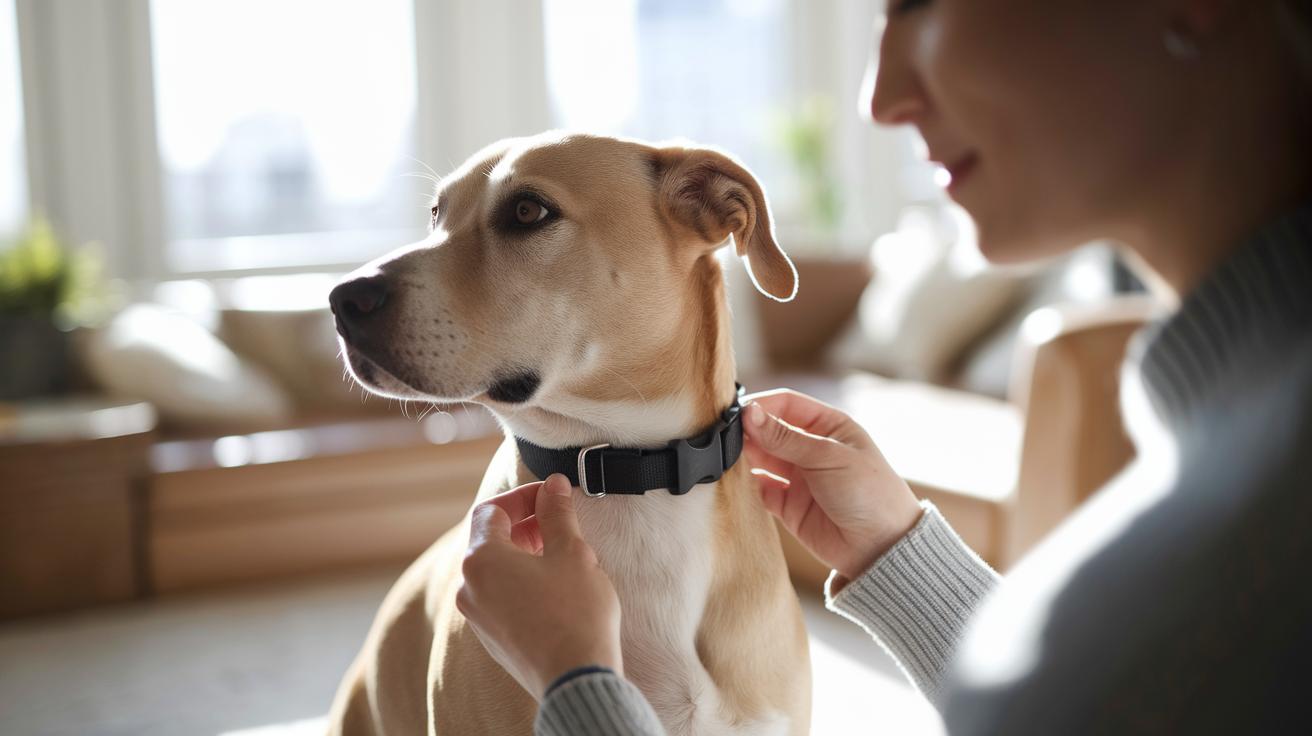
Start your training sessions using tone alerts only. A soft beep catches your dog's attention without scaring them. This gentle signal lets your pet get used to the sound before adding any vibration or static corrections.
A well-fitting collar is essential. It should sit comfortably, not too loose or too tight. Check the battery daily because a weak battery might cause the device to work improperly. Remember, each dog is unique, and training time can vary by breed and smarts. Stay patient and adjust the duration as needed.
Here are some simple tips for setup and training:
- Begin with tone alerts only to build trust.
- Watch early sessions and mark boundaries with flags for clear visual cues.
- Keep static corrections low until your dog consistently understands the limits.
- Start with short sessions (15-20 minutes) and slowly extend the time as your dog grows more confident.
- Reward good behavior with treats or praise immediately after your dog stays within the safe zone.
- Follow the manufacturer’s safety guidelines for proper device adjustment and use.
Some pet owners have seen improvements with methods like those used with the Halo Collar 4. One owner shared, "Using tone alerts with positive reinforcement made our sessions calm and effective." This straightforward approach balances safety and structure so your pet feels secure and learns the boundaries with ease.
Wireless Dog Fence FAQs

How do wireless dog fences work?
Wireless dog fences create invisible boundaries that keep your dog safe. Some use radio signals (RF) sent from a central transmitter, while others use GPS with satellite data to draw a custom fence around your yard. If you notice strange signals, first check that your dog's collar battery is charged and that the transmitter isn’t blocked by obstacles. One owner mentioned, "Raising the transmitter cleared up the interference, and my dog responded better."
What if my dog does not respond to the fence warnings?
If your dog ignores the warning tones or vibrations, double-check that the collar fits well and that the correction setting isn’t too low. You can try lengthening the tone alerts before switching to vibration or static corrections. As one owner explained, "After a week of using tone alerts consistently, my dog started reacting right away."
How do I troubleshoot installation or connectivity issues?
For setup issues, make sure the transmitter is correctly installed and that the collar has been paired properly by following the manual. Check that no nearby electronics are causing interference. If you still have problems, try recalibrating the system or moving the transmitter to a different spot to avoid interference.
How often should I check or adjust my fence settings?
Regular checks are important. We suggest inspecting the collar battery, ensuring the collar fits snugly, and reviewing the transmitter’s signal every few months. Many owners find that adjusting the settings after seasonal weather changes helps keep the fence working well, especially when the temperature or moisture levels vary.
Which model should I choose if outdoor conditions vary?
If you live in an area with heavy rain or uneven ground, compare models carefully. Subscription-based GPS systems often provide more accurate mapping for complex yards, while RF models without a subscription usually work well in simpler settings. One owner shared, "Our Halo Collar stayed connected during heavy downpours, which was perfect for our uneven, lush yard."
Final Words
In the action, we reviewed top-rated systems, key features, and easy installation steps. We compared wireless dog fence prices, subscription plans, and shared hands-on tips for safe training. The pros and cons and FAQ section helped address common concerns. This guide aimed to offer practical advice and peace of mind when choosing the best wireless dog fence. We hope you feel confident in selecting a secure and durable solution that best meets your pet’s needs. Enjoy setting up a safe space for your furry friend.
FAQ
Q: What is the best wireless dog fence?
A: The best wireless dog fence depends on your dog’s size, yard dimensions, and features you need. Top models like SpotOn and Halo offer advanced customization, long battery life, and reliable containment.
Q: Are wireless dog fences any good?
A: Wireless dog fences are effective with correct training. They use safe signals (tone, vibration, or low static) to keep pets within boundaries and offer adjustable features for a variety of yard sizes.
Q: Which wireless dog fence is best without a subscription?
A: Wireless dog fences like certain models from PetSafe and SpotOn are designed without monthly fees. They provide solid boundary control while keeping long-term costs low, making them a budget-friendly choice.
Q: Which wireless dog fence works best for large dogs, small dogs, and multiple dogs?
A: Wireless dog fences can be tailored by dog size and count. Larger dogs need models with extended ranges and sturdy collars, while smaller dogs benefit from lighter, more adjustable units; multi-dog setups require enhanced multi-collar support.
Q: Is the PetSafe Wireless dog fence reliable?
A: The PetSafe Wireless dog fence is recognized for its compact transmitter and adjustable range. It delivers proven performance in small to medium yards, making it a practical choice for everyday pet containment.
Q: How does the Petootsy Wireless Dog Fence compare?
A: The Petootsy Wireless Dog Fence offers custom perimeter options and specific features that stand out. While it may suit certain layouts well, its overall performance is often compared against top contenders like Halo and SpotOn.
Q: Which is better, Halo or SpotOn?
A: Halo and SpotOn both excel in their own areas; Halo shines with flexible virtual fencing and correction levels, whereas SpotOn is praised for long battery life and true location tracking. Your choice should reflect your specific pet and yard needs.
Q: Which wireless dog fence has the longest battery life?
A: Some models, such as the SpotOn GPS Dog Fence Gen 2+, offer battery lives exceeding 35 hours. This extended power capacity is ideal for active dogs and those who spend prolonged periods outdoors.
Q: How versatile are wireless dog fences for stubborn dogs, large acreages, custom perimeters, and small yards?
A: Wireless dog fences are versatile; models with adjustable corrections suit stubborn dogs, while extended range systems work for large acreages. Customizable layouts and various range settings also make them effective in small yards.
Q: Are wireless (invisible) fences safe for large dogs and households with multiple pets?
A: Wireless fences are designed with safety in mind; they use low-intensity corrections and adjustable settings to protect large dogs and multi-dog households. Proper training and regular battery checks enhance their safe, effective use.