
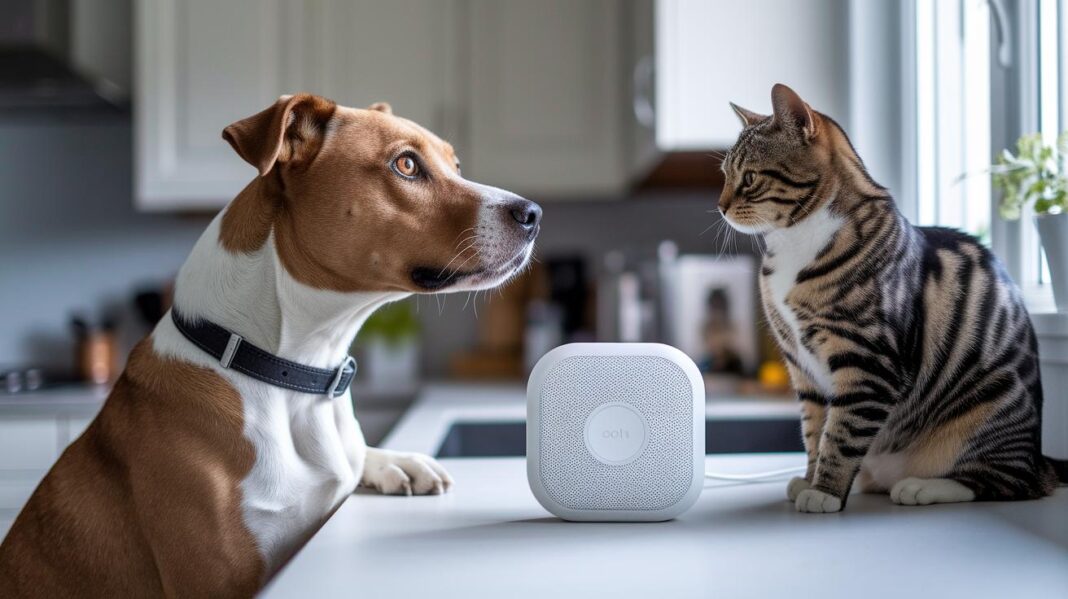
Have you ever worried that the device tracking your pet's sleep might not be secure? Nowadays, pet care is going high-tech. Many pet parents use smart items like automatic feeders, wearable monitors (gadgets you attach to your pet), and QR tags to keep an eye on their pet's health. These tools make life easier and help keep pets safe, but they also raise questions about privacy and how your pet’s data is kept. In our review, we look at key areas like network security, firmware updates (software fixes), and how manufacturers handle your data. We break down the facts so you can decide if your pet tech is a safe choice.
Smart Pet Devices Safety: A Comprehensive Security & Privacy Overview

Smart pet devices are changing pet care for the better. Today, many pet owners use tools such as automated feeders that dish out measured portions and wearable monitors that keep track of a pet’s steps and sleep. QR code tags give quick access to your pet’s health notes and your contact details during emergencies. Plus, mobile apps now let you chat with a vet or book appointments quickly. These gadgets are designed to make pet care easier while boosting your pet’s security.
Here are the key points to keep in mind:
- Network security makes sure your gadget links to your home network safely, keeping private info secure.
- Regular firmware updates fix security issues and keep the device running right.
- Privacy settings let you decide what pet and personal data is shared.
- Physical durability means the device can handle everyday use, accidental drops, and even rough play.
- Manufacturer transparency shows clear details about safety steps and data handling practices.
We tested several brands and found that devices with frequent over-the-air updates and a strong brand reputation tend to work well without major issues. Still, you should read the privacy policy and follow the setup instructions carefully to protect your wireless connection. A well-secured smart feeder or wearable monitor can offer real peace of mind. On the other hand, cheaper models might only have basic password protections. Always check if the manufacturer is clear about how they protect your data before you decide to buy.
Smart Pet Devices Cybersecurity Risks & Threats
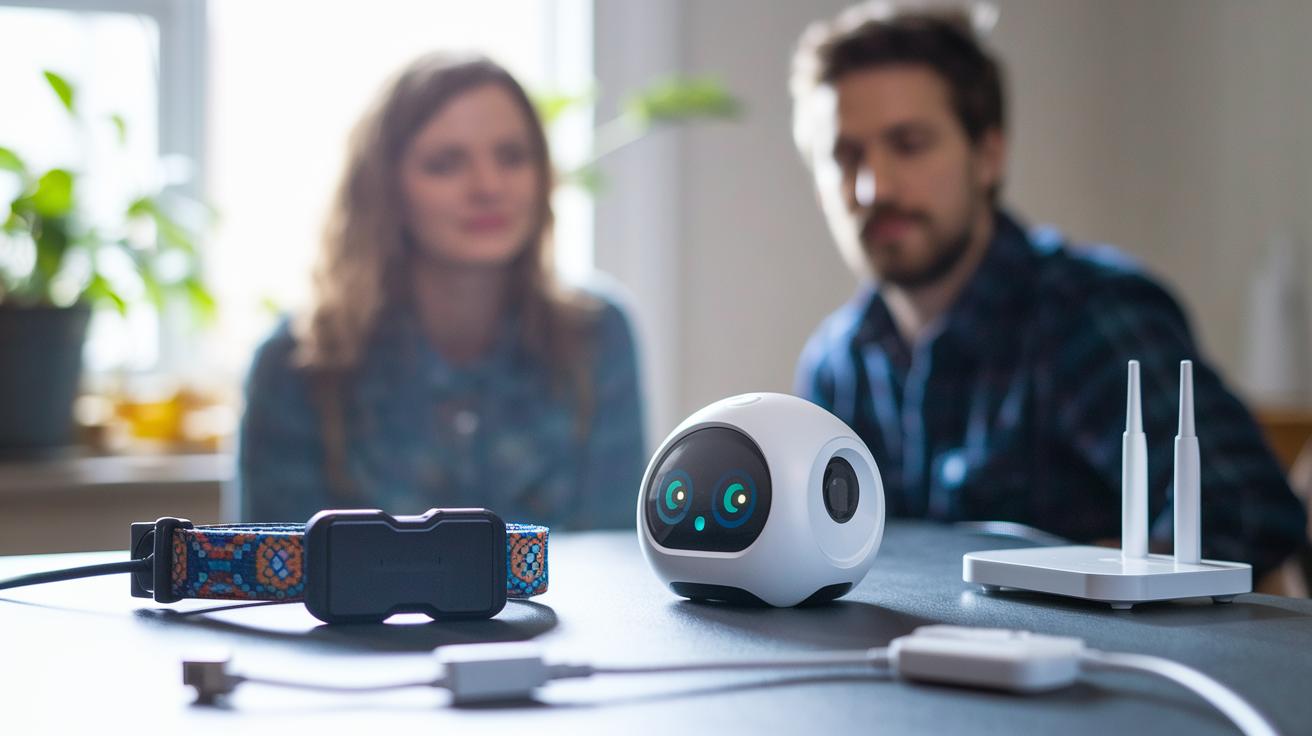
Wireless pet gadgets, like live-video collars and interactive robots, need a wireless link to send data and sound. This makes them handy but also opens the door to security risks if the protection is weak. Fixed monitors are generally safer, but devices that move around are always chatting with networks and face higher risks. Many smart pet products come with simple password protection, and there is no one safety rule for all these devices.
Key weak spots include:
- Weak passwords: Default or simple codes can be easily guessed.
- Unencrypted data: Without strong coding for data (encryption means scrambling the info so only you can read it), live video and audio can be snooped on.
- Old firmware: If the device does not update, hackers can use known tricks to break in.
- Unsecured Wi-Fi: A bad Wi-Fi setup leaves the device open to unwanted access.
To lower these risks, try these basic steps:
- Use separate Wi-Fi networks for your smart pet gear and your personal data.
- Always set strong, unique passwords and change them often.
- Check for firmware updates regularly.
- Run simple security checks to keep your devices safe.
These steps are key for pet owners who trust their smart devices for both ease and security.
Privacy Challenges in Smart Pet Devices Monitoring
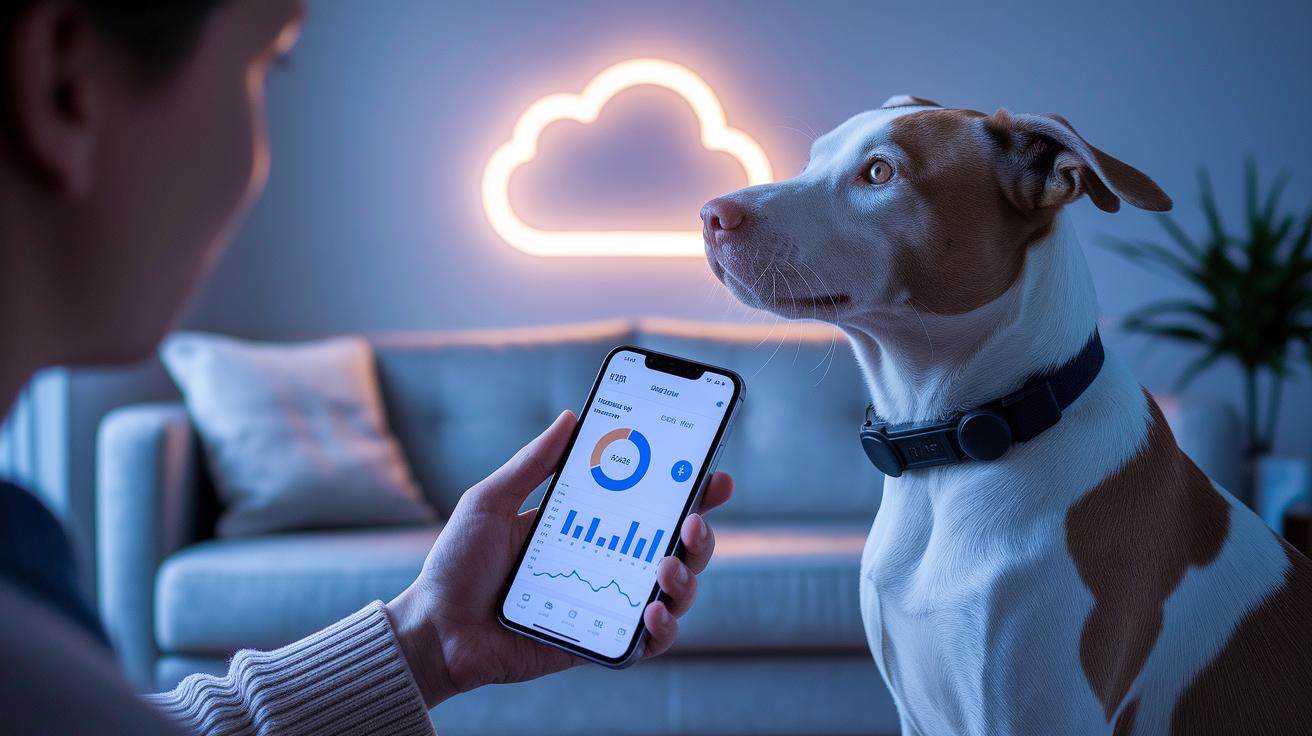
Smart pet devices gather various personal details about you and your pet. They track pet habits, daily routines, and even your location. For example, wearable trackers note down exercise and sleep patterns while also recording sensitive information. Virtual vet apps save your contact details and pet health records on cloud servers. Many pet care apps also ask for access to your phone contacts and location data, which increases the risk to your privacy.
• Wearable trackers pick up on private details of your pet's daily habits. This data might show when your home is empty or reveal your routine if it isn’t well protected.
• QR code tags on pet accessories hold important data like location and medical history. If someone misuses these codes, they could get more than just your pet’s identity, putting both pet safety and your privacy in danger.
Clear privacy policies and solid data management settings are key to lowering these risks. When manufacturers explain how they store, handle, and protect your data, pet owners feel more secure using smart devices. By actively managing your privacy settings and checking data-sharing practices regularly, you can enjoy the convenience of smart pet devices without compromising your personal information.
Reliability & Durability in Smart Pet Devices Performance
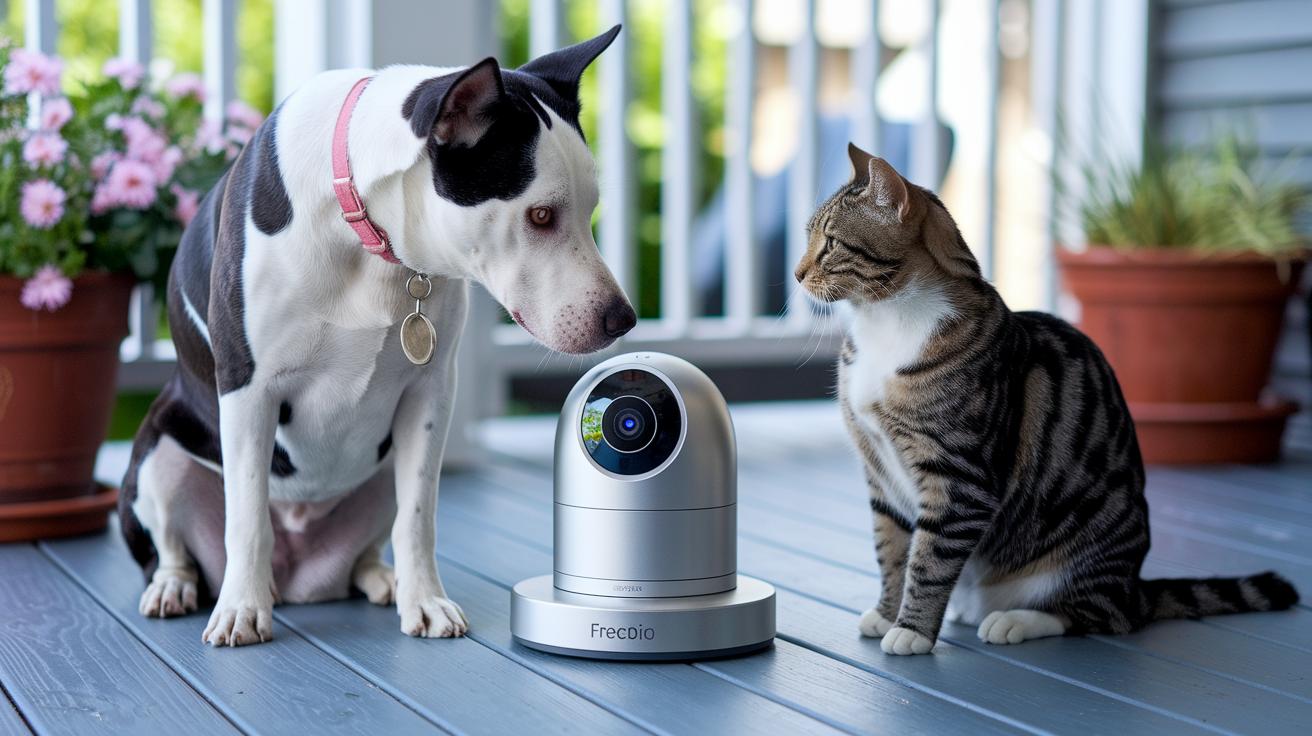
Quick verdict: Your pet’s safety relies on smart devices that you can count on. Low-cost gadgets might seem like a bargain but can let you and your pet down when they fail. On the other hand, spending a bit more often brings devices built tough for everyday pet life.
At a glance:
- Budget feeders ($20) usually fail in 6-12 months.
- Premium feeders with metal parts can last 2+ years.
- Other devices, like collars and cameras, face their own common issues.
| Device Type | Average Lifespan | Common Failures |
|---|---|---|
| Feeders | 6-12 months (low-tier) / 2+ years (premium) | Motor jams, malfunctioning sensors |
| Collars | 1-2 years | Battery depletion, strap breaks |
| Cameras | 1-3 years | Overheating, connection dropouts |
| Robots | 1-2 years | Navigation errors, battery issues |
Before you make a decision, think about your pet’s habits and play style. If your pet chews a lot or loves to explore, investing in a trusted, tougher brand might save you time and worry in the long run.
Security Protocols & Standards for Smart Pet Devices
Smart pet devices are very handy but need strong security. They protect your information with encryption (a way to scramble data so no one can steal it). Many makers follow trusted UL and CE guidelines to meet basic safety rules, even though there is no single global rule for IoT.
Encryption and firmware updates (software improvements) keep pet tech safe. Top devices use AES-128 (a secure method) so unauthorized users cannot access your data. Cheaper models may not protect data as well, leaving your pet's info at risk. Well-known brands also send over-the-air updates that fix security problems quickly. For example, a smart pet feeder that gets updates can handle new threats without you having to do anything.
International rules also play a role in pet device safety. In the EU, devices must follow strict laws like GDPR, which set clear rules on handling and storing data. Even though these rules are optional, many reputable companies stick to them and share their security details openly. This helps you decide if a device has the safeguards you need for a secure pet care setup.
Safe Operation Guidelines for Smart Pet Devices Installation
When you're setting up smart pet devices, it helps to follow clear, step-by-step instructions for a secure and reliable system that works for both you and your pet. We learned that sticking to best practices cuts risks and makes your devices work better. Here’s what to do:
- Use a separate network for pet devices and secure it with WPA3 encryption (a strong, modern lock) to protect your data.
- Choose strong, unique passwords and turn on two-factor authentication so only you can get in.
- Check for firmware and app updates often to get new security fixes and patch any holes.
- Mount your devices in safe spots away from tampering, moisture, or accidental knocks.
- For more complex setups like smart pet doors, follow the manufacturer’s checklist or get professional help.
- Do regular safety audits to make sure both your network and the physical setup stay secure over time.
Following these steps means your smart pet devices stay safe and work smoothly. Being proactive with network settings and device placement reduces risks like hacking or damage. Regularly rechecking your setup helps keep your pet care environment secure and connected.
Final Words
In the action, we broke down the key aspects of smart pet device safety, from cybersecurity risks to privacy challenges and real-world durability.
We highlighted network security, regular firmware updates, and transparent privacy policies as must-have features.
Our review shows that, with solid security protocols and proper handling, many smart pet devices deliver safe and practical solutions.
Smart pet devices can be trusted when set up correctly, and overall, are smart pet devices safe for your pet? The answer is a confident yes when you follow safety best practices.
FAQ
Are smart pet devices safe for dogs and cats?
Smart pet devices for dogs and cats are built with safety standards in mind. They require secure network settings, regular updates, and proper usage to ensure your pet’s safety.
Are smart pet devices safe in 2021 and 2022?
Smart pet devices in 2021 and 2022 were designed with safety in mind. Devices with recent firmware updates and adherence to current safety standards typically offer a secure experience.
Are GPS trackers safe for dogs?
GPS trackers are usually safe for dogs when properly designed. Using strong encryption, secure attachments, and regular updates helps ensure your dog’s safety and accurate tracking.
Can AirTags cause cancer in dogs?
AirTags have not been proven to cause cancer in dogs. They meet standard safety guidelines for radio frequency emissions, though pet owners should consult their vet if they have any concerns.
Are tracking devices safe for pets?
Tracking devices are considered safe when installed according to manufacturer instructions. They work best with strong data encryption, regular firmware maintenance, and physical robustness to protect your pet.
Can my pet camera be hacked?
Pet cameras can be vulnerable if security features are weak. Using strong, unique passwords, updated firmware, and secure Wi-Fi setups helps protect against hacking attempts.
Is Petgentle harmful to dogs?
Petgentle is designed with dogs’ safety in mind. When used as directed, it is not harmful, though monitoring your pet and consulting your vet for any unusual reactions is advised.
Are pet cameras safe to use?
Pet cameras are safe with proper measures in place. Ensure they have robust security protocols, use updated firmware, and are connected to secure networks to safeguard your pet’s privacy and safety.