
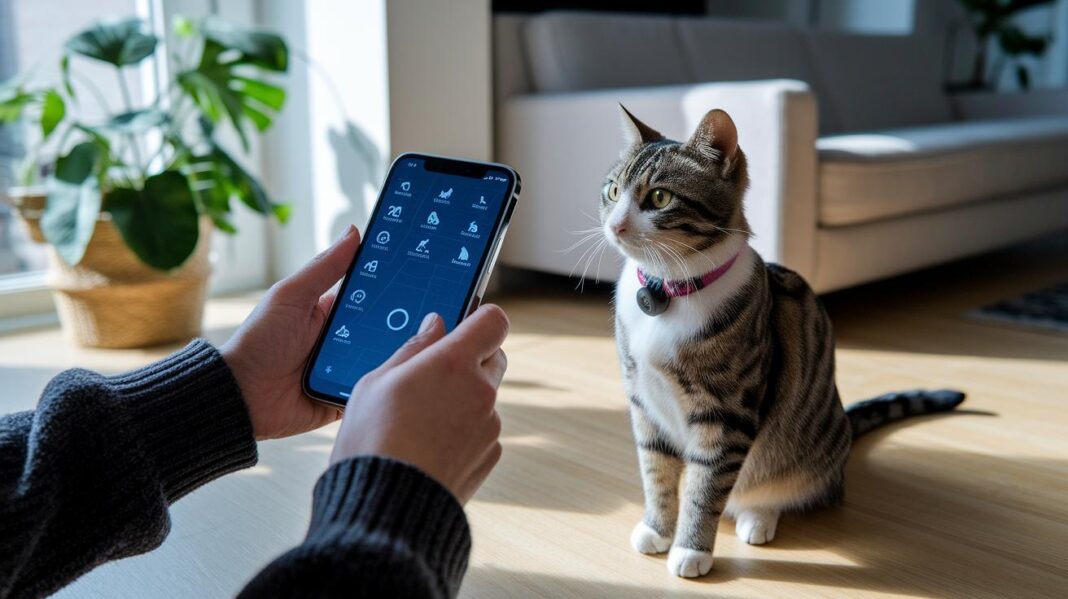
Wondering if your pet stays safe when you can't see it? Pet GPS trackers use smart tech to help you keep an eye on your furry friend. They pack a tiny GPS chip (a mini device that pins your pet's location) and a cellular modem (a gadget that sends data using mobile networks) into one small unit. This neat mix lets you check on your pet whether it's exploring open fields or hiding behind tall trees. In this post, we break down how these trackers work and why they give pet owners real peace of mind.
How do pet gps trackers work: Smart Tech
Pet GPS trackers mix a few smart tech tools to show you your pet’s location in real time. These collar-mounted gadgets have a tiny GPS chip that picks up signals from satellites high above. In clear open areas, you can usually find your pet within about 5 to 10 meters.
In models that use cellular networks, a built-in SIM card talks to nearby cell towers and sends your pet’s coordinates to an app on your phone. You might see a note like, "Your pet's current location updated 15 seconds ago." While this is close to live tracking, sometimes there is a short delay of 10 to 20 seconds because of signal handling.
Some trackers combine GPS with a radio signal. The extra radio boost helps in spots where cell signals are weak, like under heavy tree cover or between tall buildings. Using both methods helps make sure you get the best possible location info, whether your pet is roaming in a field or near busy urban areas.
Core Components of Wireless Pet GPS Locator Systems
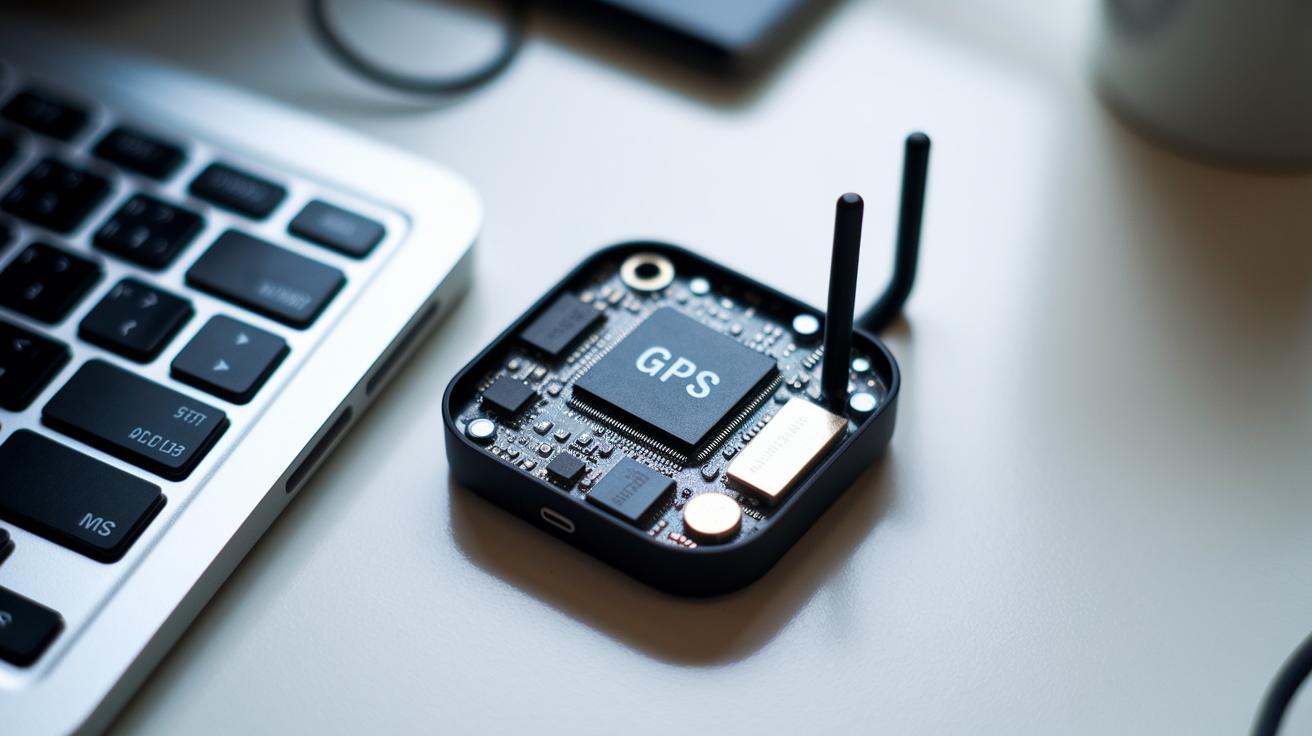
A pet GPS tracker is made of several small electronic parts that work together to show your pet's location in real time. Its main part is a GPS chip that picks up signals from satellites to figure out where your pet is. Many trackers also have a cellular modem with a built-in SIM card, which talks to nearby cell towers and sends your pet's location right to your phone. They include antennas that handle GPS, cellular, Bluetooth, or radio signals. A simple microprocessor with built-in firmware then takes this raw data and runs basic programs to fix any errors from weak signals.
Inside the tracker, a rechargeable battery powers all the parts so your pet can wear it without feeling heavy. It also comes with extra sensors like an accelerometer (a tool that detects motion) to keep an eye on your pet's activity. Flash memory stores firmware updates and your own settings. All of these parts are housed in a tough, waterproof case rated at IP67 or higher, which means it can handle wet conditions and bumps. Together, these components create a reliable unit that gives you fast, real-time updates on your pet's whereabouts.
Connectivity Methods in Pet GPS Tracking Systems
Pet GPS trackers work by sending live location updates of your pet through different signal types. One method uses satellite signals from space. This method works best when you are in countryside or remote spots and updates every 5 to 20 seconds. However, it can drain the battery quickly.
Cellular tracking works better in cities and suburbs. It sends almost real-time updates and uses a medium amount of battery power.
Bluetooth trackers use short-range signals. Their updates happen nearly instantly when your pet is within about one mile. For example, our tester saw the update pop up right away when the pet came close, similar to touching a smartphone screen.
Radio tracking works with a handheld device that you point at your pet. It gives instant data along a clear line of sight. The battery use for radio trackers can change with the distance and signal strength, so they work best in controlled spaces.
Some pet trackers also use wifi, though this is not as common. All these methods work together to send secure data to your smartphone app. This way, you get steady location updates whether you are in a busy city or out on a quiet trail.
| Method | Range | Update Frequency | Battery Impact |
|---|---|---|---|
| Satellite | Global (rural/remote) | 5–20 sec | High |
| Cellular | Urban/Suburban | Near real-time | Medium |
| Bluetooth | <1 mile | Instant (within range) | Low |
| Radio | Line-of-sight | Instant (handheld) | Variable |
Battery Considerations and Durability in Pet GPS Trackers

Quick verdict: When picking a pet GPS tracker, battery life and rugged build are key. Some trackers run non-stop for about 2 days during heavy use, while power-save modes can push that up to nearly 1 month. You get a low-battery alert through the app or by email, so you always know when it's time to recharge. For example, after 3 days of tracking, our app warned us to plug it in.
Durability is just as important. These trackers meet water resistance ratings like IP67 and IP68. That means they can handle rain, splashes, and even a quick dip. They are shock resistant too, so they survive rough play or accidental drops during outdoor adventures.
Keep in mind that extreme weather can affect battery life and sensor accuracy. Whether it's too hot or too cold, your tracker's performance can drop. To keep it working well, stick to a regular charging schedule and update the firmware whenever possible. This simple routine extends the tracker's life and keeps it giving you reliable location updates, even in tough conditions.
Accuracy, Signal Challenges and Calibration in Pet GPS Locators
Pet GPS trackers can usually find your pet within 5 to 10 meters (16 to 33 feet) when there is a clear view. But if there are trees or tall buildings in the way, the error can jump up to 20 to 50 meters (66 to 164 feet). For example, a tracker might show your pet is just 8 meters away in an open field, but heavy tree cover can make that reading much less accurate.
The signal can also drop in tricky spots. In areas where cell service is weak or near large concrete buildings, the tracker might skip sending updates until the signal is strong again. Imagine your pet walking close to a big structure; the update might be delayed by as much as 20 seconds.
The device uses smart algorithms, like Kalman filters (tools that help smooth out shaky data), to give more stable readings. Still, even the best software needs a little help. Checking how the collar sits on your pet and tweaking how often it updates can really boost its accuracy, much like adjusting a camera focus for a sharper image.
Weather and heavy foliage can make things worse, too. Regular recalibration is key to keeping the readings as true as possible. It's a simple step that helps ensure you get useful, real-time updates when you need them most.
Practical Tips for Using Collar-Integrated GPS Tracking Modules

Start by fastening your pet's GPS tracker securely on the collar. It should fit snugly but not too tight to avoid discomfort. Think of it like a loose watch band, firm enough to stay in place yet flexible for comfort.
Next, install the companion mobile app on your phone. Allow the app to use your phone’s location and notification settings. This is similar to letting a game use your microphone, it just needs permission to work right. Once the app is running, follow these steps:
- Fasten the tracker securely on your pet’s collar.
- Install the app and allow it to access your location and send alerts.
- Set up virtual fences with alert limits to get notifications when your pet leaves a set area.
- Test these alerts by walking your pet across the fence.
- Choose a subscription plan that matches your needs.
If you share pet care with family or sitters, give them access to the alerts. Think of the tracker as part of your pet’s safety team, making sure all trusted caregivers are in the loop.
Lastly, take proper care of the tracker. Regularly check the charging contacts and seals after washing or heavy rain. Keep the firmware and app updated, just like you would clean a favorite pet toy, to keep the tracker working at its best.
Final Words
In the action, we explored real-time pet tracking and the technology behind it. We broke down key wireless systems, hardware components, connectivity methods, and battery durability. We also shared practical tips to get the most from collar-integrated trackers. Every section looked at how factors like environmental interferences and signal challenges play a part. We hope this quick recap helps clarify how do pet gps trackers work and guides you toward a safe, durable choice for your pet’s needs. Happy tracking and peace of mind for you and your companion.
FAQ
How do pet GPS trackers work without subscription?
Pet GPS trackers without subscription often use built-in GPS and radio technology. They send location signals directly to your phone, removing the need for expensive cellular plans.
How do pet GPS trackers work for dogs?
Pet GPS trackers for dogs are collar devices that capture satellite and cellular signals, then send real-time location updates to your smartphone via a dedicated app.
How does a pet GPS tracker work?
A pet GPS tracker works by using a small GPS chip to receive satellite signals. It then relies on cellular or radio networks to relay the approximate location to your mobile app.
Do all pet trackers have a monthly fee?
Not all pet trackers require a monthly fee. Some use Bluetooth or radio signals that work without cellular service, making them cost-effective for pet owners.
What is the best dog GPS tracker chip implant?
While chip implants mainly store pet ID information, the best tracking devices are collar-mounted. They offer active, real-time location updates unlike traditional implants.
How do GPS dog fences work?
GPS dog fences use virtual boundaries set through a companion app. When your pet crosses the line, the tracker sends an alert to your phone, helping keep your dog safe.
Do GPS trackers show the exact location?
GPS trackers provide an approximate location within a 5–10 meter radius. Obstacles can reduce precision, so they show close-by, not pinpoint, positioning.
How far will an AirTag track a dog?
An AirTag tracks within Bluetooth range, generally under 100 meters. Its location updates can improve in populated areas if nearby Apple devices capture its signal.
What is a satellite pet tracker?
A satellite pet tracker uses satellite signals for tracking, offering global coverage. It works well in remote areas without cellular networks, providing coverage for adventurous pets.