
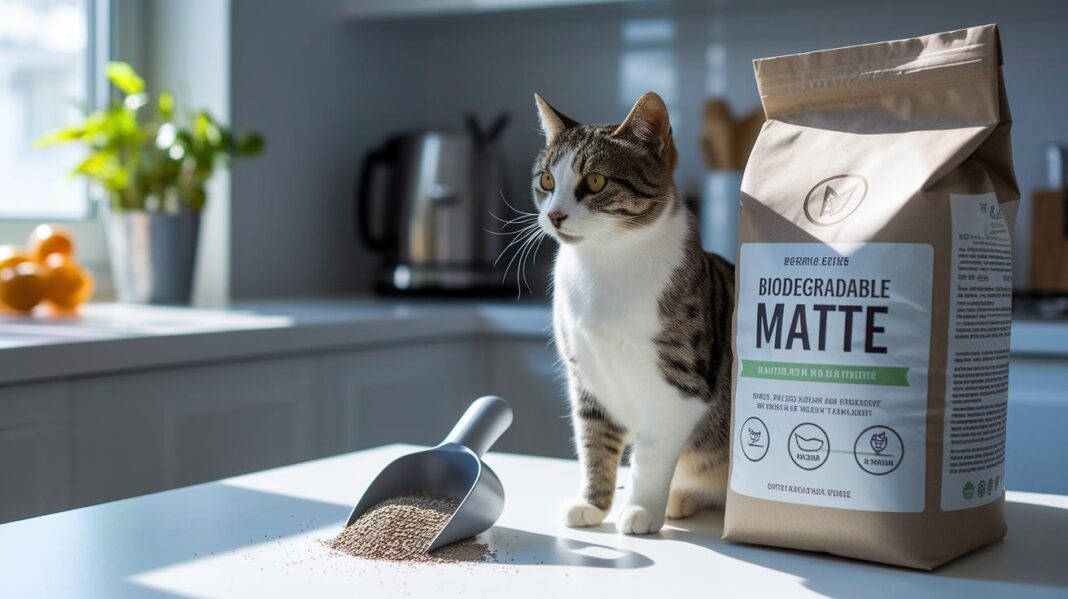
Ever thought your cat’s litter box could help protect the Earth? Eco-friendly cat litter does just that. It is made from natural materials like pine, recycled paper, corn, and wheat. These ingredients mean fewer harmful dust particles compared to regular clay litters.
Using eco-friendly litter also cuts down on clay use, which helps keep waste out of landfills. This choice isn’t just cleaner for your pet, it’s a greener option for the planet too.
Cat Litter Benefits: Eco-Friendly Options Explained
Eco-friendly cat litter is made from plant-based materials that help keep indoor air clean and lower environmental damage. Every year, using these litters stops over 2 million tons of clay litter from filling up landfills, which means less waste that won’t break down. Regular clay litters can create silica dust (tiny particles that can hurt the lungs of both your cat and you), while eco options use renewable items like pine, recycled paper, corn, wheat, and walnut shells to keep things safer and greener.
These natural litters offer many benefits. Pine pellets, for instance, work with natural enzymes to cut down odors while making very little dust. Recycled paper litter stays nearly dust-free, which is great if someone in your home has allergies. Corn and wheat litters form tight clumps that trap ammonia well, making cleaning easier and keeping smells low. Walnut shell-based products work in much the same way, showing that different natural ingredients can do a great job keeping the air in your home fresh.
A surprising study from 2022 found that clay litter leaves a carbon footprint three times bigger than biodegradable types. This goes to show how switching to eco-friendly cat litter can really make a difference for both your pet’s health and the environment.
In the end, eco-friendly cat litter not only reduces unwanted emissions but also supports better breathing for you and your feline friend. It’s a simple change that offers a practical and responsible way to care for both your pet and our planet.
Cat Litter Materials: Common Eco-Friendly Options

Eco-friendly cat litters come from different plant-based sources and work in their own way. They offer varying levels of clumping, odor control, dust production, and compostability. For instance, pine pellets use natural enzymes to break down smells. They hardly create any dust and work well for cats with sensitive lungs. One tester noted how quickly they neutralized odor without stirring up much dust.
Corn and wheat granules give strong clumping action. This makes it easy to scoop away waste. They also capture ammonia well, which helps control smells. Plus, they need less energy to produce than many traditional litters. This means cleaning up is simpler in busy homes.
Recycled paper is a great choice for allergy-prone areas. It hardly produces any dust, which lowers the chance of sneezing or irritation. Many pet owners find paper pulp waste light and easy to handle. However, it may not clump as well as other options.
Grass seed substrates are gentle and limit litter tracking, making them perfect for kittens or smaller cats. They show a moderate clumping ability and help mute odors while being kind on little paws.
Tofu- and soy-based litters offer a flushable, biodegradable option. They absorb moisture well, which means less mess when accidents happen. These non-toxic substrates attract pet owners who care about practicality and waste management.
| Material | Clumping | Odor Control | Dust Level | Compostable |
|---|---|---|---|---|
| Pine Pellets | Moderate | High (natural enzymes) | Very Low | Yes |
| Corn & Wheat Granules | Strong | Reliable | Low | Yes |
| Recycled Paper | Low | Moderate | Nearly None | Yes |
| Grass Seed Substrate | Moderate | Moderate | Low | Yes |
| Tofu & Soy-Based | Moderate | High | Low | Yes |
Cat Litter Selection: Choosing the Right Eco-Friendly Formula
When you shop for eco-friendly cat litter, keep five simple points in mind. First, clumping matters. A litter that forms clumps quickly makes cleaning easier on busy days. One tester found that wheat-based litter worked well with XL stainless steel boxes, offering strong odor control and a fast cleanup.
Next, consider pellet size. Small pellets may stick to your cat's long fur and cause skin irritation or even urinary problems. Larger pellets keep your cat comfortable and mean less mess for you.
Dust level is also key. A low-dust litter helps prevent breathing issues by reducing exposure to tiny silica particles. This is important for both your pet's health and your own.
Eco-friendly packaging makes a difference too. Choosing a litter that comes in paper bags or corrugated boxes cuts down on plastic waste and lowers shipping emissions.
Finally, think about where the litter comes from. Domestic products usually mean less shipping and lower carbon emissions, making it a greener option overall.
- Clumping Performance: Fast clumping saves you time.
- Pellet Size: Bigger pellets mean fewer issues with fur.
- Dust Level: Low dust helps protect breathing health.
- Packaging: Eco-friendly boxes reduce waste.
- Origin: Domestic sourcing lowers carbon impact.
Cat Litter Reviews: Top Eco-Friendly Products and Cost Comparison

We tested five eco-friendly cat litters that promise both practical waste control and cost savings. Our review covers prices, performance, and special features so you can choose the best option for your cat.
Tuft + Paw Really Great Cat Litter works hard to keep odors in check with strong clumping action. Priced at $29 for 9.5 lbs (about $3.05 per pound), it's a flushable option that makes clean-up easier. This is a smart pick if you want efficient cleaning without extra hassle.
World’s Best Original Clumping Litter is another top choice. It comes in a 32-lb bag for $36.74 (roughly $1.15 per pound). Its consistent clumping makes scooping a breeze and effectively controls ammonia odors. It is a great alternative if you’re moving on from traditional clay litters.
For a gentler feel, try CatSpot Coconut Non-Clumping. Packaged in a 5-lb bag for $17.99 (about $3.60 per pound), this litter has a soft texture that many sensitive cats appreciate. Its non-clumping design might be the right fit for cats that dislike heavier clumping litters.
Petfive Sustainably Yours offers soft granules in a 13-lb bag for $22.99 (around $1.77 per pound). This litter strikes a nice balance between price and performance, making it a solid option for eco-conscious households looking for good clumping action without breaking the bank.
Lastly, Pidan Tofu Litter with Blood Test Particles focuses on supporting urinary health with a mild aroma. Available in a 5.3-lb package for $15.99 (roughly $3.02 per pound), it combines odor control with health benefits in a sustainable way.
Each litter offers a unique set of benefits, from flushable convenience to budget-friendly clumping and gentle textures. Consider your cat’s preferences and your cleaning routine when selecting the right eco-friendly cat litter for your home.
Cat Litter Maintenance: Transitioning and Care Tips
When you switch to eco-friendly cat litter, take it slow so your cat can get used to the new feel and smell. Try a 7-day mixing plan: on Days 1 and 2, mix 25% new litter with 75% old; on Days 3 and 4, use a 50/50 mix; on Days 5 and 6, switch to 75% new litter with 25% old; and by Day 7, use 100% eco-friendly litter.
Scoop the litter two or three times a day to keep the area clean. Because eco-friendly litters break down naturally, you might not need to change the whole tray as often. A stainless steel litter box is a smart choice too, as it fights odors and bacteria, keeping your cat’s spot fresher longer.
Consider using US-made compostable litter bags when disposing of used litter. This choice cuts down on plastic waste and supports a greener routine. These simple, organic steps not only boost your indoor air quality but also help keep your cat healthy while reducing your environmental impact.
Give this method a try and adjust it as needed until your cat feels comfortable. Small changes like these can lead to big, lasting benefits.
Cat Litter Impact: Environmental Benefits of Eco-Friendly Choices
Eco-friendly cat litters are a smart choice for pet owners who care about the environment. They help cut down on pollution and waste. For example, biodegradable litters lower carbon emissions by about 67% compared to regular clay. Traditional clay adds more than 2 million tons of waste that does not break down each year.
Plant-based litters are made from items like pine, recycled paper, corn, wheat, and walnut shells. These materials break down naturally in your compost at home or in a commercial setting. One tester remarked that switching to eco-friendly litter made their home feel fresher and reduced chemical residue from mining. This shows how green choices can benefit both your pet and the planet.
Using these litters can also improve your indoor air by cutting out silica dust. Without that dust and by avoiding harmful mining practices, you help prevent deforestation, soil erosion, and water pollution.
| Environmental Benefit | Detail |
|---|---|
| Carbon Emissions | 67% lower compared to clay |
| Waste Reduction | Over 2 million tons less non-biodegradable waste each year |
| Air Quality | No silica dust for cleaner indoor air |
| Mining Impact | Avoids deforestation, erosion, and water pollution |
Final Words
In the action, we dove deep into the benefits of eco-friendly cat litter and its plant-based materials. We compared options based on clumping, odor control, and ease of cleaning while sharing reviews and maintenance tips. Each section showed how switching to these materials can cut waste, lower carbon footprints, and improve air quality for both pets and owners.
Our guide offers clear steps and tips to help you make a smart, eco-friendly choice that works well for your pet and home. Enjoy a greener, cleaner routine!
FAQ
Q: What is the most eco-friendly cat litter?
A: The most eco-friendly cat litter uses plant-based or recycled materials to lower dust, reduce carbon footprint, and offer safe clumping and odor control for healthier pet care.
Q: Which eco-friendly cat litter brands and alternatives are available?
A: Leading eco-friendly brands like Okocat, SmartCat, Boxiecat, and Arm and Hammer offer sustainable options made from wood, corn, wheat, or other biodegradable materials.
Q: Is clumping cat litter biodegradable and safe for pets?
A: Clumping cat litter can be biodegradable when made from plant-based ingredients, reducing dust exposure and allowing a safer, natural waste disposal process for your pet.
Q: What are healthy alternatives to traditional kitty litter?
A: Healthy alternatives include naturally fresh wood, recycled paper, or plant-based litters that minimize dust and chemicals while providing effective odor control and ease of maintenance.
Q: What is an eco-friendly way to dispose of used cat litter?
A: An eco-friendly disposal method involves composting biodegradable litters or using flushable options when appropriate, reducing landfill waste and supporting environmentally safe pet care.