
Ever wonder if vitamins can help your pet’s coat? A mix of vitamin A, omega-3 (a healthy fat that adds shine) and B vitamins can change a dull coat into one that really glows. These vitamins do more than improve appearance, they also help keep your pet’s skin strong and free from irritation. Our guide explains how a balanced vitamin routine can keep your pet looking lively and feeling great.
How Pet Vitamins Support Skin and Coat Health
Good vitamin support helps keep your pet's skin tough and less likely to get infections or be harmed by the environment. Omega-3 fatty acids, found in some omega 3 supplements for dogs, help cut down on swelling and give the fur a natural shine. They work with omega-6 fatty acids (linoleic acid) to keep the skin moist and strong.
Vitamin A helps new cells grow and balances natural oils so the skin stays resilient. B vitamins like biotin and niacin help skin cells get energy and keep the coat healthy. Vitamin E acts as an antioxidant, which means it fights off damaging molecules, keeps the skin moist, and supports the immune system.
Zinc is key for proper enzyme work, making proteins, and helping with skin turnover, which speeds up healing. Vitamin C is needed for collagen, a protein that keeps skin firm and the coat smooth.
Together, these nutrients work in tandem to keep skin and coat health in check from the inside out. A balanced vitamin supplement can reduce issues like dryness, flaky skin, and rough fur. Always check with your veterinarian before starting any new vitamin routine to make sure it matches your pet's needs and size.
Key Vitamins and Nutrients in Pet Skin and Coat Supplements

Each nutrient in a pet supplement has a clear role. Take omega-3 fatty acids, like EPA and DHA. They help calm irritated skin and cut down on inflammation while giving your pet's coat a healthy shine. Omega-6 fatty acids, especially linoleic acid, work to strengthen the skin barrier, lock in moisture, and keep dryness at bay.
Vitamin A plays a big part in renewing skin cells and keeping oil levels in check, which helps keep the skin smooth and strong. The B vitamins, including biotin and niacin, support coat health and boost energy production in skin cells. Vitamin E protects skin cells as an antioxidant and helps the skin hold moisture.
Zinc is important because it helps produce collagen. Collagen keeps skin hydrated and makes fur look glossy and full of life. Vitamin C also supports collagen production and helps skin stay elastic during stressful situations.
| Nutrient | Primary Role | Typical Daily Dosage |
|---|---|---|
| Omega-3 fatty acids (EPA, DHA) | Fights inflammation and soothes skin | 20-40 mg per lb |
| Omega-6 fatty acids (linoleic acid) | Strengthens the skin barrier | 10-20 mg per lb |
| Vitamin A | Renewal of cells and oil regulation | 5,000-10,000 IU |
| B-complex (biotin, niacin) | Maintains the coat and fuels energy | Varies; e.g., 100-200 mcg biotin |
| Vitamin E | Protects cells and helps skin retain moisture | 1 IU per lb |
| Zinc | Boosts collagen production and skin repair | 0.1 mg per lb |
| Vitamin C | Helps build collagen and improves elasticity | 30-50 mg daily |
Adding collagen to a supplement can boost skin hydration and give your pet's fur a noticeably healthier look.
Selecting the Right Pet Vitamin Supplement for Coat Improvement
Before adding any new supplement to your pet’s routine, chat with your vet. They can advise you based on your pet’s age, breed, and overall health. For example, an older dog with a thinning coat may need a different formula than a young, active pet. Look for products that list natural ingredients and skip those with artificial fillers or preservatives.
Pet vitamins come in several forms. Chewable vitamins work like treats and may be more enticing if your pet loves a snack. Powders mix easily into food, while liquids can be gentler on the tummy for pets with sensitive stomachs. Each form has its ups and downs, so pick the one that fits your pet’s taste and ease of use.
When you check the label, pay attention to the amount of active ingredients. High-quality supplements show clear measurements, so you know you’re getting the right dose for your pet’s needs.
- Talk with your vet about your pet’s age, breed, and health.
- Avoid supplements with artificial additives.
- Choose the format that best fits your pet’s habits and check the label details.
These steps can help you select a vitamin that supports a shiny, healthy coat for your furry friend.
Dosage Guidelines and Safe Administration of Skin and Coat Vitamins
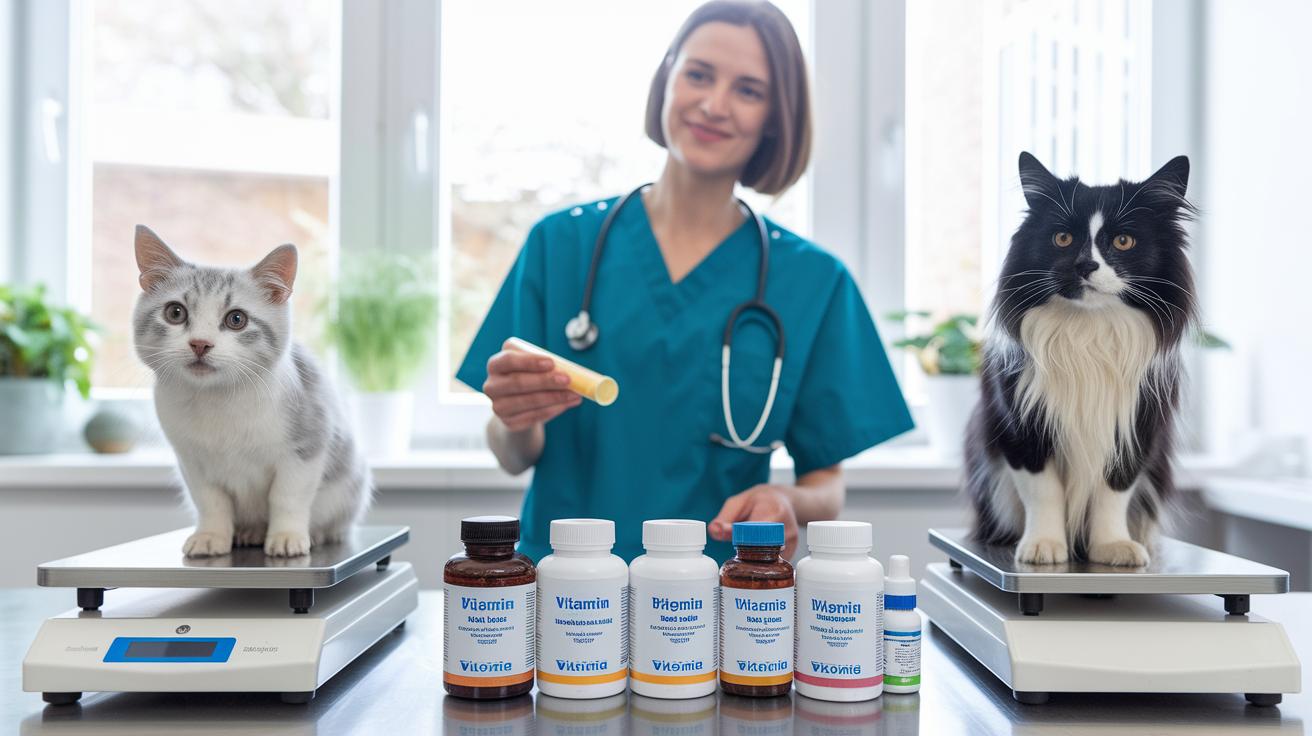
Getting the right skin and coat vitamins is key for your pet's health. Use these doses based on your pet's weight:
- Small pets (under 20 lb): 20–40 mg EPA/DHA, 5,000 IU vitamin A, 1 IU vitamin E per pound, and 0.1 mg zinc per pound.
- Medium pets (20–50 lb): 40–80 mg EPA/DHA, 7,000 IU vitamin A, 1 IU vitamin E per pound, and 0.1 mg zinc per pound.
- Large pets (over 50 lb): 80–120 mg EPA/DHA, 10,000 IU vitamin A, 1 IU vitamin E per pound, and 0.1 mg zinc per pound.
When you try a new supplement, follow these steps:
- Stir the powder into your pet’s usual meal so it mixes well.
- Give chewable pieces while eating if your pet likes treat-style vitamins.
- Start with half the dose to see if your pet handles it well before moving to the full amount.
Slowly introduce the supplement over 7 to 10 days. This gradual start helps your pet adjust and makes it easier to spot any tummy troubles early on. If you see a little upset stomach during the first few days, stop and watch your pet before returning to the full dose.
Following these tips helps the vitamins work for a healthy skin and shiny coat without overloading your pet’s system. Keep a close eye on your pet to catch any side effects quickly.
Tracking Benefits and Spotting Potential Side Effects of Skin and Coat Vitamin Supplements
Quick verdict: If you start a new vitamin routine, you should see changes in about 4 to 8 weeks. You might notice less itching, smaller amounts of shedding, and a coat that looks shinier and feels softer. These improvements show the vitamins are helping your pet's skin heal and their overall health grow better.
At a glance, watch for:
• Changes in coat texture
• Reduced shedding frequency
• More balanced skin moisture
Why track these? Keeping an eye on these signs tells you the vitamins are working and that your pet is on the right track.
Side effects to monitor:
• Upset stomach (such as loose stool or vomiting)
• New skin irritation (red spots or discomfort)
• A drop in appetite
If you see any of these issues, stop giving the supplement right away and talk to your veterinarian. Even a small sign, like a red patch or less interest in food, might mean your pet needs a change. This careful tracking helps ensure the vitamins are both effective and safe for your furry friend.
Complementary Diet and Grooming Practices for Optimal Coat Health
A balanced diet and regular grooming work together to keep your pet’s skin and coat healthy. The food you choose pairs with supplements to boost vitamins that help maintain vibrant skin and strong hair. Protein helps repair tissues and strengthens natural defenses. Natural omega-3 sources like salmon or flaxseed add moisture and shine, while plenty of clean water hydrates from the inside out.
Here are some simple diet tips:
- Use complete pet food with balanced fatty acids.
- Add a bit of fresh fish oil for extra omega-3.
- Ensure your pet always has access to clean water.
Grooming plays an important role too. It spreads natural oils evenly and helps prevent tangles. Regular brushing keeps the coat smooth and strong. Try these grooming tips:
- Choose a soft-bristle brush or visit a trusted pet grooming supplies site.
- Use a tear-free, hypoallergenic shampoo that is gentle on your pet.
- Dry the coat thoroughly after baths to avoid irritation.
By combining these feeding and grooming practices, you enhance the benefits of vitamin supplements for better skin resilience and coat vitality.
Final Words
In the action, we explored how targeted vitamins and nutrients boost pet skin and coat health. We broke down the roles of Omega-3, Vitamin A, B-complex, and more. We also checked safe dosage tips and ways to track improvements while using supplements. The guide showed how diet and proper grooming can boost supplement results. With clear steps and realistic expectations, pet vitamins for skin and coat health can be a practical addition to your routine. Enjoy watching your pet glow and thrive every day.
FAQ
What do pet vitamins for skin and coat health reviews say?
The pet vitamins for skin and coat health reviews say that quality supplements blend omega-3, omega-6, vitamins, and zinc to boost skin barrier integrity and ensure a shiny, healthy coat.
What is the best dog skin and coat supplement available?
The best dog skin and coat supplement contains natural omega fatty acids and essential vitamins that fight inflammation while promoting a soft, resilient coat and improved skin moisture retention.
Which pet vitamins are the best for improving skin and coat health?
The best pet vitamins for skin and coat health mix key nutrients including omega fatty acids, vitamins A, E, B, and zinc to support cell growth, reduce inflammation, and enhance the natural shine of the coat.
Are there vet-recommended skin and coat supplements for dogs?
Vet-recommended skin and coat supplements include natural ingredients like fish oils and antioxidants that maintain skin moisture, support healing, and help ensure a vibrant, healthy coat in dogs.
What natural skin and coat supplements for dogs have good reviews?
Natural skin and coat supplements for dogs commonly feature fish oil and vitamins that help reduce shedding and improve coat texture, earning many positive reviews for their safe, effective results.
Which dog vitamins are best formulated for skin allergies?
Dog vitamins for skin allergies are designed with anti-inflammatory omega-3 fatty acids, vitamin E, and zinc to soothe irritated skin, reduce allergic reactions, and improve overall skin health.
What do reviews reveal about the best supplements for dog skin allergies?
Reviews reveal that the best supplements for dog skin allergies effectively blend essential fatty acids and vitamins, easing itching and irritation while improving coat quality with noticeable, positive results.