
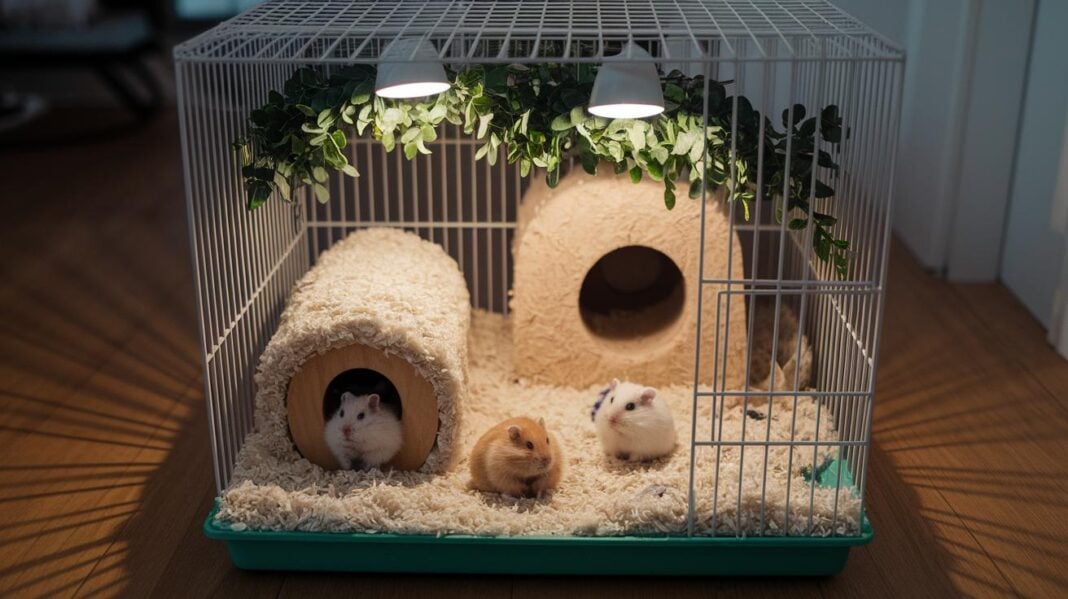
Ever wonder if your hamster’s cage really gives it the room to be happy? A spacious, sturdy cage lets your pet dig, run, and feel safe. We know that a well-built home makes a big difference in a pet’s day-to-day life.
In our guide, we look at smart choices like solid bin cages and clear aquariums. A good hamster cage offers plenty of floor space, strong walls, and an easy cleaning process. This means your hamster can burrow and play naturally without stress.
Choose a setup that fits your space and budget while giving your pet the freedom to explore and relax. With the right cage, your hamster can thrive and enjoy a cozy, secure home.
Key Elements of a Proper Hamster Cage for Safe and Comfortable Hamster Care
Your hamster needs a cage that gives plenty of room to dig, run, and explore. A spacious setup helps your pet feel calm and secure while enjoying natural behaviors. Many pet owners have discovered that small bin cages offer a lot of floor space for the cost, making them a smart choice for active hamsters.
Solid-walled cages such as bin cages or aquariums work best. They offer deep areas for burrowing that traditional wire cages simply cannot match. An aquarium, for example, lets you watch your pet easily while it enjoys a clear view of its surroundings and space to create its own digging spots.
Bringing together a roomy design, sturdy walls, and pet-safe materials makes for an ideal hamster home. This setup not only supports natural behaviors like burrowing and running but also makes cleaning a breeze. In the end, a well-planned cage meets safety standards and helps your pet live a healthy, happy life.
Comparing Proper Hamster Cage Types
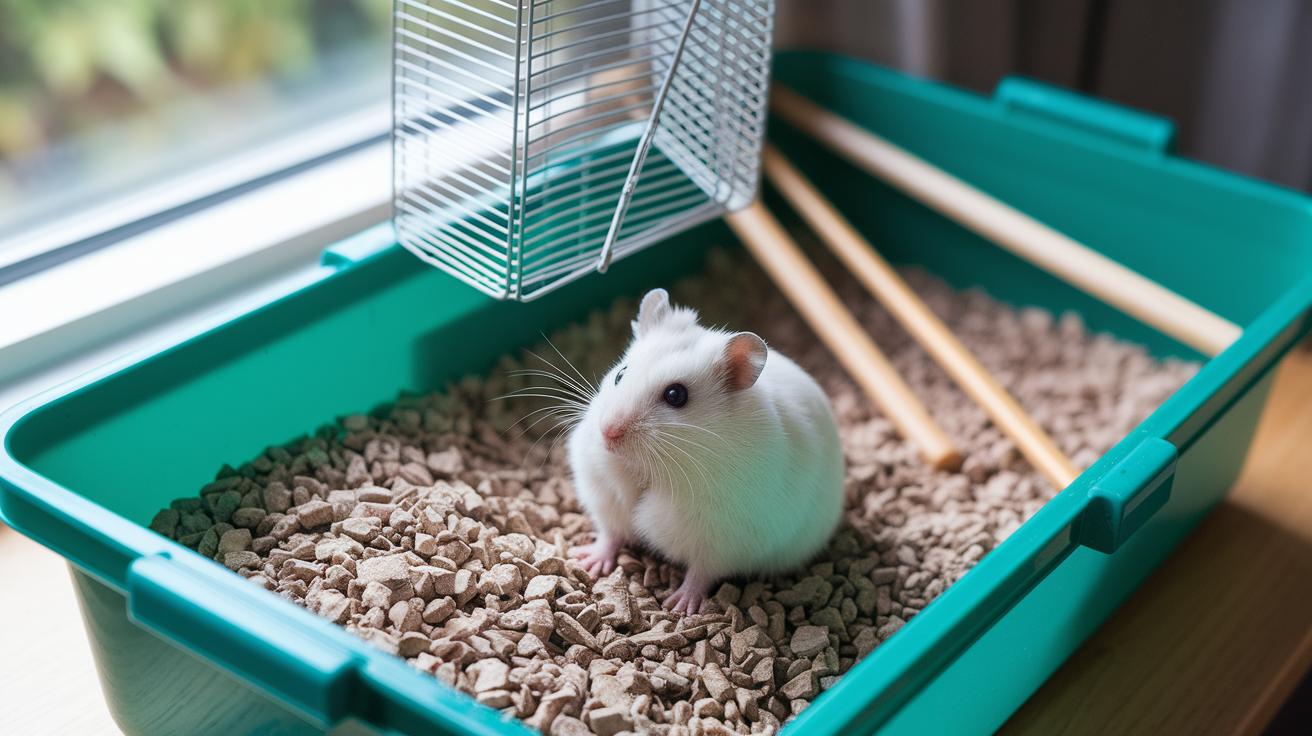
Choosing the right cage for your hamster matters. It should let your pet dig, explore, and feel at home while staying budget friendly. Each type brings its own mix of space, strength, and chances to customize.
A bin cage gives plenty of room and good value but does need some DIY know-how and the proper tools for cutting and mesh work. Wire cages, on the whole, offer lots of fresh air and are simple to set up, yet they usually fall short when it comes to space for burrowing. Aquarium-style enclosures are built solidly and feature deep bedding that lets your pet dig naturally, while giving you a close-up view. One popular idea is the Ikea Linnmon hack, where a table top becomes a practical, modern hamster home.
| Type | Features |
|---|---|
| Bin Cages | Great space and value but require DIY skills |
| Wire Cages | Good airflow and easy setup, yet limited for burrowing |
| Aquarium-Style Enclosures | Deep bedding for digging and clear views, but heavier |
When comparing these options, think about how much DIY work you’re ready to take on and your pet’s need for space and fun. If you enjoy personalizing your pet’s habitat, a bin cage could be just right despite its extra effort. If you prefer a simple, ready-to-go setup, a wire cage might work well, though it has less floor space. Aquarium-style setups offer a good mix of visibility and space to burrow, but they can be a bit heavy to move. Balancing cost with these features will help turn your pet’s cage into a cozy, happy home.
Materials and Construction Guidelines for a Proper Hamster Cage
Plastic bins, glass aquariums, and repurposed furniture parts provide different benefits when you build a hamster cage. Plastic bins are light, low-cost, and have smooth surfaces that are easy to clean. Glass aquariums let you see your pet clearly while offering a tough, escape-proof space. Using repurposed furniture can turn everyday items into a secure home. These solid constructions cut out the small gaps found in traditional wire cages. They use strong, lasting materials so your hamster has a reliable space for daily fun.
When choosing materials for your hamster habitat, go for options that are non-toxic, washable, and escape-proof. Choose plastic bins or glass setups that you can easily wipe down to keep them clean. Make sure every part, from the walls to the edges, is free from harmful chemicals and rough spots. Look for designs with tight seams rather than widely spaced bars to keep your pet safe. This careful selection of high-quality, safe materials creates a secure and healthy home for your pet.
Proper Hamster Cage: Cozy Home, Happy Pet
Wheel Integration
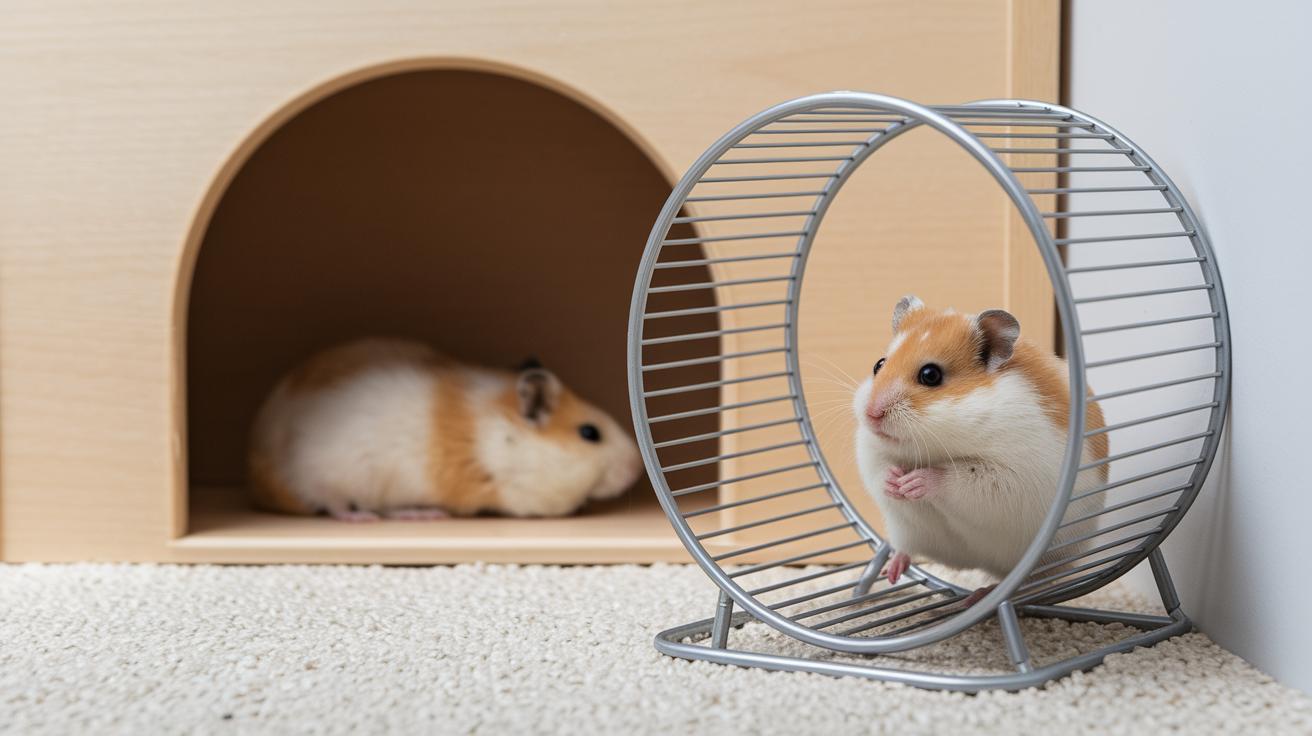
An exercise wheel in a good spot helps your hamster stay active. Pick a wheel that is large enough so your pet can run without bending its back in an awkward way. Place the wheel away from sharp corners and busy areas to lower the risk of bumps and cuts. For example, set it near the sleeping nook but not too close to food bowls. Look for a wheel with a smooth, gap-free surface that stays quiet at night.
Tube and Tunnel Systems
Tubes and tunnels open up your pet's play area by adding space both up and down and side to side. They let your hamster explore little hideaways, similar to how it would burrow in the wild. Choose sturdy tubes that lock together well so they do not move when your pet squeezes through. Think of these tunnels as mini highways that let your hamster zip from one play zone to the next. Mixing straight and curved tunnels not only boosts exercise but also sparks natural curiosity.
Enrichment Zones (Sand Baths & Crafts)
Adding designated play zones can change an ordinary cage into a fun playground. Sand baths support healthy fur and skin. Use a shallow tray that is easy to clean and fill it with pet-safe sand, giving your hamster a place to roll and groom. Include simple DIY items like small cardboard boxes or chew toys for extra mental stimulation and safe hiding spots. For example, create a cozy corner with a sand tray and a basic hideaway made from repurposed materials to mix grooming with playful exploration.
DIY and Budget-Friendly Proper Hamster Cage Options
Building a proper cage for your hamster does not have to break the bank. Many pet owners enjoy making a custom home with everyday items found around the house. A DIY cage saves money and gives you full control over the design. For example, you might use an Ikea table top to create a neat and functional space, or repurpose a plastic bin into a safe enclosure.
Below is a simple DIY process to build your own hamster cage:
-
Selecting and prepping a plastic bin
Pick a sturdy, clean plastic bin that is big enough for your hamster to run and hide. Remove any stickers or leftover glue. -
Cutting ventilation openings and installing mesh
Use a sharp box cutter to make careful cuts for air holes. Cover each opening with pet-safe mesh (a material that keeps your pet safe while letting air flow). -
Adding substrate, hideouts, and enrichment features
Fill the bin with a safe substrate for burrowing. Add small hideouts and fun toys to create a lively space that lets your pet explore and feel secure. -
Securing lids and testing for escape-proofing
Put on a tight, escape-proof lid. Test the cage by checking for any gaps or loose areas where your pet might squeeze out.
This DIY method is easy to assemble and helps build a safe, fun home for your hamster.
Organizing Accessories in a Proper Hamster Cage
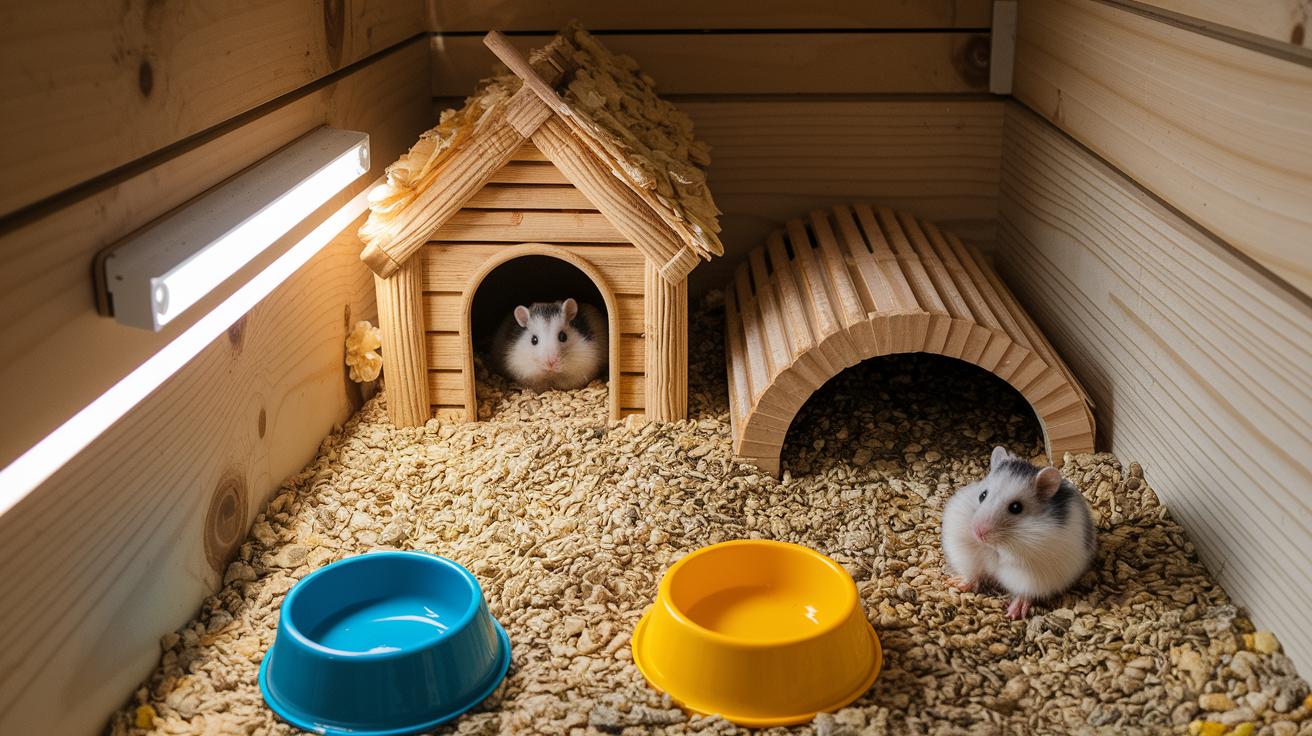
A neat layout in your hamster's cage makes it easier to care for your pet and notice any changes in its behavior. Divide the cage into simple zones for eating, sleeping, and playing.
First, set up a feeding area. Place the food and water bowls together in a spot away from soiled bedding. This keeps the eating space clean and clear.
Next, create a quiet spot for nesting. Use extra bedding and a small shelter where your hamster can rest without disturbance. A separate nest helps your pet feel safe and relaxed.
For play, try to keep a distinct area. You might use a natural wall or barrier to mark off the food zone from the play zone. This clear division helps your hamster know where to eat and where to explore.
Consider using small storage boxes or drawer organizers for extra bedding, toys, and accessories. These simple solutions help keep spare items neat and easy to grab when you are on the go.
Proper Hamster Cage Buying Guide and Top Picks
When choosing a hamster cage, think about your budget, how sturdy it is, its size, and how simple it is to put together. Decide what you can spend and look for a cage that gives real value. A well-built cage holds up to daily use by an active pet and offers plenty of room for your hamster to run, dig, and explore. It should also be easy to clean and assemble without any tricky tools.
To narrow down your choices, read market reviews and check the warranty details. Customer feedback can show you how a cage fares in daily use, and a good warranty means the maker trusts its product. Comparing similar models can help you find the one that strikes the best balance between cost and quality. By focusing on reliable reviews and trusted sellers, you can confidently pick a cage that meets your pet’s needs while staying within your budget.
Final Words
In the action, we broke down what makes a safe and engaging proper hamster cage. We discussed the need for ample space, compared different cage types, and outlined essential materials and DIY tips. We also covered clever accessory organization and a buying guide to help you create an ideal habitat.
This guide gives you clear steps to build a fun, secure space for your little pet. Enjoy making a proper hamster cage that supports healthy play and cozy burrowing moments.
FAQ
What is the ideal hamster cage size, especially for Syrian hamsters?
The ideal hamster cage size provides ample room for running and burrowing. For Syrian hamsters, aim for at least 100x50x50 cm (roughly 39x19x19 in) to support natural behaviors and exercise.
What is the proper enclosure for a hamster?
A proper enclosure gives enough space, safe materials, and enrichment features. It supports running, hiding, and burrowing while keeping your pet secure and comfortable.
What is the perfect hamster cage?
The perfect hamster cage balances ample space, durability, and ease of cleaning. It offers solid walls or extra floor area so your pet can explore, burrow, and play safely.
Is a glass or wire cage better for hamsters?
A glass cage provides clear views and deeper substrate for burrowing, while a wire cage offers excellent airflow. Select based on which benefits best match your hamster’s needs and safety.
Do hamsters like their cage rearranged?
Hamsters typically enjoy minor rearrangements that spark exploration. Changing accessories can stimulate them but avoid constant major shifts to prevent unnecessary stress.
What are some popular hamster cage models available?
Popular models include the Niteangel Hamster Cage, Prevue Pet Products Small Animal Home Universal, Frisco Oasis Small Pet Habitat, and Ferplast Favola Hamster Cage. These options offer a range of designs and features for diverse needs.
What special models are suitable for Syrian hamsters?
Extra large Syrian hamster cages, such as the Prevue Pet Deluxe Hamster & Gerbil Cage and Prevue Pet 5524 Ranch Universal, offer more room for active pets and help reduce boredom and stress.
What is notable about models like the Prevue Pet Feisty Ferret Home?
Although designed for small animals, the Prevue Pet Feisty Ferret Home can be adapted for hamsters. Its secure, practical design meets basic housing needs when modified appropriately.