
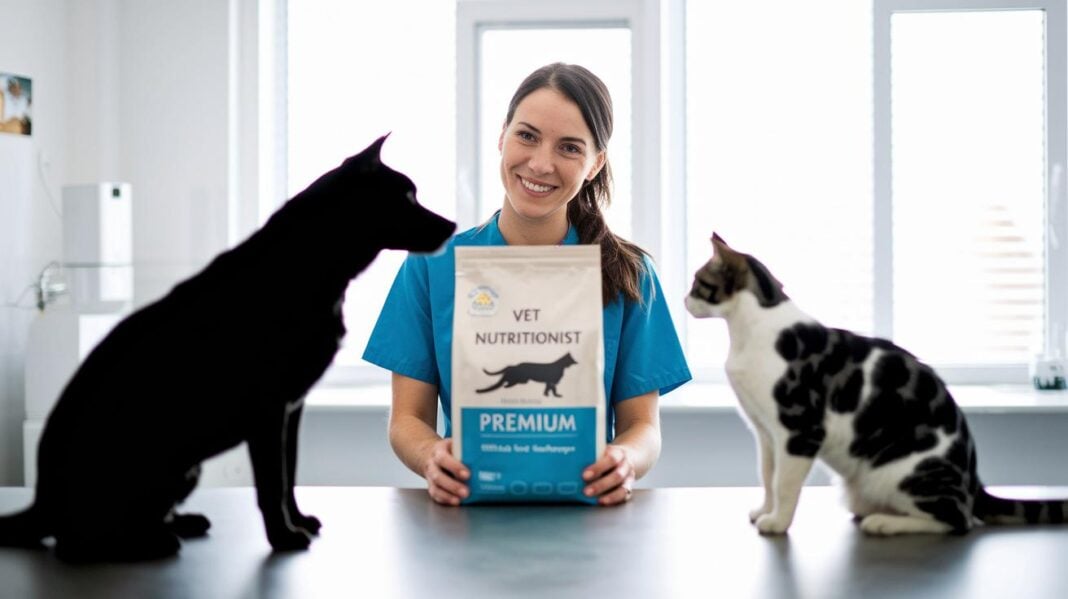
Quick verdict: Vet approved pet food meets high standards to support your pet’s long-term health. It can help with allergies, tummy troubles, and more.
At a glance:
- Packed with high-quality proteins
- Contains balanced fats for energy
- Mix of vitamins and minerals for every age
We looked into these diets because we know you want the best for your furry friend. Experts recommend these foods as they offer the exact nutrients needed for growth and everyday health, from young pups to senior pets.
Why choose vet approved options? These foods follow strict guidelines to ease common pet problems like allergies and stomach upsets. They give your pet a balanced diet that supports overall wellness.
Bottom line: If you want a food that might boost your pet’s health while tackling sensitive issues, vet approved pet food is a smart choice.
What Makes Pet Food Vet Recommended?
Vet recommended pet food is chosen by experts because it meets strict health and safety standards that keep your pet well. It is made to help with common issues like skin irritations, allergies, and stomach upsets, all while tasting good. This type of food follows recipes designed to support long-term wellness in pets.
These diets use high-quality protein, balanced fats, and the right mix of vitamins and minerals. They follow AAFCO (the group that sets pet nutrition standards) and WSAVA guidelines to ensure complete nutrition for every life stage. This means the food is safe for small breeds and pets with special needs.
Regular checkups with your vet help you adjust your pet's diet as needed. By keeping an eye on your pet's health and making small changes over time, you can ensure that the food always provides the right balance of nutrients.
Top Veterinary Diet Picks in Vet Recommended Pet Food
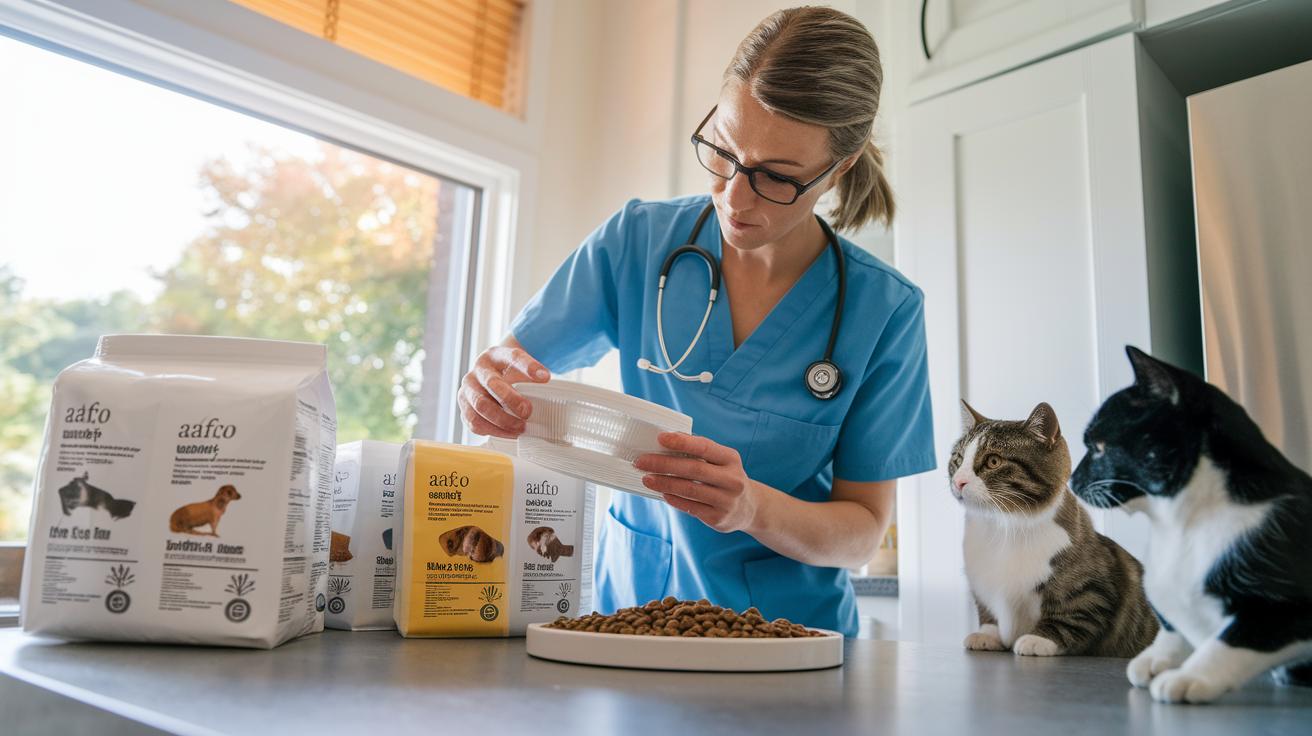
Veterinarians pick the best diets based on strict health rules like AAFCO nutritional standards (the guidelines set by a major pet care organization). They focus on recipes made for specific health issues and high-quality ingredients. Top brands keep it easy to find the right food for your pet. These foods include balanced protein, important vitamins and minerals, and sometimes special formulas for chronic problems. When checking out trusted pet food brands, remember to compare both prescription options and over-the-counter lines that are backed by vet advice.
| Brand | Diet Type | Key Formulations | Prescription vs. OTC |
|---|---|---|---|
| Hills Pet Nutrition | Prescription | 70+ specialized options | Prescription |
| Royal Canin | Prescription | 160 targeted formulas | Prescription |
| Purina Pro Plan | Therapeutic | 50 specialized varieties | Often OTC with vet guidance |
Fresh pet food has also become a popular option. JustFoodForDogs leads the way with six fresh-frozen recipes, four meals that stay good on the shelf, and variety packs made for different health needs. Freshpet and Pets Table use recipes that meet both AAFCO and WSAVA (World Small Animal Veterinary Association) standards. This means their food is safe and tasty. PetPlate sets itself apart by offering six recipes through a subscription plan, so busy pet owners get deliveries on schedule. Whether you go with a recurring subscription or a one-time buy, there's a premium option that fits your lifestyle and your pet's health needs.
Ingredient Analysis in Vet Recommended Pet Food
Quick verdict: Vet recommended pet foods go through a careful ingredient check to meet strict nutritional needs and keep pets healthy.
At a glance:
- All products have an AAFCO nutritional statement, meaning they are complete and balanced for all life stages.
- They follow WSAVA Global Nutrition Guidelines for safety.
- They are made to avoid common allergens and nutritional gaps.
- Third-party labs check the foods to keep harmful contaminants out.
Vets check pet food ingredients closely. They use simple rules to make sure the food is safe and meets daily nutrition targets. This means looking at things like protein quality (similar to how athletes pick lean meats), digestible carbohydrates with the right fiber, and a solid mix of vitamins and minerals. They also look for good probiotics and essential fatty acids while keeping out common allergens and fillers.
Key points in the ingredient check include:
- High-quality protein sources like chicken or fish.
- Carbohydrates that are easy to digest and include enough fiber.
- A balanced blend of vitamins and minerals.
- Added probiotics and essential fatty acids.
- No extra allergens or fillers that could harm pets.
Extra tests by independent labs make sure every batch lives up to its label. Manufacturers must meet strict nutrition standards, so each feeding is safe and supports your pet’s overall health. Plus, regular reviews with the latest scientific updates mean these foods stay current with pet nutrition research.
Board-Certified Meal Guidelines for Vet Recommended Pet Food

Board-certified vet nutritionists design pet meals to help address health issues like kidney disease, diabetes, and obesity. They work with your pet's health history to create diets that meet its unique needs. These experts take extra care when formulating prescription meals, using stricter steps and rules than regular store-bought foods.
Prescription diets are made with careful testing and close supervision by veterinarians. While over-the-counter foods focus on general well-being, these tailored meals support specific health concerns under veterinary guidance. This specialized approach helps keep chronic conditions in check and lowers the chance of complications. Regular checkups also make sure the diet changes as your pet's health does.
Veterinary nutritionists follow proven methods to keep food safe. They stick to AOC and GMP (good manufacturing practices) standards and work in licensed facilities. These safety reviews make sure every batch is balanced and meets strict quality controls set by regulators and veterinary experts.
Hypoallergenic and Specialized Vet Recommended Pet Food
Many pet owners see red, itchy skin or upset stomachs in their pets. These signs may point to a food allergy (a bad reaction to certain ingredients) or intolerance (trouble digesting a food). Vets often suggest diets made with hydrolyzed proteins (proteins broken into smaller pieces to reduce reactions) or single-protein formulas. One pet owner even shared, "After switching to a specialized diet, my dog's persistent tummy troubles finally began to settle." This shows how these diets can really help.
Vets follow careful steps when they recommend these diets. Prescription brands like Hills Z/D, Royal Canin Hypoallergenic, and Purina HA need a vet's okay to make sure every recipe meets strict allergy-reducing standards. Small-breed recipes pack in extra nutrients in the right portions so tiny pets get all the vitamins and minerals they need. For larger pets, the diets focus on joint support and steady growth to help prevent bone and joint issues. Regular vet checkups help adjust these diets as pets grow or their needs change, keeping each meal plan both safe and effective.
Vet Recommended Pet Food: Dry vs. Moist vs. Fresh

Quick verdict: Each type of pet food, dry, moist, or fresh, offers its own perks and challenges. You can mix them to keep mealtime interesting and balanced.
Dry kibbles are a favorite for everyday meals. They are simple to serve and help clean your pet's teeth. Many pet owners trust them for convenience. Moist (canned) meals add extra water to your pet’s diet and have a stronger smell that can tempt even the pickiest eaters. Fresh-frozen diets pack in flavor and hold onto key nutrients, but they need to thaw overnight to be ready for serving. Always handle raw or undercooked foods carefully since they might carry bacteria.
Mixing these options creates a varied feeding plan that suits different tastes and needs. Blending dry kibble with moist or fresh recipes gives your pet a mix of textures and flavors. This method aligns with nutritional guidelines for both dogs and cats, letting you adjust portions based on your pet’s energy levels and dietary preferences.
Vet Recommended Homemade Pet Food and DIY Meal Plans
Making your pet's food at home gives you full control over what they eat and lets you adjust meals for special health needs. You can see every ingredient and know your pet’s meal is just right. But be careful, if you don’t balance the meals properly, your pet might miss out on important nutrients over time.
For safe, healthy homemade meals, work with a veterinary nutritionist and stick to DIY recipes that have been tried and tested. Here are some quick tips:
- Follow evidence-based recipes that show the right nutrient balance.
- Add any needed supplements to cover nutritional gaps.
- Schedule regular vet visits with blood tests and weight checks to keep the diet on track.
These steps make sure your DIY pet food supports long-term health while cutting down the risks of unbalanced meals.
Final Words
In the action, we dove into what makes pet food vet recommended and why trusted diets matter. We broke down ingredient analysis, board-certified guidelines, and the pros and cons of dry, moist, and fresh formats.
We even explored tailored DIY meal plans under veterinary oversight. Each section offered clear safety tips and real-world advice, ensuring pet owners feel confident in their choices. Choosing a vet recommended pet food means giving your pet a balanced, safe, and nutritious diet that meets their unique needs.
FAQ
Q: What does vet recommended pet food for cats mean?
A: The phrase vet recommended pet food for cats means that veterinarians endorse these formulas for meeting strict nutritional standards and addressing specific feline needs, such as skin sensitivities and digestion support.
Q: What does vet recommended pet food for large dogs mean?
A: The term vet recommended pet food for large dogs means that experts back diets specifically designed for bigger breeds, often featuring balanced calorie counts and nutrients to support joint health and controlled growth.
Q: What are the top vet recommended dog foods and the healthiest dog food brands?
A: Top vet recommended dog foods typically include brands like Hills, Royal Canin, and Purina Pro Plan, while the healthiest option depends on your dog’s needs, health condition, and specific dietary requirements.
Q: What does WSAVA approved dog food mean?
A: WSAVA approved dog food means the product meets the World Small Animal Veterinary Association’s nutrition guidelines, ensuring the meal is balanced, clinically tested, and safe for your pet’s overall health.
Q: Which dog food brands should be avoided?
A: Dog food brands to avoid are those lacking AAFCO nutritional adequacy statements, using low-quality fillers, or having a history of recalls, as these factors can compromise your pet’s health and safety.
Q: What pet food brands do veterinarians recommend?
A: Veterinarians recommend pet food brands that offer complete, balanced diets with AAFCO compliance and specialized formulas to address allergies, chronic issues, or specific life stages, providing tailored nutrition for pets.