
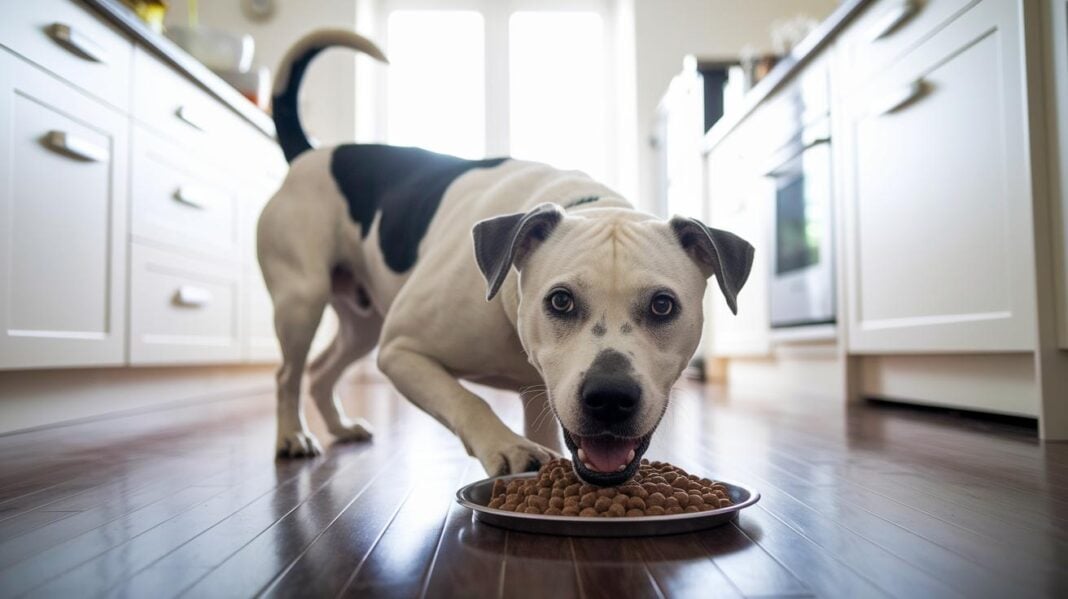
Quick verdict: A raw food diet can give your pet more energy and a healthier glow.
At a glance: This meal plan uses fresh meats, fruits, and veggies to build strong muscles, a shiny coat, and healthy teeth, just like wild animals eat in nature.
Why we looked into it: We noticed that pets often seem more lively and vibrant on raw meals. Their natural energy and better coat shine remind us of the way wild creatures thrive on whole, fresh food.
Pros:
- Uses natural, fresh ingredients
- Can boost energy and support muscle health
- May improve coat shine and dental health
Cons:
- Not every pet will like the sudden change, try it gradually
- May need extra effort for balanced nutrition
Who it’s best for: Active pets and owners who want a simple, natural way to feed their furry friends. If your pet struggles to keep up or you want to see a noticeable boost in energy and health, raw diets might be a good fit.
How we checked it out: We talked with pet owners and observed pets on a raw diet. Many reported a smoother coat, brighter teeth, and more playful behavior after switching to meals that mirror what nature intended.
Bottom line: If you want to see your pet shine with natural vitality, a raw food diet might be worth a try. Just make sure to introduce it slowly and watch your pet’s response.
Understanding Raw Pet Food: Definitions, Fundamentals & Core Benefits
Raw pet food follows a simple model called B.A.R.F. This means about 80% is meat, organs, and bones, 15% is fruits and vegetables, and 5% comes from extras like New Zealand Green Lipped Mussel, coconut oil, or raw goat milk. It skips synthetic vitamins and man-made additives, offering whole-food nutrition much like what pets would find in nature.
This natural meal plan fits the needs of dogs and cats. For dogs, a raw diet supports muscle strength and keeps energy levels up. For cats, it delivers high protein and vital nutrients similar to what their wild ancestors ate.
- Improved coat quality thanks to essential fatty acids
- Better dental health from chewing raw bones
- Smoother digestion with natural enzymes and probiotics
- More energy from high-quality protein
- Fewer allergies by avoiding synthetic additives
- Stronger immune support with whole-food vitamins
- Easier weight control with nutrient-dense, low-carb meals
Together, these benefits work to support your pet's overall well-being. The high protein and fats fuel their energy while natural enzymes help break down food for smooth digestion. Chewing on raw bones aids in keeping teeth clean, and essential fatty acids boost skin and coat health. Adopting a raw diet creates a balanced meal plan that meets your pet's natural needs and helps them enjoy a lively, healthy life.
Nutritional Benefits & Digestive Advantages of Uncooked Diets
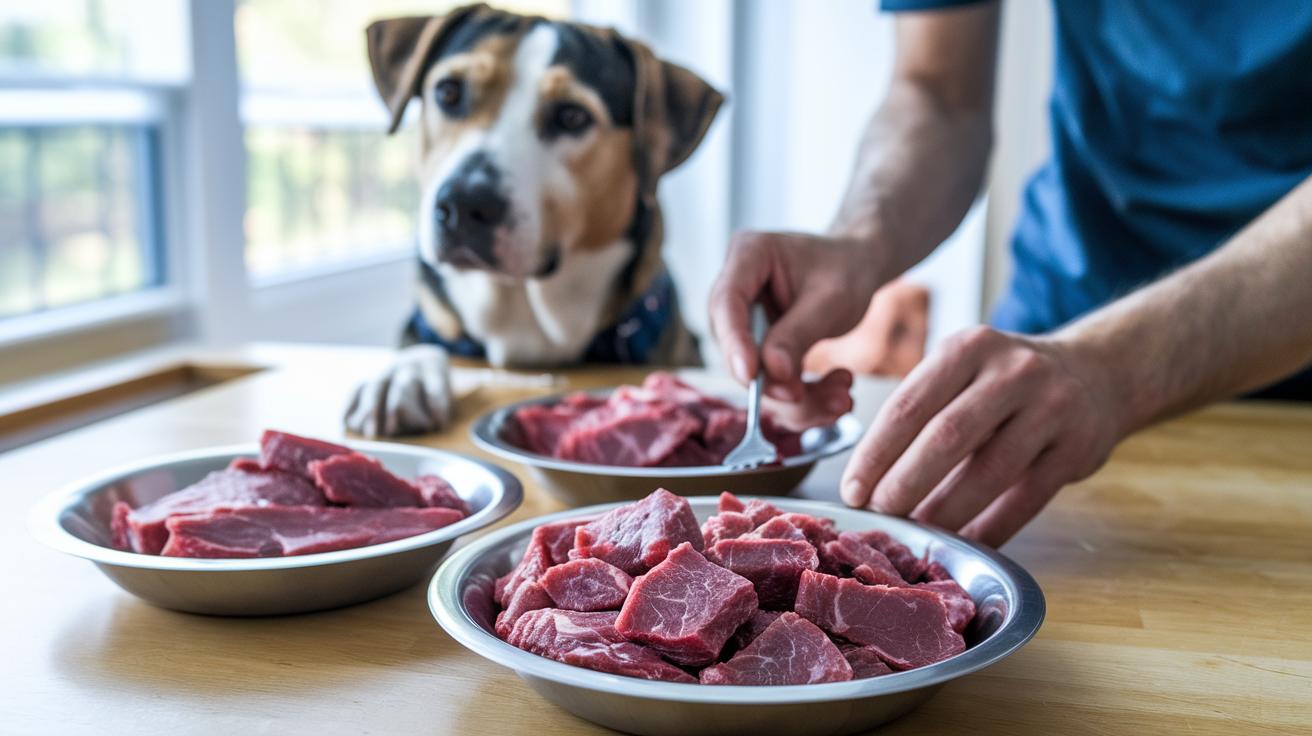
Raw pet diets pack high-quality protein and fats that your pet can easily absorb. This mix of big nutrients helps boost energy and keeps muscles lean and strong. For example, Steve’s Real Food uses a formula made up of 80% meat, powering active dogs with all the natural nutrition many owners value.
These key nutrients (protein and fat) are so easy for pets to use that they get every bit of goodness from their food. Many dog owners say their pets show steadier energy and fewer allergy issues when they switch to raw ingredients instead of chemical additives. (For more on dog food for dogs with allergies, check this link: https://petsmove.org?p=236)
Raw diets also offer important vitamins and minerals. These natural micronutrients boost the immune system, help keep skin and fur healthy, and support overall body functions without the need for extra artificial supplements.
When it comes to digestion, raw diets shine. Pet owners often see firmer stools and a better balance in their pet’s gut. This means the digestive system is working well to break down food, so every meal really counts and helps your pet stay lively.
Essential Safety Practices & Hygienic Handling for Raw Pet Meals
Handling raw pet meals calls for careful steps to keep harmful bacteria at bay while keeping your pet's food fresh and healthy. We know you want easy, safe routines that work every time.
Start by storing raw pet food in the fridge at 32–40°F (0–4°C). This cool zone stops bacteria from growing. When it’s time to thaw frozen meals, do it in the refrigerator or in a sealed container. This simple step helps keep contaminants out.
Always wash your hands with warm water and soap both before and after handling raw food. It only takes a minute and makes a big difference. Clean pet bowls and feeding utensils after every meal to prevent buildup. Use a separate cutting board and utensils just for raw food to avoid mixing germs with other groceries.
Keep raw food away from other items when shopping and at home. This helps stop tiny bacteria from spreading. Lastly, make sure to sanitize any surfaces where you prepare your pet’s meals. It’s well worth the effort to create a safe meal prep space that benefits both you and your pet.
Follow these clear, everyday practices to give your pet the full benefits of a raw diet without the worry of harmful bacteria.
Homemade Raw Pet Cuisine: Simple Protein Recipes & Preparation Steps
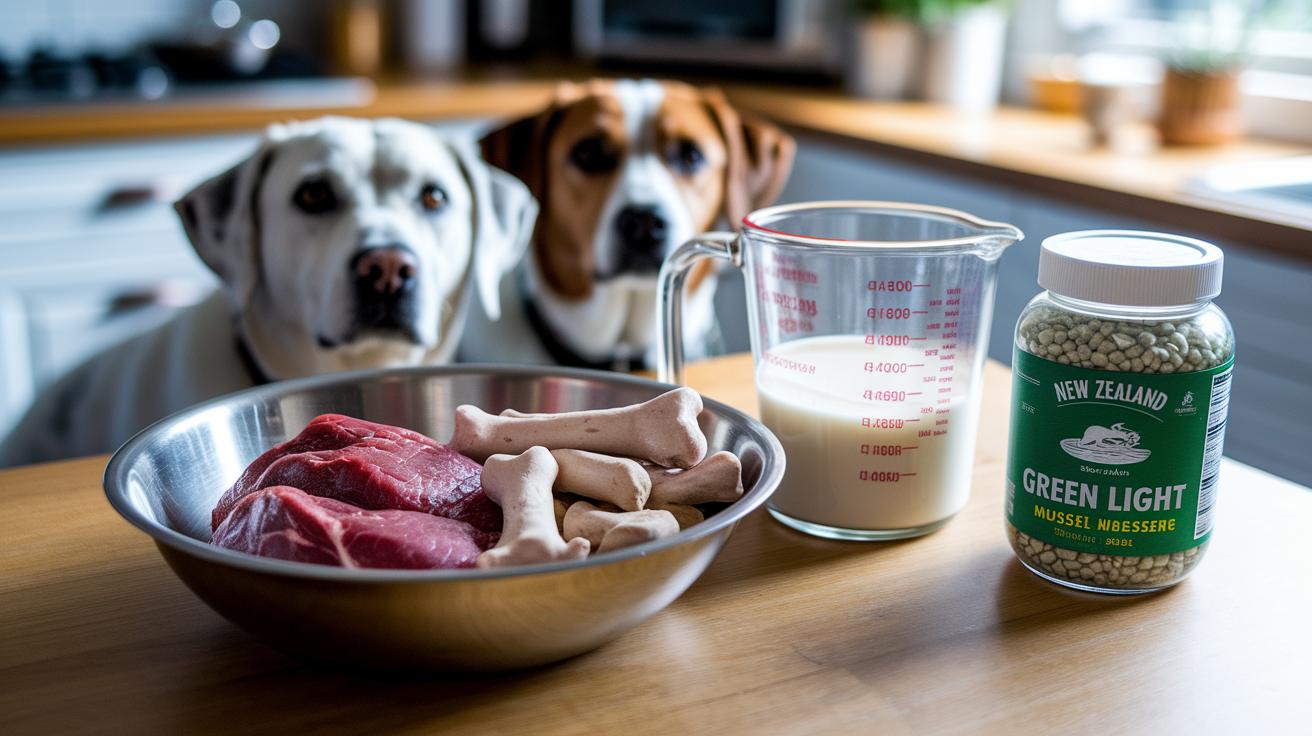
When preparing raw meals for your dog, start with easy-to-find proteins like beef, chicken, or turkey. Use a mix of about 80% muscle meat, 10% organs, and 10% bone. This recipe mimics what dogs would naturally eat. It also helps build strong muscles and keeps teeth healthy through natural chewing. You can add a bit of raw goat milk or a supplement like New Zealand Green Lipped Mussel (a source of fatty acids and digestive enzymes) for extra nutrition. Many kits offer different textures, such as coarse, fine, or boneless, so you can pick what works best for your dog’s chewing style.
Cats need a higher protein diet. When making a raw meal for your cat, choose protein sources like fish or rabbit. Include a generous portion of organs to supply essential vitamins and minerals. A pinch of taurine (an amino acid vital for heart and eye health) can boost the meal even more. This balance not only satisfies your cat’s carnivorous needs but also helps them stay hydrated, active, and alert throughout the day.
For the best results, store homemade meals in airtight containers to keep them fresh. Freeze portions into 8-ounce patties or scoop-and-serve nuggets so that meals are easy to thaw in the fridge. Always label your packages with the date and follow proper thawing by moving them to the refrigerator in advance. This simple method ensures every meal remains safe and packed with nutrition, giving your pet steady energy and happiness every day.
Raw Pet Food Formats: Frozen, Freeze-Dried & Refrigerated Options
Raw pet food comes in a few handy forms to fit different lifestyles and storage needs. Scoop-and-serve nuggets work well for busy pet owners who want quick, measured servings with little prep. The 8-oz patties offer a hearty portion for a balanced meal that is easy to measure. Freeze-dried pouches lock in most natural enzymes and vitamins without needing a constant freezer. Each option is tailored to bring full-food nutrition in a way that fits your daily routine.
| Format | What It Offers | How to Store | Best For |
|---|---|---|---|
| Frozen Nuggets | Easy portions, ready to serve | Needs a freezer or fridge | Busy homes, batch feeding |
| 8-oz Patties | Hearty meal size, consistent servings | Requires freezer or fridge | Those who measure meals |
| Freeze-Dried Pouches | Keeps nutrients, no freezing needed | Store in a cool, dry spot | Homes with limited freezer space |
Pick the option that fits your routine, freezer space, and budget to keep your pet lively and healthy.
Sourcing High-Quality Raw Ingredients & Trusted Suppliers

When you check raw pet food labels, look for signs of quality. A good label shows USDA-inspected protein sources and tells you where the food comes from. Trusted brands often mention that their meat comes from local family farms or well-known butchers. They have been using this method since 2010. The label should also note the use of organic produce and confirm that no 3D/4D meats, preservatives, artificial colors, or high-pressure processing were used. These details help you pick a raw meal that feeds your pet with natural, wholesome ingredients.
When you talk with suppliers, ask if their food is truly free of additives and kept at low temperatures from start to finish. Check on their quality control practices and if they work with local raw meat vendors. Make sure the ingredients meet high supplier standards. For example, if a supplier uses the same quality of ingredients as trusted fresh dog food (https://petsmove.org?p=316), you can be more confident that your pet is getting a safe and nutritious meal.
Transitioning Dogs & Cats to a Raw Diet: Step-by-Step Guidelines
Dog Transition Techniques
Switch your dog to a raw diet slowly over 7 to 10 days. Begin by mixing about 10% raw food with 90% of their regular meal. For example, on the first day, add a small spoonful of raw food to their meal. Then, each day, gradually increase the raw portion while reducing the rest of their food. This helps your dog's stomach adjust and lets you see if there are changes in their coat, energy, or stool. It helps to use a feeding chart or meal-planner to track the changes. If you notice stomach upset or behavior changes, give the transition more time and talk to your vet if needed.
Cat Transition Techniques
Cats need extra care when changing their diet. Start with a very small amount of raw food mixed into their current meal. Serve the food a bit cooler, since many cats prefer less warmth. Watch how your cat reacts to the new texture and make small changes if needed. If your cat is a picky eater, adding a little of their favorite flavor can help. Keep an eye on the litter box for any changes, and adjust the mix gradually.
raw pet food boosts joyful pet vitality
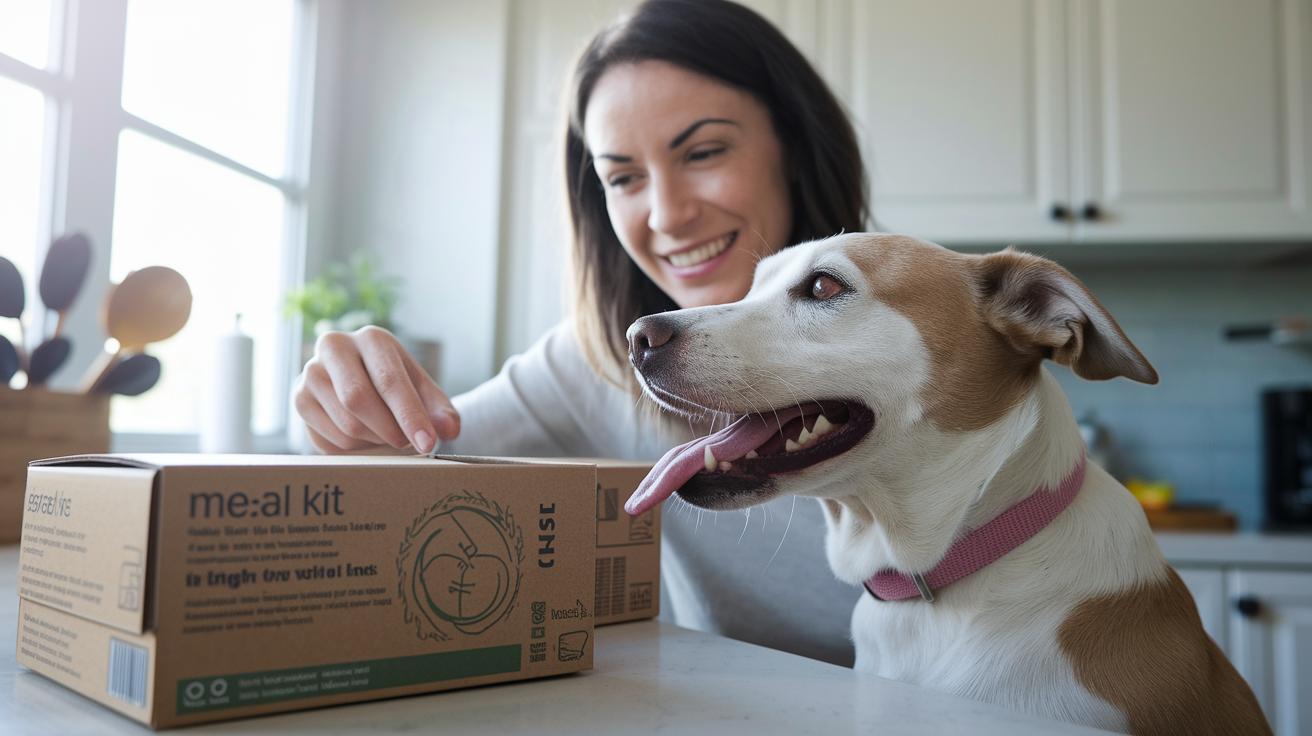
Quick verdict: Subscription raw meal services offer a hassle-free way to change your pet's diet. They deliver custom meal kits straight to your door and let you try new diets with little or no cost.
At a glance:
- Convenient, regular delivery
- Customizable meals
- Free shipping and trial packs, sometimes for $0.00
We tested these services to see how they make feeding your pet easier while keeping costs low. If you like knowing when to expect your pet's meals, a subscription works well. But if you prefer to buy in bulk and control each portion yourself, that option still holds strong.
Pros:
- Easy ordering and delivery
- Flexible options for pet diets
- Promotional offers reduce the jump into a raw diet
Cons:
- Bulk ordering stays better for those who want less frequent deliveries
New products are adding choices like whole prey (complete small animals to mimic natural feeding), meal toppers, and extra treats. This variety means you can tweak your pet’s diet to fit their needs while watching your spending.
Bottom line: With more choices than ever, switching to a raw, unprocessed diet can boost your pet’s natural energy and health without breaking the bank.
Debunking Myths & Addressing Common Raw Feeding Concerns
Many pet owners worry about raw pet food safety, but when raw meals come from trusted sources and follow safe handling routines, there have been no FDA recalls. Manufacturers who stick to strict storage and handling rules greatly lower the chance of harmful bacteria. Many raw feeding myths come from exaggerated recall figures, but studies show that problems usually happen only when safety steps are skipped. Simple habits like using special utensils and keeping food cold make raw meals safe for your pet.
Some also worry that raw diets might miss essential nutrients. In reality, nutritional guides and vet-approved meal calculators ensure that each meal is balanced. Veterinary studies note that while some benefits of raw feeding are based on personal stories, careful planning and advice from pet health experts work well to address these concerns. With the right approach, a raw diet can be both safe and complete for your pet.
Final Words
In the action, we explored raw pet food in depth, from understanding its fundamentals and nutritional benefits to learning proper safety practices and easy homemade recipes. We compared formats, sourced trusted ingredients, and tackled transition challenges and market trends. We also debunked common myths to help you make safer, informed decisions. Each section ties back to a goal of providing a natural, balanced diet that can boost your pet’s health and enjoy life to the fullest. Enjoy the journey as you discover the right raw pet food for your fur friend.
FAQ
Where can I find raw pet food near me and in the USA?
Raw pet food near you and across the USA can be sourced through local pet stores, reputable raw pet food companies, and online subscription services that deliver fresh, frozen meals right to your door.
What raw food options are available for cats and do vets recommend them?
Raw pet food for cats usually features high-protein sources like fish and includes essential supplements. Some vets may support these diets if they’re properly balanced, but consulting your veterinarian is always best.
What frozen and freeze-dried raw food options exist for dogs?
Raw dog food comes in both freeze-dried and frozen forms, including patties, nuggets, and pouches. These formats maintain nutrients and offer a convenient, ready-to-serve option for busy pet owners.
Is raw food good for pets and how does it benefit them?
Raw food is viewed as beneficial because it delivers whole-food nutrition free from additives, which may support a healthier coat, dental care, and improved energy, as long as proper safety and handling guidelines are followed.
Why might some vets not recommend a raw diet?
Vets may hesitate with raw diets due to concerns about bacterial contamination and nutritional imbalances if the diet isn’t carefully formulated, so they stress proper preparation, gradual introduction, and strict hygiene practices.
What are the best raw food options and subscription services for dogs?
The best raw food options for dogs come from trusted brands that provide fresh, frozen, or freeze-dried meals. Look for products with high-quality ingredients, consistent safety standards, and user-friendly delivery subscriptions to suit your pet’s needs.
What is the current raw pet food delivery market like?
The raw pet food delivery market is expanding, offering subscription services, bulk orders, and trial packs. These services focus on personalized diets, competitive prices, and regional delivery by reliable, quality-focused suppliers.