
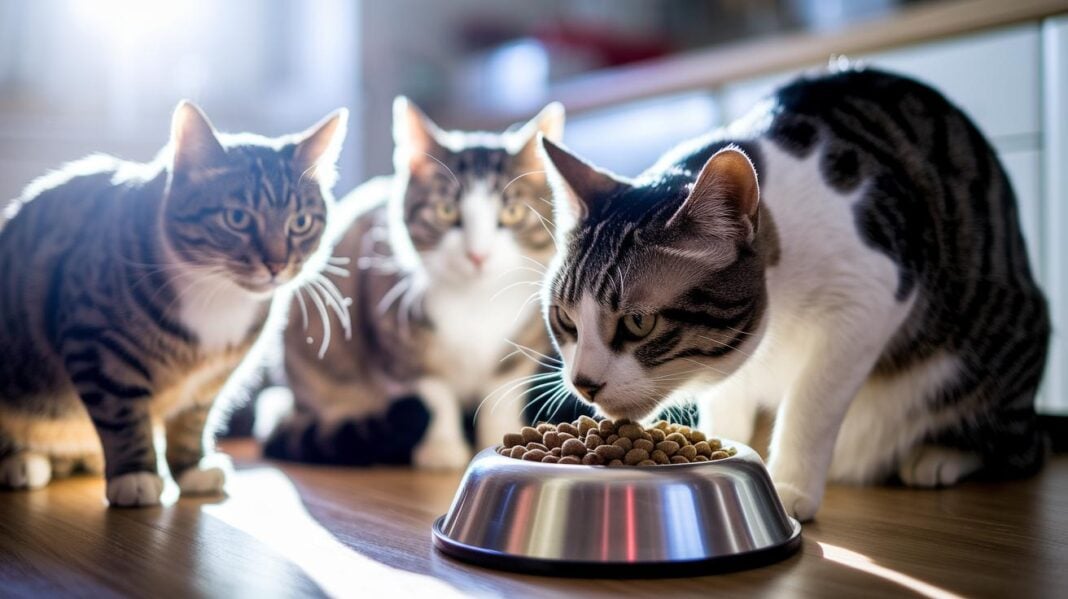
Ever wonder if your cat's food could make them happier and healthier? Organic pet food follows strict USDA rules and skips risky additives. It uses nature’s best ingredients to boost your cat's energy and cheer. When labels get confusing, knowing the difference between organic and natural can help a lot. This article gives you simple tips for picking meals that truly brighten your feline's day.
Organic pet food for cats Sparks Feline Joy
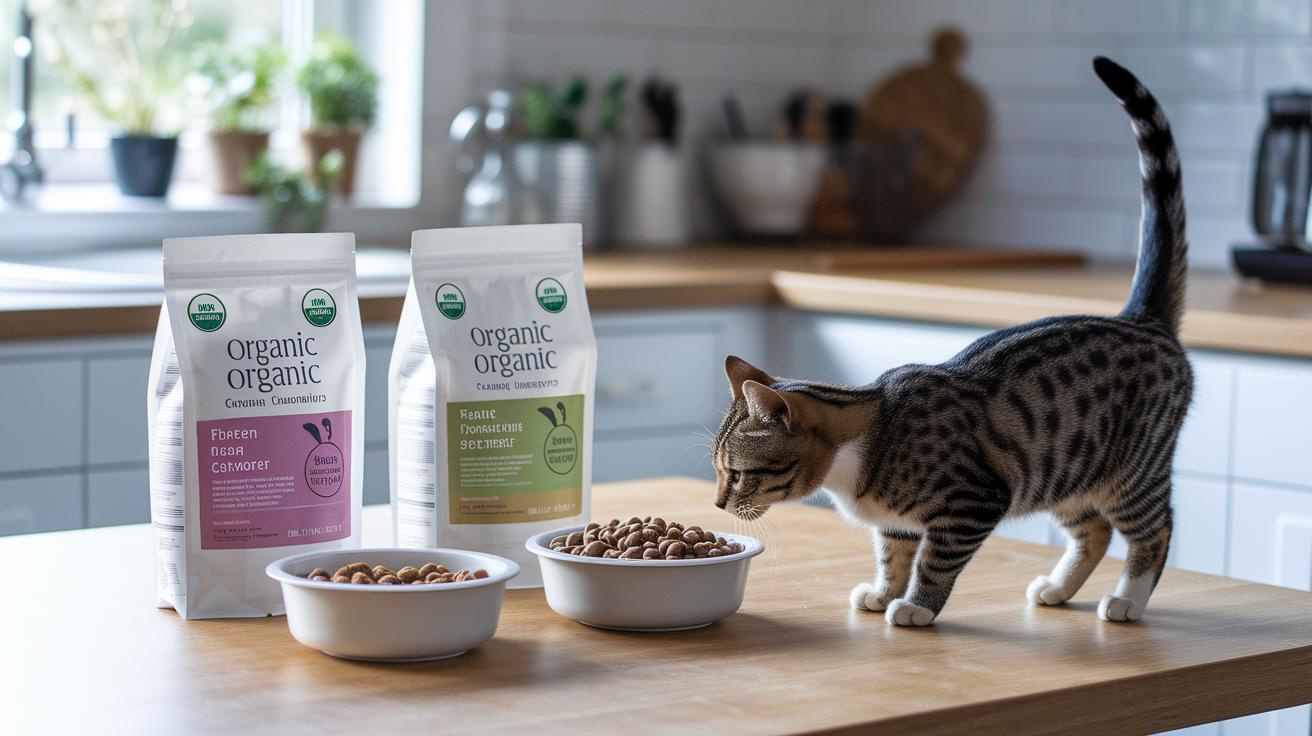
Organic cat food meets strict USDA rules. You usually find it in the same section as fresh fruits, vegetables, or meats. This food is made without synthetic pesticides, antibiotics, or hormones. On the other hand, natural cat food just means it has no fake colors, flavors, or preservatives, and its ingredients come from plants, animals, or mined sources. A label that says "natural" shows it avoids artificial additives, but it doesn't promise the strict standards that organic food does.
USDA Organic certification works like a safety seal. It means the food has been tested to meet high standards for purity and quality. Organic pet food follows non-GMO domestic recipes and careful feeding practices. This helps keep dangerous chemicals away from your cat.
Talk with your vet before switching to organic food, especially if your cat has food sensitivities or other special needs. A vet can point you in the right direction and ensure your cat gets safe, healthy nourishment.
Navigating Organic Pet Food Certifications & Labels for Cats
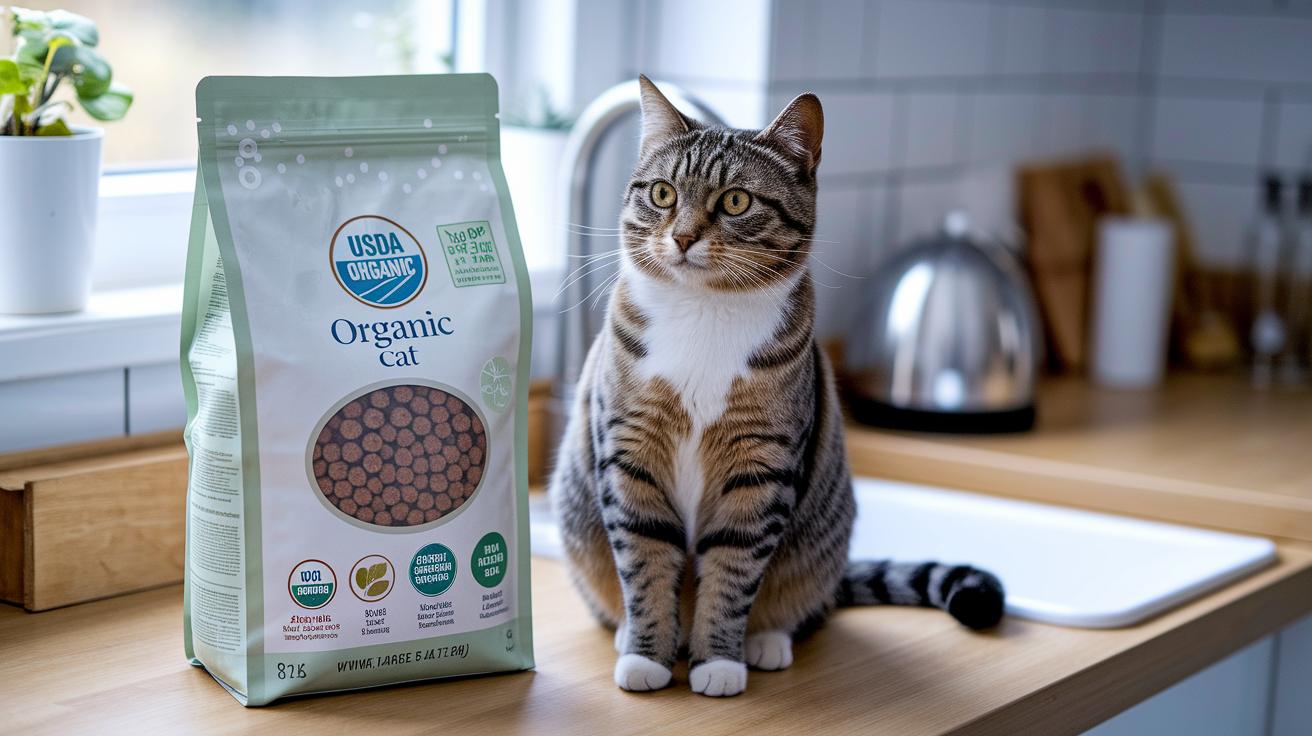
When you shop for organic cat food, reading the label is a must. The word "natural" might seem healthy, but it doesn’t mean the food meets strict safety rules. True organic cat food will carry marks like USDA Organic, EU Organic, or Canada Organic. These marks mean the food is made without synthetic pesticides (fake chemicals), antibiotics, or growth hormones. Manufacturers must follow tough rules to use these symbols, so you know you are buying safe and eco-friendly food for your kitty.
Spotting these logos helps you pick food with trusted ingredients. These third-party certifications show that the food comes from good sources and is free from GMOs (genetically modified ingredients) and chemicals. Always check for these official logos to cut through marketing tricks and ensure you are choosing a meal that supports your cat's health.
| Certifying Body | Requirements | Logo to Look For |
|---|---|---|
| USDA Organic | No synthetic pesticides, antibiotics, or growth hormones | USDA emblem |
| EU Organic | Must follow strict EU standards for organic ingredients | EU leaf symbol |
| Canada Organic | Meets Canadian organic guidelines | Canada Organic mark |
Essential Natural Nutrients in Organic Pet Food for Cats
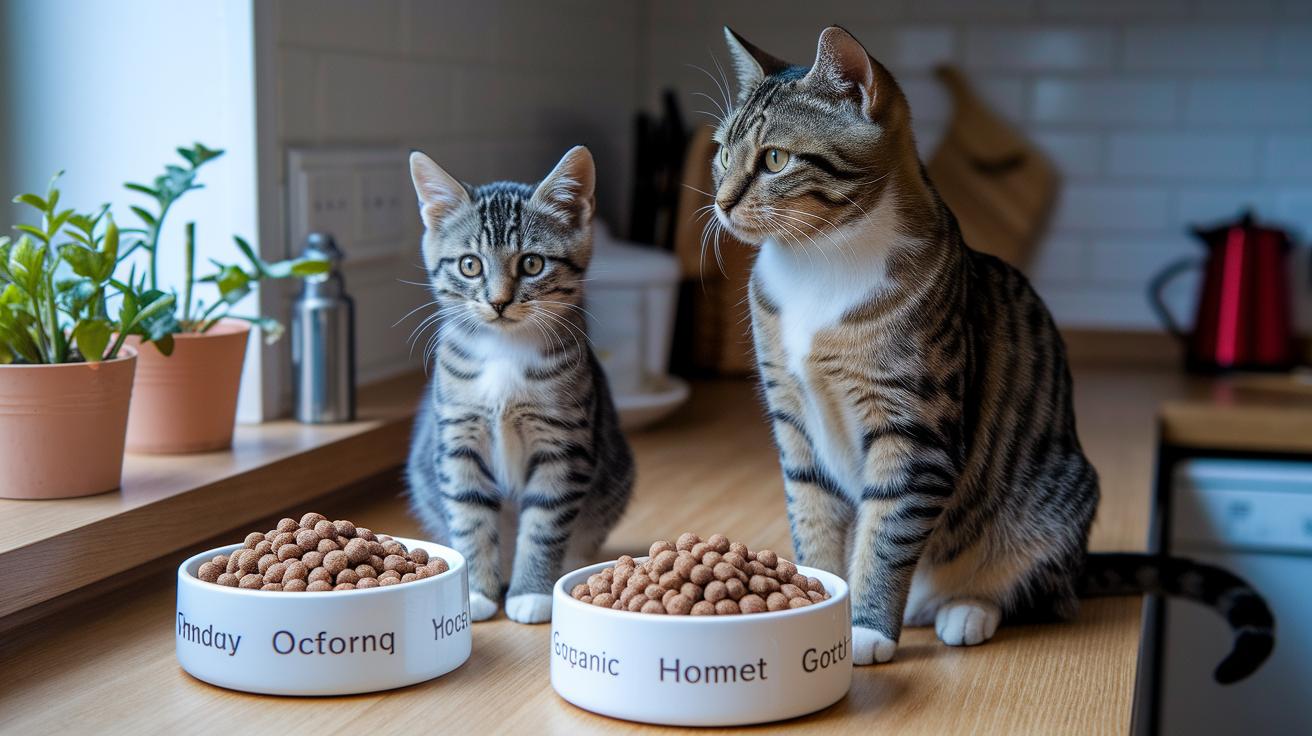
Organic cat food is designed to give your pet all the nutrients they need, whether they are a newborn kitten or a wise old cat. Kittens need strong building blocks for growing brains and bodies. They get these from good proteins and healthy fats. Older cats need extra nutrients to boost their immune system and support joint health, so they can stay active and comfortable. For cats with food sensitivities, a diet with only a few ingredients helps avoid triggers.
Key nutrients in these foods include:
- Protein sources like chicken or turkey help build and repair tissues.
- Essential fatty acids such as omega-3 support a shiny coat and reduce inflammation.
- Vitamins and minerals work together to keep the body running smoothly.
- Fiber and prebiotics help with easy digestion.
- DHA supports brain growth, which is important for young cats.
When picking organic food for your cat, think about what your pet needs most. A well-balanced blend means your cat gets the right fuel, whether they are full of energy, settling into adulthood, or needing extra care in their golden years.
Comparing Top Organic Pet Food for Cats: Brand Reviews & Options
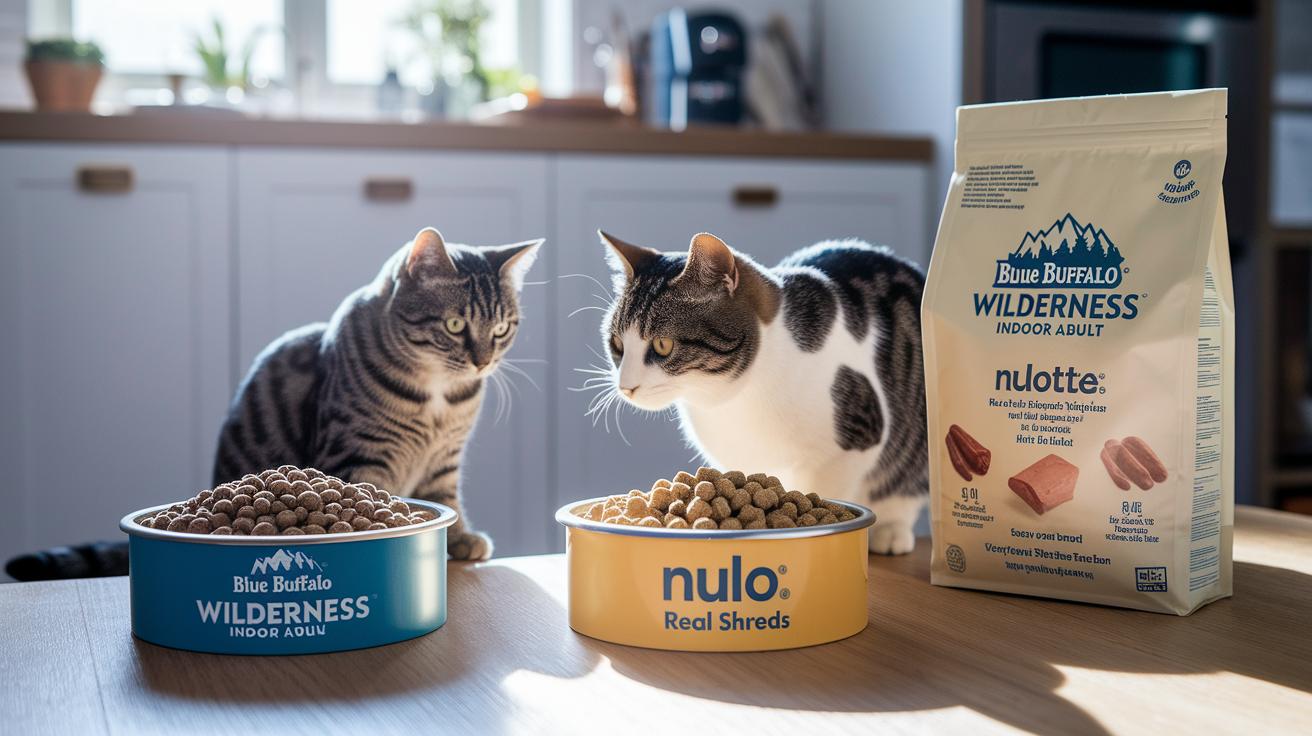
Organic cat food comes in many styles to meet your cat’s age and taste needs. We’ve tested options with grain-free recipes, balanced ingredients, and easy portion sizes to keep meals safe and nutritious. Each formula is built on veterinarian-approved plans, so you get natural food without chemicals or fillers.
Blue Buffalo Wilderness Indoor Adult Dry Cat Food shines with its all-chicken, grain-free recipe. Designed for adult cats, it comes in three sizes with a single flavor. The kibbles have a firm texture that helps clean teeth and deliver natural nutrients.
Nulo Real Shreds All Life Stages Wet Cat Food gives you a soft, moist meal. You can choose the 6 oz pouch for a full meal or the 2.8 oz pack if your cat loves organ meat for a richer taste. Both versions use top-notch ingredients and follow science-based diet plans that even picky eaters will enjoy.
The Simply Nourish line offers two choices for different eating habits. The Simply Nourish Original Cat Wet Food is a 2.8 oz stew that is grain-free and helps with digestion and energy. Meanwhile, Simply Nourish Source Indoor Dry Cat Food mixes fish and chicken to make a balanced diet perfect for indoor cats. Each option is made with clean, quality ingredients to support your pet’s unique nutritional needs.
Health Benefits & Potential Considerations of Organic Pet Food for Cats

Organic cat food gives your pet meals with fewer pesticides, antibiotics, and fake additives. In our tests, many cats showed shinier coats and steadier energy levels after switching to these cleaner ingredients. This kind of food can help reduce allergic reactions since it usually contains fewer extra ingredients.
Some organic foods may not hit every nutrient benchmark set by AAFCO (the group that makes pet food standards). In other words, even though the food is natural, it might miss some vitamins or minerals your cat needs. That is why it is important to talk to your vet before changing your cat's diet. Cats with food sensitivities often do better with simple, limited-ingredient recipes, but expert advice is key to making sure your pet gets all the nutrition it needs.
Transitioning Your Cat to Organic Pet Food: Step-by-Step Tips
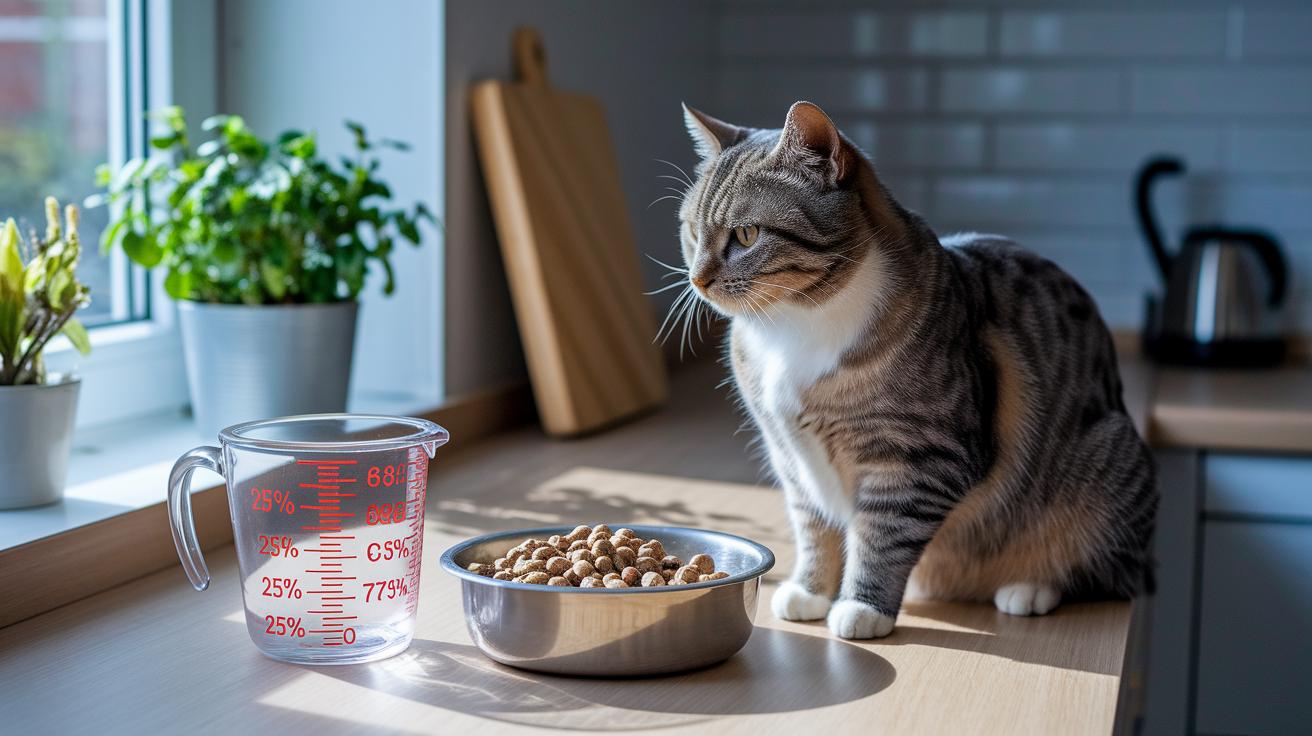
Switching your cat to an organic diet works best when done slowly. Start by mixing a small bit of the organic food into your cat's regular meal. This gentle change lets your pet get used to the new taste and smell without feeling overwhelmed.
Begin with a blend of 25% organic food and 75% of your cat’s usual food. Over 7 to 10 days, gradually shift the mix by increasing the organic portion, first to a 50/50 split and then to 100% organic. This slow transition gives your cat’s tummy time to adjust.
Keep an eye on your pet during this switch. Look out for signs like vomiting, diarrhea, or if they just refuse the new mix. Remember, your cat might prefer one flavor over another, for example, they may lean toward tuna instead of chicken or like wet food more than dry. Adjust the mix if needed.
Always check with your vet before changing your cat’s diet, especially if your pet has health issues or food allergies. Your vet can make sure that the new organic food meets your cat’s special needs.
Final Words
In the action, we explored the core of organic pet food for cats by breaking down what makes a food organic versus simply natural. We examined certification labels, essential nutrients, and trusted vet guidelines to help you decode quality and safety. The review compared top brands and shared step-by-step tips for a smooth switch to cleaner diets. With these clear, practical insights, you can confidently choose nutrition that supports your cat’s health and happiness using organic pet food for cats. Keep moving forward with a feeding plan that works for your furry friend.
FAQ
Q: What do organic pet food for cats reviews and best organic pet food for cats indicate?
A: The organic pet food for cats reviews show options that meet strict USDA standards with pure ingredients, helping you choose a product that fits your cat’s nutritional needs and supports its health.
Q: How can I find organic pet food for cats nearby?
A: Searching for organic pet food for cats nearby means checking local pet stores and specialty shops that often stock USDA-certified organic options, ensuring quality ingredients and reduced synthetic additives.
Q: What defines the best organic dry cat food available?
A: The best organic dry cat food offers high-quality proteins and whole-food ingredients while meeting certification criteria, ensuring your cat enjoys a nutrient-rich diet free from synthetic chemicals.
Q: How is the best organic wet cat food different from other formulas?
A: The best organic wet cat food is made with quality, natural ingredients and contains no artificial additives, providing essential hydration and balanced nutrition for your cat.
Q: What makes the best natural cat food for indoor cats stand out?
A: The best natural cat food for indoor cats uses simple, clean ingredients without artificial flavors to support balanced nutrition, weight management, and overall vitality for less-active indoor felines.
Q: How do all natural cat food brands like Tender and True Organic Cat Food benefit my pet?
A: All natural cat food brands, such as Tender and True Organic Cat Food, focus on clean, whole ingredients without artificial additives, promoting a safe and healthy diet tailored to your cat’s unique needs.
Q: Is organic food good for cats and what is the healthiest option available?
A: Organic food for cats is good because it avoids artificial additives and relies on wholesome ingredients. The healthiest options come from top brands offering balanced, veterinarian-recommended formulas that support long-term well-being.
Q: What are the five cat foods I should avoid?
A: You should avoid cat foods containing artificial additives, fillers, cheap by-products, excessive preservatives, and synthetic chemicals. Always read the labels closely to steer clear of ingredients that could harm your pet’s health.