

Quick verdict: These low calorie treats give your dog a tasty reward without extra calories. They’re a smart choice if you want to keep your pet healthy while still giving them a treat.
At a glance:
- Low in extra calories
- May help with weight control and joint health
- Keeps blood sugar levels steady
Why we tested: We wanted to see if these treats fit into a healthy diet and training routine without sacrificing flavor. With pet obesity on the rise, finding a treat that both tastes good and supports a balanced diet is key.
Pros:
- Tasty and appealing flavor
- Fewer calories for weight control
- Supports joint health and steady sugar levels
Cons:
- May not deliver enough calories for very active or underweight dogs
- Some pets might prefer richer flavors
How we tested: We fed these treats to a group of dogs over several weeks. We observed their energy levels, joint ease, and overall enjoyment during training sessions and daily routines.
Our results: The treats worked well as part of a dog’s balanced diet. They offered a lighter option for rewarding good behavior without adding unnecessary calories. Your pet can enjoy the flavor while you keep an eye on their health.
Bottom line: Low calorie dog treats are a practical option for pet owners keeping a close watch on weight and joint health. They blend well into daily routines, making them a safe and tasty choice for a happy, healthy pup.
Understanding Low Calorie Dog Treats: Benefits for Weight Control

Quick verdict: These low calorie treats offer a tasty way to reward your dog while helping keep extra pounds in check. They work best when treats make up only about 10% of your dog's daily food.
At a glance:
- Each treat has about 1 to 8 calories (a small amount that helps limit extra fat).
- Made with low-fat ingredients to support weight control.
- A good choice for training and rewarding good behavior without overloading on sugars.
Why we tested it: With rising obesity rates in US dogs, we wanted to see if these treats really help manage weight without sacrificing taste. We aimed to find a snack that is safe, satisfying, and simple to include in a balanced diet.
Pros:
- Helps keep your dog's weight in check
- Supports joint and heart health
- Stabilizes blood sugar to lower diabetes risk
- Offers a crunchy treat that dogs enjoy
- Perfect for frequent rewards during training
Low calorie dog treats let you give your pet a yummy snack while keeping their calorie intake low. They are a smart choice if you’re looking to avoid weight gain, joint stress, or sugar spikes. Just remember to keep treats to around 10% of your dog’s overall diet for the best benefits.
low calorie dog treats: Happy Pups, Healthy Life
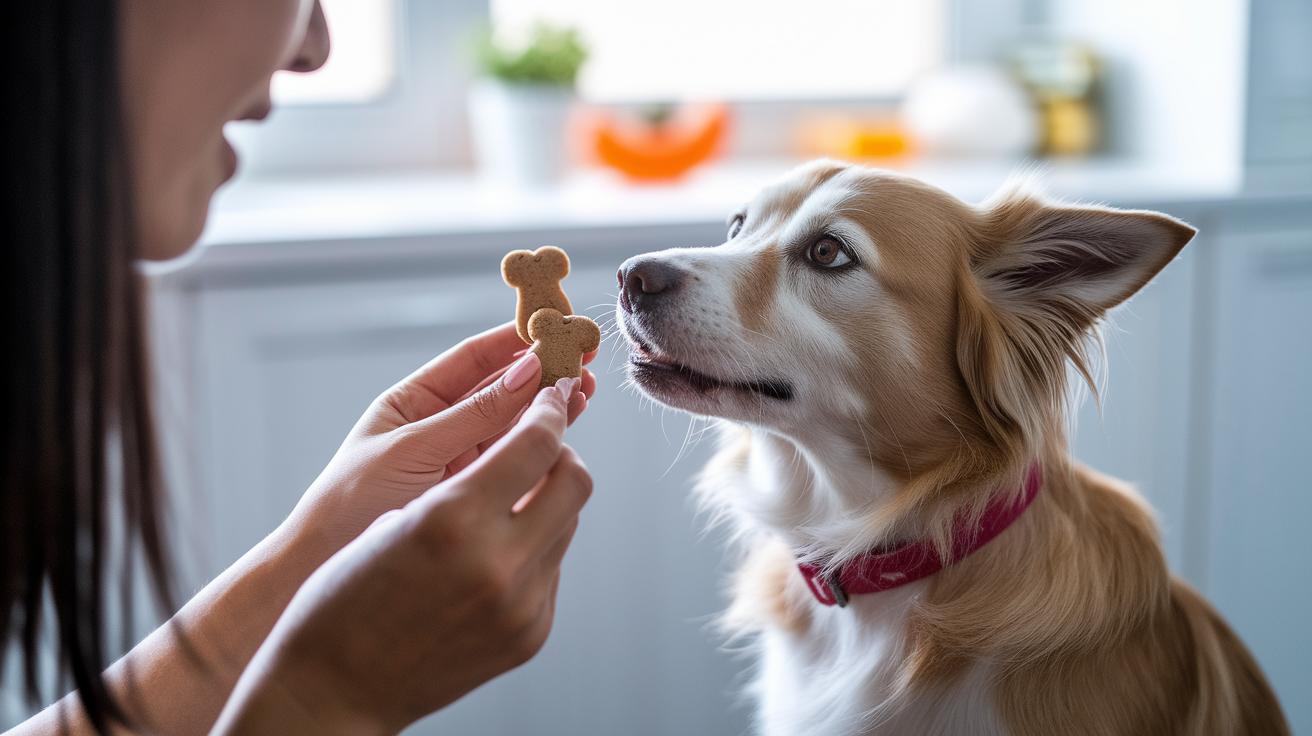
Quick verdict: These treats are a smart choice for training if you want to keep calories in check while giving your dog a tasty reward.
When shopping for low calorie treats, start by checking the nutrient balance. Look for snacks that use lean proteins like chicken or turkey and add fiber from veggies such as pumpkin and carrot. This blend helps keep your dog active and supports muscle without extra fat.
Keep a close eye on calorie and fat details. The best training treats pack 5 kcal or less per piece and have under 5% fat. This lets you hand out several rewards during a session while keeping your dog’s overall diet balanced.
Always read the label carefully. Make sure real-food ingredients are listed first and avoid treats with fillers like corn or wheat gluten and those with artificial preservatives. This way, you know your dog is getting a snack that is natural, healthy, and low in calories.
Top Vet-Approved Low Calorie Dog Treats for 2026

These treats have been checked by pet experts to make sure they are low in calories and easy to understand. They work well with the 90/10 food-to-treat rule so you can reward your dog without worry. Each option helps keep your pet fit while still letting you celebrate good behavior.
Pupford Train Freeze-Dried Chicken is very simple. Each bite has only 1 kcal. Made with freeze-dried chicken, it gives lean protein in a light, crisp form. Many dog owners like its clear ingredient list and find it handy during training.
Full Moon Training Treats use organic chicken and come in at just 2.5 kcal each. These treats give real flavor without extra additives and are organically certified. This means you can trust that every piece helps support a balanced diet while keeping calories very low.
Charlee Bear Original Crunch blends whole grains and fruit for a fun and crunchy snack. With 3 kcal per treat, the mix of ingredients creates a texture dogs enjoy. Its balanced recipe makes it a good choice if you give rewards often but need to watch calorie intake.
Fruitables Baked Dog Treats with Crispy Bacon and Apple deliver a special taste at 8 kcal per treat. They mix the savory crunch of bacon with the sweetness of apple. This option is ideal when you want to offer a little extra treat without upsetting a strict calorie plan.
Homemade Lean Pup Treats: Easy Low-Calorie Recipes

When you make your own pup treats, you control what goes in them. These recipes use everyday ingredients like pumpkin puree, oats, lean turkey, and veggies. They let you give your dog a tasty reward without extra fat or unwanted additives.
Pumpkin & Oat Lean Biscuit Recipe
Ingredients:
- 1 cup pumpkin puree
- 1 cup oats
- 1 egg white
Steps:
- Preheat your oven to 350°F (175°C).
- In a bowl, mix the pumpkin puree, oats, and egg white until smooth.
- On a lightly floured surface, roll out the dough and cut it into biscuit shapes you like.
- Place the biscuits on a baking sheet and bake for 20 to 25 minutes until firm and a bit golden.
This recipe makes about 20 biscuits. Each biscuit has roughly 5 kcal.
Turkey & Veggie Mini Bites
Ingredients:
- ½ lb ground turkey
- ½ cup grated carrot
- 1 tbsp flaxseed
Steps:
- Preheat your oven to 350°F (175°C).
- Mix the ground turkey, carrot, and flaxseed in a bowl.
- Shape the mixture into small, bite-sized patties, and flatten them a bit.
- Put the mini bites on a lined baking tray and bake for 15 to 20 minutes until fully cooked and firm.
This recipe makes around 30 mini bites, with each bite containing about 4 kcal.
Commercial vs Homemade Low Calorie Dog Treats: Pros & Cons

When you're choosing between store-bought and homemade treats, it often comes down to ease versus control over what goes into them. Store treats give you a clear calorie count and are easy to grab at the pet store. Still, they sometimes have fillers and preservatives you might want to skip. On the other hand, making treats yourself lets you pick every ingredient so you know exactly what your dog is eating. But be ready to spend a bit more time, use your kitchen skills, and carefully count those calories.
Pros of Commercial Treats:
- Easy to buy with clear calorie info
- Ready-made for a quick reward
- Consistent every time
Pros of Homemade Treats:
- You control the quality and ingredients
- No unwanted fillers or additives
- You can adjust recipes for specific dietary needs
In the end, it all depends on your lifestyle and your dog's health needs. If you need something fast and reliable, store treats are a solid choice. But if you have the time and want a treat that's made just for your pup, homemade recipes can be a healthier way to keep your dog lean and happy.
Special Diet Low Calorie Dog Treats for Allergies & Sensitive Stomachs
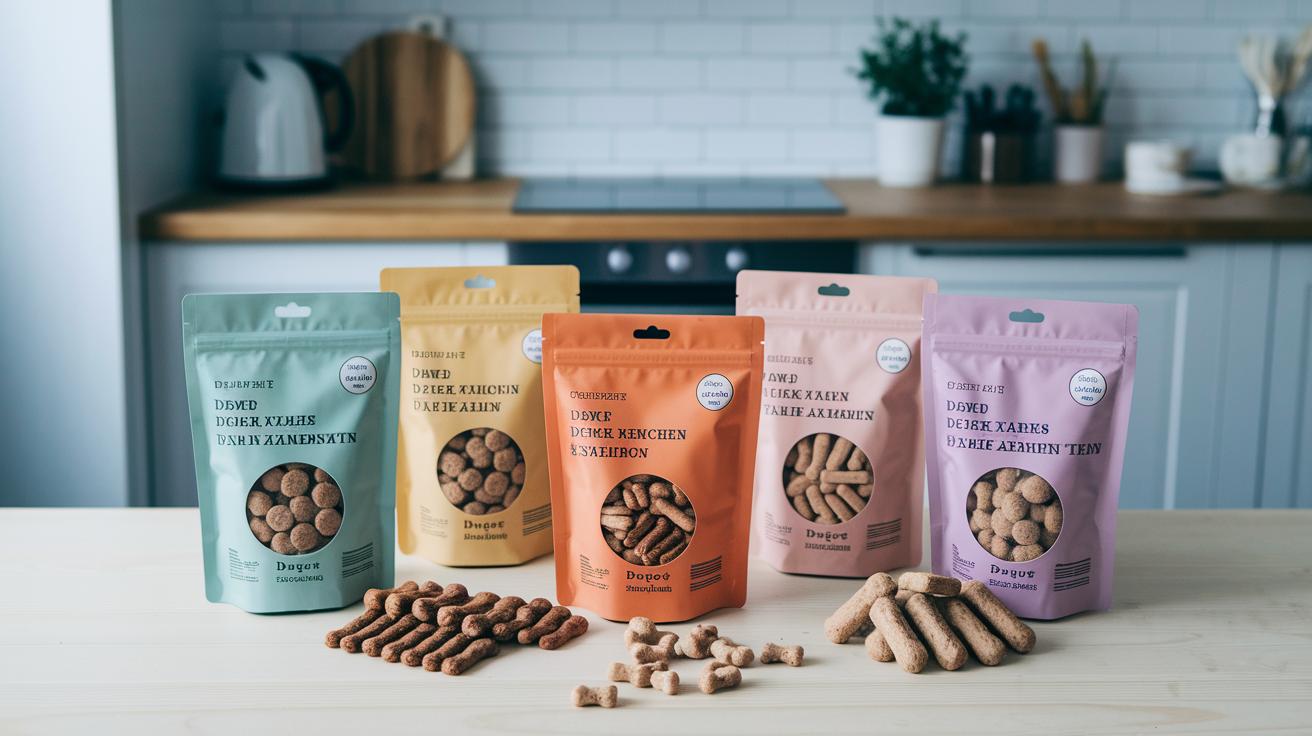
If your dog suffers from allergies, it helps to choose treats made with unique proteins or grain-free recipes. These formulas skip the common allergens found in regular snacks so your pet can enjoy tasty rewards without any unwanted reactions. Many brands now offer treats featuring alternative protein sources like duck or salmon along with simple, real food ingredients. Look for products that list healthy ingredients in order of importance to avoid hidden additives.
For treats meant for dogs with pancreatitis or diabetes, simple is best. These snacks need to be very low in fat (less than 3 percent) and carefully balanced for sugar so they help keep blood sugar steady. Many recipes add fiber-rich foods like pumpkin and green beans along with lean proteins. This way, diabetic dogs get the flavor they like without upsetting their strict diet.
When switching puppies or dogs with sensitive stomachs to adult treats, take it slow. Soft, low-calorie treats with gentle ingredients help young dogs adapt while supporting healthy growth. These rewards offer a tasty moment without harsh textures or extra fillers, making it easier for small mouths to chew and digest.
Incorporating Low Calorie Dog Treats into Training & Daily Feeding Plans

Cut big treats into smaller pieces so you can reward your dog more often while keeping treats to about 10% of their daily food. For instance, if you have a 4-kcal treat, slicing it into little parts means you can give your pet more rewards during training without overfeeding.
Try to plan training right before mealtime. This helps keep your dog hungry and makes sure those rewards don’t take the place of a full, balanced meal.
It’s important to watch your dog’s total calories. Use a simple log or an app to track both regular food and treats. This way, you help prevent extra weight gain and support positive changes through small, steady rewards.
Final Words
In the action, we examined low calorie dog treats and their role in weight control, ingredient quality, and vet-approved choices. We broke down the benefits of commercial options versus homemade recipes, including special diet treats for sensitive dogs. Small, nutritious bites are easy to fold into training sessions and daily meals while keeping your pet happy and healthy.
The guide shows that with a bit of planning, low calorie dog treats help maintain your dog's ideal weight without sacrificing taste or fun.
FAQ
What are low calorie dog treats and can they be homemade?
Low calorie dog treats are snacks with fewer calories that help manage your dog’s weight. They can be homemade using simple ingredients like pumpkin, oats, and lean proteins or bought from stores.
How do low calorie treats support weight loss in dogs?
Low calorie treats support weight loss by keeping extra calorie intake to a minimum. They allow frequent rewards during training while ensuring your dog stays within the healthy 10% daily treat limit.
How can low calorie treats be used effectively for training?
Low calorie treats work well for training because they offer bite-sized rewards that reinforce good behavior. Their small size lets you provide many repetitions without overloading your dog’s daily calorie intake.
Can low calorie treats be made from vegetables or human food ingredients?
Low calorie treats can be made with everyday vegetables like pumpkin and carrots. These ingredients, when properly portioned, offer a healthy and safe way to reward your dog without added excess calories.
What is the lowest calorie treat for dogs, and what are some healthy options?
The lowest calorie treats can be as little as 1–2 calories each, with options like Pupford Train treats. Vet-approved choices usually highlight lean proteins and natural ingredients to maintain health and weight control.
Are there low calorie treat options suitable for both small and large dogs?
Low calorie treats are produced in various sizes to meet the needs of both small and large dogs. Brands often offer bite sizes that allow proper portion control while delivering a healthy reward.
How do low calorie treats benefit dogs with allergies or sensitive stomachs?
Low calorie treats designed for sensitive dogs use hypoallergenic, often grain-free ingredients with very low fat. These treats help minimize digestive issues while still offering a safe, enjoyable reward.