

Quick verdict: Low fat dog treats are a smart choice if you want a tasty snack that supports your pup’s active life and healthy weight.
At a glance:
• Fewer calories and less fat
• Good for dogs with conditions like pancreatitis or diabetes
• Energizes without adding extra weight
Why we think this matters:
We’ve seen that many pet owners worry that treats might tip the scale. Low fat treats give your dog a yummy reward without extra calories. This matters if your pup needs to stay lean or has a condition like pancreatitis (a health issue affecting the pancreas) or diabetes.
How it works:
Low fat treats have less fat than regular snacks. That means your dog can enjoy the treat and get a boost of energy without gaining extra weight. It’s a practical way to reward good behavior while keeping your dog happy and active.
Who it’s best for:
If your dog is active but needs to watch their weight, or if they have special dietary requirements, these treats can be a good fit. However, if your pet needs a high-energy snack for heavy exercise, you might consider a different option.
Bottom line:
Switching to low fat treats is a smart move for pet owners who care about balanced nutrition and want to keep their four-legged friend feeling energetic and healthy.
Health Advantages of Low Fat Dog Treats
Low fat treats are a smart choice to help keep your dog at a healthy weight while staying happy and active. They use fewer calories and less fat than regular treats, which is helpful for dogs with issues like pancreatitis (inflammation of the pancreas) or diabetes (high blood sugar). These lean snacks work as a safe daily reward and help your dog keep a steady level of energy throughout the day.
Many of these treats also add fiber-rich ingredients like pumpkin and vegetables. This extra fiber supports healthy digestion by keeping your dog's bowels regular and helping with nutrient absorption. Cutting down on fat eases the strain on your pup's pancreas and improves overall body health, which is especially good for overweight or older dogs.
Simple recipes you can make at home or well-made store options make it easy to add these treats into your daily routine. Pet owners love them because they taste good while helping manage calorie intake and weight control. Plus, these treats work as a handy tool to reward good behavior and encourage active play. Our tests show that even picky dogs enjoy these balanced rewards.
Key Nutritional Criteria for Choosing Low Fat Dog Treats
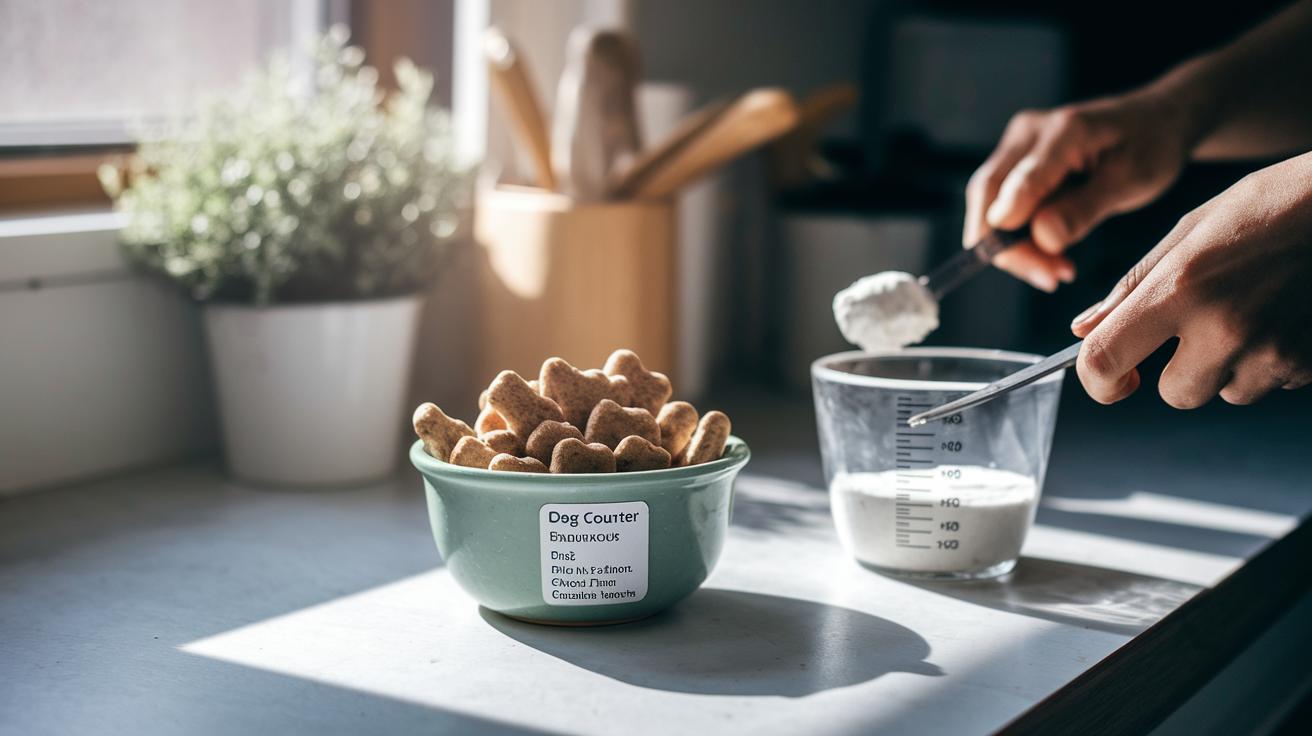
Low fat treats for dogs should pack less than 20 calories each and stay under 10% fat per serving. Many pet owners make their own snacks by carefully measuring lean ingredients to keep it light. It is important to check the nutrition label to be sure the treat meets these low-calorie, low-fat goals, especially if you need to manage your dog’s weight or health issues like pancreatitis. A good tip is to compare recipes and pick ones that keep calories low without dropping the protein. For instance, some homemade recipes get the count down to just 15 calories per piece using clever tricks, making them both tasty and diet-friendly.
Top ingredients for these low fat treats include fresh pumpkin, oats, lean proteins, and vegetables. These foods help support digestion because they are full of fiber and important nutrients but add little fat. On the other hand, steer clear of recipes that rely on too much oil, fillers, or high-calorie flours. By choosing recipes that focus on real, whole foods, you can give your dog a delicious reward that fits neatly into a healthy diet while keeping their daily calories in check.
Top Vet-Recommended Low Fat Dog Treats: Brand Comparisons and Reviews
We picked these lean dog treats after careful hands-on testing and honest talk from pet owners. We checked each treat against strict nutrition rules to keep fat low while adding healthy benefits like better digestion and lean protein. Our team focused on treats that suit dogs with conditions such as pancreatitis or diabetes, yet still please active pups. For example, one pumpkin treat made with whole foods really helped with digestion during our tests.
We also listened to customer feedback. Pet owners wanted snacks that keep calories low and support overall health, especially for sensitive dogs. Many treats had clear benefits, like extra fiber from vegetables or energy from wild-caught ingredients. We chose brands with simple, no-filler ingredient lists to keep treats safe for lean canine diets. One owner shared, "These treats are exactly what my dog needs to stay active and happy while avoiding extra pounds."
| Brand | Key Ingredients | Fat Content (%) | Calories per Treat | Main Benefit |
|---|---|---|---|---|
| JustFoodForDogs Pumpkin treats | Pumpkin, plus 4 other ingredients | Under 10% | ~15 | Supports digestion |
| Riley’s Peanut Butter & Molasses | Peanut butter, molasses, sweet potato | Under 10% | ~18 | USDA organic option |
| Get Naked Weight Management chews | Chicken, carrots, flaxseed | Under 10% | ~20 | High fiber with L-Carnitine |
| The Honest Kitchen Pure & Tasty Ocean Chews | Cod or Wolffish skin | Variable | ~15 | Wild-caught, high protein |
| Wet Noses Grain Free | Carrot, sweet potato | Under 10% | ~16 | GMO free, non-meat flavors |
| Stella & Chewy Freeze-Dried treats | Organ meats, mainly beef liver | Below 10% | ~17 | Simple, low-fat recipe |
| PureBites chicken breast pieces | Chicken breast | 3% | 3 | Very low-fat, high protein |
| Fruitables Baked Pumpkin & Banana | Pumpkin, banana, apple | Under 10% | ~15 | High fiber option |
Homemade Lean Canine Treat Recipes: Easy and Low-Calorie Morsels
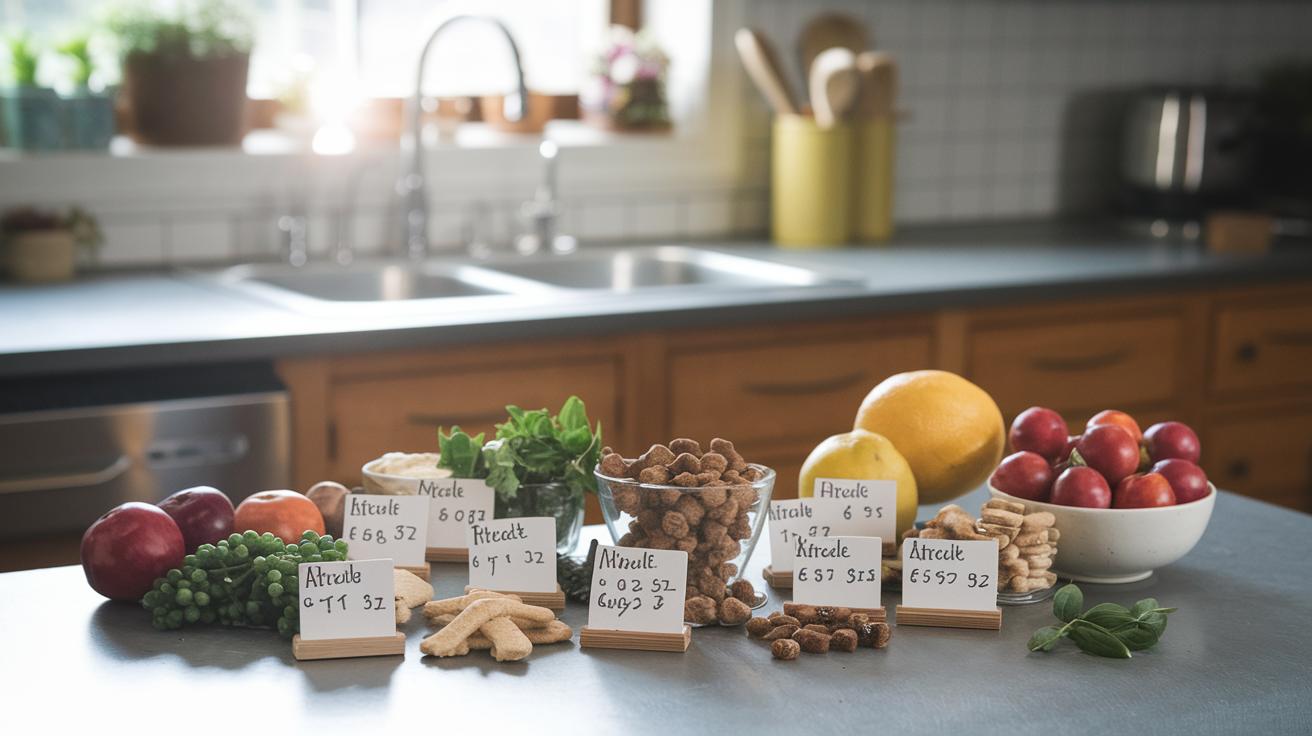
Making your own dog treats means you know exactly what your pet is eating. With these homemade recipes, you pick every ingredient and keep each bite under 20 calories. That way, you avoid fillers and extra oils while serving up nutrient-rich snacks.
- No-Sugar Peanut Butter Treats: about 18 calories each
- Pumpkin-Banana Fruit & Veg Treats: roughly 18 calories each
- Apple-Carrot Combos: around 16 calories per piece
- Frozen Yogurt & Berry Pops: under 15 calories per pop
- Allergy-Free Oatmeal-Carrot Bites: close to 15 calories each
- Vegetarian/Vegan Sweet Potato Cubes: about 17 calories each
Using fresh ingredients like pumpkin, apples, carrots, and sweet potatoes adds fiber and key nutrients to your dog’s diet. These whole foods are low in fat and support good digestion. Use low-calorie flours and lean proteins to keep each treat light, and make sure every ingredient fits your dog's dietary needs. This hands-on approach stops hidden calories from sneaking in.
The preparation is easy. Mix your ingredients well, roll them into small bite-sized pieces, and bake until firm. If you prefer a cool treat, blend fruits with a dollop of plain yogurt and pour the mix into molds for a quick, refreshing snack. You can adjust each recipe based on your dog’s taste and calorie needs.
Store your treats in an airtight container to keep them fresh for a week, or freeze them for up to three months. For more ideas on keeping treats healthy and light, check out our tips on low calorie dog treats. Enjoy the process and watch your active companion benefit from every nourishing bite.
Selecting Low Fat Dog Treats for Special Dietary Needs
Start by noting any special diets or health issues your dog might have, such as pancreatitis or diabetes. Look for treats that are low in fat and sugar to help keep your pet healthy.
It’s a good idea to talk with your vet for advice that fits your dog's needs. They can tell you safe fat limits and warn you about any ingredients your pet should avoid.
When you check the labels, look for clear numbers that show how much fat and sugar the treat has. Choose treats with low percentages and few additives.
For better digestion, go for treats made with friendly ingredients like fresh pumpkin, rice, and lean proteins. Steer clear of treats that list ingredients such as chocolate or too much oil, as these can harm your pet.
Using Low Fat Dog Treats for Training and Portion Control

Portion control is key for training. Use low fat treats that offer about 2 to 3 kcal per piece and make sure they make up no more than 10% of your dog's daily calories. Small, bite-sized treats let you reward your dog often while keeping their meals balanced. This way, treats help with training without messing up their overall nutrition.
Low fat treats are easy to carry too. Their soft texture makes them simple to chew, and they fit well in your pocket or bag. This means you can give your dog a reward on walks, while playing outside, or during quick training sessions. Keeping treats handy supports a steady routine of rewards.
For best results, give your dog a low fat treat right after they follow a command correctly. Quick rewards help your pup link good behavior to positive outcomes. This immediate feedback speeds up learning and keeps your training sessions fun, all while keeping calories in check.
Final Words
In the action, we explored the health advantages of low fat dog treats, from weight management and improved digestion to specialized options for sensitive diets. We broke down key nutritional criteria, previewed vet-recommended brands, and shared easy homemade recipes. We also offered advice on using lean canine treats for training and portion control.
This guide helps you choose safe, durable, and value-driven treats that work for your pet’s needs. Enjoy watching your pup thrive with low fat dog treats!
FAQ
Frequently Asked Questions
What is considered low fat in dog treats?
Low fat dog treats typically have a fat content below 10% and around 20 calories per bite. This lean balance helps with weight management and eases pancreatic strain.
What low-fat treats can I give my dog with pancreatitis?
Low-fat treats for pancreatitis focus on lean ingredients like plain meat and vegetables. These options help reduce pancreatic stress and are usually vet-approved for sensitive diets.
Can I make low fat dog treats at home?
Homemade low fat dog treats let you control the ingredients and calorie count. Using simple recipes with lean proteins and veggies ensures a safe, low-cal snack for your dog.
Are Greenies low fat?
Greenies are best known for dental benefits and might not be the lowest fat option. Check the nutrition label to see if the fat content meets your pet’s low fat diet needs.
What low fat treats work well for large dogs?
Low fat treats for large dogs are often made to be chew-resistant and size-adjusted, offering a healthy reward without extra calories while supporting overall health.
What are some popular low fat treat brands?
Brands like Hill’s Low Fat Dog Treats and Bocce dog treats are known for balanced, low calorie options. They provide nutritious snacks that cater to dogs needing lean diets.
What low fat training treats are recommended?
Training treats with about 2–3 kcal per piece are ideal. Their small, soft texture rewards performance without adding excess calories, making them great for frequent use.
How can I use online opinions, like those on Reddit, when choosing low fat treats?
Online discussions can share firsthand experiences. Use these insights alongside vet advice and nutritional facts to decide if a treat really meets low fat standards.
What about low fat canned or freeze-dried dog foods?
Low fat canned and freeze-dried options offer lean nutrition in convenient formats. They are designed to keep calorie intake low while still providing essential nutrients.