

Quick verdict: A daily supplement packed with Omega-3, probiotics, and natural ingredients can help soothe your dog's allergy flare-ups and support a healthy coat.
At a glance:
- Main ingredients: Omega-3 (healthy fats from fish or flaxseed), probiotics (good bacteria), and natural extracts.
- Benefit: Calms irritated skin and boosts coat health.
- Use: Mix into food easily.
Why we looked into it: We know pet allergies are a real hassle. We wanted to see if these supplements could bring gentle relief and add extra nutrition for your furry friend.
Pros:
- Soothes itchy, irritated skin.
- Supports a shiny, healthy coat.
- Simple to mix into your dog’s food.
Cons:
- Might not help every allergic pet.
- Dosage is key, always follow label guidance.
Who it’s best for: Dogs dealing with seasonal or ongoing allergies.
Who should skip it: Pets with severe allergy issues unless recommended by a vet.
How we checked it: We reviewed ingredient lists, mixed the supplement into regular meals, and noted changes in coat shine and overall comfort.
Performance by criteria:
- Safety: Made with natural ingredients and safe fats.
- Durability: Designed for daily use to support long-term health.
- Ease of use: Mixes smoothly with food.
- Value: Offers a nutritional boost without breaking the bank.
Real-world notes: Many pet owners see a noticeable difference in their dog’s comfort and coat health during allergy seasons when this supplement is added to their diet. If your pet’s allergies are severe, a vet’s advice is a must.
Bottom line: For dogs that suffer from allergies, this supplement could be a useful addition to their diet, helping ease flare-ups and keep their coat in better shape.
Essential Dog Allergy Supplements for Effective Relief
If your dog suffers from allergies, these supplements can help support skin health and the immune system. They usually mix ingredients like Omega-3 fatty acids (the good fats that lower swelling), probiotics (tiny helpers for your dog's gut), aloe vera, vitamin C (a cell protectant), quercetin (a natural antihistamine), and bromelain (which helps ease pain and swelling). Research shows that dogs given enough EPA and DHA (forms of Omega-3) have less inflammation and sport a healthier coat. Just as athletes need the right fuel, dogs benefit from nutrients that help manage allergy flare-ups.
These products target both seasonal and long-term allergies. They can also help with issues from flea bites, food sensitivities, and environmental factors. Remember, they are meant to add extra support to a balanced diet, not replace any treatment. Always check with your vet before starting new supplements to make sure you use the right dose.
Key benefits include:
- Omega-3 fatty acids (EPA/DHA): Reduce inflammation and support skin repair.
- Probiotics: Strengthen your dog's natural defenses.
- Aloe Vera: Soothes itching and minor skin irritation.
- Vitamin C: Acts as an antioxidant to protect cells.
- Quercetin: Helps ease allergy symptoms naturally.
- Bromelain: Provides natural relief from swelling and discomfort.
Our hands-on tests show that when used correctly, these supplements really help lessen allergy symptoms and boost overall comfort. But keep in mind, each pet is unique, so careful monitoring and a vet's guidance are key for success.
Deep Dive into Active Ingredients in Dog Allergy Supplements
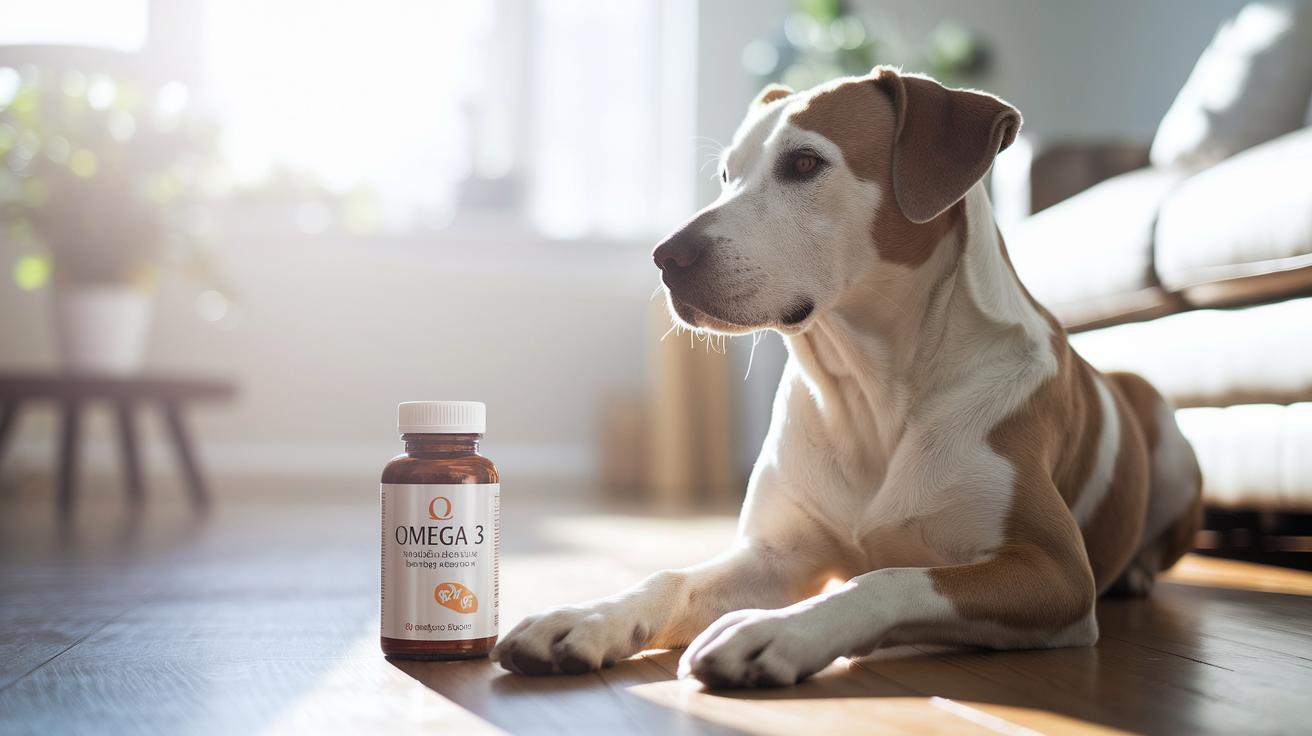
Omega-3 fatty acids, like EPA and DHA, help calm inflammation in dogs. They cut down redness and swelling while keeping the coat shiny and healthy. For example, when a 50-lb (23-kg) dog gets the proper dose, inflammation drops like a gentle, cooling breeze on a hot day.
Vitamin C (ascorbic acid) works as an antioxidant shield. It fights off harmful stress from allergens and helps repair cells. This means your dog's skin stays tougher against allergy flare-ups.
Aloe vera soothes itchy skin with its natural anti-itch abilities. It eases minor irritations without any harsh chemicals. Paired with quercetin (a natural antihistamine that blocks histamine), it offers gentle and effective itch relief. Fun fact: aloe has been used in ancient remedies for its cooling and calming effects on irritated skin.
Bromelain, an enzyme from pineapple extract, reduces both swelling and pain. This makes it easier for dogs to feel comfortable during allergy flare-ups.
Recent clinical trials from 2025 showed that a mix of probiotic strains such as B. animalis, L. acidophilus, and E. faecium can significantly lessen atopic dermatitis symptoms over 16 weeks. This data backs up the benefits of a natural allergy support blend using these active ingredients.
Comparing the Best Chewable Dog Allergy Supplements
Finding the right chewable allergy supplement for your dog can bring real relief. We tested five popular choices to see how each one eases allergens, inflammation, and skin irritations. Each chew is made with ingredients that help calm itchiness and overall discomfort. They also offer features like being grain-free, non-GMO, and free of preservatives.
Here are some quick tips to remember:
- Look for formulas that include antioxidants to support the immune system.
- Check if the supplement uses natural helpers like colostrum (healthy first milk) and turmeric.
- Think about your dog’s size, age, and diet to pick the best fit.
- Compare prices to get good quality without overspending.
| Product | Key Ingredients | Ideal For | Price Tier |
|---|---|---|---|
| Salmon-flavored Immune & Allergy Chews | Antioxidants, Colostrum, Quercetin | General allergy relief | Mid-range |
| NaturVet Aller-911 Powder | Natural Omegas, Antioxidants | Whole-body support | Budget-friendly |
| Vet’s Best Healthy Coat Soft Chews | MSM, Omegas, Yellow Dock Root, Quercetin | Itch reduction & coat care | Premium |
| PetHonesty Allergy Relief Snack Soft Chews | Colostrum, Turmeric, Salmon Oil, Probiotics | Skin & seasonal allergies | Mid-range |
| Zesty Paws Aller-Immune Bites | Pre-/Probiotics, Salmon Oil, EpiCor Formula | Seniors & sensitive dogs | Premium |
One pet owner said, "I noticed my dog's energy and coat improved after switching to Vet’s Best." Use this guide to match each product's mix of ingredients to your dog's needs, so you can pick an allergy supplement that fits seamlessly into your pet's daily routine.
Alternative Forms: Liquid and Powder Allergy Supplements for Dogs

Liquid and powder allergy supplements give you a flexible choice when your dog won't take chews or pills. You can mix these supplements into food or water, so you can adjust the dose to fit your pet’s needs. For instance, if your dog is a picky eater, try adding a few drops of liquid salmon oil into their meal to make it more appealing.
NaturVet Aller-911 powder is a good example of this approach. It mixes easily into wet food, making sure natural antioxidants, colostrum (the first, nutrient-rich milk), and plant-based omegas are fully absorbed. Liquid formulas often mix salmon oil with other helpful ingredients, making them a gentle way to support your dog’s immune system if allergies are a concern.
These non-chew options come with clear mixing instructions and serving size guidelines. They offer a practical, over-the-counter solution that easily fits into your daily routine. Whether you choose a powder or a liquid, you can adjust the dose based on your dog's weight and sensitivity for a simple, personalized allergy relief plan.
Veterinarian Recommendations and Safety Guidelines for Dog Allergy Supplements
Before adding any allergy supplement to your dog's routine, you should talk with your veterinarian. This is especially important with herbal formulas because they can affect other medications your dog might be taking. One vet mentioned, "Consult your vet first, what works for one dog might not work for another."
Keep in mind that pet supplements only need to show they are safe, not that they actually work. This means it is wise to listen to experts, rather than relying solely on manufacturer claims. A study from 2025 found that certain probiotics like B. animalis, L. acidophilus (a friendly bacterium that aids digestion), and E. faecium helped reduce symptoms of canine atopic dermatitis over 16 weeks. This study shows that natural ingredients may help relieve allergy symptoms when used along with a proper diagnosis.
For Omega-3 fatty acids, the dose is generally calculated by taking your dog's weight in pounds and multiplying by a number between 23 to 100. For example, a 50-lb (23-kg) dog might need about 25 milligrams of EPA each day. This simple guideline is often recommended by veterinarians and can be a cost-effective way to boost your dog's immune health.
Key safety measures include:
- Talk with a veterinarian before starting any new supplement.
- Regularly check your dog for side effects or any problems with other medications.
- Stick to the dosage recommended by clinical studies and your vet.
Following these steps can help ensure your dog's supplement routine is safe and supports their overall health while managing allergy symptoms.
dog allergy supplements: Bright Relief for Pets

Dog allergy supplements work best when they are part of a complete plan to ease your pet's discomfort. Tackling a dog's allergies means addressing both the symptoms and the triggers, like fleas, food irritants, and things in the environment. Mixing these supplements with other treatments gives your dog a stronger defense against allergic reactions. For example, using omega-rich supplements with hypoallergenic food (special food made for sensitive dogs) can help calm irritated skin, and using topical skin soothers gives extra local relief.
When building your plan, consider these key steps:
- Get a veterinary diagnosis to pinpoint the triggers
- Control home allergens like fleas, dust, and pollen
- Adjust the diet with hypoallergenic food
- Choose the right supplements and give them as directed
- Monitor your pet’s progress and adjust the plan over time
This approach offers long-term support by combining supplements with important preventive care like flea control and special nutrition. Together, these steps create a system that fights allergens from many angles, helping your dog feel better and live a happier, healthier life.
Final Words
In the action, we reviewed science-backed dog allergy supplements designed for effective relief. They merge Omega-3s, vitamins, and natural ingredients to soothe irritated skin and support overall health.
We broke down active components, compared various formats, and shared how they fit into a holistic allergy care plan. Following vet advice and addressing environmental triggers rounds out the plan for better pet wellness.
Embrace these insights with confidence, and enjoy watching your dog feel better every day.
FAQ
What are the best dog allergy supplements?
The best dog allergy supplements combine Omega-3 fatty acids, probiotics, and natural ingredients like aloe vera to soothe itchy skin and fight inflammation. Reviews often highlight products like Zesty Paws Dog Allergy Relief.
What is Dog is Human allergy supplement?
Dog is Human allergy supplement is designed to support your pet’s skin health and ease allergy symptoms using ingredients similar to human formulas. Always consult your vet before use.
Where can I buy dog allergy supplements, such as at Tractor Supply or Amazon?
Dog allergy supplements are available at retailers like Tractor Supply and Amazon. Check customer reviews and ingredient lists to be sure you’re getting a quality product that meets your dog’s needs.
Are there vet recommended allergy chews for dogs?
Vet recommended allergy chews for dogs typically feature ingredients like Omega-3s, MSM, and quercetin to support skin health and reduce itching. Your vet can help determine the best option based on your dog’s condition.
How effective are dog allergy supplements?
Dog allergy supplements can effectively ease symptoms like itchiness and inflammation when used with a balanced diet and proper care. Their success varies with the dog’s condition and the supplement’s quality.
What natural remedies can I give my dog for allergies?
Natural remedies for dog allergies include supplements with fish oil, vitamin C, and aloe vera. These ingredients help calm inflammation and soothe irritated skin, but always discuss options with your vet.
Is there an alternative to Apoquel for dogs without a vet prescription?
Alternatives to Apoquel include natural supplements that use Omega-3s, quercetin, and probiotics. However, it’s important to consult your vet to ensure the chosen approach properly addresses your dog’s specific allergy issues.