

Quick verdict: A pet microchip is not a live tracker. It holds a unique number linked to your contact info and proves your pet is yours after they are found.
A microchip is a small, low-cost device that stores a special ID (a unique number) but does not update you on your pet’s whereabouts like a collar tracker would. Instead, when a lost pet is brought to a vet or shelter, the microchip is scanned to reveal your details.
Since nearly one in three pets gets lost, knowing this difference can help you decide if you need a collar tracker for live updates or a microchip for proof of ownership.
do pet microchips have gps: A smart solution
Pet microchips do not offer live tracking. They are small RFID devices (radio frequency identification) that a vet implants under your pet’s skin. They only store a unique number that links back to your contact details. A special scanner at a vet or shelter is needed to read this number.
Research shows that about one in three pets get lost during their lives. This means nearly 10 million pets go missing each year. Even though this statistic is concerning, the microchip's job is simply to confirm pet identity. When a lost pet is found, a quick scan with an ISO-certified scanner reveals the pet’s unique number, which connects to the owner’s record.
In contrast, collar-based GPS trackers use cellular or radio signals to send live location data. While a microchip is a reliable, low-cost way to prove ownership once a pet is recovered, it does not provide real-time tracking. If you need instant location updates, a collar tracker is the better option.
Embedded Tracker Technology Behind Pet Microchips
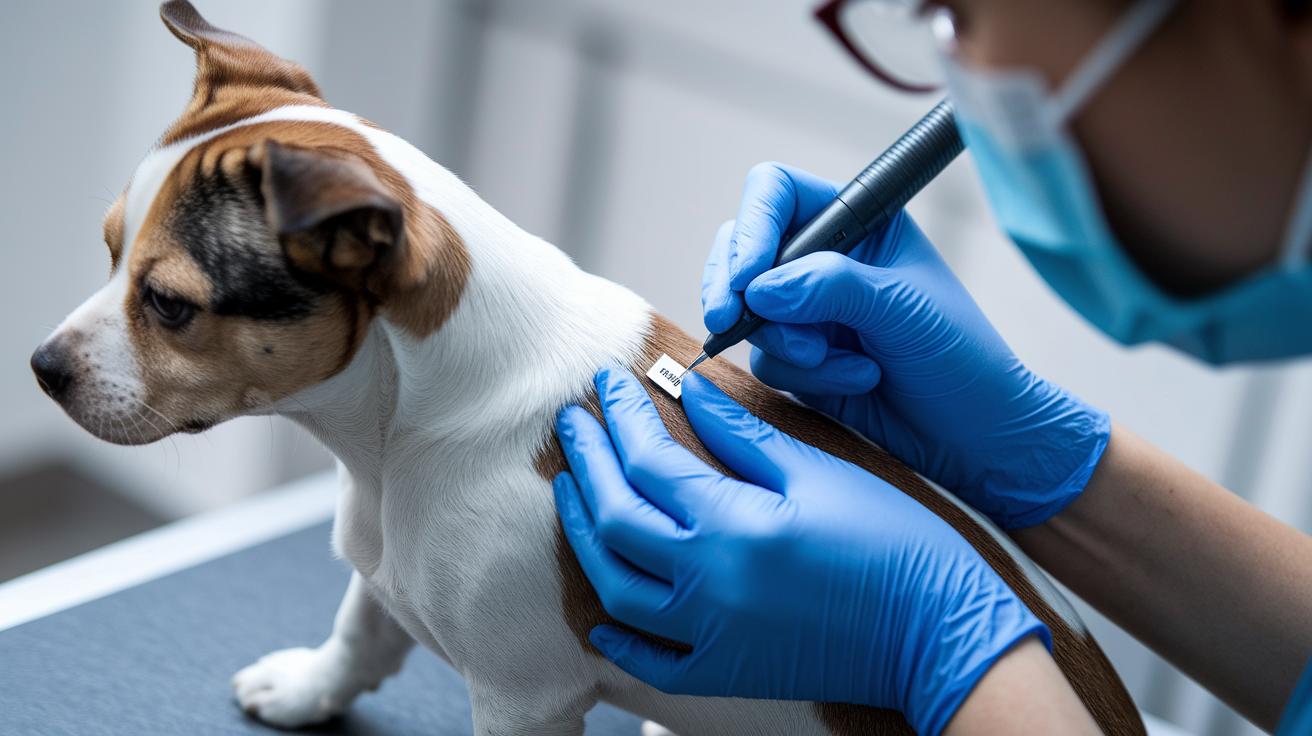
Pet microchips are tiny chips that help identify your pet if they get lost. Vets implant these chips under your pet's skin, usually between the shoulder blades. They measure about 11–14 mm long and 2–2.3 mm thick (roughly the size of a grain of rice) and weigh around 0.025 g.
When an ISO-compliant scanner is used, it sends low-frequency radio waves that give the chip a quick burst of power. The chip then sends back a unique ID, like "1234567890," which links your pet to its owner. Since the chip gets power from the scanner rather than from a battery, it lasts throughout your pet's life.
These chips are designed only for identification. They do not offer real-time GPS tracking but provide a simple and reliable way to help reunite you with your pet if they wander off.
Tracking Limitations of Pet Microchips
Microchips are great for proving your pet's identity, but they won't help you track your pet in real time.
• They never send live location signals. For example, you won't see your pet's whereabouts as they move.
• They only work when a scanner is very close. In practice, you need to be just inches away to read the chip.
• They don't have their own power. The chip runs only when a scanner's radio waves trigger it.
• They don't keep any history of where your pet has been. There is no record of past locations.
• They require an ISO-certified scanner. Only scanners that meet international standards reliably read the chip's ID.
Comparison of Pet Microchips and GPS Tracking Methods
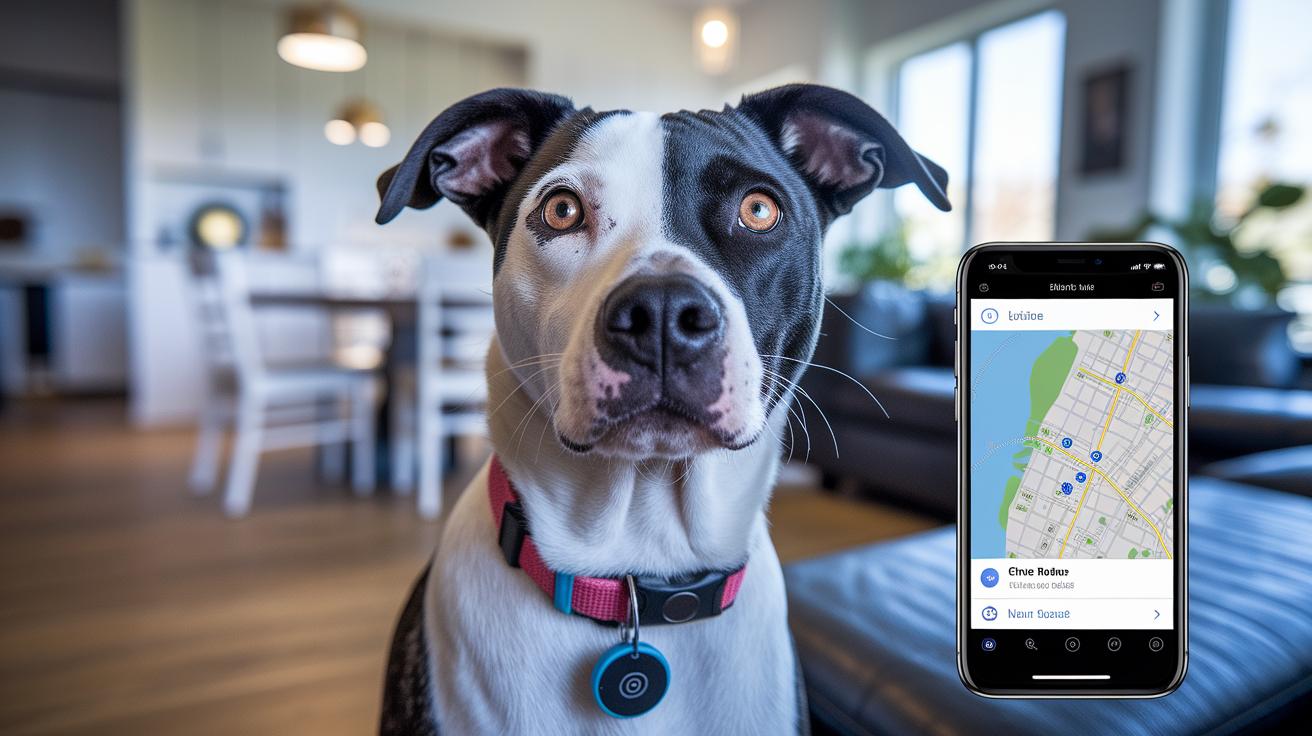
Pet microchips and GPS trackers both help keep your pet safe, but they work in very different ways. A pet microchip is a tiny implant (a small radio-frequency device) about the size of a grain of rice that shows a unique ID when scanned close up. It is passive, so it does not send any live location information.
In contrast, a GPS tracker clicks onto your pet’s collar and sends live location updates using cellular or radio signals. You can see your pet's exact location in real time on your phone using an app. Unlike microchips, GPS trackers need a battery and often require a monthly subscription fee.
GPS trackers have improved with the use of cellular networks to give constant updates. Some older models use radio signals and a handheld receiver. For example, one popular tracker measures 71 x 29 x 17 mm (2.8 x 1.1 x 0.67 in) and weighs 39 g (1.38 oz), making it a good fit for dogs weighing at least 4 kg (8.8 lbs). Microchips, on the other hand, are permanently implanted by a vet, need no power, and are used only for pet identification at a shelter or clinic.
| Feature | Pet Microchip | GPS Tracker |
|---|---|---|
| Identification | Unique ID only | Unique ID plus real-time updates |
| Tracking | No | Yes |
| Device Size | About the size of a rice grain | 71 x 29 x 17 mm |
| Power | Passive (no battery needed) | Battery powered |
| Cost | One-time low cost | Device cost plus monthly fees |
Pet Recovery Strategy: Combining Microchips with Live Trackers
Keep your pet safe by using two methods together. A microchip gives your pet a lifetime ID, while a GPS collar shows you where they are in real time. This combination fills the gap between a static identifier and active location tracking, so you can quickly find your pet if they wander off.
Here’s how to boost your pet recovery plan:
- Make sure your chip info is current: Always check that your pet’s microchip carries up-to-date owner details. Update your address right away if you move.
- Choose a GPS collar with cellular coverage: Pick a collar that uses cell networks. This way, you get live updates wherever you are within network reach.
- Set safe zone alerts: Use the tracking app to create “safe zones” for your pet. You’ll get an alert if your pet crosses those boundaries.
- Test your devices often: Regularly check both the microchip scanner and the GPS tracker app to be sure they work well before heading out with your pet.
Using this two-step safety approach means you have a solid safety net. The microchip keeps a permanent ID on your pet, and the GPS tracker offers live updates so you can act fast when needed.
Safety and Standards for Pet Microchip Implants

Pet microchips come in a small glass capsule that is safe for your pet's body (biocompatible means it works with body tissues). Vets place the chip with a clean syringe, and most pets heal in less than a week.
Chip makers and regulators follow ISO 11784 and 11785 standards (rules that ensure a chip works with scanners all over the world). This means shelters and clinics can quickly check your pet's unique ID.
The chip does not have a battery or any parts that stick out. This simple design lowers the chance of infection compared to other implants. In fact, problems like the chip moving from its original spot happen in only about 0.5% of cases.
These safety steps and strict rules give pet owners peace of mind. You know that the chip not only helps find your pet but also is a safe long-term implant.
Final Words
In the action, we explored how pet microchips work and their design as passive ID tools. We looked at the chip’s size and safety features while highlighting its limitations in live tracking. We compared microchips with collar-based GPS devices and suggested pairing the two to boost recovery odds. This guide helps clear up the answer to do pet microchips have gps, ensuring you know what each option brings. Smart choices mean better safety for your pet and more confident decisions every day.
FAQ
Do pet microchips have GPS tracking capabilities?
The pet microchips do not include GPS tracking. They store a unique ID and require a scanner to read, meaning they cannot provide live location info for dogs, cats, or other pets.
What is the best dog or cat GPS tracker chip implant?
The idea of a best GPS tracker chip implant is misleading. Standard microchips only store an ID and require scanning, while collar-based GPS trackers offer real-time location through cellular or radio signals.
What happens if someone steals a microchipped dog?
A microchipped dog still carries its unique ID even if stolen. This ID helps shelters or vets identify the pet, but the chip does not send any live tracking data to the owner.
Can you track an animal that has a chip?
An animal with a microchip cannot be tracked live. Recovery depends on manually scanning the chip using an ISO-certified scanner to read the pet’s unique identification number.
Why don’t pet microchips have built-in trackers?
Pet microchips lack built-in trackers because they are designed as passive RFID devices. Their small size and absence of a battery prevent them from transmitting live location data.