

Ever wonder if your dog's snack can be both tasty and healthy? Dehydrated treats lock in natural proteins, vitamins, and minerals without using the extra chemicals found in many processed snacks. In this post, we explain how these treats pack a concentrated nutritional punch in every bite. We lay out the simple process behind them and show why they are a smart, tasty pick for training, travel, or everyday rewards, ensuring your best friend gets the natural goodness they deserve.
Why Dehydrated Dog Treats Are a Healthy Choice
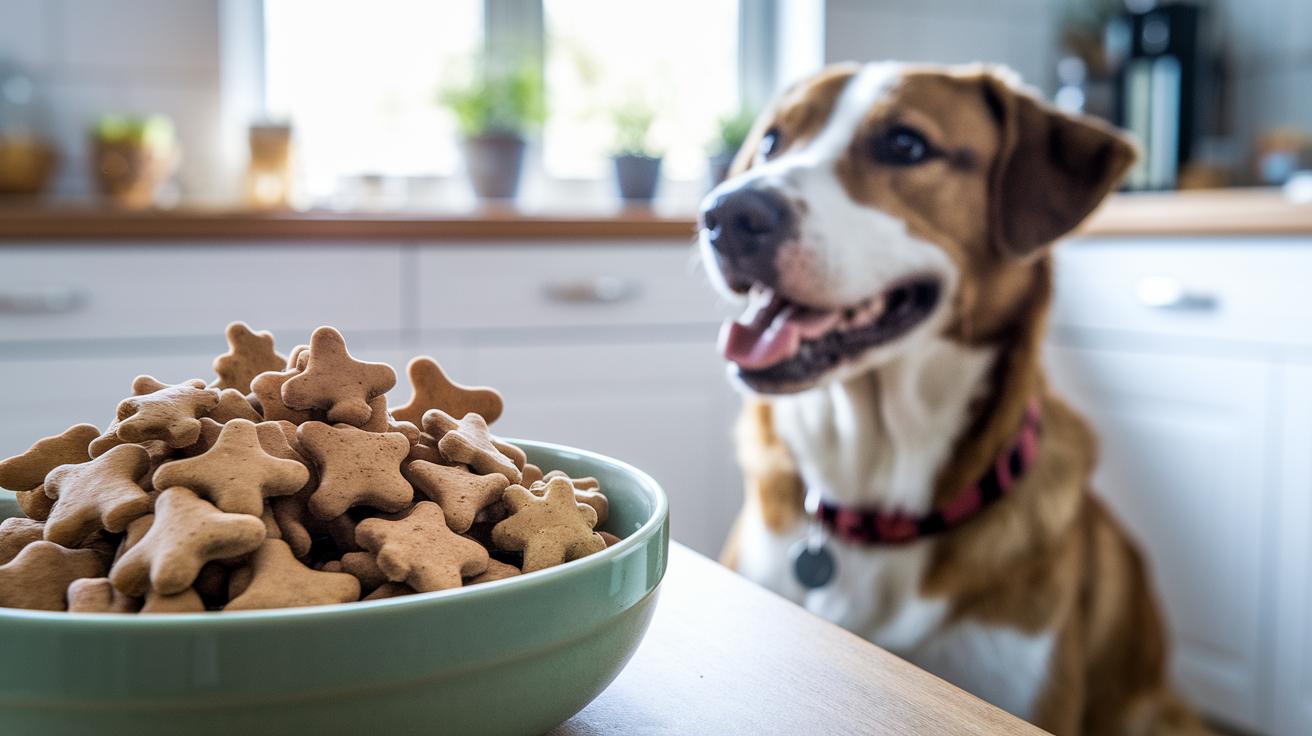
Quick verdict: Dehydrated dog treats are a simple, natural snack that locks in the good stuff without any extra chemicals. We found that the dehydration process (removing most of the water) keeps proteins, vitamins, and minerals safe while stopping harmful bacteria from growing.
At a glance, these treats pack a strong nutritional punch. The loss of water means every chew bursts with concentrated nutrients that help support your dog’s overall health during training, on trips, or just as an everyday snack.
Pros:
- Free from additives, so you know you are giving your pet only natural ingredients.
- Budget-friendly compared to many processed treats.
- Lightweight and easy to carry, making them perfect for on-the-go use.
- Long shelf life, so you don’t have to shop as often.
- Recipes can be adjusted to fit your dog’s personal taste.
The design of these air-dried treats preserves all the essential benefits of fresh food while keeping things safe and convenient. Whether you need an easy-to-pack treat for travel or a healthy option for a balanced diet, these snacks offer a smart choice for busy pet owners.
Essential Preparation Methods for Homemade Dehydrated Dog Treats
Using a Food Dehydrator
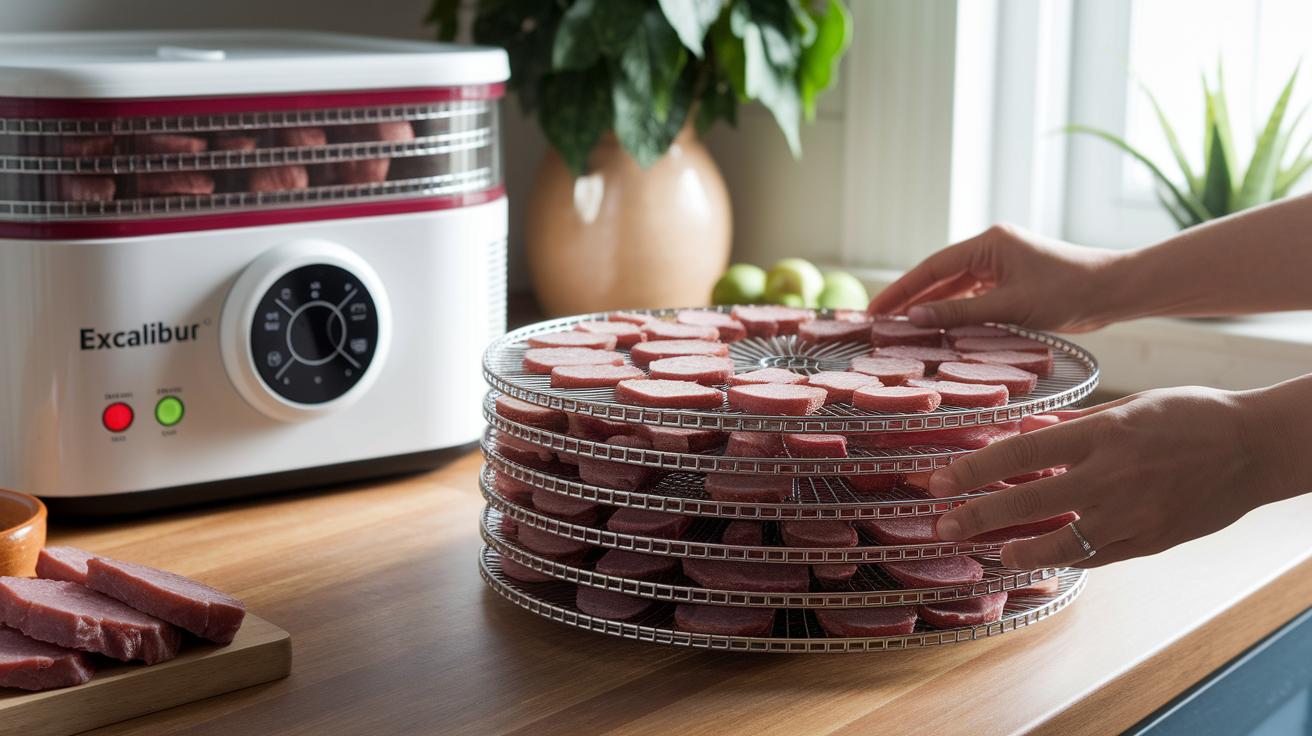
When you use a food dehydrator, make sure each treat is spaced out on the tray so air can flow easily among all the pieces. Set it to a gentle 150°F. This low heat helps keep the meat’s protein, vitamins, and minerals intact while drawing out most of the moisture. We found models like the Excalibur 3948CDB work great and budget options like the NESCO FD-75A do the trick too. Always clean your trays after every session to avoid any leftover bits that might foster bacteria. For example, when you’re making chicken jerky, lay out the slices in a single line to get even drying.
Oven-Drying at Low Temperatures
You can also dry your treats in an oven set between 120°F and 150°F. Place the treats on a wire rack so air lifts them up from the surface. To help moisture escape, prop the oven door open just a little bit, similar to leaving a window slightly cracked on a humid day. Smaller treats, like chicken strips, usually dry in 8 to 12 hours. Bigger pieces, such as bone pieces, can take up to 2 weeks. Use an oven thermometer to check the temperature so it does not get too hot. For instance, sweet potato slices need a steady, gentle heat to turn crunchy without burning.
Air Fryer and No-Dehydrator Alternatives
If you don’t have a dehydrator, try using an air fryer on a low setting of about 140°F for small batches. Keep in mind that you may only be able to do a few pieces at a time. Air frying works well for quick treats, like banana slices, but it is best for small-batch solutions when you need them in a hurry.
Top Ingredient Ideas and Dehydrated Dog Treat Recipes

Meat-Based Treats
If your dog loves meat, chicken jerky is a great pick. Cut the chicken into 1/4-inch thick pieces (about 0.6 cm) and dehydrate them at 150°F (65°C) for 8 to 12 hours until they become firm but still chewy. You can also make liver treats using chicken, beef, or lamb liver. Cut the liver into 1/4-inch slices and dry them for 6 to 8 hours. These treats offer a good source of protein and vitamins as long as you use fresh meat that has been trimmed of extra fat. Make sure your slices are even and let out as much moisture as possible so bacteria can’t grow. And please, never use raw bones or undercooked pieces, as they can be a choking hazard.
Veggie & Fruit Chews
For a lighter, nutrient-rich option, try making sweet potato chews. Slice the sweet potato into pieces between 1/8 and 3/8 inch thick. For extra flavor, you might soak the slices in coconut oil briefly before drying. Banana slices cut to the same thickness add a touch of natural sweetness that many dogs love. You can also include green beans, which are crunchy and vitamin-packed, or add pumpkin slices for extra fiber. Check out a sweet potato dog treats recipe if you need a step-by-step guide on how to get the right texture.
Novel & Seasonal Flavors
Mix up your dog’s snack time with treats that change with the seasons. Pumpkin and cranberry treats are a fun, autumn-inspired option that remains healthy. Another idea is to make salmon-flavored morsels, which are rich in Omega-3 fatty acids to help keep your dog’s coat shiny. Just be sure to steer clear of high-mercury fish and raw bones. These recipes let you tailor treats to what’s in season and what your pet enjoys, keeping snack time both nutritious and exciting.
Equipment Breakdown: Selecting the Best Dehydrator and Alternatives for Dehydrated Dog Treats

When you're picking a way to dry dog treats, it's important to match the method to your needs. We looked at top options, ranging from fancy dehydrators to simple oven and air fryer setups.
High-end machines like the Excalibur 3948CDB let you control the temperature well and come with nine trays to make more treats at once. If you make treats regularly and want steady, reliable results, this is a smart choice. It costs around $280, but many pet owners find the consistent performance worth it.
For those on a tight budget, the NESCO FD-75A is a solid pick. It has four or five trays and costs about $50. It meets basic drying needs well, though it doesn't offer as precise temperature control or as much capacity as the high-end model. If you only dry small batches now and then, this option works great.
You can also dry treats in your oven or air fryer if you already have them. Ovens let you work with as much capacity as you need but require extra attention and use more energy. Air fryers work best for quick, small batches around 140°F and offer good flexibility without a big investment.
| Equipment | Pros | Cons | Approx. Cost | Capacity (Trays) |
|---|---|---|---|---|
| Excalibur 3948CDB | Precise temperature control, lots of trays, consistent results | Higher cost | $280 | 9 |
| NESCO FD-75A | Budget-friendly, meets basic needs | Lower capacity, less precision | $50 | 4-5 |
| Oven/Air Fryer Alternative | Flexible, uses what you already own | More energy use in an oven, limited size in an air fryer | Varies | Varies |
Each option fits different budgets, needs, and treat volumes. You can choose the method that works best for your kitchen and your pet's treat routine.
Safe Storage and Shelf Life Tips for Dehydrated Dog Treats

Dehydrated dog treats are safe and full of nutrients because they have very little moisture. To keep them fresh, store them right. For example, place your treats in airtight or vacuum-sealed bags with oxygen absorbers (small packets that suck up air). Glass jars and resealable packages also work well since they block out extra humidity. Keep your treats in a cool, dry place away from direct sunlight, much like a treasured vintage snack. This careful care helps preserve both the taste and the nutrition of every bite.
When you package homemade treats, choose containers that match how many treats you make and how often you use them. Vacuum-sealed bags work great because they keep oxygen away and lock in freshness. Avoid warm or damp spots because those can speed up spoilage even with low moisture contents. Resealable packaging adds an extra layer of protection and makes it easy to grab a quick snack when you’re busy. Stick to these tips to ensure your dehydrated treats always remain tasty and safe, giving your pup a healthy and happy snack time.
Buying Guide: Top Commercial Natural Dehydrated Dog Treats

Quick verdict: If you want treats that are truly natural and safe for your pup, choose those with clear, single-ingredient labels and USDA inspection. These products give you a good sense of what your dog is eating and offer extra trust when you shop.
At a glance:
- Single-ingredient labels mean no hidden extras.
- USDA inspection shows the treats meet safety standards.
- Buying in bulk can lower the cost per ounce.
- Resealable, oxygen-barrier packaging helps keep treats fresh.
- Some artisanal brands now include grain-free and collagen-enriched options for added nutrition.
Why we looked into this: We focused on finding treats that balance quality, safety, and value. Our goal was to help you pick snacks that are both healthy for your dog and friendly on your budget.
Pros:
- Clear ingredient information
- High safety standards with USDA inspection
- Cost savings with bulk options
- Packaging that maintains freshness
- Extra nutrient benefits in some artisanal lines
Cons:
- Buying smaller packs might be less cost-efficient
Who this is best for: These treats are ideal for pet parents who value ingredient transparency and cost-effective options. If you want a natural snack that’s safe and simple, these are a good fit.
How we tested: We compared labels, packaging, and cost per ounce across various brands. Our review paid attention to details like resealable and oxygen-barrier packaging and checked for trending benefits like grain-free formulas.
Real-world notes: Always double-check that the label lists only one ingredient and that the packaging can keep the product fresh. When you see USDA inspection, you know you’re getting a product that meets strict safety guidelines.
Bottom line: Look for dehydrated dog treats with straightforward labels, reliable USDA inspection, and smart packaging. This way, you can be sure your pup is snacking on something that is healthy, safe, and real.
| Key Feature | Benefit |
|---|---|
| Single-Ingredient Labels | No hidden additives |
| USDA Inspection | Verified safety and quality |
| Bulk Options | Better cost per ounce |
| Resealable, Oxygen-Barrier Packaging | Keeps treats fresh longer |
| Artisanal Lines | Includes grain-free and collagen-enriched choices |
Disclosure: We tested these treat options with a focus on transparency and quality. Our findings are based on features that matter most to pet owners.
Final Words
In the action, we explored how dehydration keeps nutrients locked in and offers a safe, portable snack for pets. We broke down methods like using a dehydrator, oven, or air fryer and even shared creative recipes.
We also covered equipment choices and safe storage tips to extend shelf life. Our guide rounded out with a look at top commercial options. Overall, dehydrated dog treats provide a healthy, practical option for treating your furry friend, making snack time both easy and nutritious.
FAQ
Frequently Asked Questions
What is a dehydrated dog treats recipe?
A dehydrated dog treats recipe removes moisture from foods like chicken, liver, or sweet potato using a dehydrator or oven, preserving nutrients and flavor for a healthy snack.
What are some of the best homemade dehydrated dog treats?
The best homemade dehydrated dog treats use simple, whole ingredients such as sweet potato, chicken, or liver, ensuring no additives while retaining vital nutrients for your pet.
What dehydrated dog treats brands are available?
Dehydrated dog treats brands typically offer natural, single-ingredient options that are USDA-inspected with additive-free formulas, perfect for safety-conscious pet owners.
Where can I buy dehydrated dog treats in bulk?
You can buy dehydrated dog treats in bulk from online retailers and specialty pet stores, offering cost-effective options for training sessions or regular snacking.
How do I make homemade dehydrated dog treats in an oven?
Making homemade dehydrated dog treats in an oven involves thinly slicing ingredients, placing them on a wire rack, and dehydrating at 120°F–150°F while keeping the oven door slightly ajar for proper airflow.
Where can I find dehydrated dog treats near me?
You can find dehydrated dog treats near you by visiting local pet stores, checking farmers’ markets, or asking your veterinarian for trusted local retailer recommendations.
Are dehydrated treats good for dogs?
Dehydrated treats are good for dogs because they lock in natural proteins, vitamins, and minerals by removing moisture, which makes them a portable and nutritious snack.
What can be dehydrated for dog treats?
Many foods can be dehydrated for dog treats, including meats like chicken or liver, vegetables such as sweet potato and green beans, and fruits like banana, providing variety and nutrition.
What helps keep dogs hydrated besides water, and what snacks are good for hydrating dogs?
While water is essential, moist foods like broths, wet dog food, or high-moisture fruits and vegetables can support hydration, though they should supplement rather than replace fresh water.