

Ever wonder if dry kibble really gives your pet the nutrients it needs? Some people say fresh meals are better, but today’s kibble is made to strict standards with balanced proteins, fats, vitamins, and minerals. Each bite helps build muscle, fuels energy, and keeps your pet active all day.
In this post, you’ll see how dry kibble offers complete, balanced nutrition that supports pet health. For busy pet owners, it might just be the smart, hassle-free choice.
How Dry Kibble Provides Complete and Balanced Pet Nutrition
Dry kibble is made to follow strict pet nutrition rules set by AAFCO and FEDIAF (groups that keep pet food safe and balanced). Manufacturers mix proteins (22-32%), fats (10-18%), and the right carbohydrates, vitamins, and minerals to give your pet all the nutrition it needs each day.
About 70% of U.S. dog owners choose kibble because it reliably meets their pets' dietary needs without fuss. Top-quality kibble shows clear protein sources like chicken, fish, or eggs instead of using vague terms. The food is processed using an extrusion method (a high-heat technique that locks in nutrients) so essential vitamins and antioxidants stay intact.
Every serving of good dry kibble offers steady, complete nutrition. Whether your dog is a puppy, an adult, or a senior, consistent nutrient delivery helps manage energy levels and supports overall health. This means feeding time is simple and you can trust that your pet gets balanced nutrition at every meal.
Dry Kibble Nutritional Benefits: Fueling Pet Vitality
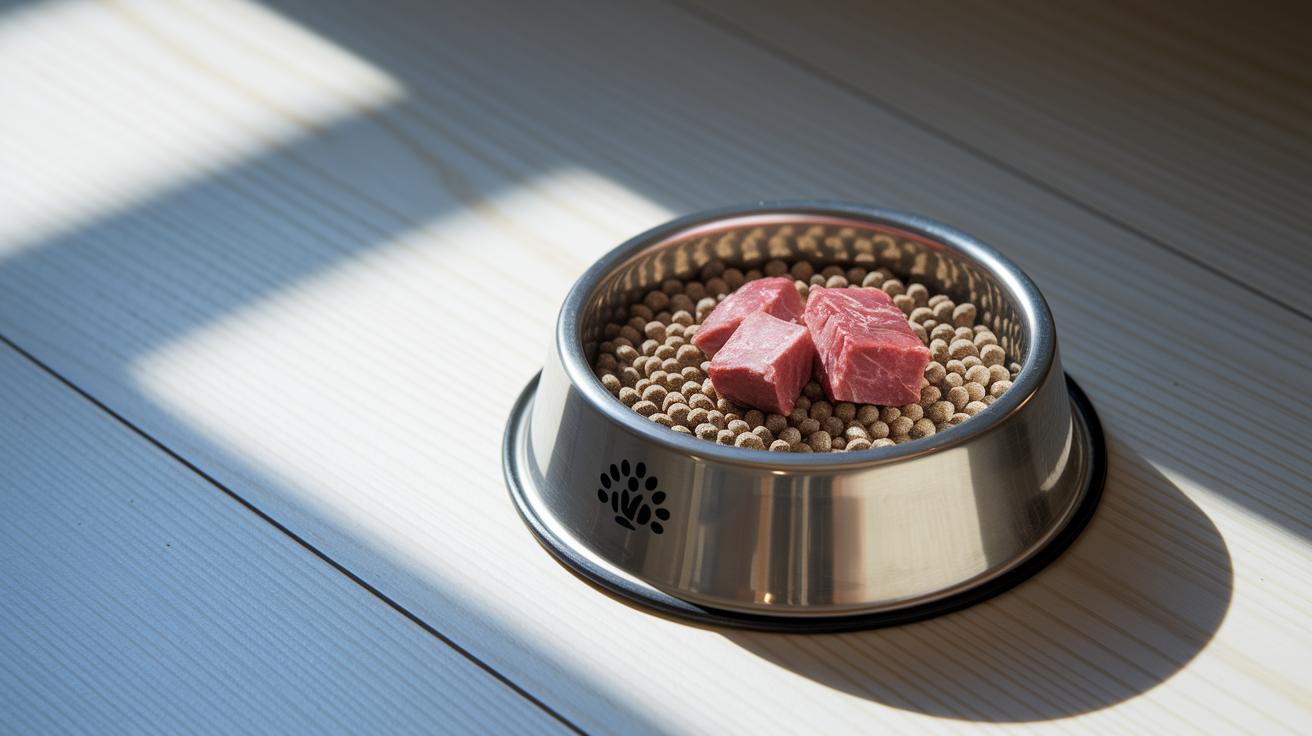
High-quality dry kibble starts with a balanced recipe. The best formulas use real meat as the main ingredient, keeping fillers low and packing in essential nutrients. The gentle extrusion process locks in good nutrients while keeping enzymes active, which helps with digestion and overall health.
After processing, vitamins like A, D, and E and minerals such as calcium and phosphorus are added. Extra Omega-3 fats and antioxidants help support your pet's immune system and ease inflammation, which keeps them full of energy day after day.
Consistent, reliable nutrition is key for your pet’s well-being. Every serving meets high standards to supply muscle support, steady energy, and strong immunity, all while promoting healthy growth and daily vitality.
| Nutrient | Percentage Range | Primary Benefit |
|---|---|---|
| Protein | 22–32% | Muscle maintenance |
| Fat | 10–18% | Energy & skin health |
| Fiber | 2–5% | Digestive regulation |
| Omega-3 | 0.3–0.8% | Inflammation support |
| Vitamins (A,D,E) | AAFCO-minimum | Vision & immunity |
| Minerals (Ca,P) | AAFCO-minimum | Bone & dental strength |
Dental Role and Digestive Support from Dry Kibble Nutrition
Dry kibble has a firm, crunchy texture that works like a built-in toothbrush. With every bite, it scrapes away plaque and tartar, which helps lower the risk of gum disease and reduces bad breath. It’s almost like your pet is getting their teeth brushed while they eat.
- Mechanical cleaning lowers tartar buildup
- Fiber helps keep bowel movements regular
- Prebiotic fibers support a balanced gut (help balance the good bacteria)
- Uniform kibble size promotes proper chewing and saliva production
- Added fiber can improve stool quality
Besides cleaning teeth, dry kibble supports your pet's digestive health. The fiber from grains or vegetables aids in regular bowel movements and can help prevent constipation. Chewing encourages saliva, which naturally helps with digestion. This dual action means your pet gets the benefit of a cleaner mouth and a smoother digestive process, keeping them healthy and active.
Weight Management and Energy Balance with Dry Kibble
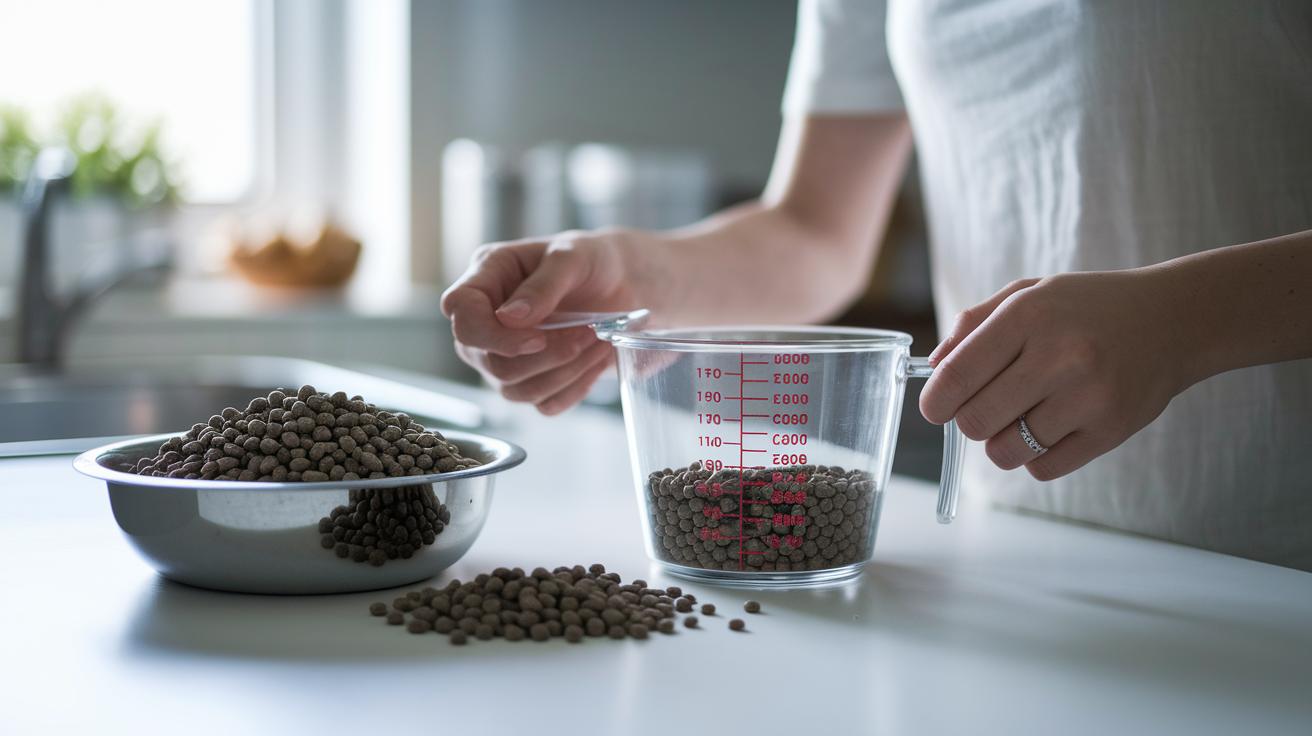
Dry kibble makes it easy to serve your pet the right amount. You can measure it by cup or gram, which helps you track calories without any guesswork. When you know exactly how much your pet eats, you can adjust portions to match their energy needs. This simple method cuts down on accidental overfeeding, especially if you have a pet that tends to gain weight.
This food blends protein and fiber in just the right way to keep your pet feeling full. It works well for pets that need to watch their weight. Each serving offers steady energy so your pet stays active, yet it controls extra calories. In short, dry kibble supports a healthy body weight while keeping your pet ready for play.
Specialized Dry Kibble Formulas for Life Stages and Sensitivities
These dry kibble recipes are crafted to meet the changing needs of your pet from puppyhood to their golden years. Experts have mixed careful research and vet advice to create feeds that give the right balance of nutrients while handling common dietary issues. They help boost puppy growth, support adult energy, and make life easier for seniors with joint-friendly, lower-calorie formulas. Plus, there are special versions made with fewer grains and simple ingredients that lower the chance of allergies.
Veterinary nutrition experts and feeding trials back these formulas. They not only hit daily nutrient goals but also support specific body needs and sensitivities, keeping your pet at their best.
Puppy Growth Formulations
These diets are rich in protein and DHA (a healthy fat for brain growth) to help your puppy grow fast and smart.
Adult Maintenance Meals
These meals offer balanced nutrients to keep adult dogs energetic and active in everyday life.
Senior & Joint Support Diets
Older dogs benefit from recipes that are lower in calories and include extra glucosamine (a supplement believed to ease joint stress). This helps them stay active and keep their muscles strong.
Grain-Free & Limited-Ingredient Options
For pets with sensitive stomachs, these formulas use novel proteins such as duck or venison and skip common grains. This simple recipe can help reduce allergies and digestive issues.
Convenience, Shelf Stability, and Cost Advantages of Dry Kibble
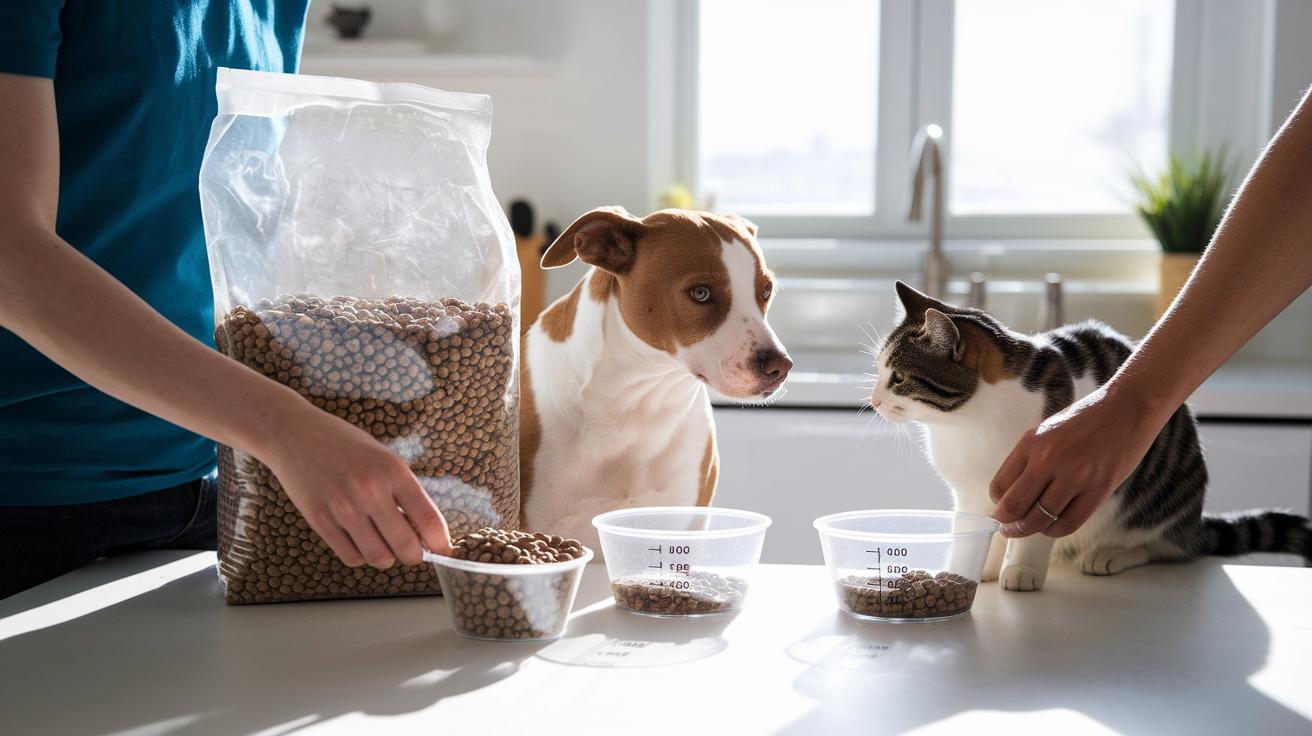
Dry kibble stores well at room temperature, making it a solid choice for busy pet owners. Unlike wet or raw diets that need to be kept cold, kibble stays fresh for months after you open it. This means you can buy in bulk without worrying about spoilage if your pet doesn't finish every meal right away.
Feeding your pet dry kibble is also easier on your wallet. With simple portioning using cups or a scale, you serve only what your pet needs, which helps cut down on waste and keeps grocery costs low. At the same time, your pet still gets a complete and balanced meal.
The packaging is designed for easy portability, and cleanup is a breeze. Whether you're at home or on the move, this food is simple to store and serve. Busy families and frequent travelers alike appreciate how straightforward and stress-free dry kibble can be.
Transition Guidelines and Veterinary Insights for Dry Kibble Nutrition
Switch your pet's food slowly over 7 to 14 days to keep their tummy happy. Start by mixing 25% dry kibble with 75% of their current food. Over the next week, increase the kibble amount a bit at a time until your pet is eating only the new food. For example, try a 25% kibble mix at first and then move to a 50% mix after a few days. This gradual change helps prevent upset stomachs, especially for pets with sensitive digestion or special dietary needs.
Always talk to your vet before changing your pet's diet. Your vet can advise on the right food for your pet’s age and health. They might even suggest enzyme-fortified kibble (kibble with added natural enzymes to aid digestion) if your pet needs extra help with digestion. Also, make sure your pet always has fresh water available since dry kibble has less moisture. This extra hydration helps with digestion, skin health, and overall vitality.
Final Words
In the action, we outlined how dry kibble meets strict nutritional standards while delivering complete, balanced pet nutrition. We covered ingredient quality, essential macronutrients, and how the crunchy texture helps with dental and digestive health.
We broke down weight management, specialized formulas, and practical feeding perks. Our guide also touched on safe transitions and vet insights. Enjoy the dry kibble nutritional benefits that support your pet's active, healthy life, making mealtime simple and reliable.