
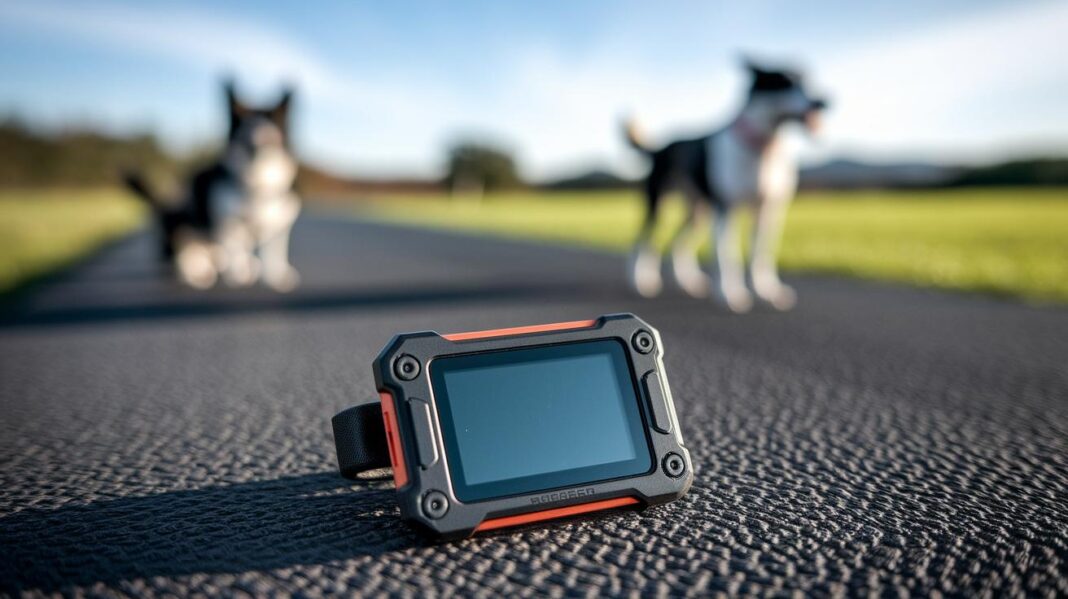
Quick verdict: GPS dog trackers help you know where your furry friend is in real time, easing your worries during walks and outings.
At a glance:
- Live location updates keep you connected.
- Options range from high-tech collars to simpler models.
- Suitable for different budgets and needs.
We tested five trackers to see how each performs in everyday conditions. We looked at ease of use, accuracy, and battery life. Our goal was to find a tracker that fits into your busy lifestyle while keeping your pet safe.
Read on to see which tracker might be the perfect match for you and your dog.
Best GPS Dog Trackers: Top Picks and Comparison
Quick verdict: These GPS trackers are a great choice for dog owners who want to stay connected with their pets. They give live updates and are easy to use, making walks, hikes, or off-grid adventures much less worrying.
We looked at a range of collars that cover everything from basic tracking to extra features like smart training and AI health monitoring (using artificial intelligence to check your pet’s health). Some collars work hard in rough areas by linking to several satellites, while others use cellular networks that update your pet's location every few seconds.
Below is a table that shows key details such as price, subscription fees, battery life, and coverage range.
| Tracker | Price Range | Monthly Subscription | Battery Life | Coverage Range |
|---|---|---|---|---|
| Halo Collar 5 | $200-$250 | Optional | 8-12 hrs | Global (cellular) |
| PetSafe Guardian GPS 2.0 | $150-$200 | Yes | Up to 24 hrs | Global (cellular) |
| SATELLAI Collar | Premium | Yes | Standard | Global (5-satellite) |
| PawTronic Pro Series | Mid-range | No | Long-lasting | 1-200 acres |
| SpotOn GPS Collar | High-end | Yes | Varies | 0.5-1,000 acres |
| Petivity Smart GPS | Budget (<$30) | $9.99 | Up to 30 days standby | Cellular (live updates) |
Key Features of Leading GPS Dog Trackers

Top GPS dog trackers use two main methods to locate your pet. Some models rely on cellular networks to update your dog's position every few seconds. Others work with multiple satellites, which means they still give accurate location details even under thick tree cover. These options let you keep an eye on your pet in both busy cities and quiet rural areas. Many also come with virtual boundary features that alert you if your dog wanders too far.
Battery life is another crucial factor to consider. Some trackers need charging every day because they update so fast, while others, like Petivity, can last up to 30 days on standby. Many models also include extra safety features, such as SOS buttons and smart training tools, which are especially useful for energetic dogs on long adventures. Alternatives like the Garmin Alpha use radio signals (a different way to communicate) to offer strong performance even when you're off the grid.
GPS Dog Tracker Costs and Subscription Structures
GPS dog trackers usually require both an upfront cost for the device and monthly fees for service. Some devices start at about $30, while fancier models cost several hundred dollars.
Monthly fees vary. Budget models tend to charge around $5 to $7 a month. Mid-range devices often ask for about $10. Some options, like the PawTronic Pro Series, do not have any monthly fee. Advanced systems might reach more than $150 per year when you add up the recurring charges.
| Tracker | Upfront Cost | Monthly Fee | Subscription-Free Indicator |
|---|---|---|---|
| Petivity Smart GPS | Under $30 | $9.99 | No |
| Tractive Collar | Budget | $5-$7 | No |
| PawTronic Pro Series | Mid-range | None | Yes |
| Fi Series 3 | Mid-hundreds | Approx. $10 | No |
| SpotOn GPS Collar | High-end | Yes | No |
| Garmin Alpha | High-end | Yes | No |
Often, a low initial price means you must pay more over time through monthly fees. A tracker that charges $5 to $7 each month might end up costing more than one with a slightly higher upfront price but no subscription fee. This way, you can weigh the value of the device against the long-term costs.
Expert Insights: Benefits and Drawbacks of GPS Dog Trackers
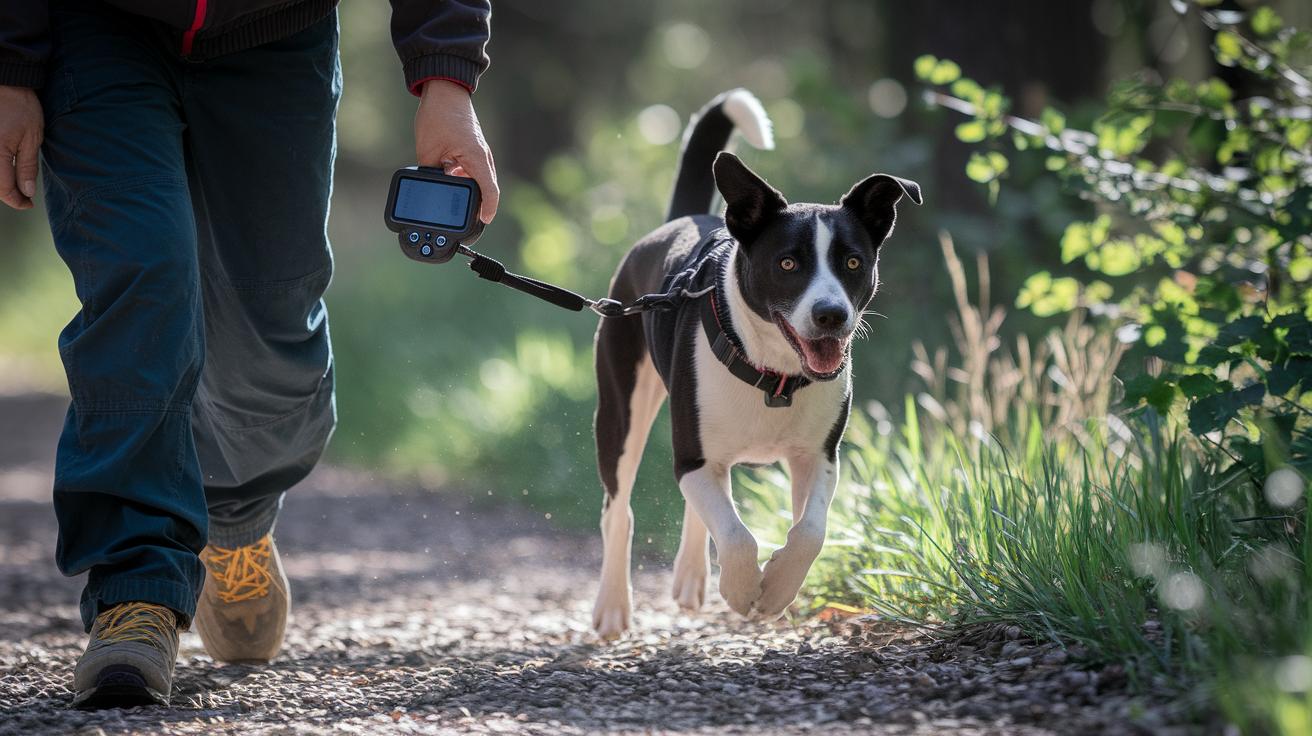
Many dog owners say GPS trackers give them fast updates on where their pet is. Live tracking offers a sense of security, especially if you live near forests or open countryside. Longer battery life means you can rely on these gadgets during long walks or hikes. Some models, like the SATELLAI, use signals from several satellites (extra satellites working together for better accuracy) so you still get a reliable location even in thick trees. Picture a tracker that stays precise when your dog races into a wooded area. These features make GPS trackers a trusted way to keep your pet safe.
However, not all trackers are a perfect fit for every dog. Some devices might be too heavy or bulky for smaller breeds. For example, reviews mention that SpotOn’s eight-ounce collar could overwhelm a tiny dog. The SATELLAI is also only designed for medium to large dogs. Budget-minded owners have noted that subscription fees and clunky app interfaces can be a drawback. Plus, certain models may not work without cell service, limiting their use in remote wilderness trips. In short, it’s best to match a tracker’s features with your dog’s size and your outdoor needs.
Pros:
- Instant, live location updates
- Extended battery life for long outings
- Multi-satellite support for better accuracy
Cons:
- Can be too heavy for smaller breeds
- Some models target only medium to large dogs
- Subscription fees and clunky apps may add hassle
- Off-grid tracking may not work without cell service
Choosing the Right GPS Dog Tracker for Your Dog
Dog Size and Collar Weight
Your dog's size is a key factor when picking a tracker. A tracker under 2 ounces is best for small breeds. Bigger, active dogs can handle sturdier models. For a tiny terrier, a light tracker is a must.
Coverage Range and Connectivity Type
Trackers work in different ways. Some use cell networks to update your dog's location. Others rely on satellites like GPS (global positioning system) or GLONASS (a similar Russian system) to give extra accuracy, whether in towns or remote areas. Some models even use radio signals that do not need cell service, which is great for off-grid adventures.
Battery Life Expectations
Battery life is important. Models that update frequently might need a daily charge, while others can last for weeks on standby. Think about your routine to decide which battery life works best for you.
App Features and Geofence Tools
A good tracker pairs with a simple app. The app often lets you set up virtual fences and sends an alert if your dog wanders too far. Look for apps that allow you to manage more than one pet if needed.
Total Cost and Subscription Terms
Price matters too. Check whether you face a one-time cost or a monthly fee for live updates. Compare these costs so you find the best option for your budget.
Durability and Waterproof Standards
Your tracker should be tough enough for everyday use. A device with a strong waterproof rating can handle rain, splashes, and even swimming. This kind of durability is essential for dogs that love outdoor adventures in any weather.
GPS Dog Tracker FAQs for Dog Owners
What do pet owners say about these trackers?
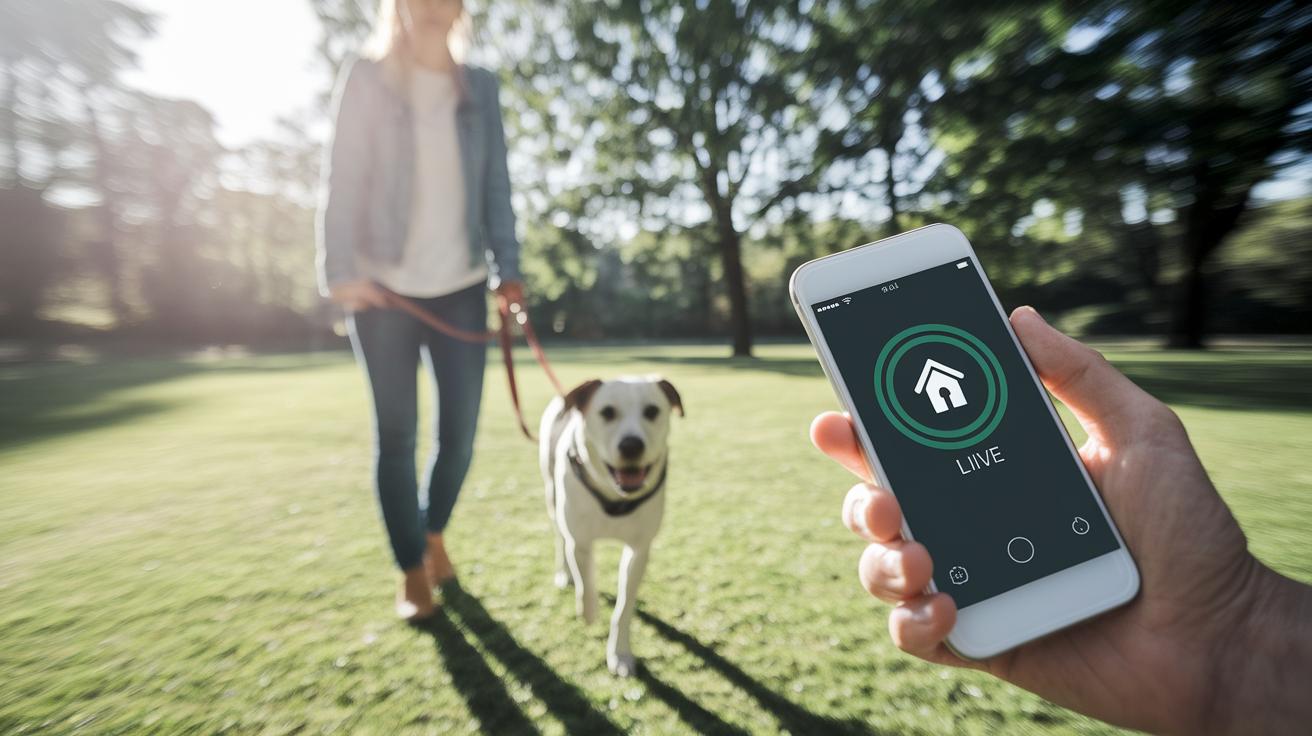
Many dog parents share that having a tracker helps them relax during walks and gives them peace of mind when their dog plays off-leash. One owner said, "I felt relieved knowing I could see my dog's location live during our park visit."
What new features are coming up in GPS trackers?
Some of the latest models now include features like monitoring your pet's daily activity and connecting with smart home devices. For instance, one user mentioned, "My tracker now sends me an alert if my dog's activity dips, so I can check on him right away."
How do you pick the right tracker for your pet?
Look for features that match your pet's habits and your needs. Real user tips on how well a device works and how easy it is to use can help you decide on the best fit for your dog's size, energy, and your own monitoring style.
Final Words
In the action, we broke down top GPS dog trackers by comparing battery life, coverage, connectivity, cost, and real-world ease of use. We reviewed models with live tracking, geofence alerts, and varied subscription structures so you know what fits your dog’s unique needs. Our guide shows how each tracker performs from rugged outdoor adventures to daily walks. Use this information to pick the best gps dog tracker that suits your pet and lifestyle. Enjoy peace of mind knowing you’ve made a sound, well-informed choice.
FAQ
What do Reddit and consumer reviews say about the best GPS dog trackers?
The best GPS dog trackers, as discussed on Reddit and consumer reports, include models like Fi Series 3 and Halo Collar 5, which combine real-time tracking, durable design, and smart training features for active pet owners.
What are the best dog trackers that do not require a subscription?
The best subscription-free options, like the PawTronic Pro Series, deliver dependable tracking without monthly fees, offering coverage from small yards to large properties while saving on recurring costs.
How do Halo and SpotOn compare as GPS dog trackers?
The Halo tracker impresses with integrated smart training and clear app notifications, whereas the SpotOn excels in managing large outdoor boundaries and extended coverage, catering to different owner priorities.
What is the difference between a GPS tracker and AirTag for dogs?
GPS trackers offer live updates, geofence alerts, and pet-specific safety features, while Apple’s AirTag lacks real-time tracking and customization, making it less suitable for keeping tabs on roaming dogs.
What features make the Fi dog tracker stand out?
The Fi dog tracker features an integrated design with strong battery life, meter-level accuracy, and tailored notifications, making it ideal for sensitive dogs and owners who need reliable, constant location data.
Which GPS dog tracker works best for rural areas or off-grid adventures?
Models like the Garmin Alpha series excel in rural and off-grid settings by using radio frequency tracking to cover four to nine miles without cell service, ensuring your dog stays in range in expansive areas.
Is there a GPS dog tracker that uses a chip implant?
Current GPS tracking relies on collar-based devices; while implantable chips are common for ID, they do not offer the real-time tracking or geofence alerts that dedicated GPS trackers provide.
How do Garmin, Halo, and Apple GPS solutions differ for dog tracking?
Garmin focuses on off-grid and multi-dog tracking, Halo offers smart training tools and live alerts, while Apple’s solution lacks full pet tracking features and real-time monitoring, making each suited for different needs.