

Pets need vitamins, too. Many pet owners add natural supplements to give their furry friends extra energy. These supplements come from fruits, veggies, and herbs. They help support a strong immune system, comfortable joints, and a shiny coat. In this article, we explain how a balanced mix of vitamins can help your pet feel happy and healthy.
Natural Pet Vitamin Supplements: Benefits and Essentials
More pet parents are turning to natural vitamin supplements. About one-third of dog owners add these supplements to their pet’s daily routine to help boost overall health and energy. They offer vitamins and natural ingredients that support a pet’s well-being.
Key vitamins like A, B complex, C, D, E, K, and choline (which helps with vision, growth, immune health, and cell repair) are important. Many supplements also include glucosamine for joint comfort, probiotics for better digestion, and green tripe, which provides natural enzymes and nutrients for a healthy gut. This blend helps keep your pet’s nutrition balanced, especially when treats make up a big part of their diet.
- Immune support
- Improved joint health
- Shiny coat
- Healthy digestion
- Antioxidant benefits
- Strong bones
- Cognitive upkeep
Always watch the dosing. Multivitamins are typically suggested if treats cover more than 10% of daily calories. Too much of even natural ingredients can cause problems. It’s best to talk with your vet to get advice for your pet’s specific needs, so any added supplement safely supports a happy, healthy life.
Ingredient Profiles in Natural Pet Vitamin Supplements
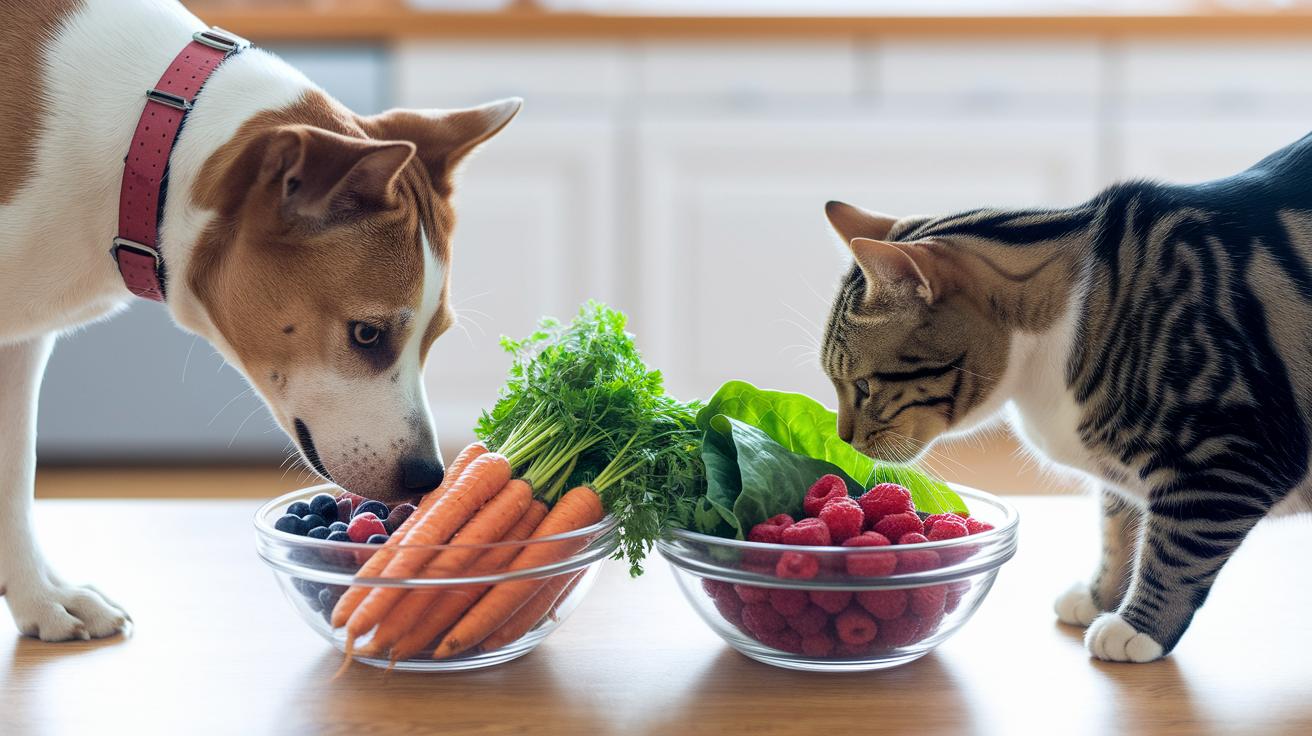
Natural pet vitamins come from fruits, veggies, and herbs. Many formulas use carrots, leafy greens, and berries to give your pet key nutrients in a pure form.
These supplements pack fat-soluble vitamins too. Vitamin A from carrots helps your pet see clearly. Vitamin D balances calcium and phosphorus so bones and muscles stay strong. Vitamin E protects cells and helps process fats. Vitamin K aids in blood clotting to support healing. Together, these vitamins build a strong base for your pet’s health.
Water-soluble vitamins are just as important. B vitamins boost energy, support the nervous system, and help keep skin healthy. Vitamin C works as an antioxidant and can lower inflammation, even though pets make a bit on their own. Choline supports the liver (the body’s detox center) and helps maintain healthy cells. Herbal extracts like turmeric can ease swelling, and milk thistle supports liver function. This blend rounds out the nutrients your pet needs.
It matters to match the supplement to your pet’s needs. Young pets may need extra B vitamins for energy and growth. Older animals might do better with added antioxidants and herbal support to help their joints and liver stay strong.
Dosage Guidelines for Natural Pet Vitamin Supplements
When picking a natural vitamin supplement for your pet, it’s best to dose based on their weight. You should adjust the amount to match your pet's size and regular food intake. For example, add a multivitamin only if treats and table scraps make up more than 10% of their daily calories. This helps keep your pet safe and avoids giving too many extra nutrients.
For dogs and other canines, follow the guidelines closely. A common ingredient like green tripe should be given at about 1-2 tablespoons per 10 lbs (4.5 kg) of body weight. Too much vitamin A can be toxic, and high vitamin D levels may upset their mineral balance. When it comes to small pets such as cats, use a lower dose based on their weight and be extra careful. Watch for any red-flag signs like loss of appetite, tiredness, stomach upset, or unusual behavior. These may signal that your pet is getting too many vitamins.
Always check with your vet to adjust dosages based on your pet’s specific needs. This way, you can be sure that every nutrient is balanced safely and well suited for your furry friend.
Comparing Natural Pet Vitamin Supplements and Synthetic Alternatives

Quick verdict: Natural vitamins come from fruits, vegetables, and herbs. They work with your pet's gut naturally. Synthetic vitamins are made in a lab and offer a purer chemical form but may include extra fillers.
At a glance:
- Natural vitamins have built-in helpers like enzymes (substances that speed up reactions) to boost nutrient absorption.
- Synthetic vitamins give you clear, measured amounts of vitamins, though they can miss out on those extra natural benefits.
Why we tested it: We looked at how each type fits with a pet’s digestion. Natural vitamins seemed to work in tune with your pet’s system, while synthetic options might lead to mild tummy troubles in sensitive pets because of fillers.
Pros and cons:
• Natural vitamins
- Pros: Work in harmony with digestion, include natural enzymes, and offer clean label nutrition.
- Cons: They usually cost more due to quality sourcing.
• Synthetic vitamins
- Pros: Easy to measure and consistent in dosage.
- Cons: May contain additives that some pets find hard on their stomach.
Cost matters too. Many pet owners feel that spending extra on natural supplements is worth it for their clean, eco-friendly ingredients and lower environmental impact. If you value ingredients that come straight from nature, natural vitamins might be the way to go.
Selecting Top-Rated Natural Pet Vitamin Supplements
Natural pet vitamins can boost your pet's health when you choose the right one. Look for products that clearly list every ingredient, have a vet's seal of approval, and offer fair pricing. These details help ensure you are giving your pet a safe and effective supplement.
Clear labels tell you exactly what your pet is eating. A vet's recommendation adds extra trust. Since natural options might cost a bit more, it's smart to weigh quality against price.
| Product Name | Key Ingredients | Best For | Price Range |
|---|---|---|---|
| Nature’s Boost | Glucosamine, Probiotics, Vitamins A, D | Joint Support & Digestion | $$ |
| Pure Vita | Green Tripe, B Vitamins, Choline | Overall Health Maintenance | $$$ |
| Healthy Paws | Turmeric, Milk Thistle, Vitamin E | Inflammation & Liver Support | $$ |
| Green Enzyme | Probiotics, Digestive Enzymes, Vitamin K | Digestive Balance | $ |
| Pet Wellbeing | Glucosamine, Omega Fatty Acids, B Complex | Joint Health & Skin/Coat | $$$ |
When trying a new supplement, start with a trial size. This lets you see how your pet reacts before buying more. Look for reviews that share real stories about changes in energy, coat shine, or joint comfort. Reading comments from different pet owners can help you pick a product that matches your pet’s needs and lifestyle.
Certifications and Safety Standards for Natural Pet Vitamin Supplements
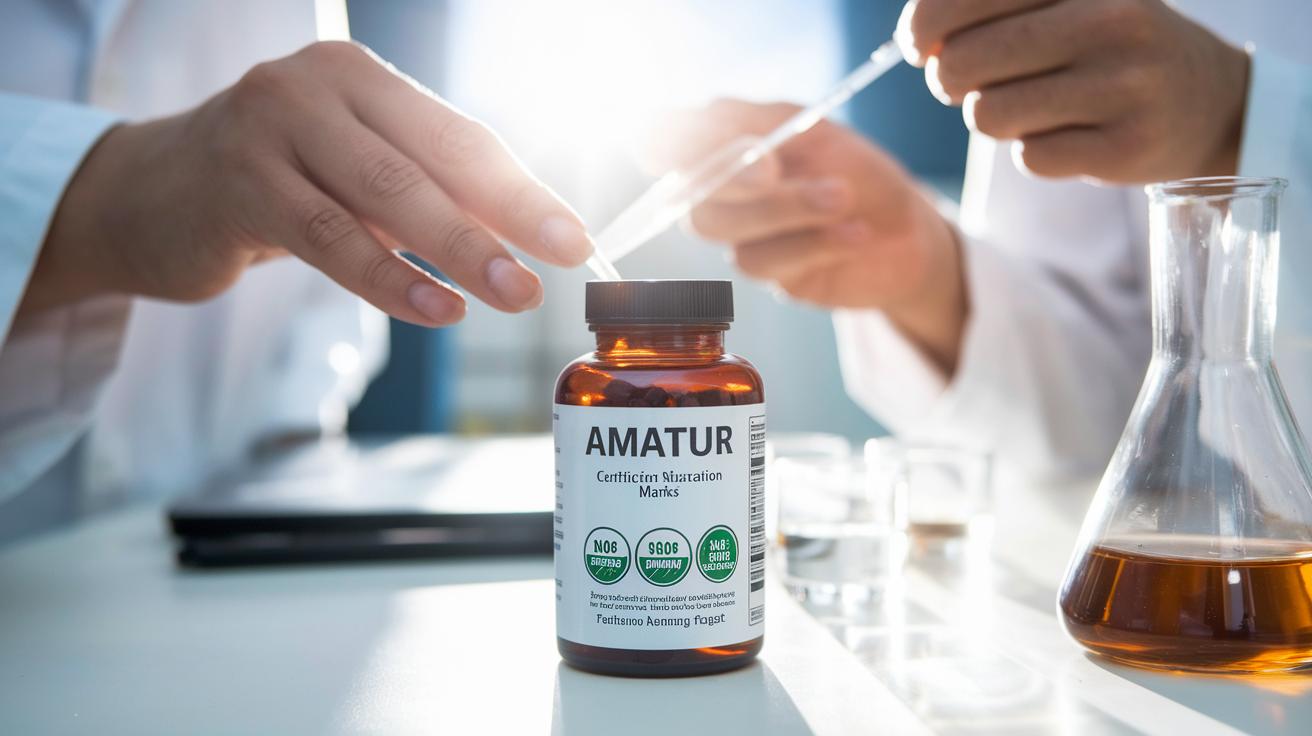
Certification marks help build trust in natural pet vitamin supplements. Big names like NASC, USDA Organic, and GMP check that these products meet strict safety and quality rules. When you see these marks, you know the vitamins were made with clear, safe guidelines.
Labels should also show non-GMO sourcing and details of third-party tests. This means you can read where the ingredients come from and see that every batch was tested in a lab to keep harmful contaminants out and make sure each nutrient is strong enough for your pet.
Many brands now opt for eco-friendly packaging and sustainable practices. This not only cuts down on waste but also shows a real commitment to quality and the health of our planet.
Veterinary approval is another important safety check. When a trusted vet reviews and supports a supplement, it gives you extra confidence in its safety. Working closely with veterinarians makes sure that the right amount and mix of ingredients are used for your pet's specific health needs.
Frequently Asked Questions About Natural Pet Vitamin Supplements
Q: Are vitamin supplements necessary if my pet eats a balanced diet?
A: If your pet's regular food covers all its nutrient needs, you might not need extra vitamins. But if your pet eats a lot of treats or table scraps, a supplement can help fill in any gaps.
Q: How do I know if the dosage is safe?
A: Vitamins can be harmful in high amounts. Always use weight-based guidelines and check with your vet to make sure you’re giving the right dose.
Q: Can I mix different supplements together?
A: Mixing various formulas may change how well your pet absorbs important nutrients. It’s best to get expert advice before combining supplements.
Q: Do cats and dogs need different vitamin blends?
A: Yes, cats and dogs have different nutritional needs. Be sure to choose a product made specifically for your pet’s species.
Q: When should I expect to see benefits?
A: Most pets show improvement in a few weeks, though this can vary based on each pet’s unique health.
Final Words
In the action, pet owners are increasingly turning to natural pet vitamin supplements for real-ingredient benefits and clear safety standards. We broke down key nutrient roles, proper dosage, and why sourcing matters.
Small sections explained how natural supplements compare to synthetic options and why certifications boost trust.
Keep vet guidance in mind when starting any new regimen. With the right blend, your pet can enjoy better support and improved health every day.
FAQ
What do natural pet vitamin supplements reviews indicate?
Natural pet vitamin supplements reviews indicate these products can boost immune health, joint support, and digestive balance. Users appreciate clear labels and natural ingredients that support overall pet well-being.
How do natural pet vitamin supplements differ for dogs and cats?
Natural supplements for dogs often focus on joint and muscle support, while those for cats emphasize coat health and energy. Choosing species-specific formulas helps meet each pet’s unique nutritional needs.
What features make the best natural pet vitamin supplements?
The best natural pet vitamin supplements have clear, natural ingredients, balanced nutrients, and vet recommendations. They offer benefits like immune support and joint health while reducing risks of excess dosage.
Which supplements work best for dogs on homemade food?
For dogs on homemade food, adding supplements such as multivitamins, probiotics, and joint support formulas can balance the diet. Vet advice helps tailor the correct dosage for optimal health.
Why are vet recommended supplements important for dogs?
Vet recommended supplements are important because they have passed safety and efficacy checks. They help fill nutritional gaps and support overall health, ensuring your dog gets balanced nutrients safely.