
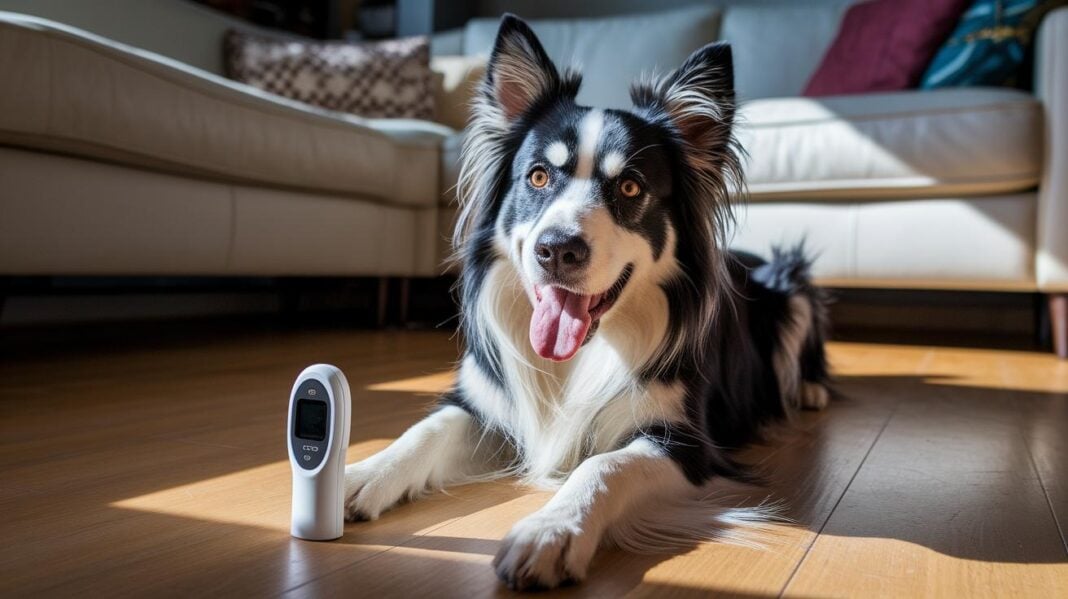
Have you ever thought a pet thermometer might make health checks easier? This small tool gives you a fast, accurate reading so you can spot problems early. It works in seconds and fits right into your busy day, giving you extra peace of mind. In this guide, we share our top picks, break down the prices, and explain how to use each type so you can choose the best one for your pet.
Essential Pet Thermometers: Top Picks, Pricing & Usage Guide
If you need a pet thermometer that is both fast and accurate, try the iProven Pet Thermometer. It has a soft, flexible tip and a waterproof design that makes it easy for routine checks. In 20 seconds it gives a reading that is accurate to within ±0.1°F.
For a no-touch option that is easy to use, look at the PetMedics Non-Contact Digital Dog Thermometer. It uses an infrared sensor on both the belly and inner ear. The large LCD screen shows color-coded numbers within a few seconds and is accurate to ±0.3°F. This is a good choice for busy families with active pets.
The Easy@Home Digital Thermometer is another good pick. It delivers results in just 8 seconds and is safe enough for babies. With its accuracy of ±0.1°F, it is ideal for households that often check on their pet's health and prefer a non-contact method.
For those who need an even quicker reading, the Pet-Temp Instant Ear Thermometer works by detecting infrared heat waves from the ear drum. It takes just 1 second to read and is suitable for pets like dogs, cats, rabbits, and ferrets. It usually shows ear temperatures between 100°F and 103°F.
| Device | Type | Accuracy | Reading Time |
|---|---|---|---|
| iProven Pet Thermometer | Digital Rectal/Ear | ±0.1°F | 20 sec |
| PetMedics Non-Contact Digital Dog Thermometer | Non-Contact | ±0.3°F | Few sec |
| Easy@Home Digital Thermometer | Digital Rectal/Non-Contact | ±0.1°F | 8 sec |
| Pet-Temp Instant Ear Thermometer | Ear | Not specified | 1 sec |
Comparing Pet Thermometer Types: Digital Rectal vs. Ear vs. Non-Contact

Digital rectal thermometers are the most accurate option. To use one, apply a pet-safe lubricant and gently insert it about 1 inch. Vets rely on this method to catch potential issues early, so have your lubricant ready before you begin to keep your pet at ease.
Ear thermometers work by reading the infrared heat from your pet’s eardrum, providing a result in just 1–2 seconds. They work well for pets that don’t like more invasive methods. Just be careful with placement and check for any ear wax that might affect the reading.
Non-contact thermometers use an infrared sensor held 1–2 inches from your pet’s belly or inner ear. This method lowers stress, especially for nervous or larger pets, although you may need to take a few readings to be sure. Think of it like a point-and-shoot for your pet’s temperature while keeping the process calm and safe.
Keeping a record of your pet’s normal temperature can be very helpful. If a measurement seems off, try the method that best suits your pet’s personality and check again.
How to Use a Pet Thermometer Safely at Home
Checking your pet's temperature can be calm and safe when you follow the right steps. Here is a simple guide for different thermometer types that makes the process stress-free.
For a digital rectal thermometer:
- Put a small bit of veterinary-grade lubricant on the tip.
- Gently insert the thermometer about 1 inch into your pet's rear.
- Wait until you hear a beep or see the display light up.
- Hold it steady during the reading.
Think of it like placing a soft toy in a safe spot to help your pet feel relaxed.
For an ear thermometer:
- Carefully place the probe in your pet's ear canal.
- Wait exactly 1 second for the reading.
- Remove the tip and clean it with disinfectant.
Imagine it as quickly putting a tiny mirror in the ear for a fast check.
For a non-contact thermometer:
- Hold the sensor 1 to 2 inches away from your pet's belly or inner ear.
- Press the button and note the reading immediately.
- Repeat if needed to get a clear, steady measurement.
It is best to have another person help when your pet is large or nervous. Always take readings while your pet is calm, and record normal temperatures when your pet is healthy so you can easily spot any changes later.
Maintenance, Calibration & Storage for Pet Thermometers
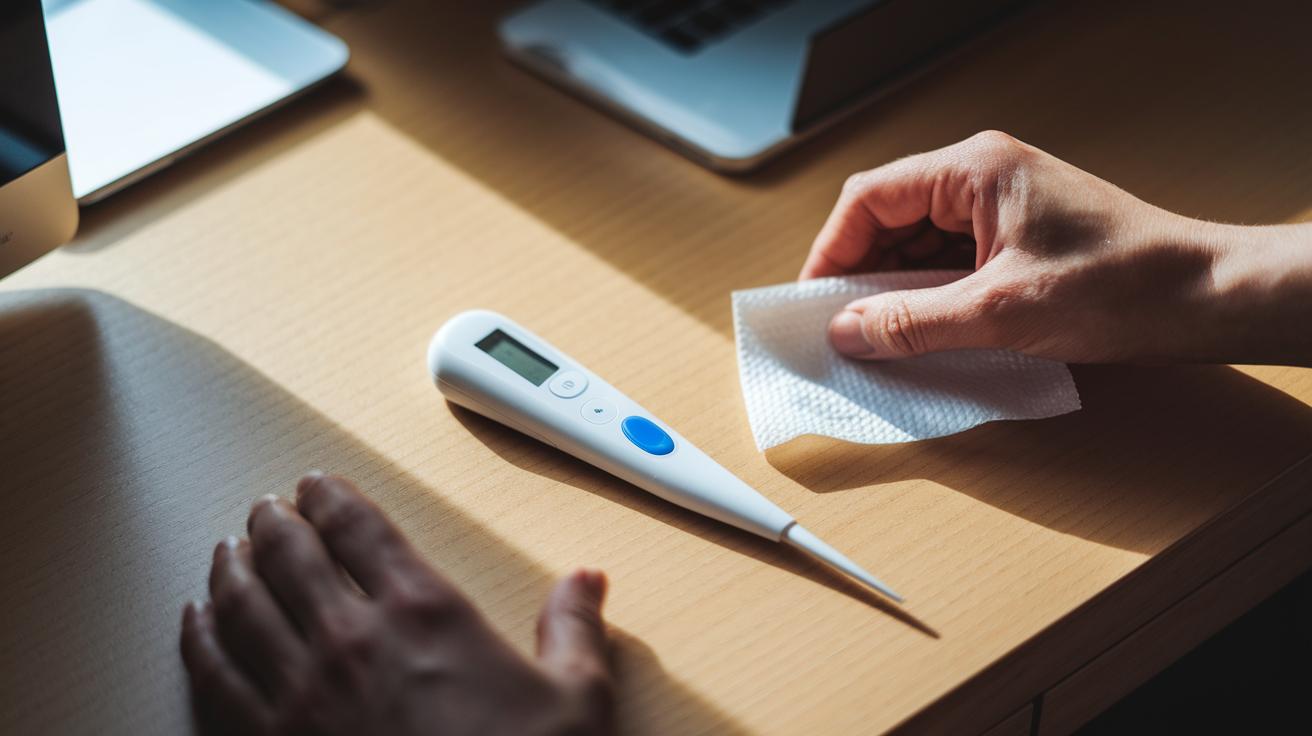
Keeping your thermometer in good shape means accurate readings and safe use for your pet. After each use, wipe the probe or ear tip with an isopropyl alcohol wipe. Allow the alcohol to evaporate completely and let it dry before storing the device. This simple cleaning keeps dirt and germs away and ensures your thermometer works reliably.
Store the thermometer in a protective case that shields it from moisture and direct sunlight. This care helps extend the device's life. It is also important to check the thermometer twice a year. Compare its reading to a trusted reference thermometer. If the numbers do not match, follow the manufacturer's instructions to adjust or recalibrate the device.
Also, keep an eye on the batteries or disposable probe covers, such as the Pet-Temp LC-40 lens covers. Replace them as soon as you see a low battery warning or notice wear. These small steps keep your pet thermometer dependable and ready for home use.
Troubleshooting Pet Thermometer Issues & FAQs
When your pet thermometer shows odd readings, don't panic. It could be a dirty probe, low batteries, or even a placement issue. Before taking another measurement, it's smart to check these common problems.
Check for a Dirty or Damaged Probe
Look at the probe or ear tip for any dirt, wax, or scratches. If you have an ear thermometer, a bit of ear wax can block the signal and cause errors. Wipe the tip with an alcohol wipe and let it dry fully before your next use. If you see any damage, switching out the probe covers can help keep your pet safe from infections while getting more accurate readings.
Test for a Low Battery or Faulty Display
If the numbers seem to jump around or the screen is dim, the battery might be low. Take a look at the battery contacts for any signs of corrosion or misplacement. Replace the batteries as soon as you see a low battery light. This small fix can often bring back the right readings and proper function.
Check Your Placement and Technique
Using the thermometer correctly is important. When using a rectal thermometer, put a pet-safe lubricant on it and gently insert it about 1 inch. For ear thermometers, hold the device at the right angle inside the ear canal to avoid mistakes from wax buildup. If your pet is restless, ask someone to help hold them still. This makes the process easier and safer for both you and your pet.
Final Words
In the action, we reviewed top picks and tips for using a pet thermometer safely at home. We broke down how each type works, from digital rectal to ear and non-contact devices, and shared step-by-step care advice.
This guide gives clear advice on proper usage, cleaning, and troubleshooting. It helps you make smart choices while keeping your pet comfortable and safe. Enjoy accurate readings and stress-free pet care with the right pet thermometer.
FAQ
What is a pet thermometer for cats?
A pet thermometer for cats is designed to safely measure your cat’s temperature. It features a soft tip and digital readouts for quick, reliable readings that cater specifically to a pet’s needs.
Where can I buy pet thermometers such as those seen on Shark Tank, at PetSmart, Walmart, or Amazon?
Pet thermometers are widely available both online and in-store. Retailers like Walmart, PetSmart, and Amazon offer various models, including those featured on Shark Tank, to suit different pet needs.
How is a dog thermometer different from a human thermometer?
A dog thermometer is built to measure an animal’s temperature range accurately. It uses a soft tip and quick-read technology, unlike human thermometers, which aren’t designed for a pet’s specific anatomy.
Do pet ear thermometers work for checking temperatures in dogs?
Pet ear thermometers use infrared sensors to read your dog’s ear drum temperature quickly and safely. They deliver accurate readings in about one to two seconds, making them ideal for active or anxious dogs.
Can I use a human thermometer on my pet?
Using a human thermometer on your pet may lead to inaccurate readings and discomfort. Pet thermometers are specifically designed to match an animal’s body temperature and ensure safe, precise measurements.
What is the best pet thermometer?
The best pet thermometer depends on your pet’s needs and your comfort level. Options range from digital rectal, ear, to non-contact models, and each provides a balance of accuracy, speed, and ease of use.
Is there a way to check a dog’s temperature at home?
You can check a dog’s temperature at home using pet-specific thermometers like digital, ear, or non-contact models. These tools offer quick, safe readings, helping you track your pet’s health effectively.