
Quick verdict: Picking pet vitamins can seem tricky, but knowing what to look for makes a big difference in your pet's health.
At a glance:
• Pet vitamins should match your furry friend's age and activity level.
• Carefully reading labels and comparing ingredients can help you find the right mix.
• Working with your vet (your animal’s doctor) ensures safety and the best fit for your pet.
We get it, every pet is unique. Whether your pup is growing fast, full of energy, or enjoying their golden years, the right vitamins support them every step of the way. In this post we show you how to check vitamin labels, compare key nutrients, and team up with your vet to choose supplements that fit your pet’s daily needs.
Here’s the plan:
• Check labels closely. Look for clear, simple lists of vitamins and minerals.
• Compare products to see which ingredients best match your pet’s life stage.
• Talk with your vet to confirm the benefits and safety of each option.
This simple approach makes it easier for you to keep your pet strong and healthy no matter where they are in life.
Essential Guidelines for Selecting Pet Vitamins
When choosing vitamins for your pet, it helps to know that each animal has unique nutritional needs. Dogs, cats, and small pets all require different vitamins depending on their natural habits. For example, a young puppy growing its bones might need extra nutrients, while an older pet could benefit from supplements that support joint health. Check the labels carefully for serving sizes and dosage, and ask your vet before making any changes. A simple way to start is by matching the ingredients list with your pet’s specific diet and lifestyle.
Safety and effectiveness go hand in hand with using quality ingredients. Look for vitamins that have been tested for how well your pet absorbs them (absorbability) and for purity. It helps to know where the minerals and herbs come from. Products made under strict research standards ensure that you get the right dose every time. Keep in mind that very low-priced options might skip important safety tests. Always consult your veterinarian for clear advice on the best vitamins for your pet.
- Understanding specific pet requirements
- Knowing the source of ingredients
- Testing for how well nutrients are absorbed and for purity
- Strict research and development standards
- Fair pricing
- Veterinary consultation
Assessing Your Pet’s Unique Vitamin Requirements
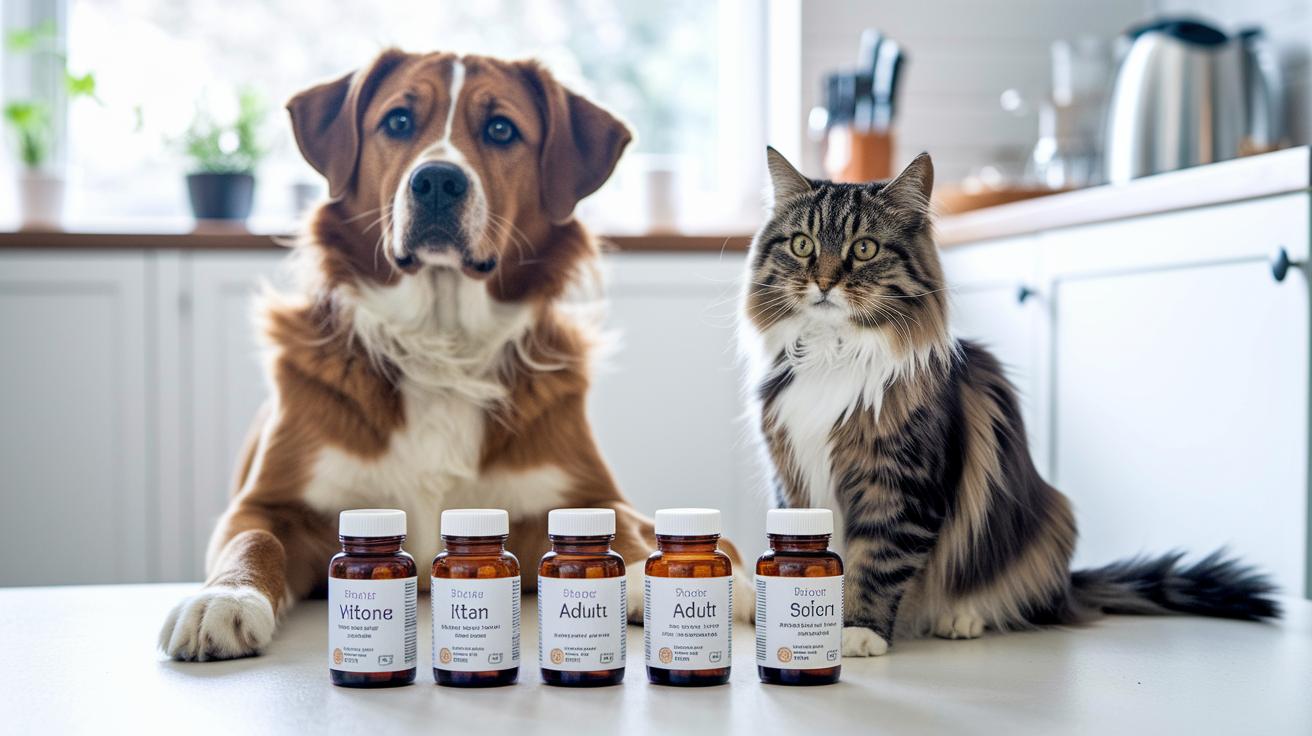
Every pet has its own basic vitamin needs. Dogs, cats, and small pets thrive on diets that match their natural habits. For example, dogs often need extra nutrients for energy and muscle upkeep, while cats rely on vitamins that help with vision and a strong immune system. Small pets usually have high metabolisms, so their vitamin amounts must be measured carefully.
A pet’s age also matters when picking vitamins. Puppies and kittens might need extra nutrients to support fast growth. Adult pets need a balanced mix to keep their energy up and their tissues healthy. Older pets may benefit from vitamins that help with joint ease, strong bones, or even clear thinking. It’s like changing a recipe, ingredients adjust based on who you’re feeding.
Sometimes, a pet’s health condition plays a role too. Pets with sensitive stomachs might need supplements to help with digestion, while those with joint troubles could use vitamins that support mobility. For example, a pet with a weak immune system might need vitamins that boost natural defenses. Always talk with your vet to find the right vitamin plan for your pet’s unique needs.
Comparing Forms of Pet Vitamin Supplements
When you choose pet vitamins, the type of supplement matters. It can affect how well your pet gets the nutrients and if they will take it every day. Chews feel like treats, making pill time fun and easy. Powders mix well into food, which is great for pets that don’t like changes in taste. Liquids work fast and offer exact doses. Some liquids, like omega 3 supplements for dogs, have been tested for how well they absorb. Capsules pack a lot of nutrients in one go but might need to be hidden in food if your pet is picky about swallowing.
Watch how each type is made. Many products are tested in labs to be sure the nutrients work for your pet. Some are made to taste good, while others focus on high nutrient amounts. Below is a simple table that lists four common forms along with their pluses and things to think about:
| Form | Advantages | Considerations |
|---|---|---|
| Chew | Yummy and fun for pets; easy dosing | Can break apart with heavy chewers; dose may be less exact |
| Powder | Mixes into food with ease; flexible dosing | Needs proper mixing; taste might show in some meals |
| Liquid | Fast absorption; precise dose; lab-tested for nutrient uptake | Measures must be exact; some pets may dislike a strong taste |
| Capsule | Delivers a strong, one-dose nutrient hit | May need to be crushed or hidden; swallowing can be tough for some pets |
Each type has its own benefits. Think about your pet’s taste, feeding habits, and any diet needs. Look at how easy it is to use, if the flavor seems nice, and how exact the dose is to pick the right formula that fits into your pet’s day.
Decoding Pet Vitamin Labels and Ingredients
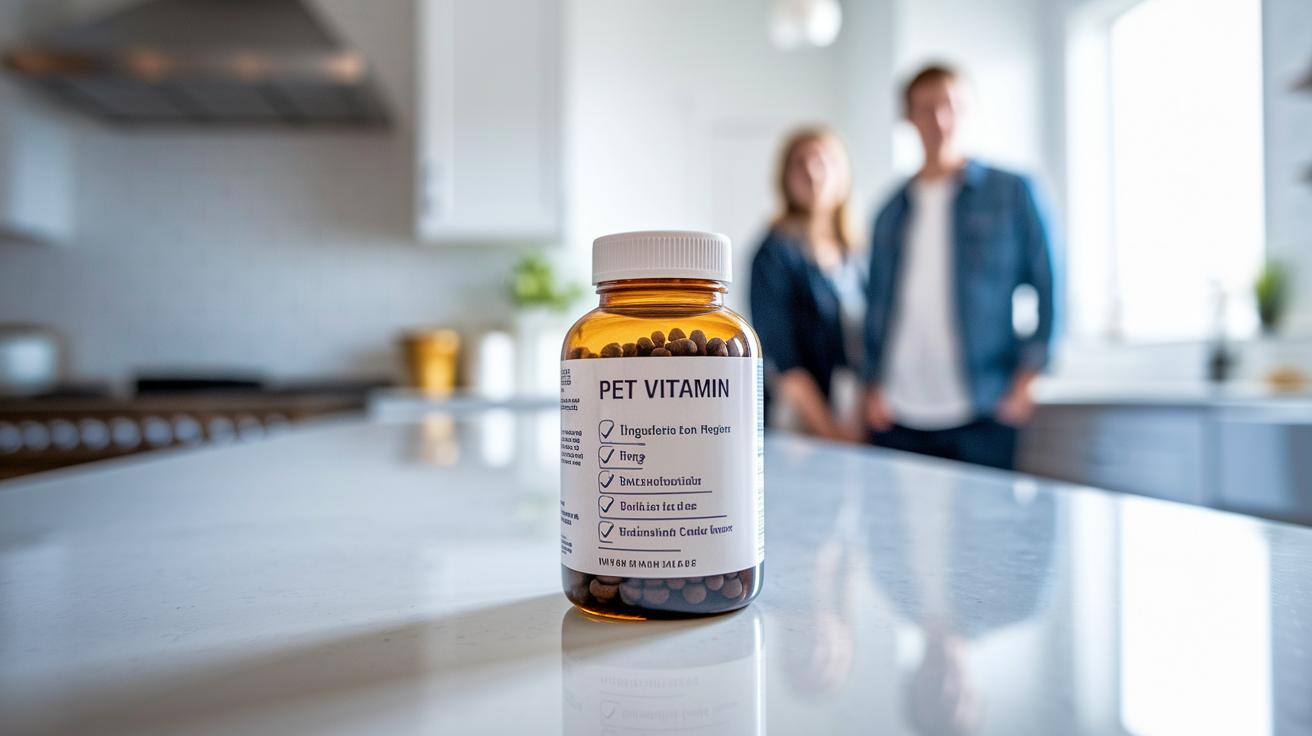
When you look at a pet vitamin label, start by checking where the ingredients come from and how they are made. Look for words like "clinically tested for pureness and safety." This shows that trusted labs have checked the ingredients. A clear label will list natural ingredients and mention if there are no fillers. For example, it might say "sourced from wholefood ingredients using a natural extraction process" to show its quality.
Next, pay attention to the ingredients that really matter for your pet. Choose products that have vitamins and minerals you can recognize instead of confusing chemical names. Look for labels that talk about being filler-free and give clear dosage information. Details like ingredient percentages or the origin of herbs can help you understand exactly what your pet is getting.
Be cautious of red flags. If the label uses vague terms like "proprietary blends" that hide the details, makes claims without proof, or fills the formula with unnecessary additives, it might be best to look for another option. A detailed, clear listing of ingredients helps ensure you are choosing a supplement that is safe and effective for your pet.
Determining Proper Dosage for Pet Vitamins
Your first step should be to talk to your vet about your pet's vitamin needs. Your vet checks your pet's weight, breed, and overall health to come up with a safe dosing plan. This advice helps prevent problems with other foods or medications your pet might be taking.
Your pet's age is a key factor. Puppies and kittens often need a higher dose because they are growing fast. Adult and senior pets usually do better with a steady dose to keep their muscles and joints healthy. If your pet has special issues like tummy troubles or a weak immune system, the dose may need to be even more precise. Getting the dose just right helps the vitamins work effectively and safely.
Too many vitamins can cause harm, so it is important not to go over the recommended amount. Vitamins come in different forms such as liquids, chews, powders, or capsules, and each form may be absorbed at different speeds. Watch how your pet reacts and keep in touch with your vet to catch any problems early.
Choosing Safe and Reputable Pet Vitamin Brands
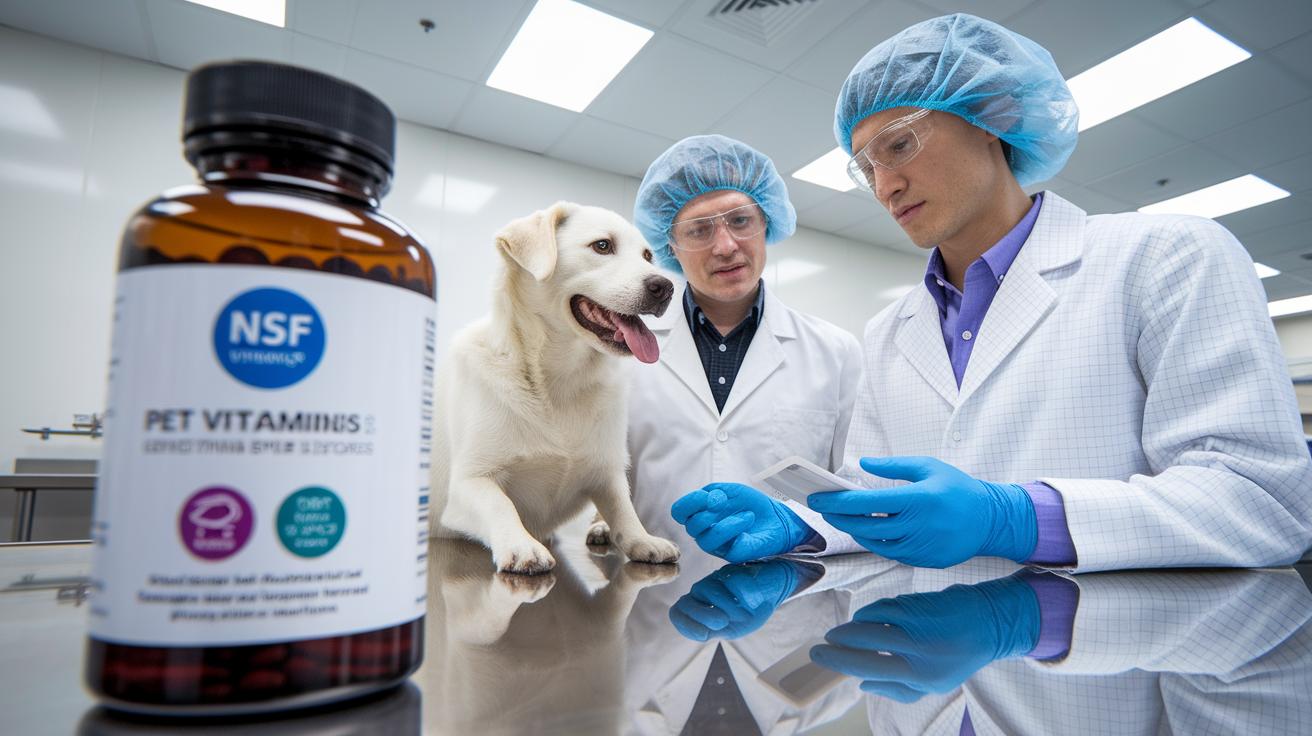
Quick verdict: Always look for clear, independent proof of quality when buying pet vitamins. First, check for certifications like NSF or GMP. These marks show that third-party labs have tested the product for purity and nutrient value.
A trusted brand is open about its research and development. If a company explains its testing methods and supplies quality details, it means they care about safety and value. Fair pricing can also signal a strong quality control process, as manufacturers confident in their ingredients naturally price them right.
Veterinarian support is another strong sign of a reputable vitamin. When vets back a product, it usually means the supplements meet high standards for absorption and safety. Brands that list their credentials and work with pet health professionals help you feel secure in your choice.
By looking for these markers, you can confidently choose vitamins that are safe and effective for your pet.
Final Words
In the action of choosing pet vitamins, we broke down the process into understanding your pet’s unique needs, comparing supplement forms, reading labels, and setting safe dosages. We also looked at spotting trusted brands and using clear, actionable criteria at every step.
Keep these practical steps handy as you make safe and smart choices. Remember our guide to how to choose pet vitamins, and enjoy a healthier, happier routine with your pet.
FAQ
How do you choose pet vitamins for cats, dogs, and puppies?
The process starts by matching supplements to your pet’s species, life stage, and unique health needs. Look for high-quality ingredients, clear labels, and vet-approved formulas to guarantee safety and effectiveness.
What vet recommended supplements are best for dogs?
Vet recommended dog vitamins are those that feature clinically tested ingredients, third-party certifications, and balanced nutritional formulas. They help cover dietary gaps and support overall health when used with regular vet advice.
Which vitamins support a dog’s appetite and work well with homemade food?
Vitamins that boost a dog’s appetite and pair with homemade diets usually offer a balanced mix of nutrients with natural ingredients. They support digestion and energy, ensuring your dog remains healthy on a varied diet.