
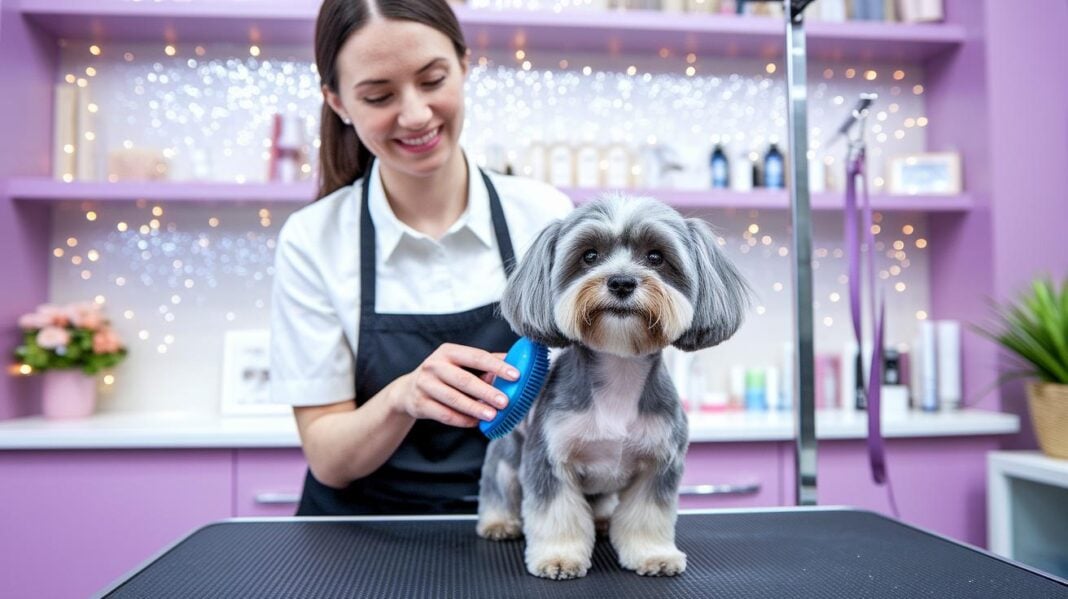
Ever wonder if your pet could look amazed after a few basic grooming tricks at home? Many think only professional groomers have the secret, but simple home techniques can make your pet shine. Home grooming is more than just neat fur. It lets you check on your pet’s skin, bond more, and keep your dog healthy. In this guide, we share practical tools and easy steps to bring out your pet’s best look without spending a lot.
Core At-Home Dog Grooming Tips to Keep Your Pet Healthy
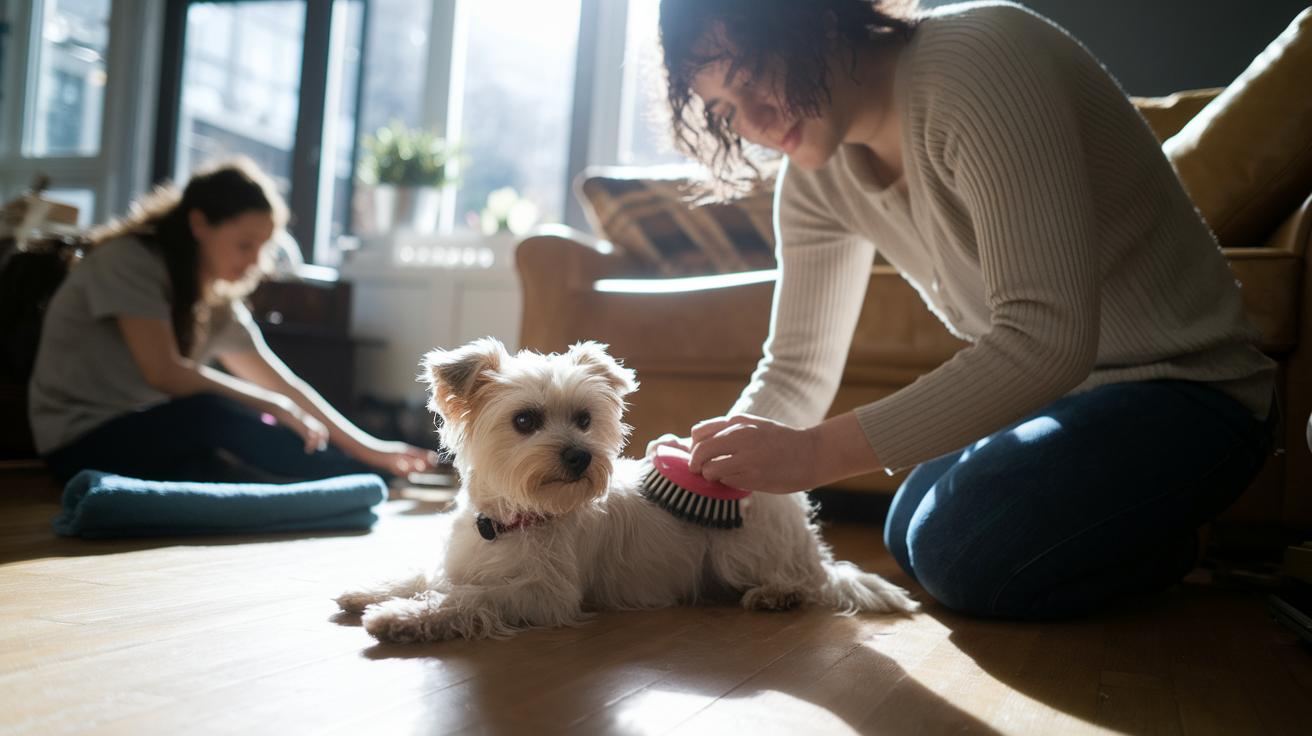
Grooming your dog at home is an easy and effective way to keep your pet healthy and happy. It lets you check for skin issues early and builds a strong bond between you two. Using gentle, safe techniques means you both stay free of injuries.
- Brushing: Regular brushing removes loose hair and stops tangles from forming. It also lets you spot any unusual skin patches or bumps, kind of like a quick hair check before a big day.
- Bathing: Wash your dog with a shampoo made just for pets and warm water. After the bath, dry your dog thoroughly with a towel or use a low-heat blow dryer. This helps avoid damp spots that might lead to matting or chills.
- Trimming: Keeping your dog’s coat neatly trimmed helps prevent overgrowth and tangling. (For nail care, ear care, and eye care, check out Section 5.)
A grooming routine every 4 to 6 weeks keeps your dog's coat in great shape and helps you monitor its overall health. While daily brushing or spot cleaning is useful for small fixes, an occasional professional grooming visit can give your pet that extra boost in looking and feeling good.
Must-Have Tools and Supplies for Dog Grooming At Home
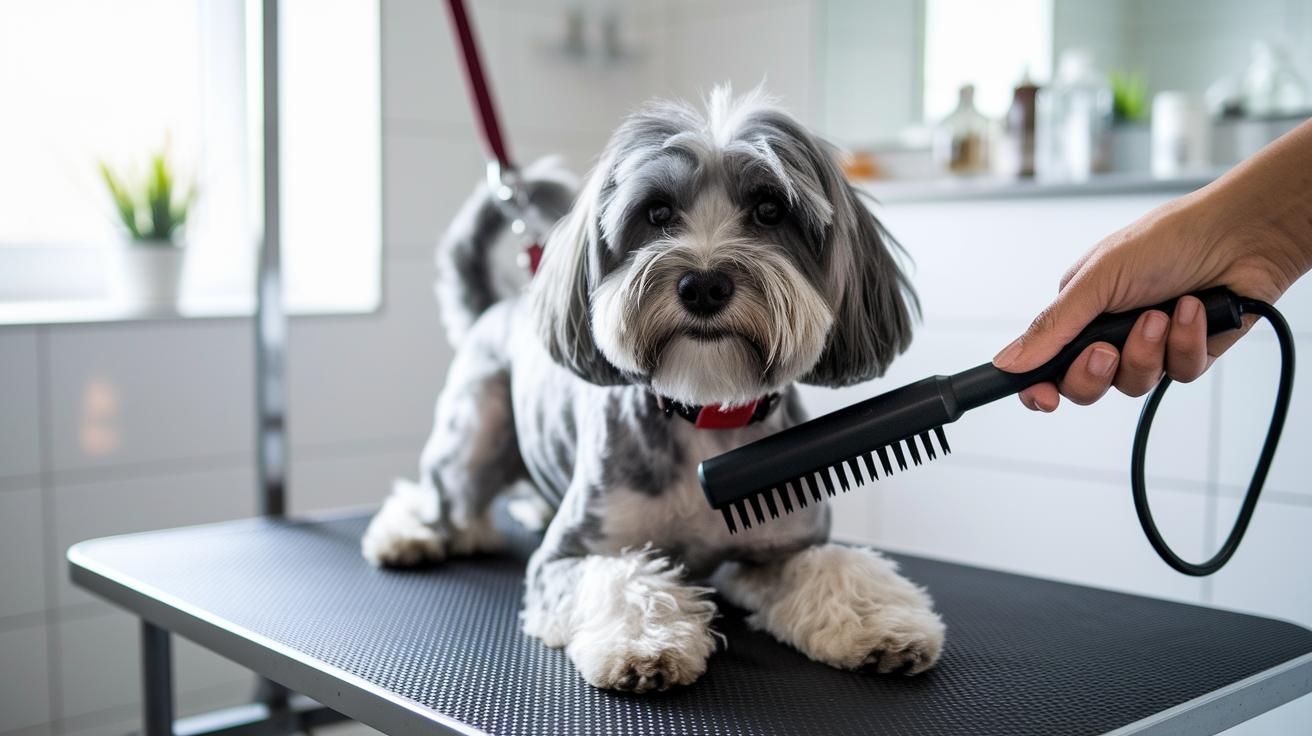
Having the right tools matters when you groom your dog at home. A few basic items, slicker brushes, pin brushes, combs, clippers, and nail trimmers, make all the difference. They help you smooth out tangles, cut through mats, and even keep your pup safe by ensuring a secure grip and clean cut. Experts say that investing in solid, well-made gear not only lowers your dog’s stress but also gives you consistently neat results.
Taking care of your tools is just as important as having them. After you finish grooming, wash your brushes and combs, clean your clippers, and oil the blades so they work well. This regular cleaning keeps bacteria at bay and prevents wear. A simple routine like this makes the job easier and safer, giving your dog a professional grooming experience right at home.
Bathing and Brushing Techniques in Your Dog Grooming Routine

Start by gathering your grooming supplies. Fill the tub or a shallow basin with lukewarm water to keep your dog comfortable. Use a shampoo made for dogs that cleans gently and keeps natural skin oils intact. Rinse your pet first to remove loose dirt, then apply the shampoo evenly. This helps keep the coat healthy and makes the bath a less stressful time.
After rinsing, wrap your dog in a towel and pat gently to dry. Use a low-heat blow dryer to prevent damp spots and mats. Once mostly dry, brush your dog in sections from head to tail so you work out any tangles with care. For dogs with thicker coats or extra shedding, try using an undercoat rake or a grooming glove. This step-by-step method ensures every strand is managed, leaving your dog neat and comfortable.
Clipper and Scissor Trimming Tips for Safe Dog Grooming
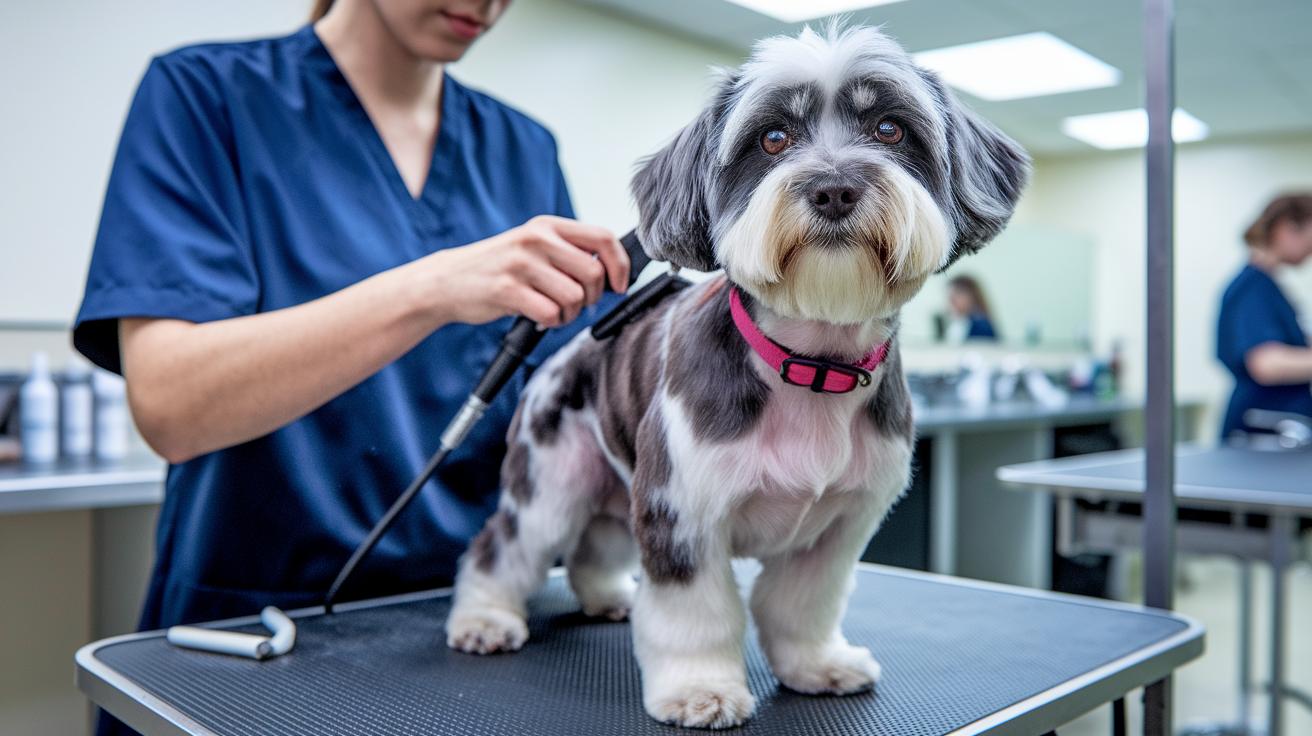
Before you start, make sure your clippers and scissors are clean, sharp, and ready to use. Check the clipper blades and set them properly. We use a #0 blade for the back and a #2 for the hips so your dog's top stays even. Doing these safety checks helps you avoid nicks and trim smoothly.
- Secure your dog on a stable, non-slip surface. This keeps your pet calm during grooming.
- Adjust the clipper blades for each area. Use a #0 on the back and a #2 above the hips for an even finish.
- Start by lightly brushing the coat with the clippers, then repeat the pass to create neat, parallel lines.
- For curly coats, hold the leg steady with a comb, spray on a little scissoring spray, and trim in a gentle, rounded shape.
- Use thinning shears to blend the edges around the feet, ears, and tail carefully.
- Stop often to check for spots that may need extra attention and adjust your trimming as needed.
After the main cut, blend the trimmed sections with both clippers and scissors. Use steady pressure with short strokes, much like a pro would, to smooth the transitions. This careful blending not only sharpens your pet’s look but also keeps them comfortable and safe.
Essential Nail, Ear, and Eye Care in Dog Grooming

Keeping your dog's nails trimmed is important to stop them from growing too long and causing discomfort. Use clippers made for pets and trim a little bit at a time. Hold your dog's paw firmly and look for the pink part (the quick) before cutting. If you clip too much, it might bleed and hurt your dog. If your dog seems anxious, give them a break to keep the experience calm and safe.
Cleaning your dog's ears once a week with a vet-approved solution helps avoid problems. Gently tilt the ear and use a soft cloth to wipe away any dirt or wax. Do not use cotton swabs deep in the ear canal because they can cause injury. While you clean, check for red spots, swelling, or signs of parasites like fleas or ticks. Remember to be gentle so you don't cause any pain.
Daily care around your dog's eyes can reduce tear stains and keep them comfortable. Use a damp, soft cloth or pet-safe wipe to carefully clean around the eyes and remove any discharge. This simple routine not only keeps the eyes clear but also lets you spot early signs of irritation or infection. Regular care in these areas is a key part of keeping your pet healthy.
Breed-Specific Dog Grooming Tips for Popular Pet Styles

Poodles
Poodles need a careful grooming routine to keep their curly coats neat. Use hand stripping (a method to pull out dead hairs) or clippers on a gentle setting made for curly hair. We suggest a sharp clipper set to a soft pattern and a slicker brush that picks up loose hair and stops mats. Groom your poodle every 4 to 6 weeks to keep their coat healthy and well defined.
Yorkies
Yorkies do best when their face and ears are kept tidy. A precise clipper trim around the eyes and ears helps stop mats and skin irritation. Use a small, fine-toothed comb to guide the clipper gently along delicate areas. Plan for a trim every 3 to 4 weeks to keep their look neat and comfortable.
Shih Tzus
Shih Tzus often develop mats behind the ears, so extra care is needed. Brush them daily to loosen tangles, and give them a full trim once a month to freshen up their look. Use clippers on a careful setting, and finish with thinning shears around the face and paws for a balanced style. Choose tools that are both gentle and effective for best results.
Australian Shepherds
Australian Shepherds shed more when the seasons change, especially in spring and fall. Use an undercoat rake and a de-shedding brush to remove loose hair while keeping their natural coat intact. A regular bath with a de-shedding shampoo and spot clipping on overgrown areas also helps. Keeping a steady grooming routine during shedding seasons maintains both their health and appearance.
Professional vs. DIY Dog Grooming: Making the Right Choice
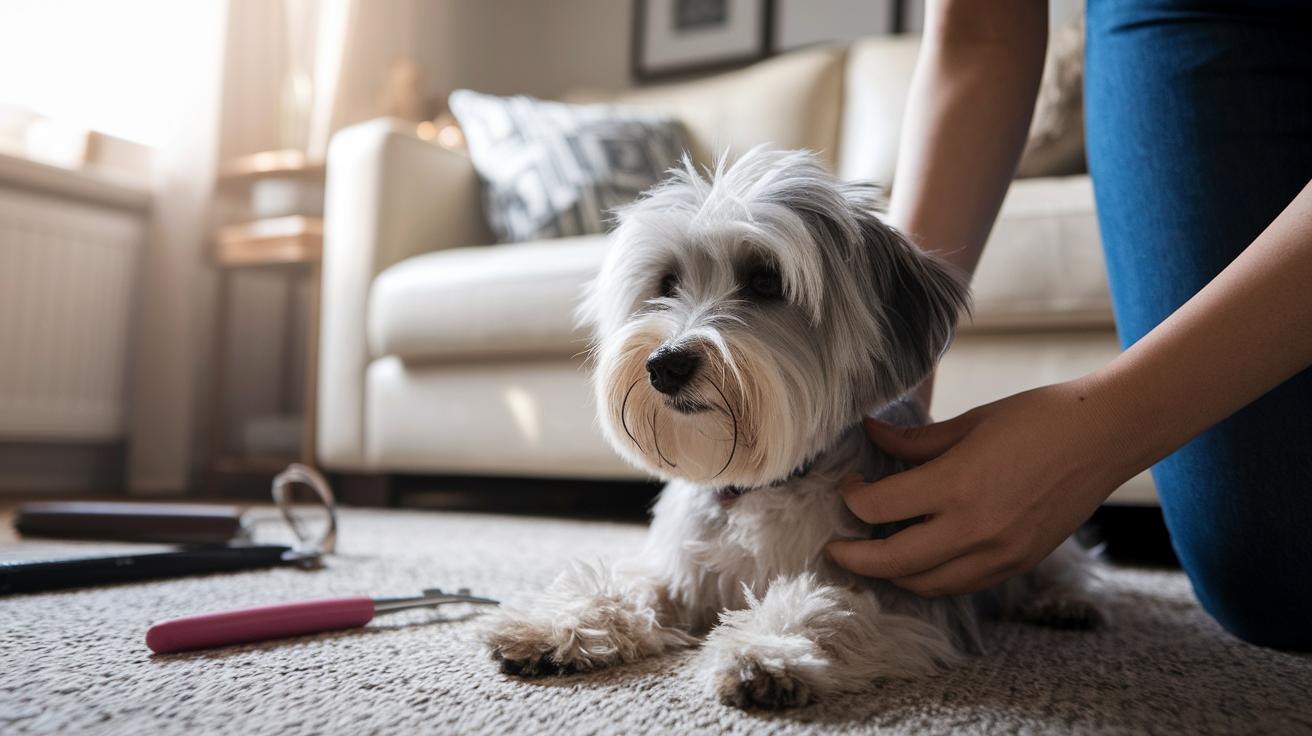
At-home grooming works well for keeping your pet clean and strong. It helps you spot skin problems early and gives you a chance to trim little areas safely. In contrast, professional grooming uses skilled clipping techniques and thorough safety checks with special tools. Each choice fits different needs and comfort levels.
A visit to a groomer usually runs between $50 and $90. This price covers a bath, a trim, and nail care. Groomers also check for skin or ear issues. If you follow a DIY guide or use a mobile groomer, you can save money and set your own schedule. Still, these methods might not match the precision and safety of a professional service.
A good plan is to groom your pet every 6 to 8 weeks. This schedule helps keep the coat healthy and problems in check. Watch your pet’s coat and behavior closely. Mix DIY care with professional help based on what your pet needs and what fits your budget.
Final Words
In the action, we covered core at-home dog grooming tips, from brushing and bathing to trimming. We detailed must-have tools, safe techniques, and breed-specific pointers to help keep your pet healthy. Safety, durability, and ease of cleaning were our main focus, with a look at both DIY routines and professional help.
By following these dog grooming tips, you can achieve a routine that suits your pet's needs and feels manageable. Enjoy a happy, well-groomed companion every day.
FAQ
What are dog grooming tips for beginners and on Reddit?
Dog grooming tips for beginners focus on starting with basic techniques like brushing, bathing, and trimming while emphasizing safe handling, quality tools, and step-by-step learning, as often shared on forums like Reddit.
What are professional dog grooming tips for beginners?
Professional dog grooming tips for beginners recommend learning proper handling, using reliable tools, and following structured routines. They advise gradually building skills under safe conditions while mimicking pro techniques.
What are some effective dog grooming tips for at-home care?
At-home dog grooming tips stress routine brushing, careful bathing, and safe trimming. They encourage using the right tools to maintain your dog’s coat and overall hygiene between professional visits.
What can I expect from a dog grooming guide PDF?
A dog grooming guide PDF usually offers clear, step-by-step instructions covering brushing, bathing, trimming, and safety tips, along with images that help simplify the process.
How do I find dog grooming near me?
Finding dog grooming near you means searching local listings or reviews to locate professional groomers. These experts provide services like full grooming sessions, ensuring your pet’s safety and comfort.
How do dog grooming videos help beginners?
Dog grooming videos offer visual step-by-step instructions that show proper techniques for brushing, bathing, and trimming. They help beginners learn safe practices and build confidence in their skills.
What are the 7 steps of grooming a dog and basic personal grooming tips?
The 7 steps of grooming a dog typically include brushing, bathing, towel-drying, trimming, nail care, ear cleaning, and eye care. These steps ensure your pet stays clean and healthy.
What are common dog grooming mistakes to avoid?
Common dog grooming mistakes include using dull tools, rushing the process, improper restraint, and neglecting detailed areas like nails and ears, which may lead to injury or poor hygiene.
How much should you tip a $70 dog groomer?
Tipping a dog groomer typically ranges from 15% to 20% of the total cost. For a $70 service, this means giving roughly $10 to $14 as a fair tip.