

Quick verdict: Protecting your dog from fleas and ticks is a must. Options include fast-acting drops and long-lasting collars.
Key highlights:
- Fast treatments that work in hours
- Collars offering weeks of protection
- Choices for both indoor pups and outdoor adventurers
We tested several products and looked at the pros and cons so you can match the treatment to your dog's habits. Choosing the right option may seem tricky at first. Each product works a bit differently, and what fits a busy indoor dog might not be ideal for a park-loving pup.
This guide breaks down each option so you can pick the best solution for keeping your furry friend safe, comfy, and itch-free. Stick with us to learn how to guard your dog against pesky fleas and ticks without any guesswork.
Top Rated Flea and Tick Prevention Products for Dogs
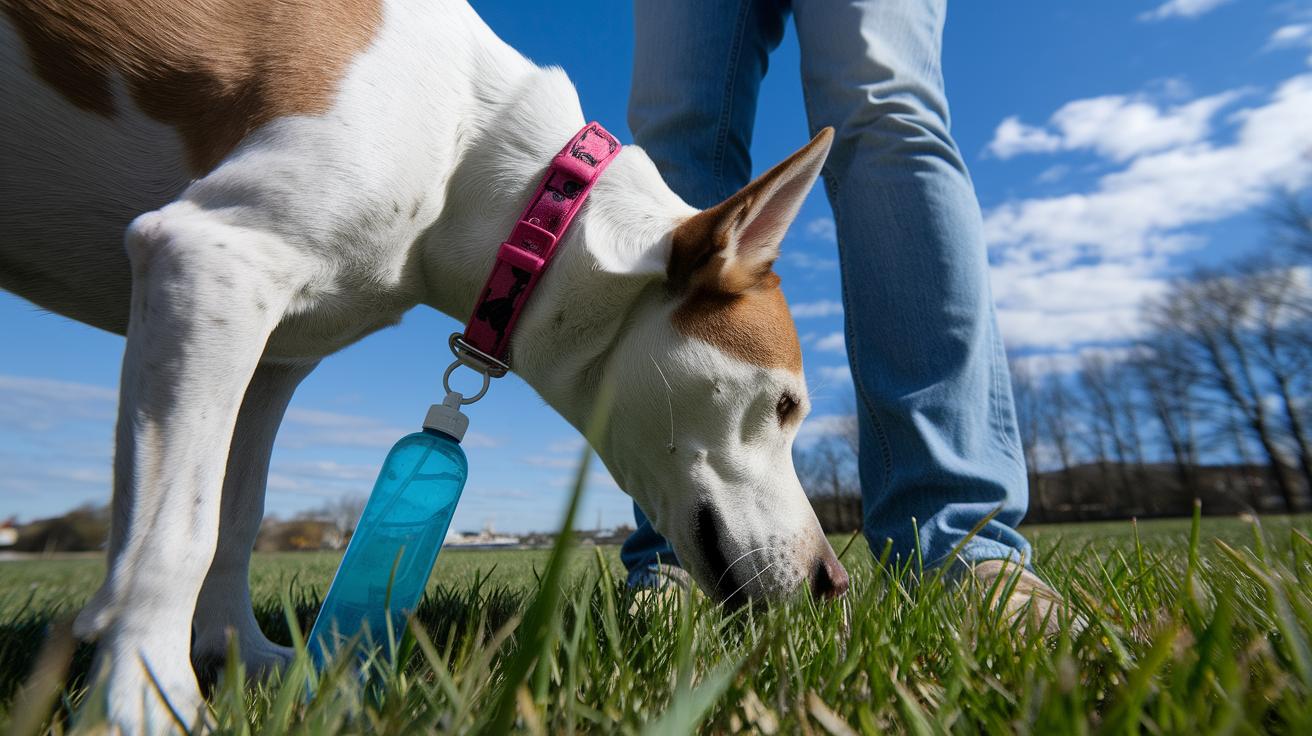
Flea and tick protection is key for keeping your dog safe and comfortable. The best choice depends on your dog's habits and the local climate. Different products offer different benefits and may work better for certain dogs.
Oral chews are favorite because they come as a monthly dose and also help prevent heartworm. They work through the whole body and are simple to give, though a few dogs might have a bit of stomach upset. Spot-on treatments need just a few drops applied between the shoulder blades. They act quickly, but sometimes may cause slight skin irritation. For dogs that spend lots of time outside, flea collars can protect for four to eight months, making them a solid pick for outdoor adventures. Flea shampoos offer fast relief when infestations are heavy, but they do not protect long, so you might need to wash more often. Some combo products mix methods to give extra benefits. Always check with your vet to decide which option fits your dog’s needs and your local weather.
| Product Name | Application Method | Protection Duration | Main Active Ingredient | Price Range |
|---|---|---|---|---|
| Chewable Defense | Oral Chew | 30 Days | Fluralaner | $20 – $30 |
| Spot-On Shield | Spot-On Treatment | 30 Days | Fipronil | $25 – $35 |
| BugBlock Collar | Flea Collar | 4-8 Months | Imidacloprid | $15 – $25 |
| QuickClean Shampoo | Flea Shampoo | Immediate | Pyrethrin | $10 – $20 |
| Combo Care Plus | Combination Topical | 30 Days | Selamectin | $30 – $40 |
Oral Chews, Spot-Ons, and Collars: Choosing the Right Dog Prevention Method
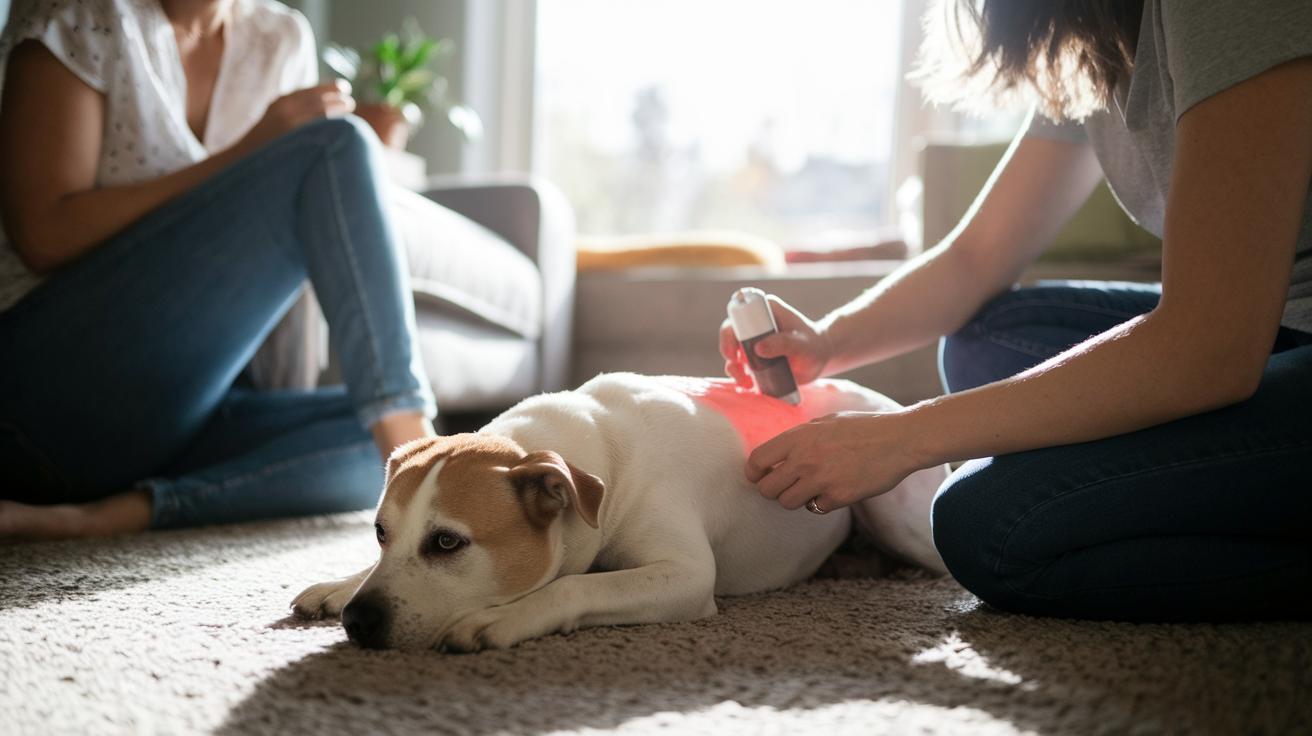
Different dogs and busy lifestyles call for different prevention methods. Experts say you should consider your pet's reaction and your own schedule when picking a treatment. Some options give quick results, while others work over a longer period.
Many pet owners say oral chews not only ward off pests but also serve as a tasty treat. Experts point out that spot-on treatments work best on dogs with tougher skin. During heavy infestations, flea collars and shampoos become handy tools for fast relief.
Think about your dog's habits and health. If your dog has a history of stomach issues, spot-ons (applied on the skin instead of eaten) could be better. If you’d rather not handle your pet too much, a flea collar might be easiest. Some owners even mix methods at different times of the year for extra protection.
Oral Chews
These treat-like pills, given monthly, also help protect against heartworm. They fit right into a daily treat routine. Watch for a drop in appetite, as some owners have noticed. One vet suggested using these chews during busy flea season to cut down on extra treatments.
Spot-On Treatments
You apply these between the shoulder blades, and they soak in quickly. This method skips the need for a pill and is best for dogs with healthy skin. If mild irritation happens, it’s smart to stop and try another option. One owner said switching saved their pet’s sensitive skin.
Flea Collars
These collars protect your dog for 2 to 8 months with a slow-release formula that outdoor dogs love. A proper fit helps avoid any discomfort. One pet owner mentioned that even on outdoor adventures, the collar kept fleas away without daily fuss.
Flea Shampoos
Flea shampoos offer quick relief when flea numbers are high, though they need frequent use. They work well as a fast fix during spikes in infestation. One pet owner shared that a thorough bath with flea shampoo cleared a severe outbreak and paved the way for a longer-term solution.
| Method | Duration | Best For | Unique Benefit |
|---|---|---|---|
| Oral Chews | Monthly | Treat-loving dogs | Heartworm co-protection |
| Spot-On Treatments | Monthly | Dogs without skin sensitivities | Easy application |
| Flea Collars | 2-8 months | Outdoor and busy dogs | Continuous, hands-off protection |
| Flea Shampoos | Immediate, short-term | Severe infestations | Fast-acting relief |
Key Factors When Selecting Flea and Tick Protection for Your Dog

When choosing a flea and tick treatment, think about your dog's breed, age, and health. Dogs in warm areas or near woods often face more pests and might need protection throughout the year. It also helps to wash your dog regularly, clean their bedding, and vacuum often to keep pests away.
Here are some easy points to remember:
- Breed-specific dosing guidelines (some dogs have sensitive skin).
- Your local climate and surroundings affect pest risk.
- Watch for any allergies or skin reactions to the treatments.
- Combine treatments with regular home cleaning.
- Adjust the treatment based on the season when pests are most active.
A common plan recommended by vets is to use a spot-on treatment in the spring for quick action and switch to oral chews if your dog shows any skin irritation. One pet owner shared, "Changing methods according to seasonal allergies kept our dog comfortable while stopping pests." By looking at both your dog’s needs and the local environment, you can create a safe and effective plan that works best for you and your pet.
Understanding Safety, Side Effects, and Veterinary Guidance for Dog Parasite Prevention
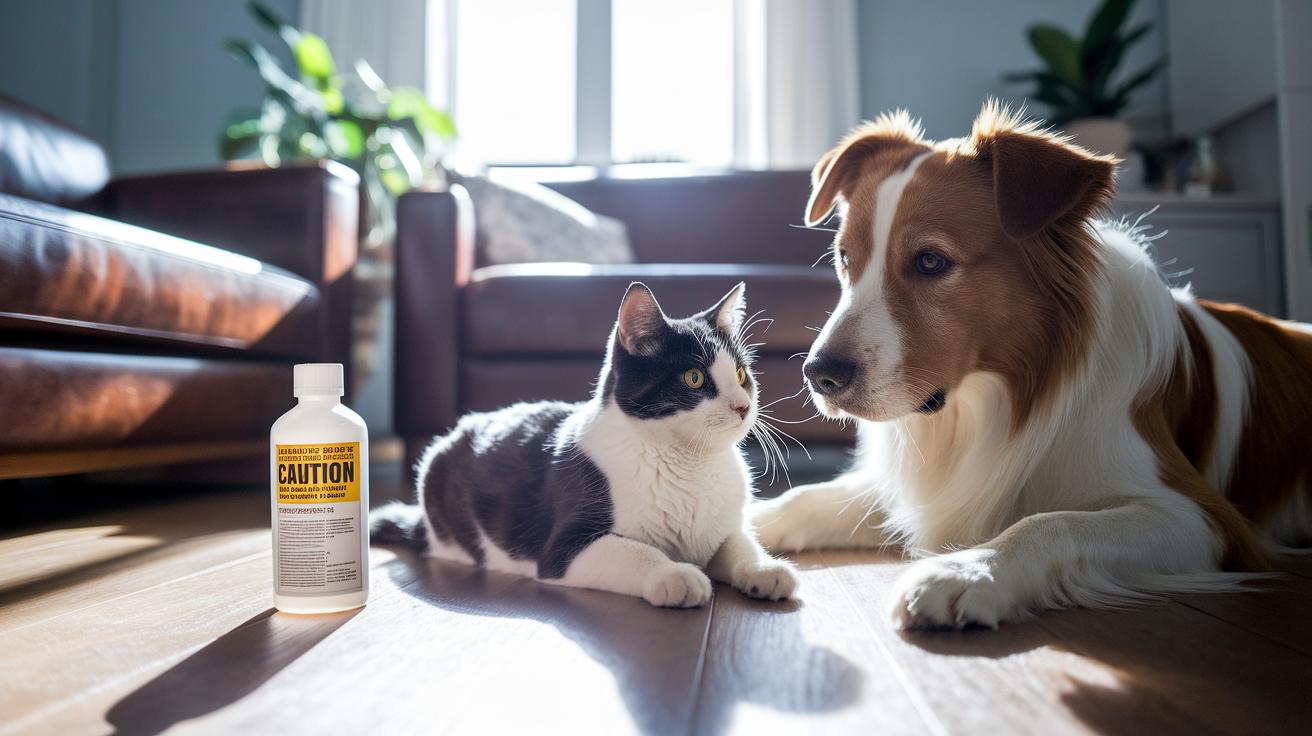
Dog flea treatments made for canines should never be used on cats. The chemicals in them, like permethrin (a substance that can harm felines), are unsafe for our kitties. This is vital for homes that have both dogs and cats.
Some dogs might have mild to medium allergic reactions after using parasite treatments. You might see red, sore skin or a little swelling. If you notice these signs after using a spot-on treatment or oral chew, stop using the product right away and check with your vet. Catching these issues early can help prevent bigger problems.
Keeping your home clean is a key part of preventing parasites. Regular vacuuming, washing pet bedding in hot water, and using household sprays can make a big difference. Basic tools like a flea comb or a pet-friendly shampoo can help remove pests and lower the risk of re-infestation.
Your vet is a great partner in creating a parasite prevention plan that works for your dog. For pets with existing health issues, they might suggest a specific schedule or even a mix of treatments. Using a good grooming kit can also help spot any problems early, keeping your pet safe and comfy.
Natural and DIY Flea and Tick Control Alternatives for Dogs

Many dog owners want to steer clear of chemicals. They try natural fixes to keep their pets safe from fleas and ticks while also supporting healthy skin and a shiny coat.
These methods work best when paired with a good diet and plenty of exercise. Here are some simple, natural ideas:
- Cedarwood spray: Mix with water to create a safe spray for your dog's coat.
- Eucalyptus spray: Works much like cedarwood to keep bugs at bay.
- Diatomaceous earth dust: A fine powder that dries out and kills parasites.
- Herbal flea collars: Made with essential oils to gently repel insects.
- Apple cider vinegar rinse: Added during baths to make the coat less inviting to fleas.
- Dietary supplements: Omega fatty acids help boost skin and coat health.
- Neem oil: A plant-based oil known for its bug-repelling properties.
These natural options are a good starting point if you want to avoid synthetic chemicals. If you notice a heavy flea problem or signs of irritation, it's best to check with your vet and consider combining these remedies with treatments they recommend.
Seasonal and Year-Round Parasite Prevention Strategies for Dogs

Plan a parasite protection routine that covers every season. Even in colder months, ticks and fleas can still be a concern in mild climates. Match your dosing schedule with your area's tick and flea life cycles to keep your dog safe all year.
If your dog enjoys the outdoors, be extra careful in spring and fall. During these busy times for bugs, step up home treatments and check your pet more often. Regular grooming and vacuuming, along with washing bedding in hot water, add extra layers of defense.
Here are some easy steps to keep your dog protected:
- Set up a dosing schedule that hits local parasite peaks.
- Clean your home by vacuuming and washing bedding in hot water.
- Check your dog carefully in spring and fall when bugs are most active.
- Keep a close eye on your pet in winter, especially in mild climates.
This steady approach of seasonal planning and regular care helps block parasites and protect your dog all year long.
Expert Insights and Consumer Favorites in Canine Flea and Tick Prevention

We gathered expert vet ratings and real pet owner reviews and organized them into clear sections for monthly oral chews, spot-on treatments, and combination methods. Each section gives you practical details on how these options perform.
Oral chews are popular because they work fast and even taste like a treat. One user mentioned that not only does it taste good, but it also starts working within hours.
Spot-on treatments score high for being simple to use and gentle on the skin. Many owners noticed improvements just minutes after applying them.
We also share advice for small breeds. Small dosage tweaks can be key to avoiding too much medication, and keeping your pet’s area clean is also important.
This setup provides a clear, no-nonsense look at both the technical side and real-world results, making it easy for you to choose the right option for your pet.
Final Words
In the action, the post guided you through top treatments like oral chews, spot-ons, collars, and shampoos, while comparing features, safety, and performance. It broke down key factors such as your dog’s breed, environment, and seasonal risks, and even touched on natural options for extra peace of mind. Expert tips and real-world advice helped underline which choices suit different needs. This clear guide leaves you ready to choose the best flea and tick prevention for dogs with confidence.
FAQ
What are the best flea and tick prevention options recommended on Reddit?
Reddit users favor flea and tick prevention options like monthly oral chews and spot-on treatments for their ease of use and reliable parasite control. They appreciate value, safety, and often consult a vet for advice.
What are the best over-the-counter flea medicines for dogs without a vet prescription?
Over-the-counter flea medicines include proven spot-on treatments and oral chews that offer steady flea, tick, and heartworm protection. Always follow directions and watch for side effects, ensuring the product fits your dog’s needs.
What is the best flea and tick prevention for cats?
For cats, the best flea and tick prevention options are products specifically formulated for feline use. Dog products can be toxic, so choose cat-specific spot-ons or oral treatments and ask your vet for safe recommendations.
What are top flea and tick prevention products available on Amazon for dogs?
Amazon offers top-rated flea and tick prevention products for dogs, including both oral chews and spot-on treatments. User reviews praise these for effectiveness, ease of use, and affordability, making them a popular choice.
What is the safest treatment for tick and flea prevention in dogs?
The safest tick and flea treatment for dogs usually involves vet-recommended oral chews or gentle spot-on applications. These options have strong testing records; consulting your vet ensures the treatment meets your dog’s health and lifestyle needs.
What are effective at-home flea treatments for dogs?
Effective at-home flea treatments include immediate relief options like flea shampoos combined with spot-on treatments for lasting control. Following label instructions and maintaining environmental cleaning are key to reducing infestations.
Is Nexgard or Frontline a safer option for dogs?
Nexgard and Frontline both have strong safety records. Nexgard, an oral chew, offers convenience, while Frontline, a spot-on treatment, may suit dogs with sensitive skin. Check with your vet to decide which fits your pet best.